
Chigger Forecast 2026: Where They’re Active Right Now
Chiggers run from the first warm soil of spring to the first frost — March in Texas, June in Minnesota, never in Alaska. Check today’s activity for your ZIP, see every state’s season against the calendar, and learn what actually ends the itch.
Are chiggers active near you today?
Enter a ZIP for a live 0–10 activity score from today’s temperature, humidity, and recent rain, plus your state’s season status — then jump to the state page for hotspots and the activity map.
Every state, by where its season stands today
Active nowLarvae questing — inside the typical season
Season overPast the typical first frost — season over
NoneNo established chigger populations
Chigger season, every state A–Z
| State | Season | Peak | Severity | Status today |
|---|---|---|---|---|
| Alabama | April 5 – November 10 | May 20 – October 1 | 5/5 · Very high | Active now |
| Alaska | None | — | 0/5 · None | None |
| Arizona | June 15 – October 31 | July 15 – September 15 | 1/5 · Very low | Active now |
| Arkansas | April 15 – November 1 | May 25 – September 25 | 5/5 · Very high | Active now |
| California | April 15 – November 15 | May 20 – October 1 | 2/5 · Low | Active now |
| Colorado | June 1 – September 25 | July 1 – August 20 | 1/5 · Very low | Season over |
| Connecticut | May 20 – October 10 | June 15 – September 1 | 3/5 · Moderate | Active now |
| Delaware | May 1 – October 20 | June 1 – September 15 | 4/5 · High | Active now |
| Florida | Mar 1 – Dec 15 · year-round in South Florida | April 15 – October 31 | 4/5 · High | Active now |
| Georgia | April 15 – October 30 | June 1 – September 15 | 5/5 · Very high | Active now |
| Hawaii | Year-round (low) | May 1 – October 31 | 1/5 · Very low | Active now |
| Idaho | June 5 – September 15 | July 1 – August 20 | 1/5 · Very low | Season over |
| Illinois | May 10 – October 10 | June 10 – September 5 | 4/5 · High | Active now |
| Indiana | May 10 – October 10 | June 10 – September 10 | 4/5 · High | Active now |
| Iowa | May 20 – October 5 | June 15 – September 1 | 4/5 · High | Season over |
| Kansas | May 1 – October 20 | June 1 – September 15 | 5/5 · Very high | Active now |
| Kentucky | April 25 – October 20 | June 1 – September 15 | 5/5 · Very high | Active now |
| Louisiana | March 20 – November 20 | May 10 – October 10 | 5/5 · Very high | Active now |
| Maine | June 5 – September 20 | July 1 – August 15 | 2/5 · Low | Season over |
| Maryland | May 1 – October 25 | June 1 – September 15 | 4/5 · High | Active now |
| Massachusetts | May 25 – October 5 | June 20 – August 31 | 3/5 · Moderate | Season over |
| Michigan | May 25 – September 25 | June 25 – August 25 | 3/5 · Moderate | Season over |
| Minnesota | June 1 – September 20 | July 1 – August 20 | 2/5 · Low | Season over |
| Mississippi | April 1 – November 10 | May 15 – October 5 | 5/5 · Very high | Active now |
| Missouri | April 25 – October 25 | June 1 – September 20 | 5/5 · Very high | Active now |
| Montana | June 10 – September 10 | July 5 – August 15 | 1/5 · Very low | Season over |
| Nebraska | May 15 – October 10 | June 10 – September 5 | 4/5 · High | Active now |
| Nevada | June 1 – September 30 | July 1 – September 5 | 1/5 · Very low | Season over |
| New Hampshire | June 1 – September 20 | July 1 – August 15 | 2/5 · Low | Season over |
| New Jersey | May 10 – October 15 | June 10 – September 10 | 4/5 · High | Active now |
| New Mexico | May 15 – October 15 | July 1 – September 15 | 2/5 · Low | Active now |
| New York | May 15 – October 10 | June 15 – September 5 | 3/5 · Moderate | Active now |
| North Carolina | April 15 – November 1 | May 25 – September 25 | 5/5 · Very high | Active now |
| North Dakota | June 5 – September 15 | July 1 – August 15 | 2/5 · Low | Season over |
| Ohio | May 10 – October 10 | June 15 – August 31 | 4/5 · High | Active now |
| Oklahoma | April 10 – November 5 | May 20 – September 30 | 5/5 · Very high | Active now |
| Oregon | May 20 – October 10 | June 20 – September 10 | 1/5 · Very low | Active now |
| Pennsylvania | May 15 – October 10 | June 15 – August 15 | 3/5 · Moderate | Active now |
| Rhode Island | May 20 – October 10 | June 15 – September 1 | 3/5 · Moderate | Active now |
| South Carolina | April 10 – November 10 | May 20 – October 1 | 5/5 · Very high | Active now |
| South Dakota | May 25 – September 25 | June 20 – August 15 | 3/5 · Moderate | Season over |
| Tennessee | April 20 – October 25 | June 1 – September 20 | 5/5 · Very high | Active now |
| Texas | March 15 – November 30 | May 1 – August 31 | 5/5 · Very high | Active now |
| Utah | June 1 – September 25 | July 1 – September 5 | 1/5 · Very low | Season over |
| Vermont | June 1 – September 15 | July 1 – August 15 | 2/5 · Low | Season over |
| Virginia | April 25 – October 30 | May 25 – September 20 | 4/5 · High | Active now |
| Washington | May 25 – October 5 | June 25 – September 5 | 1/5 · Very low | Season over |
| West Virginia | May 10 – October 15 | June 10 – September 10 | 3/5 · Moderate | Active now |
| Wisconsin | May 25 – September 25 | June 20 – August 25 | 3/5 · Moderate | Season over |
| Wyoming | June 10 – September 10 | July 1 – August 15 | 1/5 · Very low | Season over |
Chigger activity map — today
The default view is centered on the Ozarks, the densest chigger country in America. Enter any ZIP to recenter; each circle is today’s modeled activity from Open-Meteo temperature, humidity, and recent rain. For state-specific season gating, use your state page.
Estimated chigger activity around the Ozarks (MO / AR) today, scored 0–10 from Open-Meteo’s daily high temperature, mean humidity, and the last three days of rain, gated by the state’s typical season window and its regional abundance tier. Larvae are most active at 77–86°F in humid, shaded grass and go quiet in dry heat or after the first frost. A model, not a survey — no one is counting mites out there.
Chigger season month by month
March – April the South wakes up
Texas, Louisiana, Mississippi, Florida, and the Gulf states see the first larvae as soil passes 60°F. By late April the Carolinas, Georgia, Tennessee, Arkansas, and Missouri are in. The Midwest and Northeast are still clean.
May – June peak arrives
The South hits full peak in May; the Mid-Atlantic, Ohio Valley, Kansas, and Missouri by June 1; the Great Lakes and New England mid-to-late June; Minnesota and the Dakotas around July 1. Late May through June is the single worst stretch nationally.
July – August the long plateau
Everywhere with chiggers has them. Dry heat in late July knocks numbers down in the Plains and South; an August rain brings them right back. The humid Southeast and Ozarks stay high straight through.
September – November frost ends it
The northern tier is done by late September. October frosts close the Mid-Atlantic, Midwest, and Upper South. Texas and the Gulf Coast run to Thanksgiving; South Florida and Hawaii never fully stop.
What a chigger is — and isn’t
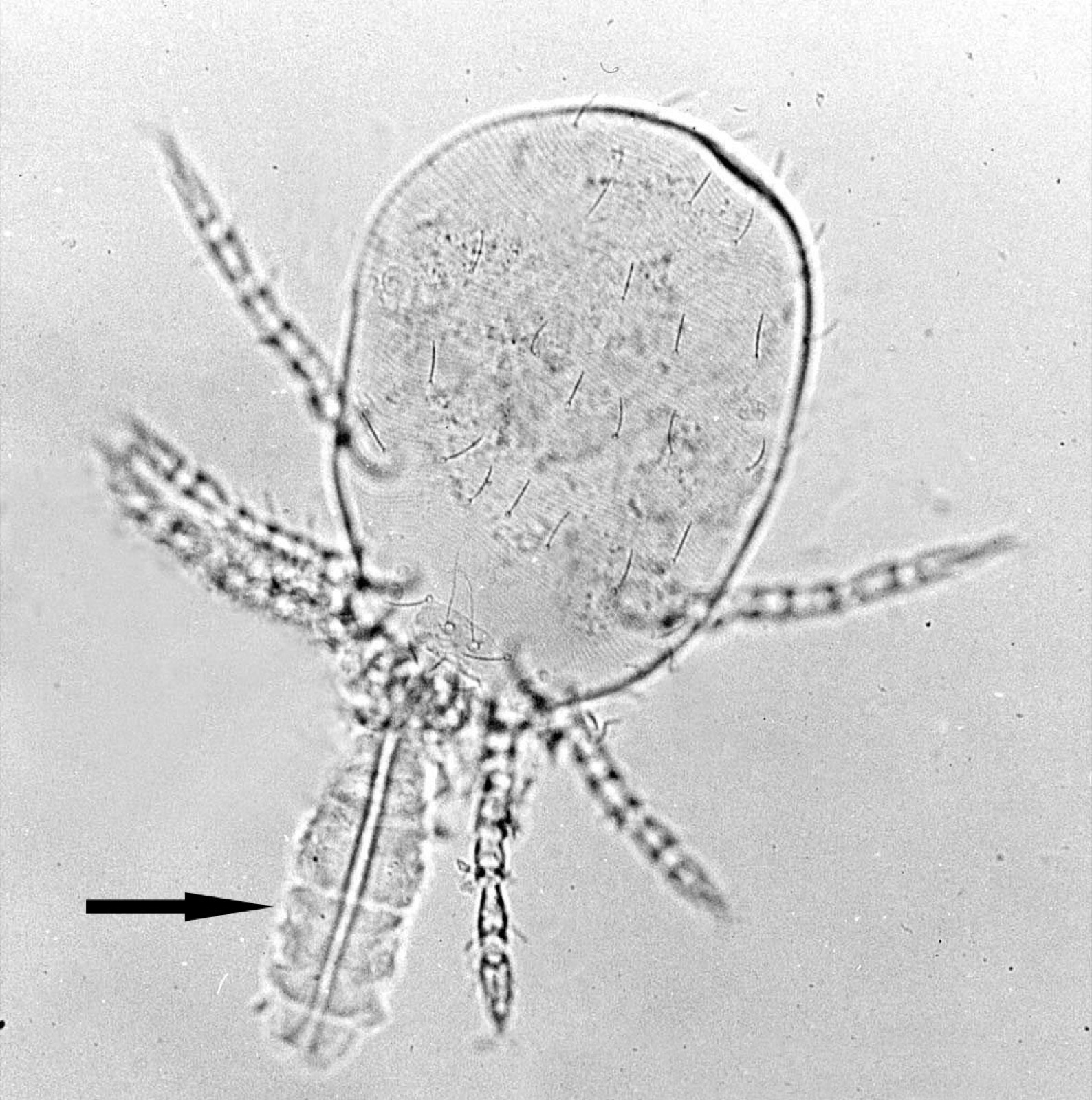
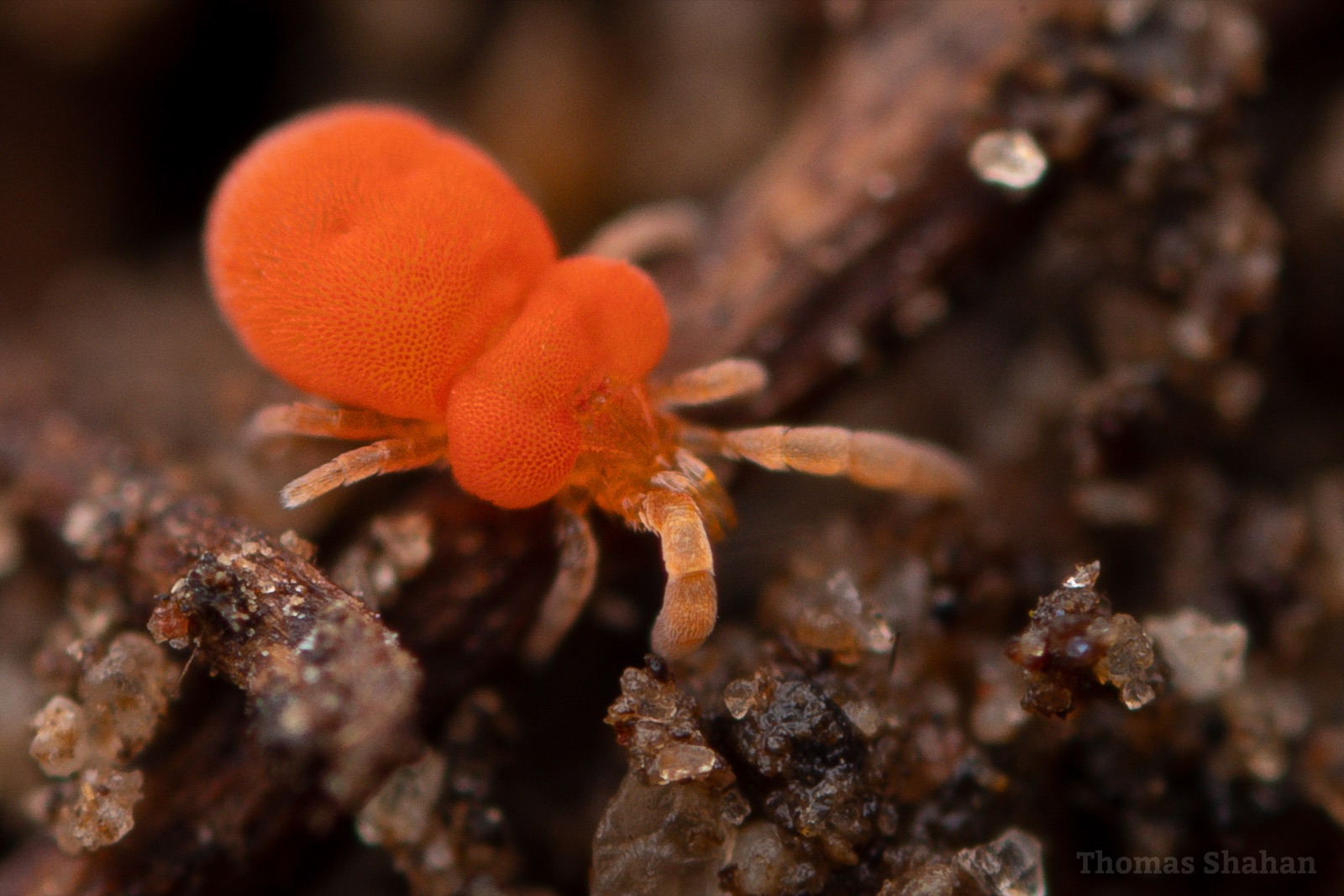
A chigger is the six-legged larva of a trombiculid mite — in most of the country Eutrombicula alfreddugesi, joined by E. splendens in the humid Southeast and E. belkini on the California coast. Larvae hatch from eggs in the soil, climb a few inches up grass or brush, and wait for a lizard, bird, rodent, or — by accident — you. They attach where clothing is tight, inject saliva that digests skin cells, drink through a tube the skin forms around the bite, and drop off after one to four days. The nymph and adult stages live in the soil, eat springtails and insect eggs, and never bite.
They do not burrow, they do not lay eggs in skin, and in the United States they do not transmit disease. Scrub typhus — the one chigger-borne illness — is carried by Leptotrombidium mites in the Asia-Pacific region. The welt is an allergic response to saliva; the itch lasts a week or two; the only real medical risk is infecting a scratched bite. The ticks sharing that grass are a different story, which is why every state page here links its tick forecast.
How to not get chiggers
Permethrin on clothes
0.5% permethrin on pants, socks, and boots, dried before wearing, lasts several washes and cut bites by over 90% in Texas A&M field trials. Never on skin.
Repellent on skin
DEET 20–30%, picaridin 20%, or oil of lemon eucalyptus on ankles, legs, and waist. Cedar-oil sprays work for shorter exposures and are the gentler pick for kids.
Don’t sit in the grass
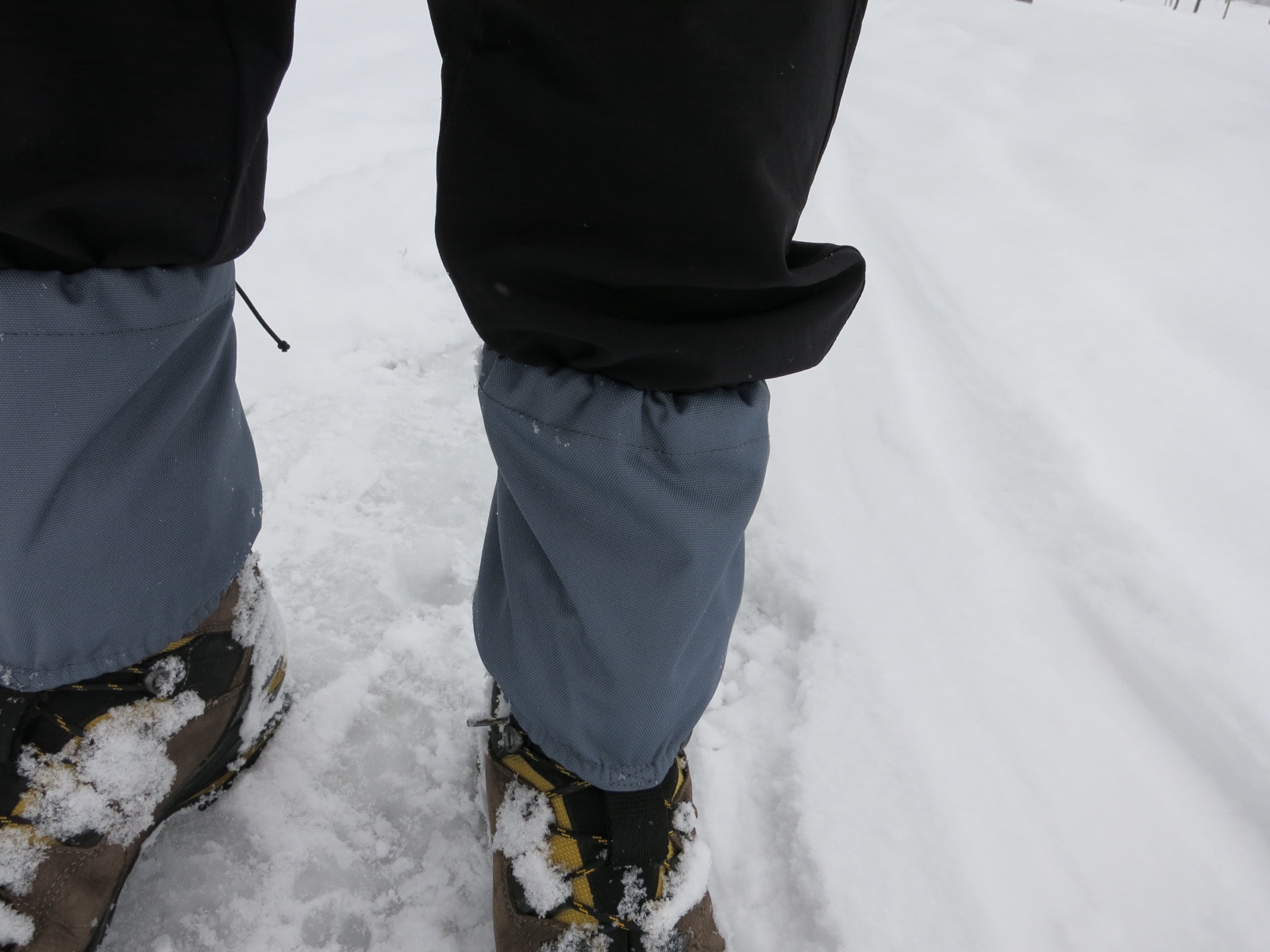
Larvae climb only a few inches up vegetation. Tuck pants into socks, stay on mown or rocky ground, and picnic on a table, not a meadow edge.
Shower within the hour
Larvae take an hour or more to settle and attach. A hot, soapy shower with a towel scrub removes most of them; wash field clothes in hot water.
Sun and short grass in the yard
Mow short, clear brushy edges, keep play areas in full sun. Spot-treat a confirmed hot strip with a labeled lawn insecticide; skip whole-yard spraying.
If you get bitten
Wash, cool compress, hydrocortisone or calamine, antihistamine at night, short nails. Skip the nail polish — the mite left hours ago.
Chigger FAQ
Season windows are climatological typicals from state extension services, the trombiculid literature, and NOAA first-frost normals — any year runs ±2 weeks. Live scores are modeled in your browser from Open-Meteo and are not a mite count. Same grass, more serious bite: check your state’s tick forecast and mosquito forecast before you go.
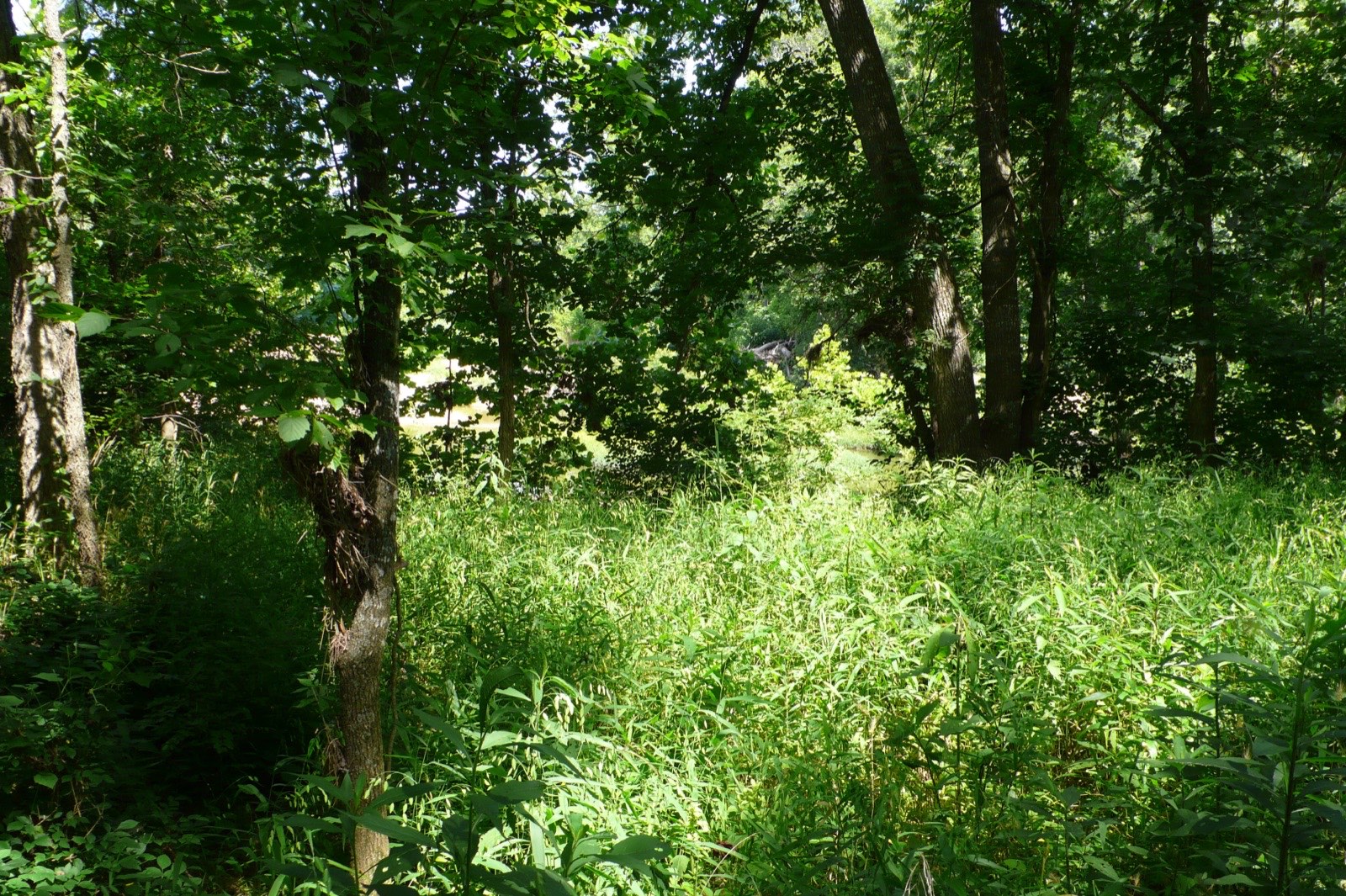
Hero image: “Meadow Looking Towards Baptists Trace" (Mammoth Cave National Park, KY)” — NPS Photo — Public domain