
Today’s Tick Risk in Louisiana – Real-Time Forecast & Activity Map
Check your ZIP code for local tick activity, real-time risk levels, and prevention insights.
Built from CDC and NOAA data
Surveillance Insights
- Annual Lyme Cases
- Rare Lyme; frequent Rickettsial infections
- Based on CDC surveillance data
- Long-Term Trend
- Urban expansion into tick habitats
- Based on CDC surveillance data
- High Risk Zones
- Kisatchie National Forest, St. Tammany Parish, Rapides Parish, Tangipahoa Parish, Fontainebleau State Park, Tunica Hills, Atchafalaya Basin
Current Situation in Louisiana
Louisiana's subtropical climate and abundant wetlands make it a haven for ticks, creating a year-round battle for residents. The tick forecast for Louisiana warns of continuous activity, with the Lone Star tick and Gulf Coast tick being the primary vectors of disease. Lyme disease is rare, but Spotted Fever Rickettsiosis and Ehrlichiosis are significant threats. The "Sportsman's Paradise" sees high human-tick interaction due to the deep cultural tradition of hunting, fishing, and outdoor recreation in tick-dense habitats like bayous and bottomland forests. Hurricanes can also shift tick populations and habitats, creating new risk zones in their aftermath.
Snapshot of the current tick situation in Louisiana, based on regional surveillance data and seasonal activity patterns.
- Risk Level
- Moderate to High
- Peak Activity
- May - July
- Dominant Vector
- Lone Star Tick (Amblyomma americanum)
Where Ticks Hide in Louisiana
From the piney hills of the north to the coastal marshes of the south, ticks are ubiquitous. The Kisatchie National Forest offers vast stretches of pine-hardwood forest that support massive tick populations. The Atchafalaya Basin and other wetland areas are also high-risk zones, particularly along the levees and spoil banks. Suburban expansion into wooded areas around Baton Rouge and the Northshore of Lake Pontchartrain has increased exposure risks for families. The "wildland-urban interface" is growing, bringing ticks into backyards and school playgrounds.
Seasonal Activity Pattern
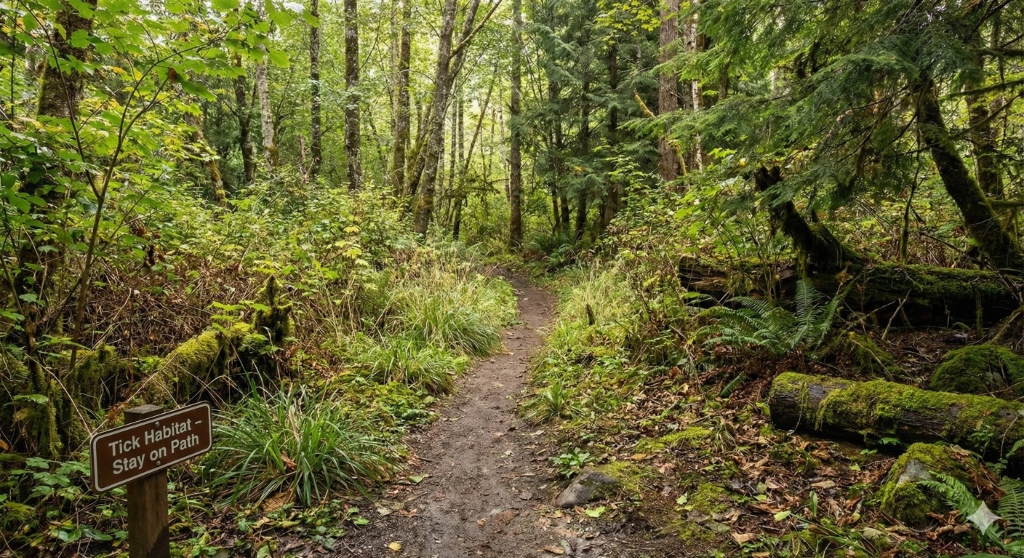
There is no true "off-season" for ticks in Louisiana. Activity peaks in the spring and early summer, but ticks remain active throughout the mild winter. The Gulf Coast tick is particularly adapted to the heat and humidity of late summer, when other species might seek refuge. Hunters in the fall need to take serious precautions, as do crawfishers and anglers working along vegetated banks. Even in December and January, a warm spell can trigger significant tick activity.
Check Your Local Tick Risk
Ready to see current tick activity in your area? Get today's tick forecast and personalized risk assessment for your ZIP code.
Local Vector Analysis
Understanding which ticks are active in Louisiana helps you identify threats and take appropriate precautions.
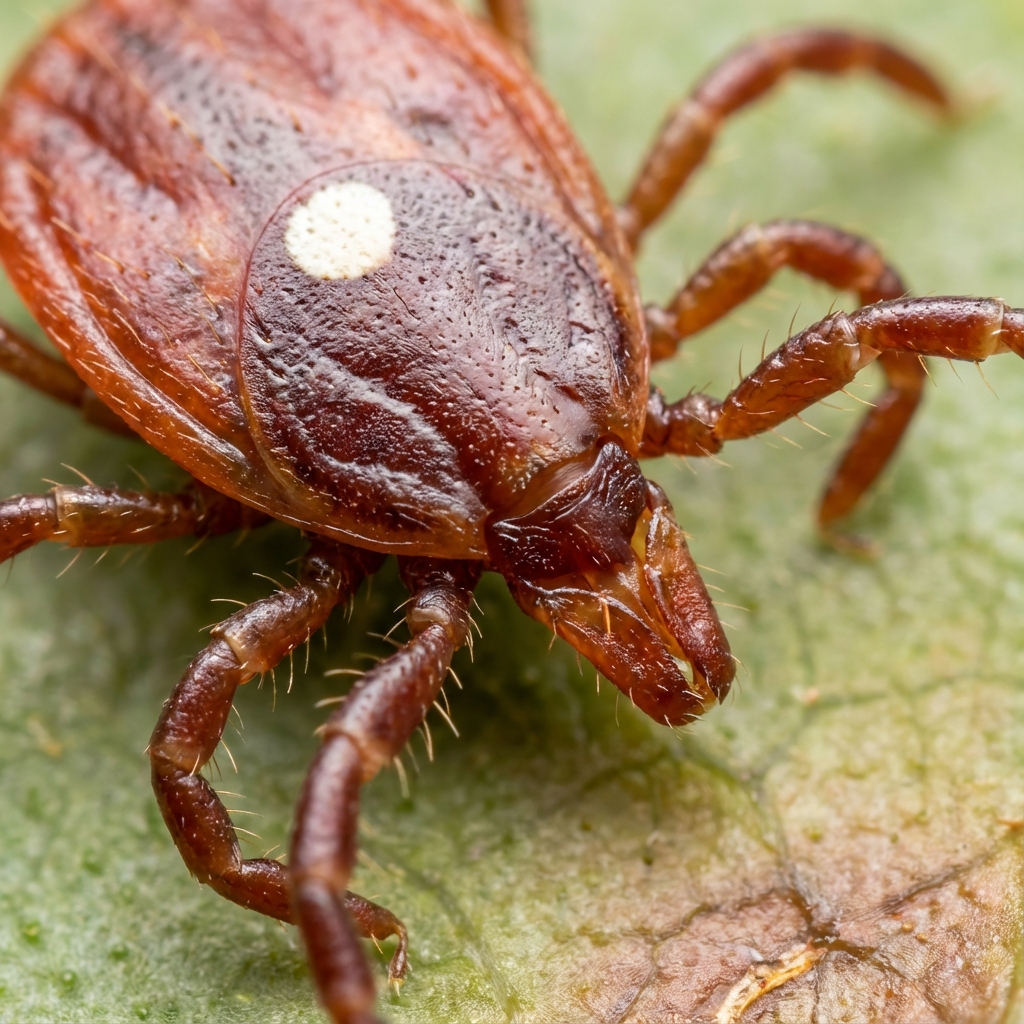
Lone Star Tick
Amblyomma americanum
Appearance: Distinct white dot or "lone star" on female's back. Reddish-brown body.
Peak Season: Active from early Spring through late Fall
Habitat: Woodlands with dense undergrowth and around animal resting areas.
Diseases: Ehrlichiosis, Alpha-gal Syndrome, STARI, Heartland Virus, Bourbon Virus
Note: Aggressive hunter. Actively pursues hosts.

Gulf Coast Tick
Amblyomma maculatum
Appearance: Reddish-brown with ornate silver/white markings creating an eye-catching pattern.
Peak Season: April-September
Habitat: Coastal grasslands, marshes, beaches, and open areas near water.
Diseases: Rickettsia parkeri rickettsiosis

American Dog Tick
Dermacentor variabilis
Appearance: Brown with white/grey mottling. Ornate white patterns on shield.
Peak Season: Spring and Summer
Habitat: Grassy fields, walkways, and trails. More tolerant of dry conditions than Deer Ticks.
Diseases: Rocky Mountain Spotted Fever, Tularemia

Lyme Disease
Vector: Deer tick (Ixodes scapularis)
Lyme Disease
Lyme disease is a bacterial infection transmitted by deer ticks. If caught early, it's highly treatable with antibiotics. Left untreated, it can cause serious complications affecting joints, heart, and nervous system.
Early Warning Signs
- Erythema migrans (EM) rash - appears in 70-80% of cases
- Bullseye rash (circular red rash with clear center)
- Rash appears 3-30 days after bite
- Fever and chills
Progression & Symptoms
- Severe headaches and neck stiffness
- Facial palsy (loss of muscle tone on one or both sides of face)
- Arthritis with severe joint pain, especially knees
Prevention Strategies
The best way to avoid tick-borne diseases is to prevent tick bites in the first place. These strategies work together to create multiple layers of protection.
Permethrin-Treated Clothing
Permethrin is an insecticide that kills ticks on contact. When applied to clothing, it remains effective through multiple washes.
Daily Tick Checks
Since disease transmission typically requires 24-48 hours of attachment, finding and removing ticks quickly dramatically reduces infection risk.
Landscaping Defense
Creating a tick-hostile environment in your yard reduces the chance ticks will be waiting when you step outside.
Shower Within 2 Hours
Showering after outdoor activity gives you a chance to wash off ticks before they bite.
Tick Bite Protocol
Acting quickly and correctly is your best defense against infection.Follow these 6 critical steps.
Don't Panic
Most tick bites do not transmit disease, especially if removed quickly.
- Infection rates vary by region (20-50%)
- Transmission usually takes 24-48 hours
- Stay calm and use proper technique
Gather Tools
Use fine-tipped tweezers. Avoid fingers or chemicals.
- Fine-tipped tweezers are best
- Rubbing alcohol for cleaning
- Small container to save the tick
Grasp & Pull
Grasp close to skin and pull upward with steady pressure.
- Grab mouthparts near skin (not body)
- Pull straight up—don't twist
- Maintain steady, even pressure
Clean Area
Disinfect the bite site and your hands thoroughly.
- Wash with soap and water
- Apply rubbing alcohol
- Wash hands well
Save Tick
Keep the tick in a sealed container for potential testing.
- Seal in bag or container
- Label with date and location
- Bring to doctor if symptoms appear
Monitor (30 Days)
Watch for rash or flu-like symptoms for a month.
- Check for expanding rash daily
- Watch for fever or fatigue
- Seek care if you feel unwell
When does tick season end in Louisiana?
Tick activity winds down after the first hard freeze, which in Louisiana typically arrives around Nov 26. See the local first-frost window and city-by-city freeze dates.
Louisiana first frost datesAlso worried about mosquitoes in Louisiana?
West Nile virus, EEE, and the local mosquito season vary by state. Check your Louisiana mosquito risk profile.
View Louisiana mosquito forecastStay Safe in Louisiana
Get personalized tick forecasts and prevention tips for your area