American shad on the St. Johns River
- When
- Usually late December through April.
- Spawns at
- 60 to 65°F Pennsylvania Fish and Boat Commission, for the species

59 spring runs in 24 states. Each starts when its river reaches the temperature its fish wait for, from 40°F for rainbow smelt to 62°F for striped bass, and 36 of them usually begin between March and May.
Each run’s months and spawning temperature come from the state agency page quoted on its state page. The verdict on each card is worked out in your browser against today’s date and, where a USGS gauge sits on the run’s own river, today’s water.
The runs on now and the next to start, from the months each state names. Each card sets the river against the temperature its fish wait for once the page has loaded.
A spring run is fish leaving a lake, a reservoir or the sea for a river to spawn. The temperature under each name is the figure its publisher gives for the species; a state’s own figure, where it has one, is on its page.
Walleye leave big lakes and reservoirs for rivers, tailwaters and rocky shallows to spawn in cold water.
Spawns at 45 to 50°F, by the Pennsylvania Fish and Boat Commission
16 runs here: Iowa, Michigan, Minnesota, New York, Ohio, Tennessee, Vermont, Wisconsin
White bass run from lakes and reservoirs up the rivers that feed them.
Spawns at 57.2°F, by the U.S. Fish and Wildlife Service
Shad live at sea and come back up the rivers they hatched in to spawn.
Spawns at 60 to 65°F, by the Pennsylvania Fish and Boat Commission
Peak spawning near 65.3°F, by the U.S. Fish and Wildlife Service
14 runs here: Connecticut, Florida, Massachusetts, New Jersey, North Carolina, Oregon, Pennsylvania, South Carolina, Washington
Hickory shad are a smaller sea run cousin of the American shad, found in Atlantic coast rivers.
Spawns at 61°F, by the Pennsylvania Fish and Boat Commission
3 runs here: North Carolina, Virginia
River herring are alewives and blueback herring, small sea run fish that crowd up coastal streams and fish ladders.
Spawns at 57°F, by the U.S. Fish and Wildlife Service
6 runs here: Maine, Massachusetts, New York, Virginia
Sea run stripers spawn in tidal rivers, and reservoir stripers run up the rivers that feed their lake.
Spawns at 55 to 67°F, by the Pennsylvania Fish and Boat Commission
6 runs here: Delaware, New York, North Carolina, Virginia
Rainbow smelt are small silver fish that run up cold streams in early spring, where the rules allow dip nets.
3 runs here: Michigan, Minnesota, New Hampshire
Eulachon are a small Pacific smelt, also called candlefish, that run up Northwest and Alaska rivers.
4 runs here: Alaska, Oregon, Washington
The month each source names for the start of its run, from Florida’s shad in December to the Columbia’s in May. A cold spring holds a run back by weeks and a warm one brings it forward, so the month is a guide and the water is the answer.
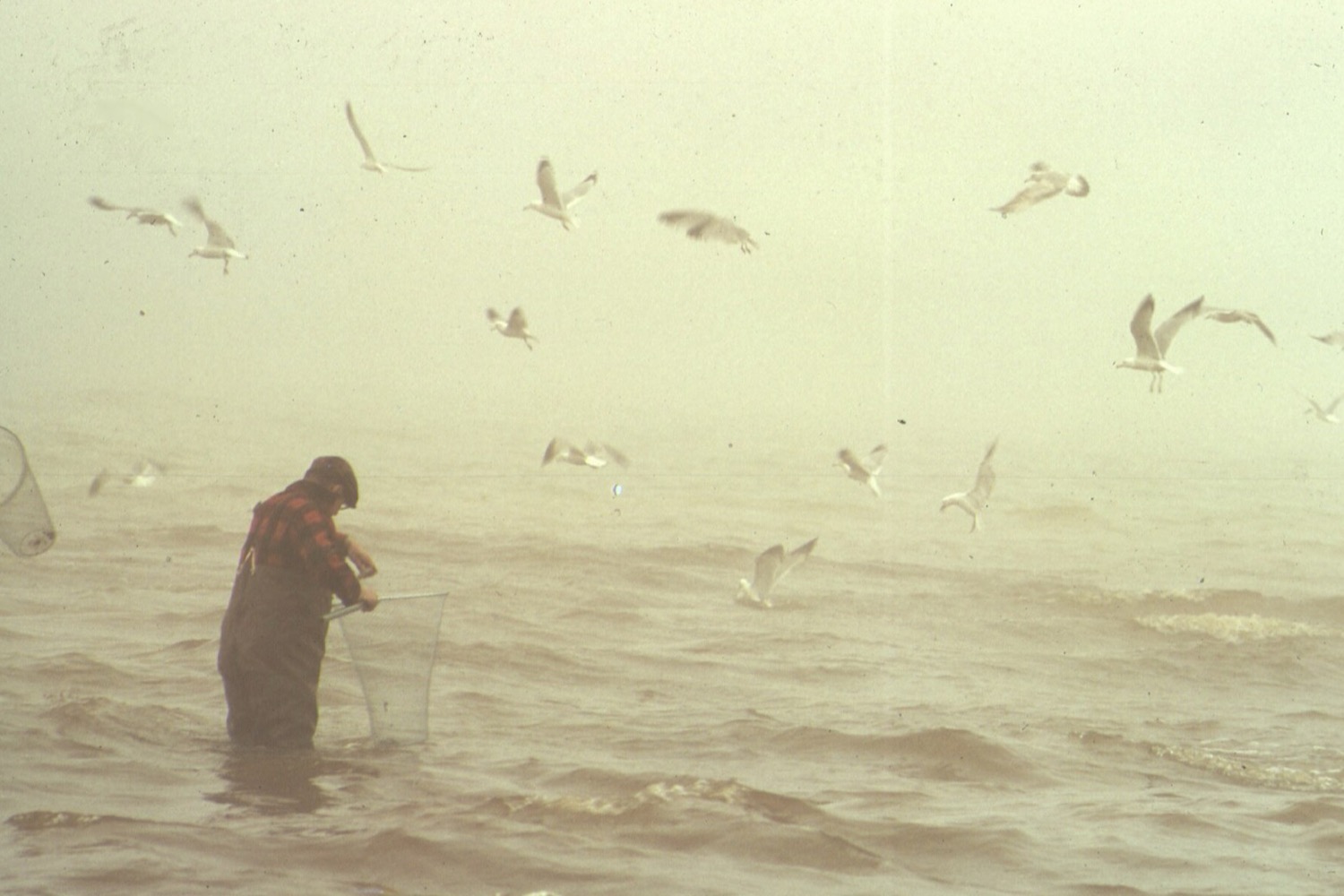
Each species spawns in a band of water temperature, and the agencies print it: the Ohio Division of Wildlife gives 43 to 55°F for Lake Erie walleye, and the South Carolina Department of Natural Resources says American shad come in from the ocean when the water reaches 55°F. A run starts when its river warms into that band, which is why the same run can be weeks apart from one year to the next.
Lengthening days ready the fish to spawn, which is part of why these are spring runs: every one here starts between December, in Florida, and May, and none in the fall, however mild. Within that season, the water decides the week.
Anglers on walleye and white bass rivers watch for the first warm rain of spring. It raises the flow and the water temperature together, and fish often push upstream on the rise. Very high, muddy water can slow the fishing until the river drops and clears.
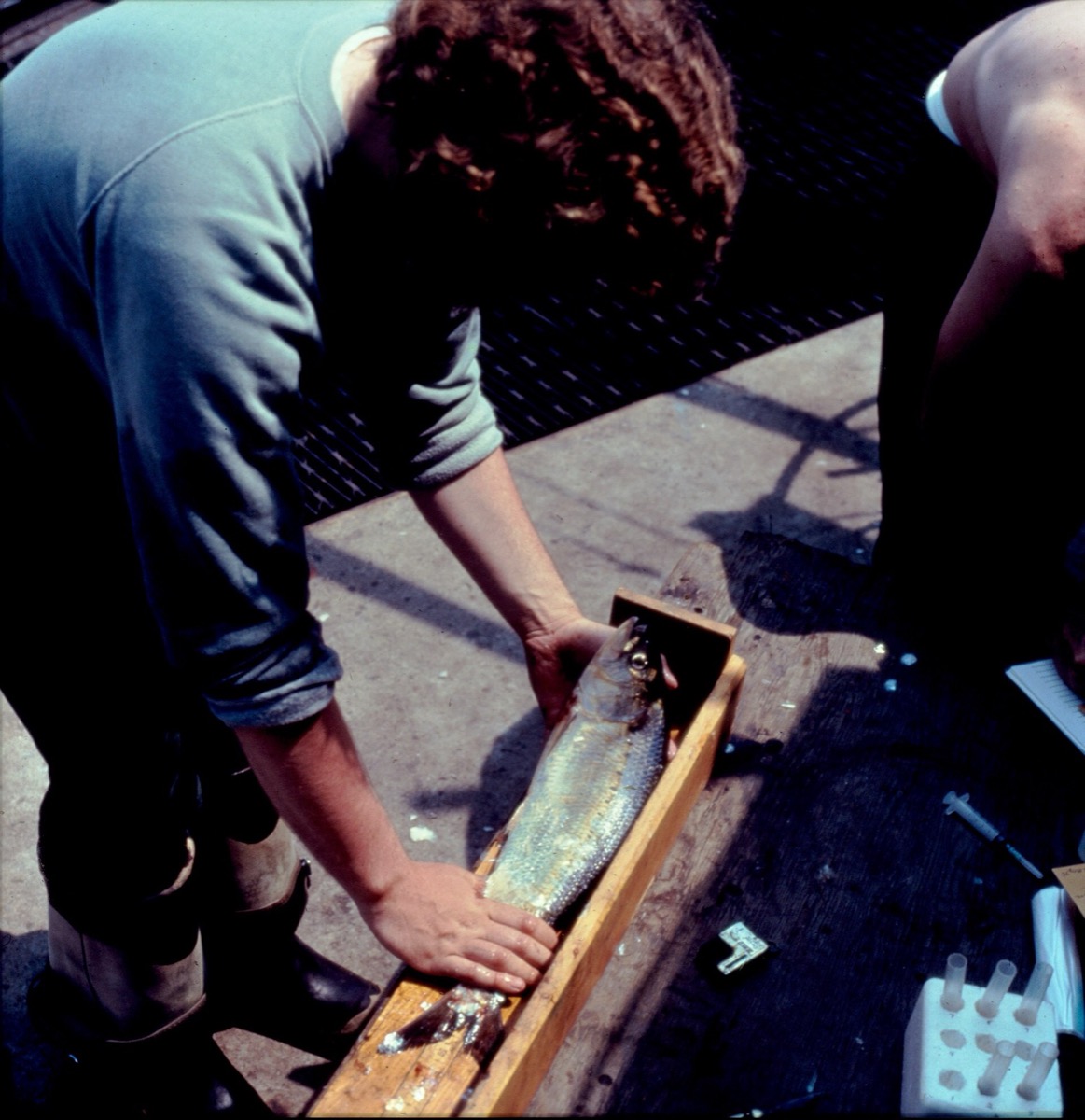
Each of these states has its own best fishing times page, with the feeding windows for every day of the week ahead.
Best fishing times for your ZIP
Runs, months, spawning temperatures, places and rules read October 13, 2026 from the state wildlife agency pages quoted on each state page, with the Pennsylvania Fish and Boat Commission and the U.S. Fish and Wildlife Service for a species figure where a state gives none. Water temperatures are the latest reading where a USGS gauge sits on the run’s river, fetched when the page opens; a run without one goes by the months. Rules change every year, so read the current regulations before you fish.