
Spring Bloom 2027: When Wildflowers Peak, State by State
An almanac date cannot tell you about the spring you are actually in, and a national spring index cannot tell you where the bluebonnets are. This puts the two together: a sourced bloom window for each state's signature flowers, shifted by how early or late spring has run there so far this year.
Is spring early or late where you are?
Enter a ZIP and this reads USA-NPN's Spring Index grid at that point, live, in your browser. It reports how many days ahead of or behind the 1991 to 2020 normal spring has run there so far this year. Northern ZIPs return nothing until roughly April, because the index requirement has not been met at that pixel yet, and the tool reports that rather than a zero.
The order spring arrives in
These are the 30-year normal dates on which USA-NPN's First Bloom Index fires at each state's reference points, which is as close to an objective spine for "when is spring" as exists. The spread from Louisiana to Maine is about 92 days. Individual flowers do not follow the index exactly, which is why each state page matches its species to the index that fits that species rather than to this one.
| State | First leaf | First bloom | Late bloom | Signature species |
|---|---|---|---|---|
| Louisiana | Jan 27 | Feb 22 | Apr 8 | Azalea |
| Texas | Feb 3 | Mar 5 | Apr 20 | Texas bluebonnet |
| Mississippi | Feb 7 | Mar 10 | Apr 23 | Flowering dogwood and eastern redbud |
| Alabama | Feb 7 | Mar 11 | Apr 24 | Azalea |
| Georgia | Feb 14 | Mar 20 | May 3 | Yoshino cherry |
| Oklahoma | Feb 21 | Mar 25 | May 6 | Eastern redbud |
| Arkansas | Feb 22 | Mar 27 | May 8 | Flowering dogwood |
| Rhode Island | Apr 1 | May 4 | Jun 8 | Daffodil |
| Connecticut | Apr 8 | May 8 | Jun 11 | Mountain laurel |
| Massachusetts | Apr 6 | May 9 | Jun 12 | Lilac |
| New York | Apr 10 | May 10 | Jun 11 | Lilac |
| New Hampshire | Apr 17 | May 16 | Jun 17 | Purple lilac |
| Vermont | Apr 19 | May 17 | Jun 17 | Apple blossom |
| Maine | Apr 25 | May 25 | Jun 26 | Bigleaf lupine |
Normal day of year on which each Extended Spring Index is met, averaged over the state's three reference points, from the 1991 to 2020 baseline grid. Source: USA National Phenology Network.
The blooms people actually travel for
14 of the 14 states have one bloom that dominates the question, and 3 have a named annual event built around it. Those are the pages worth reading before you book anything.
February and March
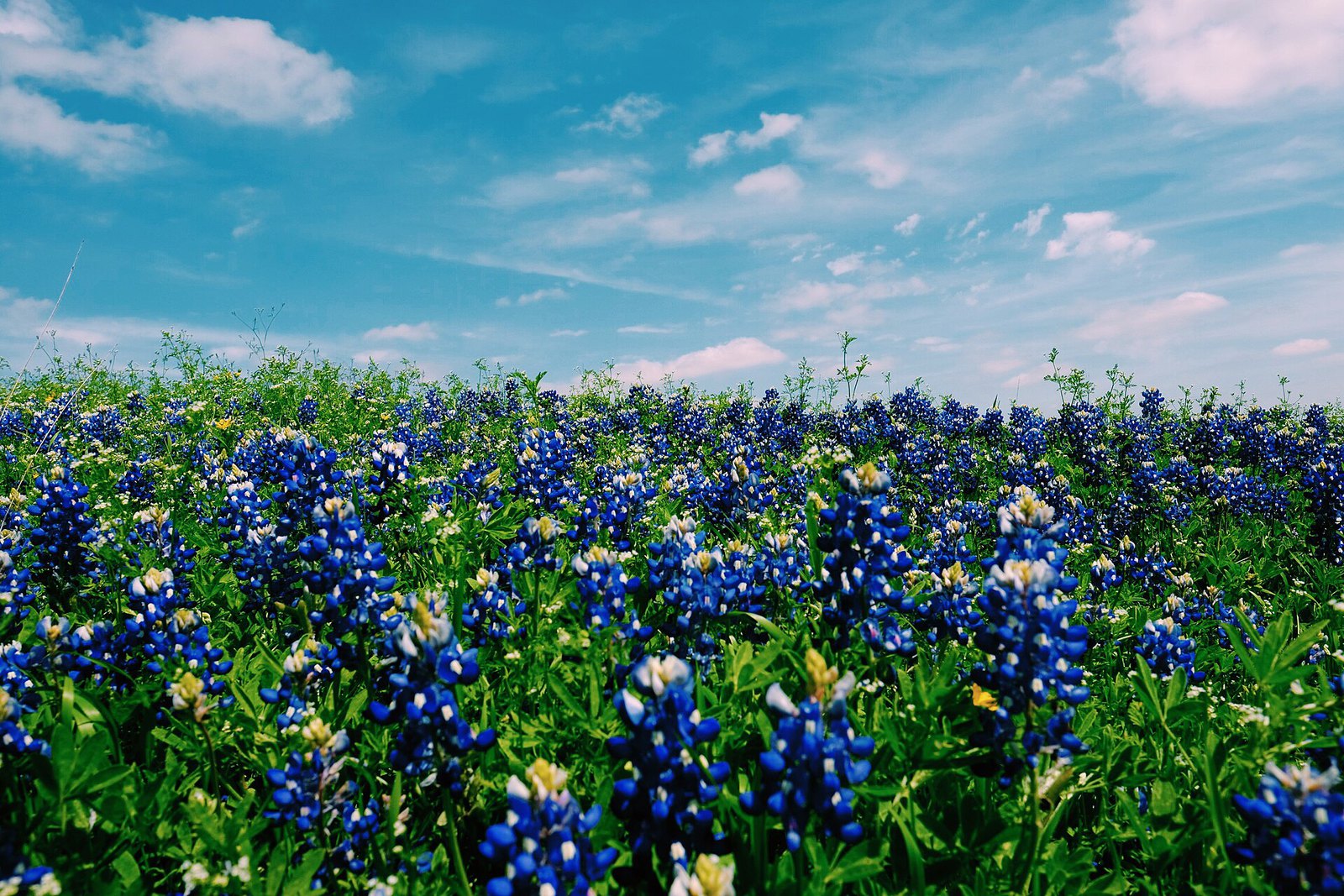
The desert Southwest and the Gulf run first. Big Bend bluebonnets open in February, six weeks and four hundred miles away from the Hill Country bloom people mean when they say bluebonnets. Louisiana and the lower South are into their first bloom index before most of the country has thawed.
April
The heaviest month. Texas Hill Country peaks, redbud and dogwood move up through the Southeast, and the California poppy display is on if the winter rain arrived. Most named wildflower festivals sit here.
May
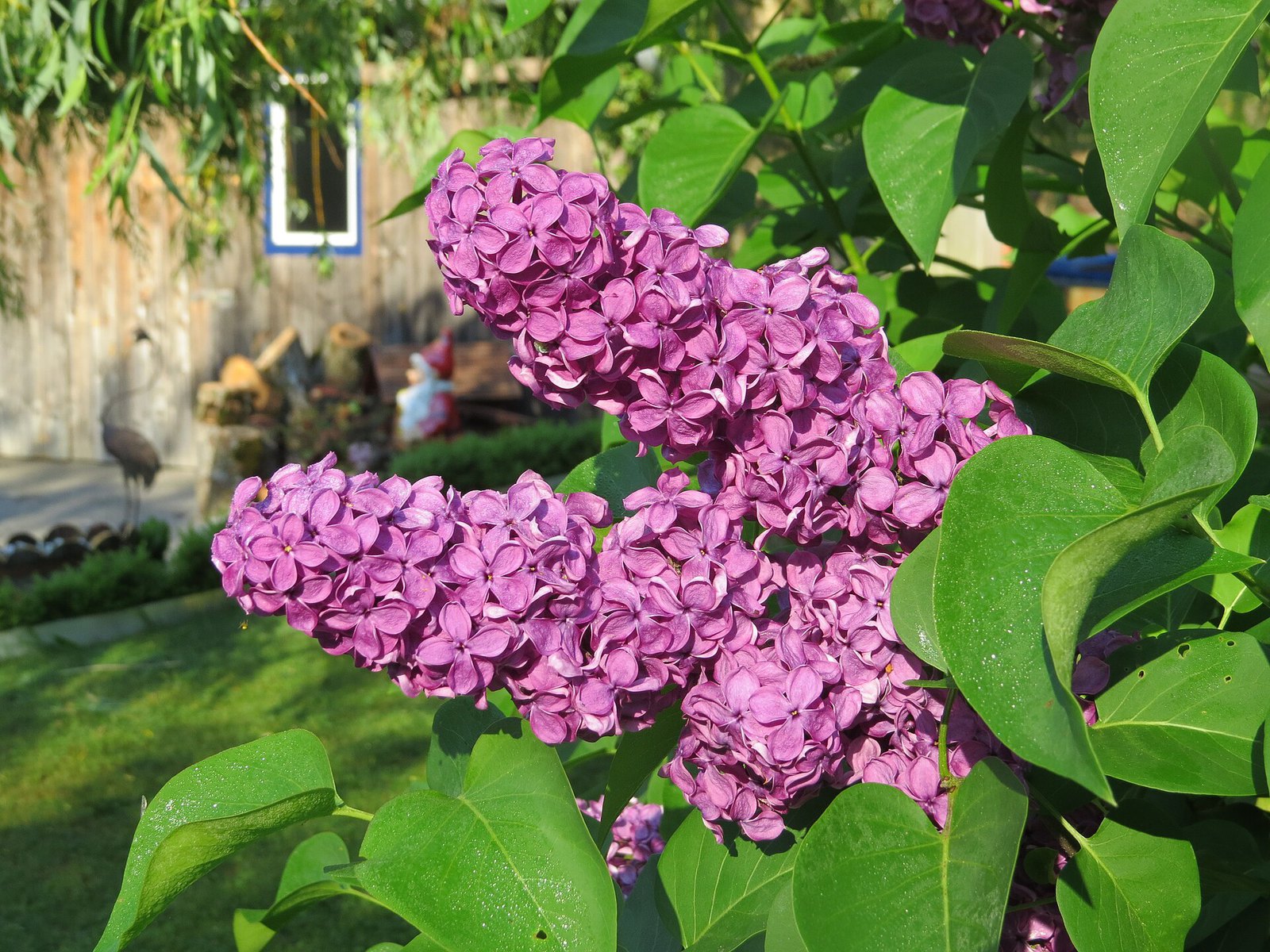
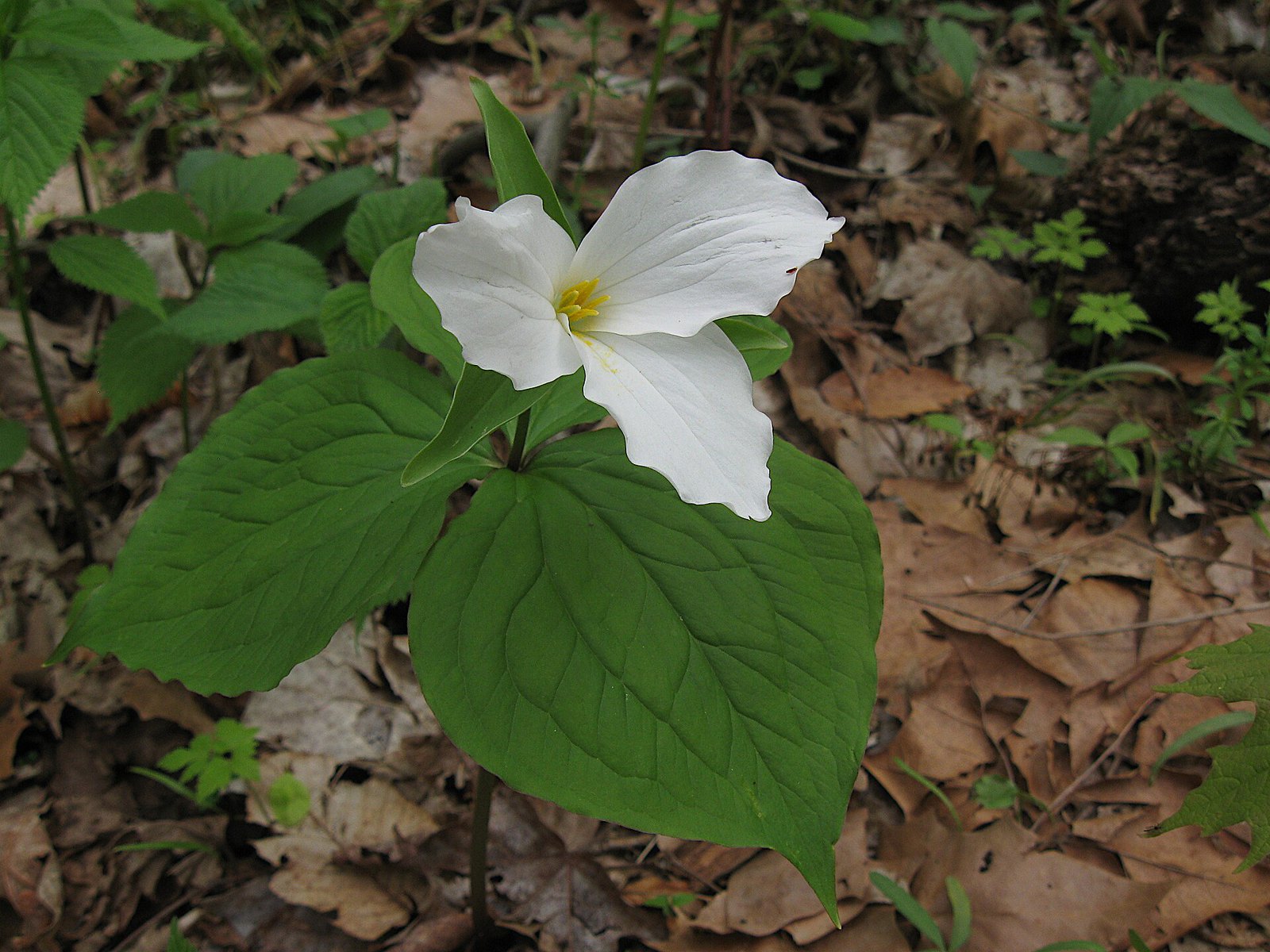
The Northeast and the Great Lakes take over. Lilac, trillium and orchard bloom run through the month, and the first bloom index does not fire in northern New England until the middle of it.
June and July
Alpine and far northern displays only. By the time Rocky Mountain tundra flowers open, the South has been finished for three months. This is why a single national bloom date is meaningless.
Two halves, and why neither works alone
The researched half. For each state, the flowers it is known for and the institution that publishes when they bloom, quoted on the page. Those windows are climatological typicals. They do not know what this particular year has done.
The measured half. USA-NPN's Extended Spring Indices are mathematical models that predict the start of spring at a particular location, run daily on a 4 km grid over the lower 48. Comparing this year against the 30-year normal gives an anomaly in days. That number is real, current and specific to your location, and almost nothing consumer-facing surfaces it.
Together. A typical peak date shifted by a measured anomaly is a better answer than either half. Neither is a forecast, and the shift is only applied in the half of the year when the anomaly refers to the spring ahead. Right now the pages are in retrospective mode, reporting the 2026 spring as it finished.
States without a page
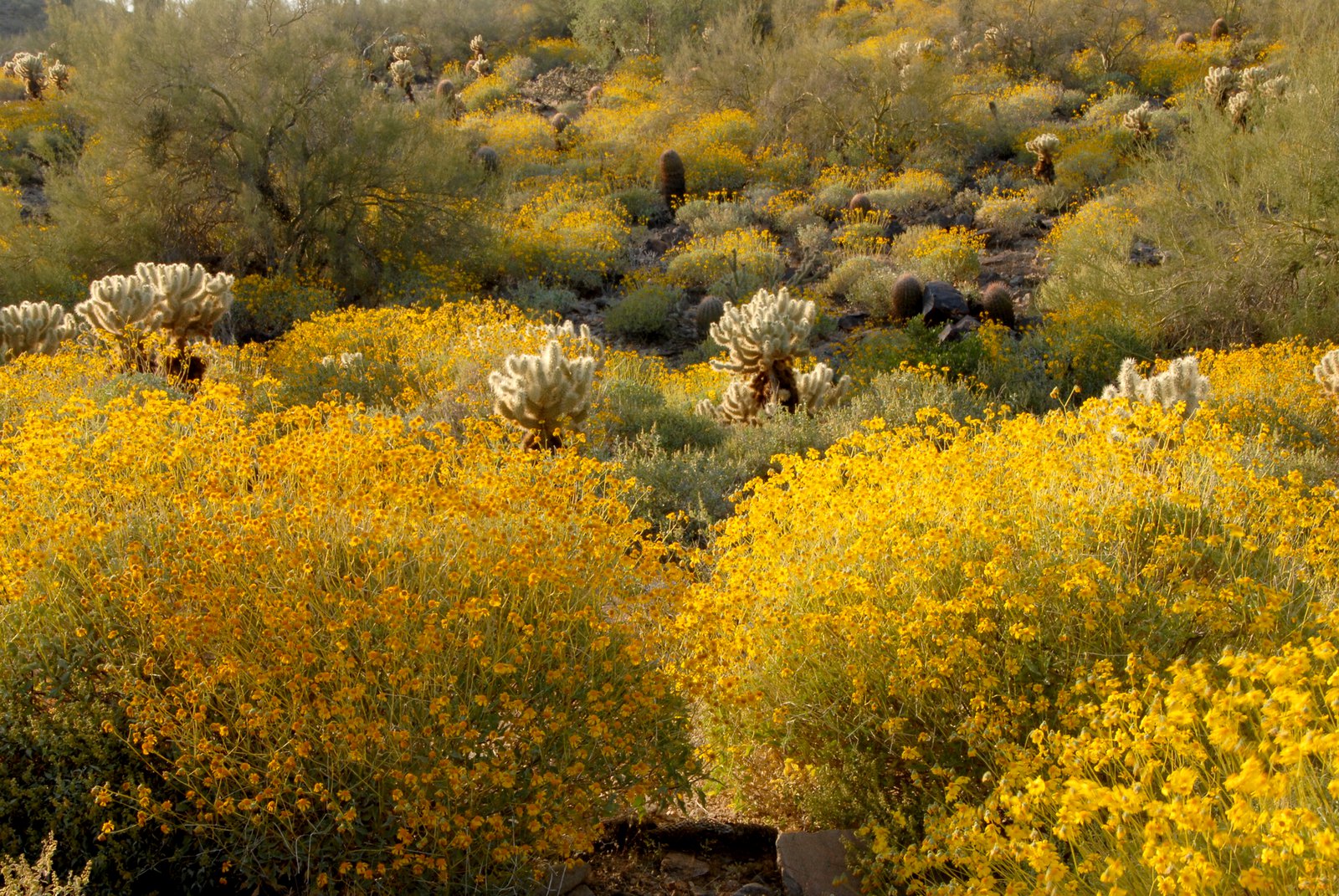
Two states are outside the Spring Index model entirely.
- Alaska. USA-NPN publishes current-year Spring Index layers for Alaska but no anomaly layer and no 30-year mean, so there is no normal to measure this spring against and no shift to apply.
- Hawaii. The Extended Spring Indices are a conterminous United States product and a point query over the islands returns no data at all. The models describe a temperate spring driven by accumulated warmth after a cold winter, which is not how the Hawaiian growing year works.
Species without a published window
Each of these is a flower a state is genuinely known for, with no citable institution putting months on it, so it carries no window here. A citable source for any of them belongs on the page.
- Hill Country mixed wildflower complex (Texas). Texas Parks and Wildlife names the species and the parks in its spring release but states no months anywhere on the page.
- Southern magnolia (Louisiana). The state flower, but no source found putting months on it, and in any case it is a late spring to early summer bloom rather than a travel bloom.
- Southern Indica azaleas (Mississippi). The thing Natchez is famous for. Mississippi State Extension covers the genus but never puts a month on this group's peak.
- Flowering dogwood (Georgia). University of Georgia Extension Bulletin C900 describes the tree and its habitat in detail and gives no bloom months.
- Wild lowbush blueberry (Maine). University of Maine Extension publishes a live phenology tracker but its explicit bloom dates are in PDF documents rather than on a quotable page.
- Apple blossom (New Hampshire). UNH Extension covers apple bloom in a PDF document; no quotable UNH page carries a bloom date.
- Shadbush (Massachusetts). Well attested regionally on native plant sites, absent from any state agency, extension or park service page found.
- Common blue violet (Rhode Island). The state flower. Its April to May window appears on symbol reference sites and on no Rhode Island DEM, URI Extension or wild plant society page.
- Apple blossom (New York). Cornell runs two fruit programmes covering the Hudson Valley and the Lake Ontario belt and neither publishes a bloom normal.
Spring bloom by state
Spring bloom, answered
The rest of the year
Spring bloom is the front half of a year we cover end to end: what is in season to forage, first and last frost dates, hummingbird migration, and autumn colour on the way back down.
Spring Index data: USA National Phenology Network, Extended Spring Indices (SI-x), usanpn.org (CC BY 4.0). Bloom windows are attributed on each state page to the institution that published them.