
First Frost 2026: When the Growing Season Ends, State by State
Every autumn the frost line marches from the Rockies and the northern border to the Gulf — three months, border to coast. Track your state’s typical first-freeze date against today, or jump straight to your ZIP code.
Frost dates for your ZIP code
Matched to the nearest of 150 NOAA reference stations. For the full tool with the season countdown, see the frost date lookup
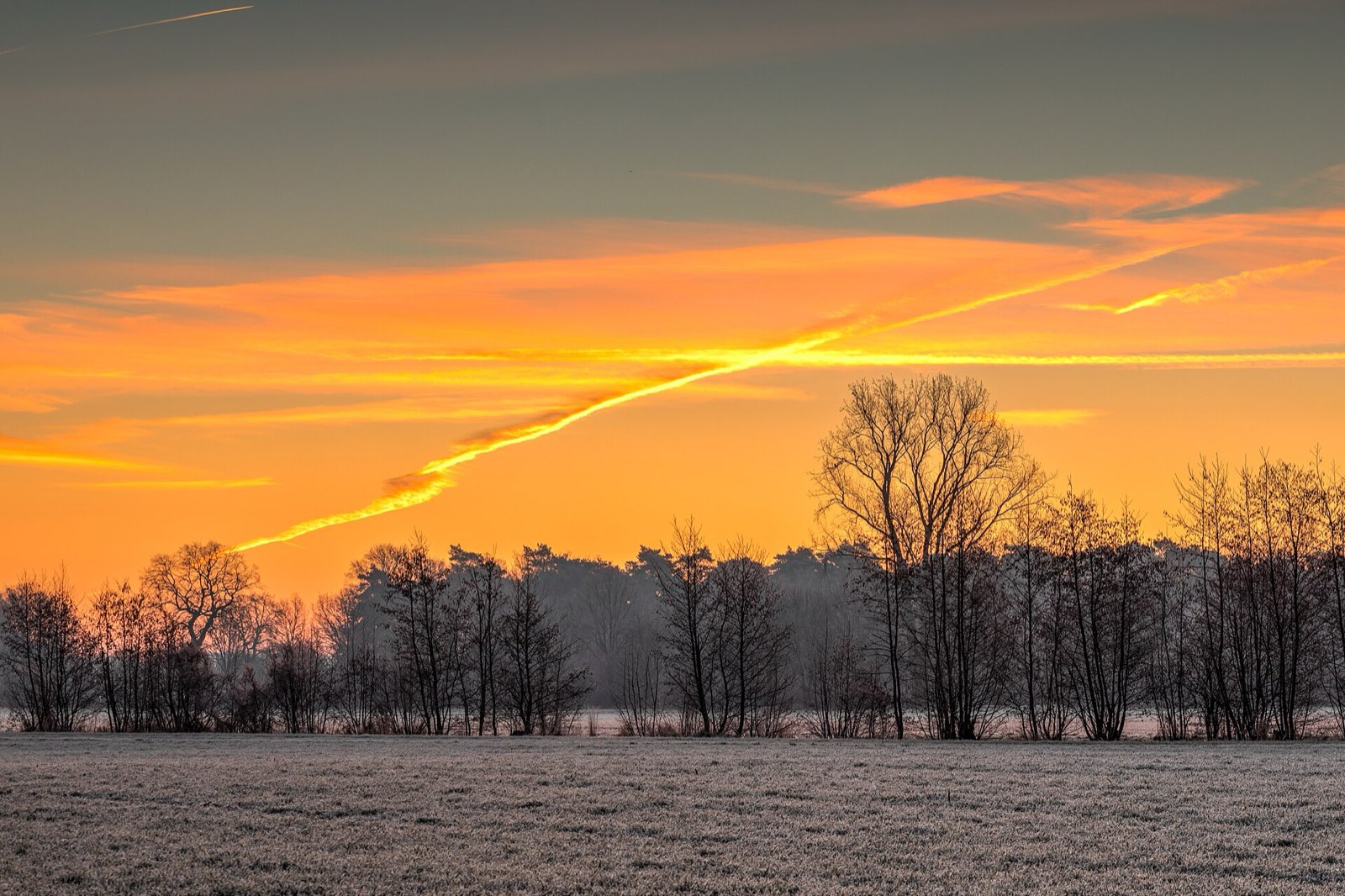
Typical first frost, every state A–Z
| State | Typical first frost | Typical last frost | Growing days | Status today |
|---|---|---|---|---|
| Alabama | November 10 | March 22 | ~230 | Weeks away |
| Alaska | September 5 | May 25 | ~105 | Frost season |
| Arizona | November 15 | February 25 | ~250 | Weeks away |
| Arkansas | October 30 | April 4 | ~210 | Weeks away |
| California | December 1 | February 15 | ~300 | Weeks away |
| Colorado | October 2 | May 12 | ~150 | Within ~3 weeks |
| Connecticut | October 14 | April 24 | ~175 | Within ~3 weeks |
| Delaware | October 28 | April 12 | ~200 | Weeks away |
| Florida | December 10 | February 10 | ~320 | Weeks away |
| Georgia | November 10 | March 25 | ~230 | Weeks away |
| Hawaii | Rarely freezes | — | Year-round | Frost-free |
| Idaho | September 28 | May 12 | ~145 | Within ~3 weeks |
| Illinois | October 16 | April 26 | ~175 | Within ~3 weeks |
| Indiana | October 16 | April 28 | ~175 | Within ~3 weeks |
| Iowa | October 10 | April 30 | ~160 | Within ~3 weeks |
| Kansas | October 20 | April 20 | ~185 | Weeks away |
| Kentucky | October 22 | April 18 | ~185 | Weeks away |
| Louisiana | November 26 | March 2 | ~270 | Weeks away |
| Maine | September 28 | May 12 | ~140 | Within ~3 weeks |
| Maryland | October 24 | April 16 | ~190 | Weeks away |
| Massachusetts | October 12 | April 26 | ~170 | Within ~3 weeks |
| Michigan | October 5 | May 12 | ~150 | Within ~3 weeks |
| Minnesota | September 26 | May 14 | ~135 | Frost season |
| Mississippi | November 10 | March 20 | ~235 | Weeks away |
| Missouri | October 22 | April 15 | ~190 | Weeks away |
| Montana | September 22 | May 20 | ~125 | Frost season |
| Nebraska | October 10 | May 2 | ~160 | Within ~3 weeks |
| Nevada | October 2 | May 10 | ~150 | Within ~3 weeks |
| New Hampshire | September 25 | May 15 | ~135 | Frost season |
| New Jersey | October 20 | April 18 | ~185 | Weeks away |
| New Mexico | October 15 | April 25 | ~175 | Within ~3 weeks |
| New York | October 5 | May 3 | ~155 | Within ~3 weeks |
| North Carolina | October 28 | April 12 | ~200 | Weeks away |
| North Dakota | September 22 | May 18 | ~125 | Frost season |
| Ohio | October 16 | May 1 | ~170 | Within ~3 weeks |
| Oklahoma | November 1 | April 5 | ~210 | Weeks away |
| Oregon | October 28 | April 15 | ~195 | Weeks away |
| Pennsylvania | October 10 | April 30 | ~165 | Within ~3 weeks |
| Rhode Island | October 18 | April 20 | ~180 | Within ~3 weeks |
| South Carolina | November 12 | March 24 | ~230 | Weeks away |
| South Dakota | September 30 | May 10 | ~140 | Within ~3 weeks |
| Tennessee | October 26 | April 12 | ~195 | Weeks away |
| Texas | November 20 | March 5 | ~260 | Weeks away |
| Utah | October 8 | May 2 | ~160 | Within ~3 weeks |
| Vermont | September 24 | May 16 | ~130 | Frost season |
| Virginia | October 25 | April 15 | ~190 | Weeks away |
| Washington | October 28 | April 12 | ~200 | Weeks away |
| West Virginia | October 12 | May 1 | ~160 | Within ~3 weeks |
| Wisconsin | October 2 | May 12 | ~145 | Within ~3 weeks |
| Wyoming | September 20 | May 26 | ~115 | Frost season |
Two kinds of frost — and why it matters for your garden
Radiation frost — the sneaky one
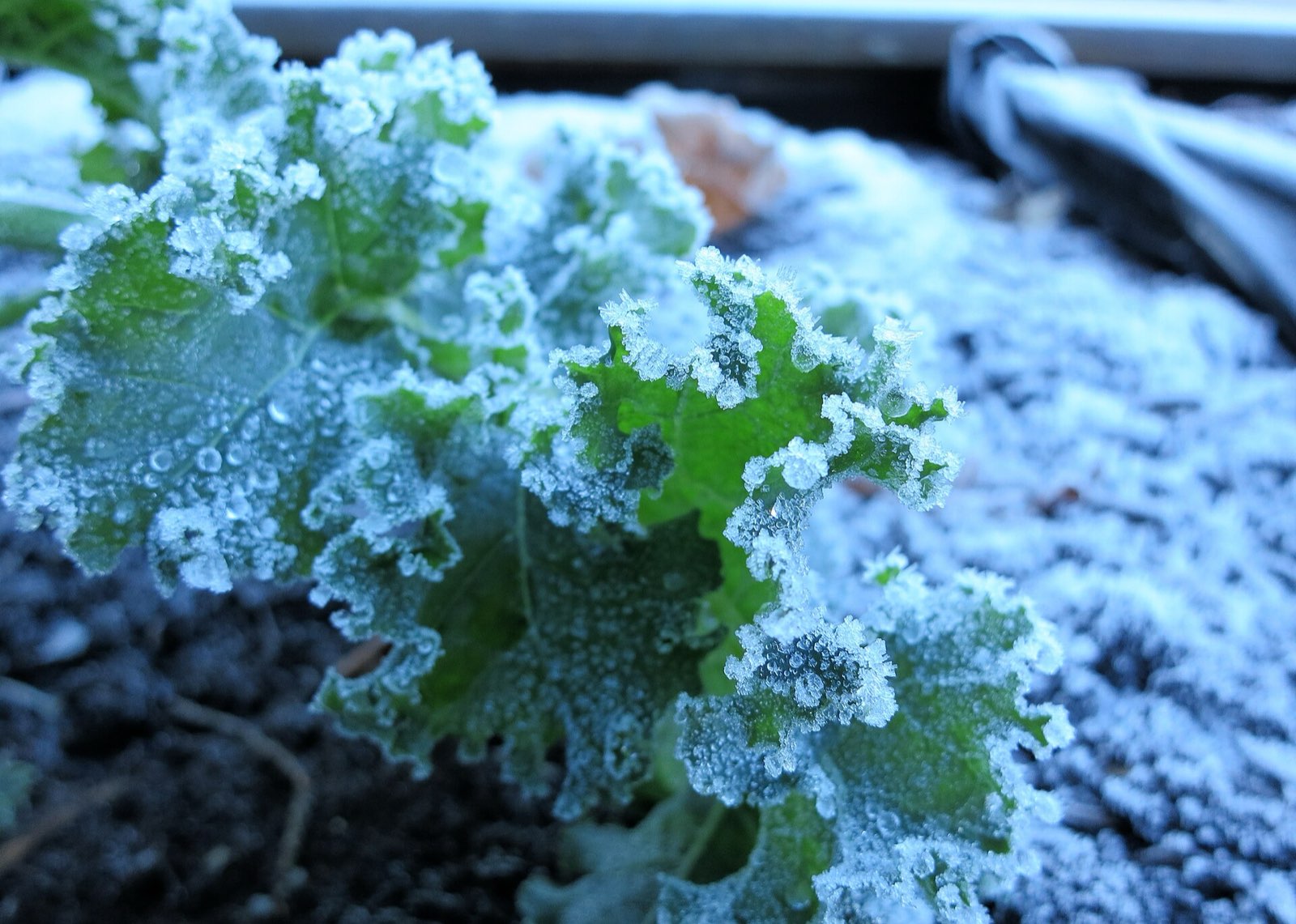
Clear, calm night: the ground radiates heat to space and the surface drops below the air temperature — frost can form with the thermometer reading 36–37°F. This is the classic first frost, it pools in low spots, and a bedsheet genuinely defeats it.
Advective freeze — the door-slammer
A cold air mass arrives on wind. No microclimate escapes, covers buy only a degree or two, and the growing season ends everywhere at once. Watch for it behind strong autumn cold fronts — the forecast will say "hard freeze warning."
Your yard has microclimates
Cold air drains downhill like water: valley floors and fence-bottomed yards frost a week early, while south-facing walls, urban cores, and lakeshores run weeks late. Learn which one you garden in and shift the median date accordingly.
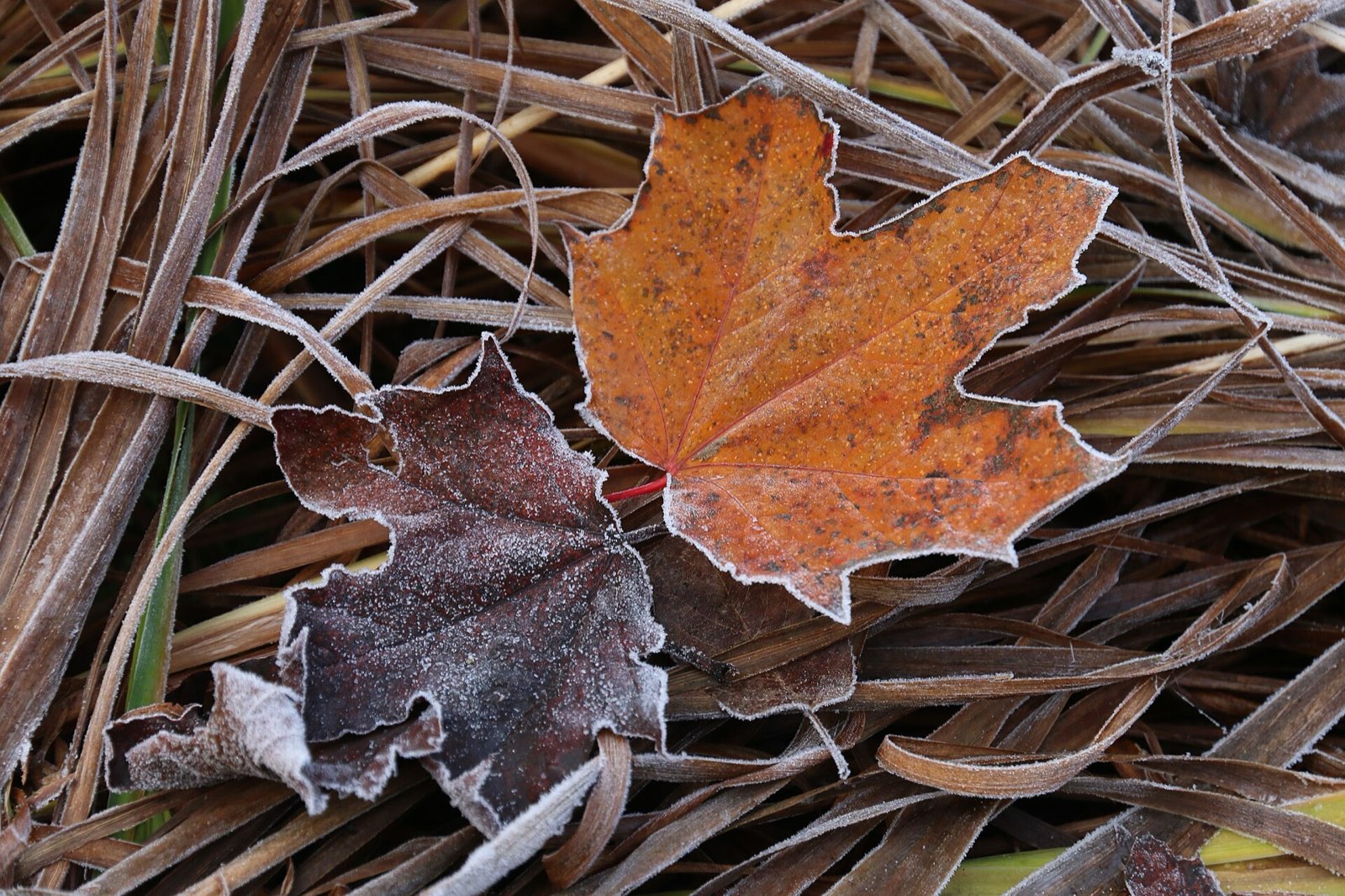
How to use a median frost date
Median = 50/50
Half of years have frosted by the median date. It’s the planning anchor, not a guarantee — treat it like a coin that gets heavier every day past it.
Fall vs. spring rules differ
In fall, act before the median — harvest tender crops as it approaches. In spring, plant tender annuals after the late date, not the median.
Your yard isn’t the airport
Stations sit in open, ventilated spots. Low-lying yards frost a week earlier; urban balconies and lakeshores can run a month later. Adjust for your microclimate.
First frost FAQ
Dates are median 32°F freeze approximations from NOAA 1991–2020 climate normals. Related planning: fall foliage forecast (color usually beats frost by ~2 weeks) and tick forecast (tick season runs until a hard freeze).