
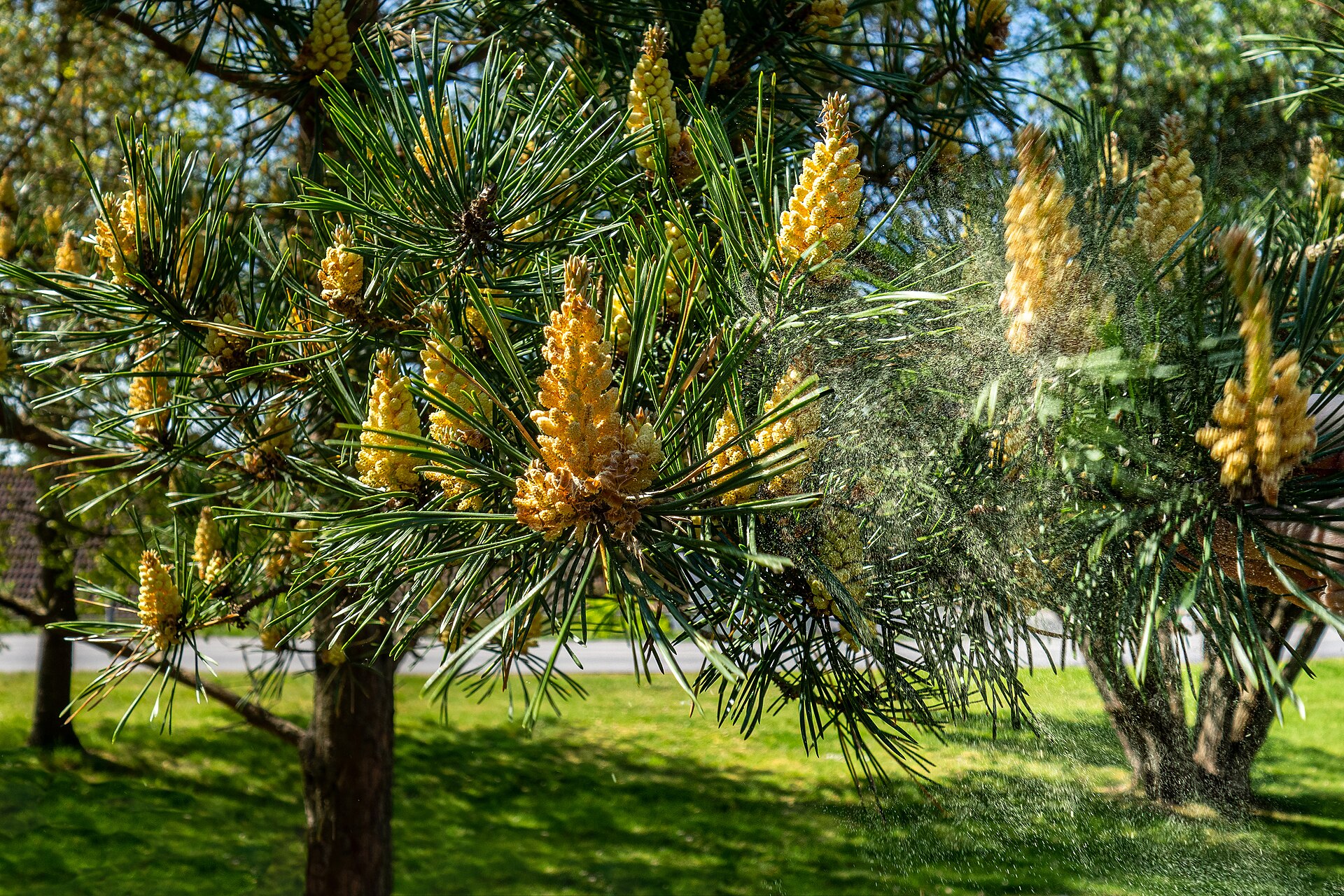
Pollen Calendar 2026: What Pollinates When
Species by species season windows for all 50 states, from extension services and state agencies, with ragweed end dates derived from first frost.
Mid October: 26 of 50 state calendars have at least one tracked species in season. Pick your state below for its months.The national arc: trees, then grasses, then weeds
ACAAI, quoted verbatimThe order is national; the months are local. Central Texas runs its heaviest tree season in January, Alaska’s birch peak lands in May, and the ragweed end is a different frost date in every state.
State pollen calendars, with what leads them
Each page carries a species-by-month calendar, the sources behind every window, the derived ragweed end, and, in the lower 48, a live reading of whether spring tree season is running early or late this year.
Northeast
Southeast
Midwest
Rockies
Southwest
West
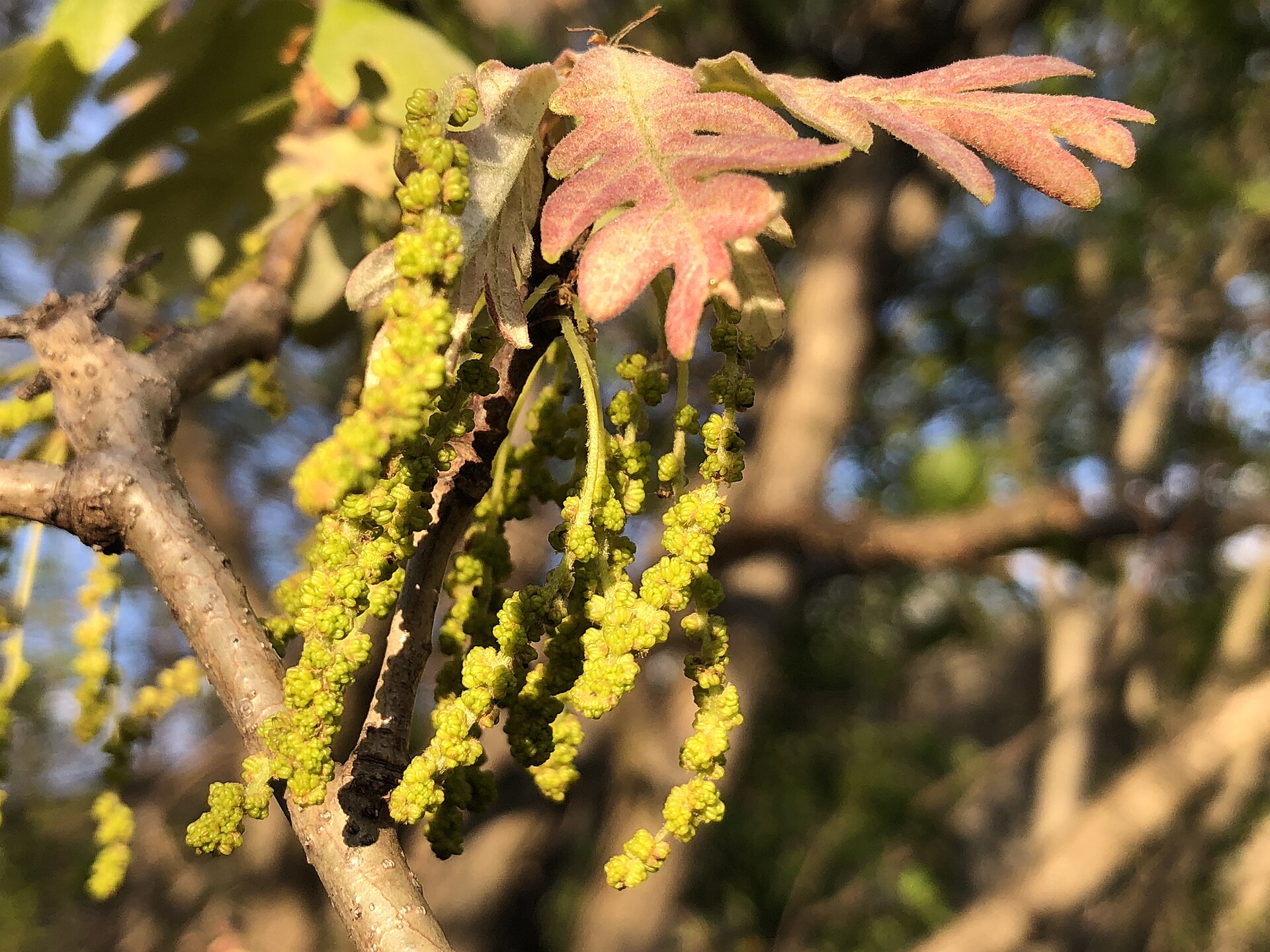
Ragweed season ends at first frost, state by state
The US EPA’s ragweed indicator documentation is explicit that the season “ends in response to cold weather in the fall (i.e., first frost)”. So the end date is not botany trivia, it is arithmetic: take each state’s median first fall frost from the NOAA 1991 to 2020 normals and you have the typical close of weed season. The table below is computed here from those normals. The dates are medians: half of years frost earlier, half later.
| State | Fall weed | Season starts | Derived end (median first frost) |
|---|---|---|---|
| Alabama | Ragweed | August 20 | November 10 |
| Arkansas | Ragweed | July 1 | October 30 |
| California | Ragweed | August 15 | December 1 |
| Colorado | Ragweed and other weeds | August 15 | October 2 |
| Connecticut | Ragweed | August 1 | October 14 |
| Delaware | Ragweed | August 1 | October 28 |
| Florida | Ragweed | August 1 | December 10 |
| Georgia | Ragweed | August 15 | November 10 |
| Idaho | Sagebrush | August 15 | September 28 |
| Illinois | Ragweed | August 15 | October 16 |
| Indiana | Ragweed | August 15 | October 16 |
| Iowa | Ragweed | August 15 | October 10 |
| Kansas | Common ragweed | August 15 | October 20 |
| Kentucky | Ragweed | August 1 | October 22 |
| Louisiana | Ragweed | August 15 | November 26 |
| Maine | Ragweed | July 1 | September 28 |
| Maryland | Ragweed | August 1 | October 24 |
| Massachusetts | Ragweed | August 1 | October 12 |
| Michigan | Ragweed | August 15 | October 5 |
| Minnesota | Ragweed | August 1 | September 26 |
| Mississippi | Ragweed | August 20 | November 10 |
| Missouri | Ragweed | August 15 | October 22 |
| Montana | Big sagebrush | August 1 | September 22 |
| Nebraska | Western ragweed | July 1 | October 10 |
| Nevada | Big sagebrush | August 1 | October 2 |
| New Hampshire | Ragweed | August 20 | September 25 |
| New Jersey | Ragweed | August 21 | October 20 |
| New Mexico | Ragweed | August 15 | October 15 |
| New York | Ragweed | August 1 | October 5 |
| North Carolina | Ragweed | August 1 | October 28 |
| North Dakota | Common ragweed | August 1 | September 22 |
| Ohio | Ragweed | August 15 | October 16 |
| Oklahoma | Ragweed | August 15 | November 1 |
| Pennsylvania | Ragweed | August 1 | October 10 |
| Rhode Island | Ragweed | August 1 | October 18 |
| South Carolina | Ragweed | August 20 | November 12 |
| South Dakota | Ragweed | August 1 | September 30 |
| Tennessee | Ragweed | August 20 | October 26 |
| Texas | Ragweed | August 15 | November 20 |
| Utah | Big sagebrush | August 1 | October 8 |
| Vermont | Ragweed | August 1 | September 24 |
| Virginia | Ragweed | August 1 | October 25 |
| West Virginia | Ragweed | August 1 | October 12 |
| Wisconsin | Common ragweed | August 1 | October 2 |
| Wyoming | Big sagebrush | August 1 | September 20 |
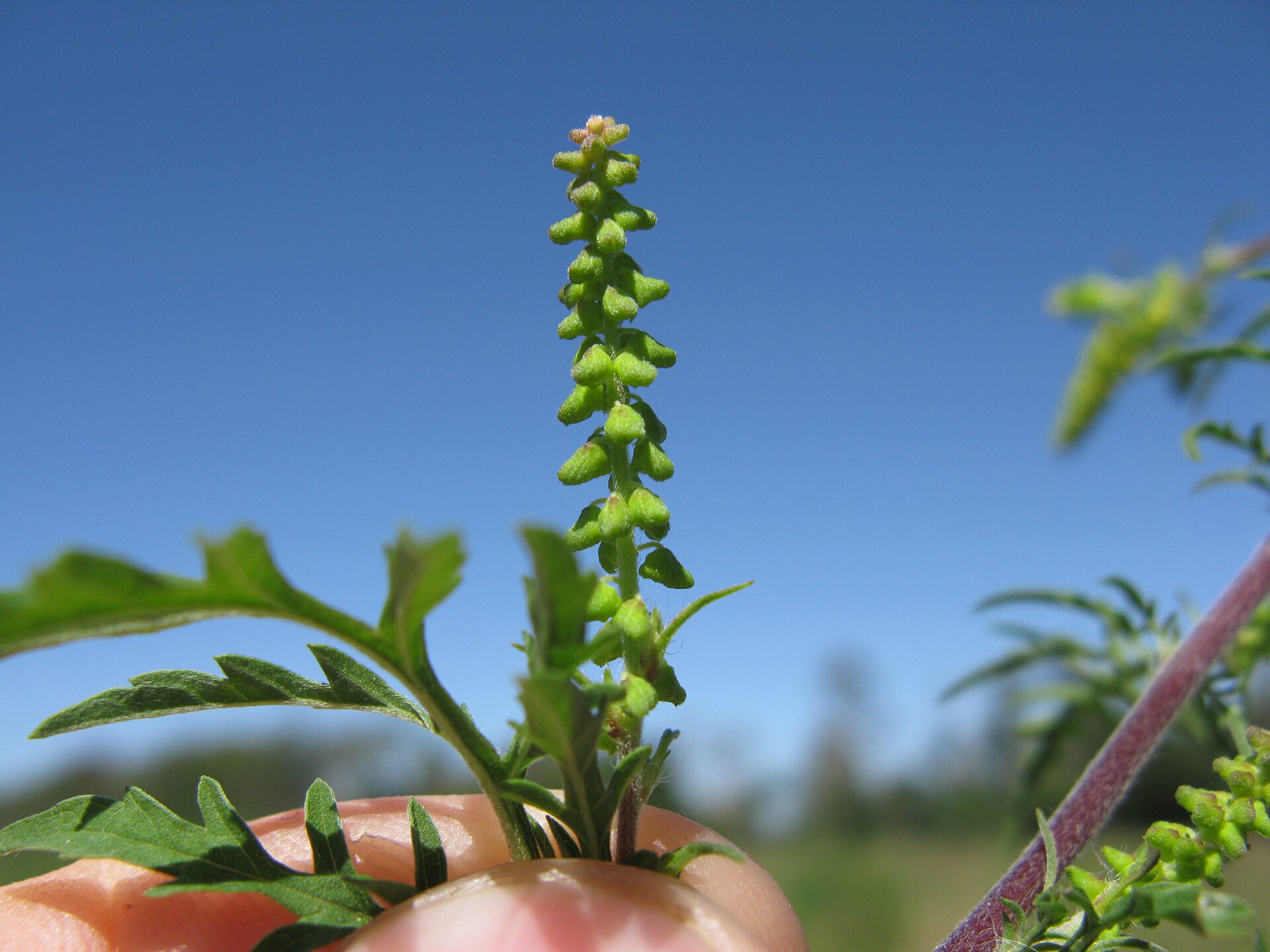
Winter cedar, May birch, and the long southern year
Cedar fever, Texas and Oklahoma
Texas A&M AgriLife: pollen from mid December, a mid January peak, tapering toward the beginning of March. The heaviest tree pollen season in the country lands in winter, west of Interstate 35.
Birch, far north
In Alaska and the northern tier the tree season compresses into a short, intense spring window led by birch, weeks after the Gulf states have already finished with oak.
The long southern grass year
Bermuda grass and its relatives flower across a much longer stretch of the southern calendar than the classic June grass peak up north, and Hawaii’s grasses barely observe a season at all.
Pollen calendar FAQ
Season windows are climatological typicals attributed on each state page to the institution that published them. Frost-derived weed season ends are computed by us from NOAA 1991 to 2020 median first frost dates and labelled as derived; the frost link is documented in the US EPA’s ragweed pollen indicator technical documentation. Spring Index anomalies come from the USA National Phenology Network (www.usanpn.org, CC BY 4.0) and are a labelled proxy for spring tree pollen timing, not a forecast. Daily pollen counts are produced by National Allergy Bureau stations (pollen.aaaai.org), linked from these pages. Health guidance here is the allergy societies’, quoted.