Skip to content

Vermont Pollen Calendar: Season by Species

Birch runs March 25 to May 31. Below: every tracked species, its months, and who published them.

Birch pollen typically runs March 25 to May 31 here. In October, the calendar has none of the tracked species in season.
Birch season
Mar 25 to May 31
In season this October
0
Sourced windows
3

Where the Vermont pollen year stands

Climatological windows, resolved against today
quiet
groups in season, mid October
no tracked species in window
Mar 25 to May 31
birch season
per Vermont Department of Health (Environmental Public Health Tracking)
September 24
median first frost
the date that ends ragweed season here (derived)

The Vermont Department of Health Pollen Tracker publishes tree, grass and weed pollen counts for Vermont, built on counts collected since 2009 (https://www.healthvermont.gov/environment/tracking/data-tracking-action, fetched 2026-08-27).

The calendar

What pollinates when in Vermont

Every bar is a sourced season window; the institution and sentence behind each one are printed in the species cards below. Bars marked ❄ end at Vermont’s median first frost, a date we compute from NOAA normals rather than copy from a source, because frost is what physically stops frost-tender weeds like ragweed.

BirchTreeMarch 25 to May 31
GrassesGrassMay 15 to June 30
RagweedWeedAugust 1 to September 24 ❄ derived
trees grasses weeds today❄ end derived from median first frost

Windows are climatological typicals for Vermont as published by the sources on this page. They say when a season normally runs, not how strong any given day is.

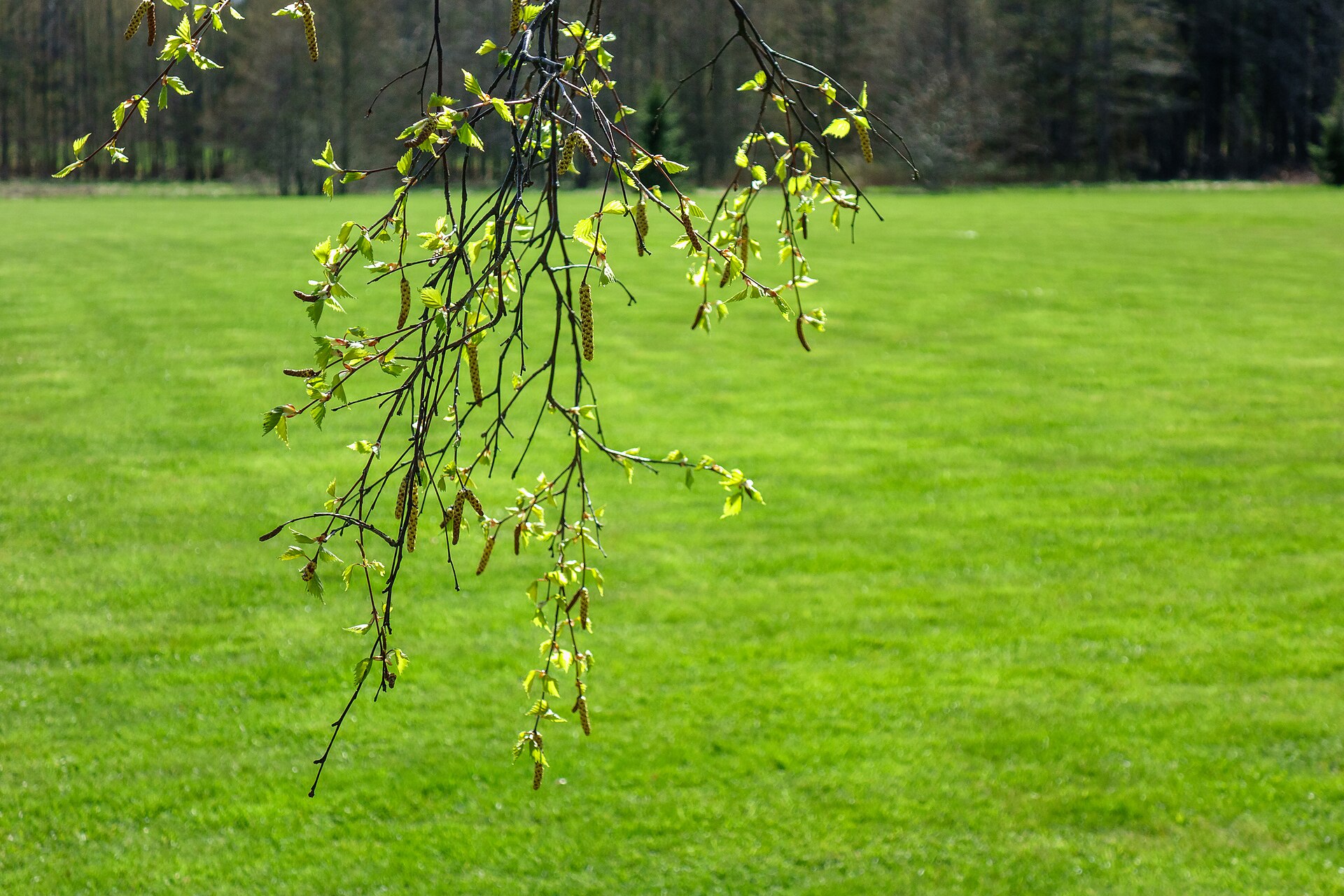
Birch branch with hanging catkins and fresh spring leaves over a green field
The species that leads a state’s calendar decides when its worst weeks land, which is why every state page opens with different months. “New leaves and catkins on a birch at Mystigen 2” by W.carter, CC BY-SA 4.0
Advertisement
Species by species

The windows, with their sources

Each card shows the months, the institution that published them, and the verbatim sentence the window came from. Where a date is computed by us rather than published, the card says so in as many words.

BirchTree

Betula spp.

March 25 to May 31

The source puts the peak around May 15.

“Tree pollen season tends to begin in late March or early April and peaks in May.”

Vermont Department of Health (Environmental Public Health Tracking)

Window is the state Pollen Tracker total tree pollen season, not birch alone; birch and oak are named the most allergenic spring tree pollens regionally by Dartmouth Health (https://www.dartmouth-health.org/articles/pollen-really-worse-year, fetched 2026-08-27). End date approximated at the sourced May peak.
GrassesGrass

Poaceae

May 15 to June 30

The source puts the peak around June 15.

“Grass pollen season tends to begin in mid-May and peak in June.”

Vermont Department of Health (Environmental Public Health Tracking)

Source gives the start and the peak only; end set at the sourced June peak month. Regional reporting from Dartmouth Health has the grass season tail extending into July.

RagweedWeed

Ambrosia artemisiifolia

August 1 to September 24 ❄ end derived from median first frost

The source puts the peak around August 25.

“There is a small increase in weed pollen in late May and early June, while the season peaks in late August.”

Vermont Department of Health (Environmental Public Health Tracking) · end date computed by us from NOAA 1991 to 2020 frost normals, not published by the source

Quote is for total weed pollen from the state Pollen Tracker; ragweed is the dominant fall weed allergen regionally per Dartmouth Health. Start set at the beginning of the sourced late August peak month; season end computed from first frost.

What the allergy bodies say, in their words. AAAAI: “Seasonal allergic rhinitis is often caused by tree pollen in the early spring. During the late spring and early summer, grass pollen often cause symptoms. Late summer and fall hay fever is caused by weed pollen.” ACAAI: “Tree pollination begins earliest in the year followed by grass pollination later in the spring and summer and ragweed in the late summer and fall.” For anything about symptoms or treatment, see a clinician.

The frost connection

Why ragweed season in Vermont ends on a frost date

Ragweed is a short-day annual: it starts shedding pollen as days shorten in late summer and keeps going until cold kills it. The US EPA’s technical documentation for its ragweed pollen indicator puts it plainly: the season “ends in response to cold weather in the fall (i.e., first frost)”, and ragweed “will not continue flowering once temperatures dip below freezing.” EPA’s own analysis truncates every station’s ragweed season at the first fall frost.

This page derives the end date from that rule: Vermont's median first fall frost is September 24 (NOAA 1991 to 2020 normals, the same number our first frost pages publish), and that is the derived end date on the ragweed bar above. It is a median: about half of years frost earlier, half later, and EPA's indicator work shows fall frosts arriving later than they used to across the northern states, which is exactly why ragweed seasons have been getting longer.

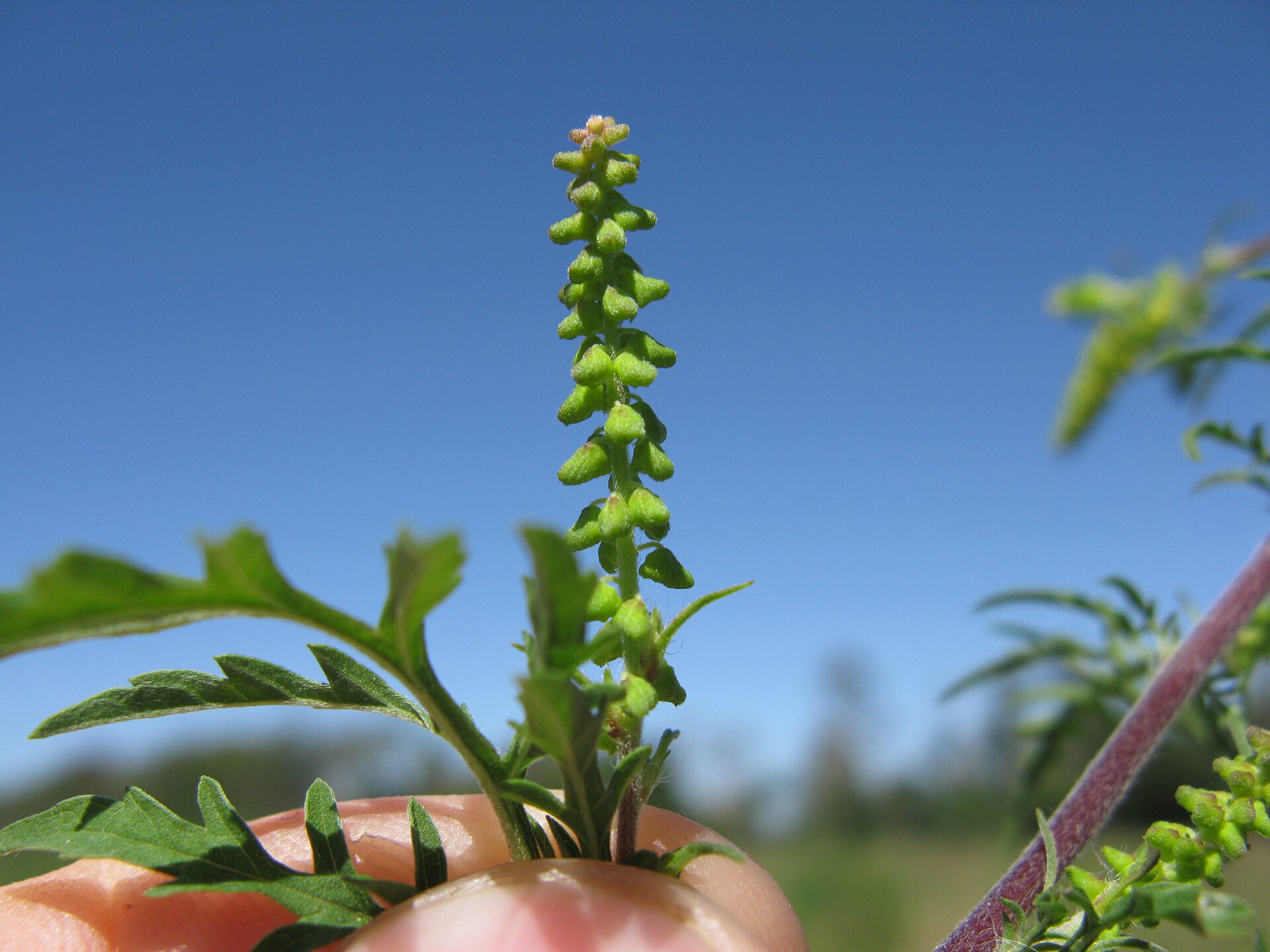
Common ragweed flower spike held upright against a clear blue sky
Common ragweed in flower. Each spike sheds wind-borne pollen from late summer until the plant is killed by freezing temperatures, which is why the end of its season is a frost statistic rather than a botany fact. “Ambrosia artemisiifolia flowerhead7” by Harry Rose, CC BY 2.0
Live proxy · USA-NPN

Is tree season running early or late in Vermont?

USA-NPN’s Extended Spring Indices measure how early or late spring leaf-out and bloom are running against the 1991 to 2020 normal. The index knows nothing about pollen; it tracks cloned lilacs and honeysuckles. But wind-pollinated trees flower in the same early-spring window it measures, so it is a usable, clearly labelled proxy for whether Vermont’s tree pollen season is ahead of or behind schedule this year.

First Leaf Index
…
Leaf-out of lilacs and honeysuckles, the earliest woody plants to break bud.
First Bloom Index
…
Flowering of lilacs and honeysuckles, which USA-NPN associates with blooming of early-spring shrubs and leaf out of deciduous trees.
What this is
A proxy, stated as one. The index tracks lilac and honeysuckle leaf-out and bloom, not pollen. Wind-pollinated trees flower in the same early-spring window, so an early index spring usually means an early tree pollen season. It says nothing about grass or ragweed.

The live grid currently holds the finished spring of 2026, shown as history. Tree windows above are not shifted by it; readings for the coming spring start filling in from late January.

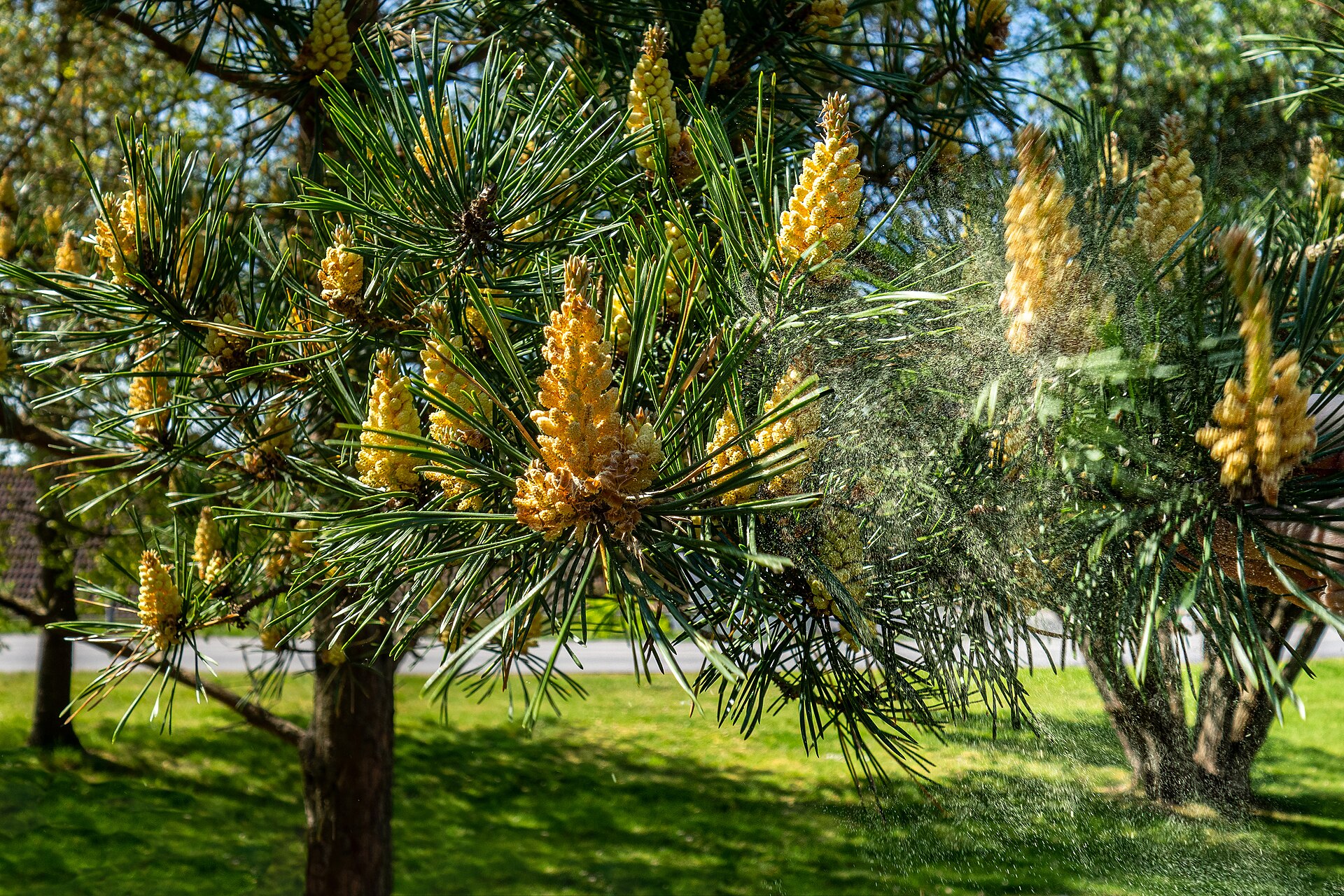
Pine branch with yellow pollen cones releasing a visible cloud of pollen into the wind
A pine shedding pollen into the wind. Wind-pollinated trees release enormous quantities because almost none of it lands on another flower, which is also why it lands on everything else. “Pine releasing pollen into the wind in Tuntorp 1” by W.carter, CC BY-SA 4.0
How this page is built

A calendar, not a count

Sourced windows

Every season window names the extension service, agency or university that published it, with the sentence quoted on the card. Where nobody publishes a window, the page says so instead of inventing one.

Derived ragweed ends

Weed bars marked with the frost symbol end on the state’s median first frost, computed from NOAA 1991 to 2020 normals and labelled as derived, on the strength of EPA’s ragweed indicator documentation.

A labelled proxy, not a forecast

The Spring Index anomaly is a measurement of the spring that has already run. It shifts nothing except spring tree windows, and only while the year’s spring is actually in progress.

No counts, by design

Daily counts belong to the certified counting stations of the National Allergy Bureau, and search engines already print them. This site publishes the part nobody prints: the calendar.

Common questions

Vermont pollen season FAQ

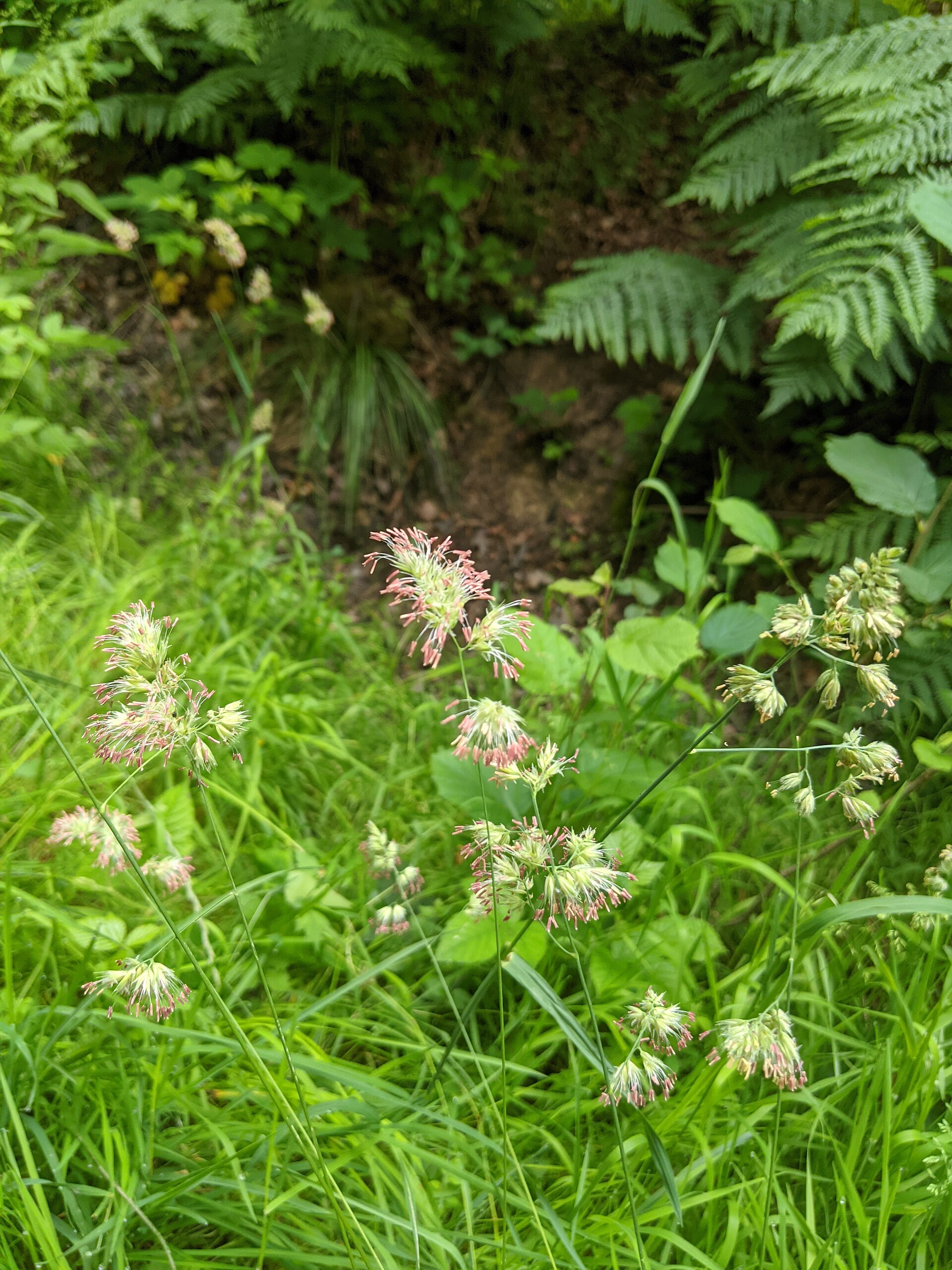
Orchard grass flower heads with pink anthers spread for wind pollination
Orchard grass in flower, anthers out. Grass pollen is the midsummer act of the calendar almost everywhere, and a lawn kept mowed never reaches this stage, which is the whole connection to the mowing schedule. “Dactylis glomerata - Pink with pollen” by Bob Harvey, CC BY-SA 2.0
The rest of the Vermont calendar

Plan around the Vermont seasons

More Northeast pollen calendars

Advertisement

Season windows are climatological typicals, each attributed on its card to the institution that published it, with the supporting sentence quoted. Frost-derived weed season ends are computed by us from NOAA 1991 to 2020 median first frost dates and labelled as derived wherever they appear; the frost link is documented by the US EPA’s ragweed pollen indicator technical documentation. Spring Index anomalies are read live in your browser from the USA National Phenology Network (www.usanpn.org, CC BY 4.0) and shown as a labelled proxy for spring tree pollen timing. National picture: every state’s pollen calendar →
Hero image: “New leaves and catkins on a birch at Mystigen 2” by W.carter, CC BY-SA 4.0