
BearWise and 42 state wildlife agencies
When Do Bears Hibernate? Den and Feeder Dates by State
Bears in 42 states go into their dens between October and January and come out between March and May. Pick a state for its own dates, and the day its wildlife agency says the bird feeder can go back up.
Or your town or ZIP code
Today, October 13
New Hampshire
The bears
Fattening upNew Hampshire bears are feeding hard before winter, and go into their dens between mid October and November.
Bird feeders
Keep feeders down until December 1
New Hampshire Fish and Game gives December 1 as the day feeders can go back up.
- Down
- April 1
- Back up
- December 1
Photo: “Black bear on a snowy spring day”, Neal Herbert, National Park Service, Public domain
Where the bears are today
42 states with resident bears, October 13Fattening up is the two months before the first bears den, when they eat hardest. Denning now runs from the first den entries to the last; in the den, from the last entry to the first waking; waking up, until the last bears are out.
The den and feeder calendar
When bears go into their dens and come out in each of the 42 states, in the state wildlife agency’s own months, and when bird feeders come down in spring and go back up in winter. Where bears den late and wake early, the row reads the other way: up in winter, down again a few weeks later. Pick a state for the quoted sentences behind its row.
| State | Into the den | Out of the den | Feeders down | Feeders back up |
|---|---|---|---|---|
| Alabama | November to early Januaryper Louisiana Wildlife and Fisheries | March to Aprilper Louisiana Wildlife and Fisheries | Take feeders down when bears show up | |
| Alaska | Early November | Mid March | Mid March | November 1 |
| Arizona | Early November | Early April | Early April | Early December |
| Arkansas | October to Novemberper Missouri Conservation | Late March | Late March | Early December |
| California | November to December | March to May | Up in early January, down again in early MarchAbout eight weeks a year | |
| Colorado | Early November | Mid March | Mid March | Early December |
| Connecticut | Late November | Mid March | Keep feeders down all year | |
| Florida | November to early Januaryper Louisiana Wildlife and Fisheries | March to Aprilper Louisiana Wildlife and Fisheries | Keep feeders down where bears are | |
| Georgia | November to Januaryper NC Wildlife | March to early Aprilper NC Wildlife | Up in early February, down again in early MarchAbout four weeks a year, only where no bears are around | |
| Idaho | Mid October to November | Mid April to May | April | Mid November |
| Kentucky | Early December | Late March to early April | Up in early January, down again in late March | |
| Louisiana | November to early January | March to April | Up in mid January, down again in early MarchAbout seven weeks a year | |
| Maine | Early November | Early April | April 1 | November 1 |
| Maryland | Late November to December | Mid March to early Mayper Virginia Wildlife Resources | Up in early January, down again in mid March | |
| Massachusetts | Mid November to early December | March to mid April | Keep feeders down all year | |
| Michigan | Octoberper Wisconsin DNR | Late March to early Aprilper Wisconsin DNR | April | December |
| Minnesota | Octoberper Wisconsin DNR | Late March to early Aprilper Wisconsin DNR | Late March | Early November |
| Mississippi | November to early Januaryper Louisiana Wildlife and Fisheries | March to Aprilper Louisiana Wildlife and Fisheries | Keep feeders down where bears are common | |
| Missouri | October to November | Early April | April | December |
| Montana | Early November | March to April | Early March | Early December |
| Nevada | November to Decemberper California Fish and Wildlife | March to Mayper California Fish and Wildlife | Up in early January, down again in early MarchAbout eight weeks a year, only where no bears are around | |
| New Hampshire | Mid October to November | Late March to early April | April 1 | December 1 |
| New Jersey | Late October to early December | Late March to early Aprilper New York DEC | April 1 | December 1 |
| New Mexico | Mid October | Late March to mid April | Late March | Mid November |
| New York | Mid to late Novemberper Pennsylvania Game Commission | Late March to early April | April 1 | Early December |
| North Carolina | November to January | March to early April | Up in early February, down again in early MarchAbout four weeks a year, only where no bears are around | |
| North Dakota | Octoberper Wisconsin DNR | Late March to early Aprilper Wisconsin DNR | Late March | Early November |
| Ohio | Early November | Late March to early Aprilper Kentucky Fish and Wildlife | Late March | Early December |
| Oklahoma | Early December | Early April | Up in early January, down again in early April | |
| Oregon | Mid October to Novemberper Idaho Fish and Game | March to mid April | Early March | Early December |
| Pennsylvania | Mid to late November | Late March to early Aprilper New York DEC | Late March | Early December |
| Rhode Island | Early November | March | March 31 | November 1 |
| South Carolina | November to Januaryper NC Wildlife | March to early Aprilper NC Wildlife | Up in early February, down again in early MarchAbout four weeks a year, only where no bears are around | |
| Tennessee | Early November | March to early Aprilper NC Wildlife | Early March | Early December |
| Texas | Early November | Late March to mid Aprilper New Mexico Wildlife | Late March | Early December |
| Utah | October to November | April to May | Early April | Early December |
| Vermont | Mid November | Mid March | Mid March | December |
| Virginia | October to January | Mid March to early May | Up in early February, down again in mid MarchAbout six weeks a year | |
| Washington | Mid October to Novemberper Idaho Fish and Game | Mid April to Mayper Idaho Fish and Game | Mid April | Early December |
| West Virginia | October to Januaryper Virginia Wildlife Resources | Mid March to early Mayper Virginia Wildlife Resources | Up in early February, down again in mid MarchAbout six weeks a year | |
| Wisconsin | October | Late March to early April | Late March | Early November |
| Wyoming | Early Novemberper Montana FWP | Early March | Early March | December |
Dates in bold are the state wildlife agency’s own. The others follow the den and wake months: feeders come down when the first bears wake and go back up once the dens are full. Where bears den late and wake early, the time a feeder can be up falls inside one calendar year, so the row reads up first, then down again, with how many weeks that is. Where a state names no months of its own, the cell names the nearby agency whose months are used.
How bears hibernate
A black bear sleeps through winter differently from a squirrel or a bat. BearWise, the bear program the state wildlife agencies run, puts the difference this way:
Squirrels, bats, rodents, marmots and other true hibernators enter a state close to suspended animation where body temperatures fall close to freezing and metabolisms slow almost to a halt.
A bear’s metabolism, heartbeat and respiration rate drops dramatically, but its body temperatures only drops about 12 degrees during hibernation.
They don’t eat at all, nor do they go to the bathroom; bears’ dens are remarkably clean and odor-free … unlike true hibernators who wake up every few days to drink, go to the bathroom and nibble some stored food before going back to sleep.
So many scientists now call bears “Super Hibernators” because they can fall into a deep sleep for four to six months without eating or drinking, wake up in the spring and head back out into the world.
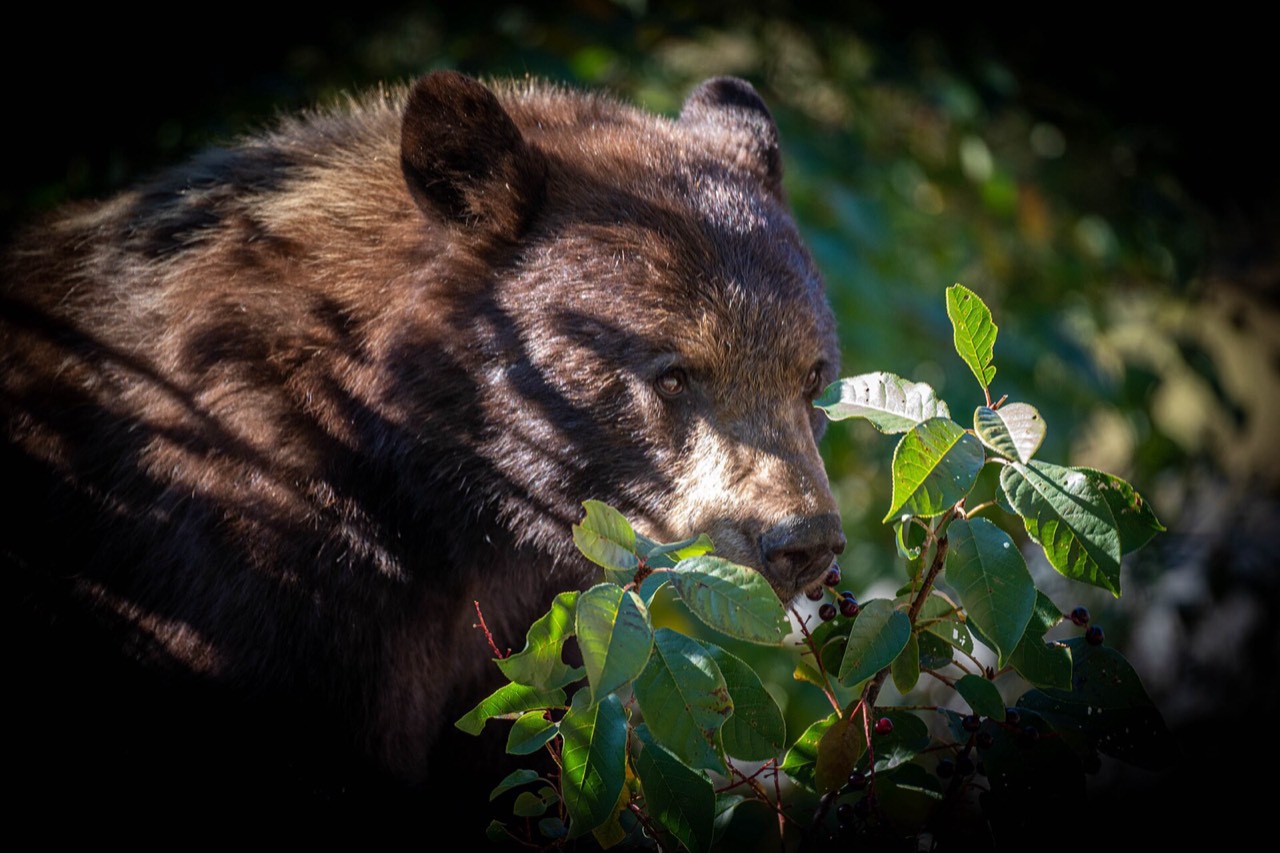
The fall feeding
The weeks before the den are the hungriest of the year, which is when bears find bird feeders.
During the annual fall eat-a-thon (hyperphagia), bears can gain several pounds a day (20 to 100% of their summer weight),eating 15,000 to 20,000 calories or more each day preparing to hibernate.
The den
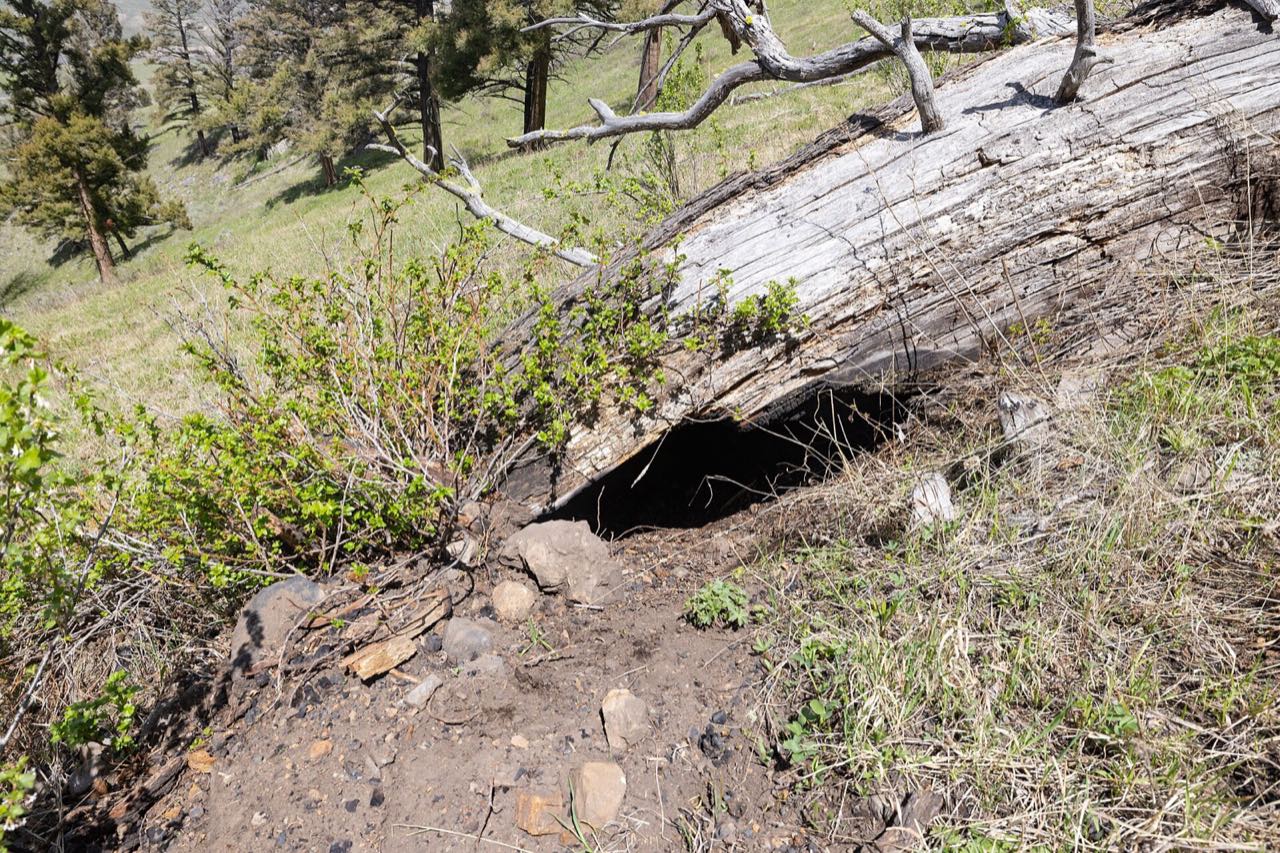
Bears choose many different kinds of dens, including hollow trees, under fallen trees, excavated mounds, or in ‘nests’ under briar patches.
An average of two to three cubs are born in the den in January/February.
Seeing a bear in winter
A bear in its den sleeps lightly. Two state wildlife agencies describe how little it takes to bring one out:
While in torpor black bears are capable of being easily awakened if disturbed and they may leave their dens on mild winter days in search of food.
They are also quickly aroused if disturbed, potentially leaving their dens if discovered by other animals or humans, or if their den becomes flooded out, collapses, or is otherwise made unsuitable.
And where winters are mild, some bears never den at all:
In more temperate areas, male bears and females without cubs may not hibernate at all during the winter.
Our job is to give bears plenty of space to live and to find their own healthy, natural foods.
Why the feeder comes down
When bears are active, the best option is to remove bird feeders.
Birdseed has lots of calories — over 18,000 in a typical 7-pound feeder.
Even if a bear can’t reach your feeder, the sight and smell will still attract them.
The 12 agencies that print a feeder date
These state wildlife agencies give a day or a month for the feeder. Everywhere else, the calendar takes feeders down when the first bears wake and puts them back up once the dens are full.
- Alaska: down in mid March, back up on November 1
- Idaho: down in April, back up in mid November
- Maine: down by April 1, back up on November 1
- Michigan: down in April, back up in December
- Missouri: down in April, back up in December
- New Hampshire: down by April 1, back up on December 1
- New Jersey: down by April 1, back up on December 1
- New York: down by April 1
- Rhode Island: down by March 31, back up on November 1
- Vermont: down in mid March, back up in December
- West Virginia: down in mid March
- Wyoming: back up in December
The nearest dens for the other eight states
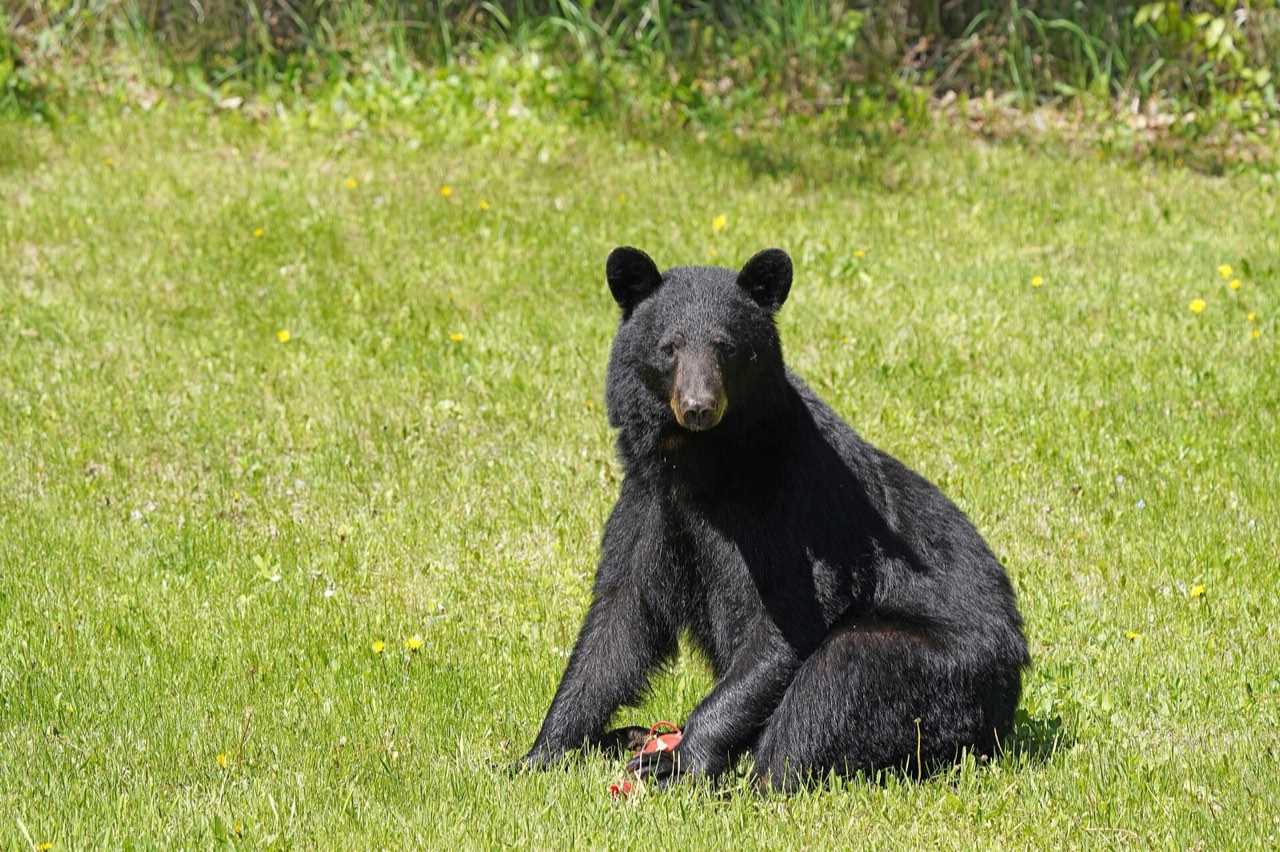
Delaware, Hawaii, Illinois, Indiana, Iowa, Kansas, Nebraska and South Dakota have no resident breeding bears. The bears seen in seven of them are wanderers from a neighbor, and each card names the closest state where bears den. Hawaii has no bears of any kind, so its card points to its humpback whales instead.
Delaware
Delaware has no resident bears; four wanderers have crossed in since 2016, from Maryland, Pennsylvania and New Jersey.
Black bears were extirpated in Delaware by approximately 1900, but four members of the species have ventured into the state since 2016.
Delaware Fish and Wildlife, How Delaware is Preparing for the Return of Black Bears, read October 13, 2026 Hawaii
Hawaii has no bears of any kind; the hoary bat is its only native land mammal.
Illinois
Illinois has no resident bears; the ones seen there travel in from Missouri and Wisconsin.
There are currently no resident populations of black bear in Illinois, but the potential exists for individuals from existing populations in Missouri and Wisconsin to travel into the state.
Wildlife Illinois, Black Bear, read October 13, 2026 Indiana
Indiana has had no resident bears since before the Civil War; the four confirmed since 2015 were passing through from neighboring states.
Although black bears were once common in Indiana, there hasn’t been a resident population since before the Civil War.
Indiana DNR, Living with Wildlife: Black Bears, read October 13, 2026 Iowa
Iowa has no breeding bears; the two or three a year are wanderers from Minnesota, Wisconsin and Missouri.
Populations of large mammals, once native to Iowa, have been gone from the Iowa landscape for 80 to 100 years.
Iowa DNR, Occasional Wildlife Visitors, read October 13, 2026 Kansas
Kansas has no known wild bear population; the bears documented there disperse from Colorado and New Mexico or from Oklahoma, Missouri and Arkansas.
They have been documented only occasionally since the 1880s, but established populations of black bears within short distances of Kansas have led to increased sightings since 2000.
Kansas Wildlife and Parks, Wildlife Sightings, read October 13, 2026 Nebraska
Nebraska Game and Parks counts the black bear among predators now extremely rare or gone from the state; bears seen there are wanderers.
South Dakota
South Dakota lists the black bear as accidental; the ones that turn up wander in from Wyoming or Minnesota.
Protected Animals: No person may take pine marten, black-footed ferret, swift fox, fisher, wolf, or black bear.
South Dakota Game, Fish and Parks, Trapping, read October 13, 2026
Bear hibernation in all 42 states
Each state’s den and wake months and its feeder advice, quoted with the source and the day it was read.
More for the yard and the woods
Bears in winter: questions and answers
Den, wake and feeder sentences are quoted from each state wildlife agency and from BearWise, read October 13, 2026. Where a nearby agency’s months are used for a state, that agency is named beside the dates. Phases are worked out from those months and the date. Bear reports are research grade iNaturalist observations of the American black bear, counted September 19, 2026.