
2026 Tick & Vector Risk Outlook
Explore the 2026 forecast for tick and mosquito activity across the U.S. — based on weather, habitat, and disease surveillance data.
Built from CDC and NOAA data

What is the tick forecast for 2026?
The 2026 tick forecast projects above average activity across most of the US. A mild winter boosted tick survival, and lone star and blacklegged ticks continue expanding their ranges. The Northeast and Upper Midwest face the highest Lyme disease risk, with peak nymph activity from May through July. Regional detail follows below.
2026 Tick Forecast: National Overview
The 2026 tick activity forecast projects higher-than-average populations nationwide. Based on CDC surveillance data and NOAA climate forecasts, mild winter conditions and climate impacts are driving robust tick season predictions across multiple regions.
Projected Activity Increase
Forecast tick populations based on climate trends and recent years
Peak Risk Window
Nymphal tick season critical period for Lyme transmission
Very High Risk Zones
Elevated Lyme disease endemic areas
What to Expect in 2026
Based on current climate patterns and tick surveillance data, the 2026 tick season is projected to bring elevated activity across much of the United States. Recent years have shown consistent upward trends in tick populations and geographic expansion of multiple species. Climate forecasts suggest favorable conditions for tick development, particularly in the Northeast and Upper Midwest regions. The 2026 tick season is expected to begin earlier and last longer than historical averages in key endemic regions.
Climate Factors
- Winter forecast models suggest variable conditions across regions
- Spring precipitation projected above average in key tick habitats
- Recent 5-year trend shows extended tick active seasons
- Climate change contributing to gradual northward range expansion
Population Dynamics
- Small mammal populations influence tick infection rates
- Acorn mast cycles affect mouse breeding success
- Deer populations stable to increasing in suburban areas
- Asian Longhorned tick spreading to new counties
Geographic Trends
- Northeast: Very high activity projected
- Lone Star tick expanding northward
- Gulf Coast tick range expanding
- Pacific Northwest Lyme risk increasing
Regional Risk Breakdown for 2026
Select your region to see detailed tick activity forecasts and recommendations
Northeast
Very High Risk2026 Outlook:
Projected High Activity - Climate forecasts suggest conditions favorable for nymph populations. Historical patterns indicate this could be one of the more active tick seasons in recent years.
Primary Threat
Blacklegged tick (Deer tick)
Primary Disease
Lyme disease
Check Your Local 2026 Tick Risk
Ready to see current tick activity in your area? Get today's tick forecast and personalized risk assessment for your ZIP code.
2026 Monthly Activity Timeline
Click through each month to see activity levels and prevention actions
May 2026
⚠️ Peak Risk Begins
Nymphal tick season in full swing. Tiny nymphs (size of poppy seed) are most dangerous vectors for Lyme disease. Highest transmission risk.
Recommended Actions:
- CRITICAL: Check for ticks within 24 hours
- Wear long pants tucked into socks
- Stay on center of trails, avoid brush
- Use tick removal tweezers immediately if found
Based on CDC Lyme Disease Surveillance data

Lyme Disease
Vector: Deer tick (Ixodes scapularis)
Lyme Disease
Lyme disease is a bacterial infection transmitted by deer ticks. If caught early, it's highly treatable with antibiotics. Left untreated, it can cause serious complications affecting joints, heart, and nervous system.
Early Warning Signs
- Erythema migrans (EM) rash - appears in 70-80% of cases
- Bullseye rash (circular red rash with clear center)
- Rash appears 3-30 days after bite
- Fever and chills
Progression & Symptoms
- Severe headaches and neck stiffness
- Facial palsy (loss of muscle tone on one or both sides of face)
- Arthritis with severe joint pain, especially knees
Explore Forecasts by State
Select your state for a detailed local forecast and risk assessment.
Alabama
View 2026 Forecast
MinimalAlaska
View 2026 Forecast
Lower RiskArizona
View 2026 Forecast
Lower RiskArkansas
View 2026 Forecast
Lower RiskCalifornia
View 2026 Forecast
Lower RiskColorado
View 2026 Forecast
High RiskConnecticut
View 2026 Forecast
High RiskDelaware
View 2026 Forecast
ModerateFlorida
View 2026 Forecast
ModerateGeorgia
View 2026 Forecast
MinimalHawaii
View 2026 Forecast
Lower RiskIdaho
View 2026 Forecast
ModerateIllinois
View 2026 Forecast
ModerateIndiana
View 2026 Forecast
ModerateIowa
View 2026 Forecast
MinimalKansas
View 2026 Forecast
ModerateKentucky
View 2026 Forecast
Lower RiskLouisiana
View 2026 Forecast
High RiskMaine
View 2026 Forecast
High RiskMaryland
View 2026 Forecast
High RiskMassachusetts
View 2026 Forecast
ModerateMichigan
View 2026 Forecast
ModerateMinnesota
View 2026 Forecast
Lower RiskMississippi
View 2026 Forecast
ModerateMissouri
View 2026 Forecast
Lower RiskMontana
View 2026 Forecast
MinimalNebraska
View 2026 Forecast
Lower RiskNevada
View 2026 Forecast
High RiskNew Hampshire
View 2026 Forecast
High RiskNew Jersey
View 2026 Forecast
Lower RiskNew Mexico
View 2026 Forecast
High RiskNew York
View 2026 Forecast
ModerateNorth Carolina
View 2026 Forecast
MinimalNorth Dakota
View 2026 Forecast
ModerateOhio
View 2026 Forecast
Lower RiskOklahoma
View 2026 Forecast
Lower RiskOregon
View 2026 Forecast
High RiskPennsylvania
View 2026 Forecast
High RiskRhode Island
View 2026 Forecast
ModerateSouth Carolina
View 2026 Forecast
MinimalSouth Dakota
View 2026 Forecast
ModerateTennessee
View 2026 Forecast
Lower RiskTexas
View 2026 Forecast
Lower RiskUtah
View 2026 Forecast
High RiskVermont
View 2026 Forecast
ModerateVirginia
View 2026 Forecast
Lower RiskWashington
View 2026 Forecast
ModerateWest Virginia
View 2026 Forecast
ModerateWisconsin
View 2026 Forecast
Lower RiskWyoming
View 2026 Forecast
Know Your Ticks: Complete US Species Guide
Understanding which ticks carry which diseases helps you identify threats and take appropriate precautions. Explore all major tick species found across the United States.

Deer Tick / Blacklegged Tick
Ixodes scapularis
Appearance: Dark reddish-brown body with black shield on back. Adults are 3-5mm.
Peak Season: Adults: Oct-May | Nymphs: May-Aug
Habitat: Deciduous forests, shady moist areas, and leaf litter. Loves the boundary between lawns and woods.
Diseases: Lyme Disease, Anaplasmosis, Babesiosis, Powassan Virus, B. miyamotoi

American Dog Tick
Dermacentor variabilis
Appearance: Brown with white/grey mottling. Ornate white patterns on shield.
Peak Season: Spring and Summer
Habitat: Grassy fields, walkways, and trails. More tolerant of dry conditions than Deer Ticks.
Diseases: Rocky Mountain Spotted Fever, Tularemia
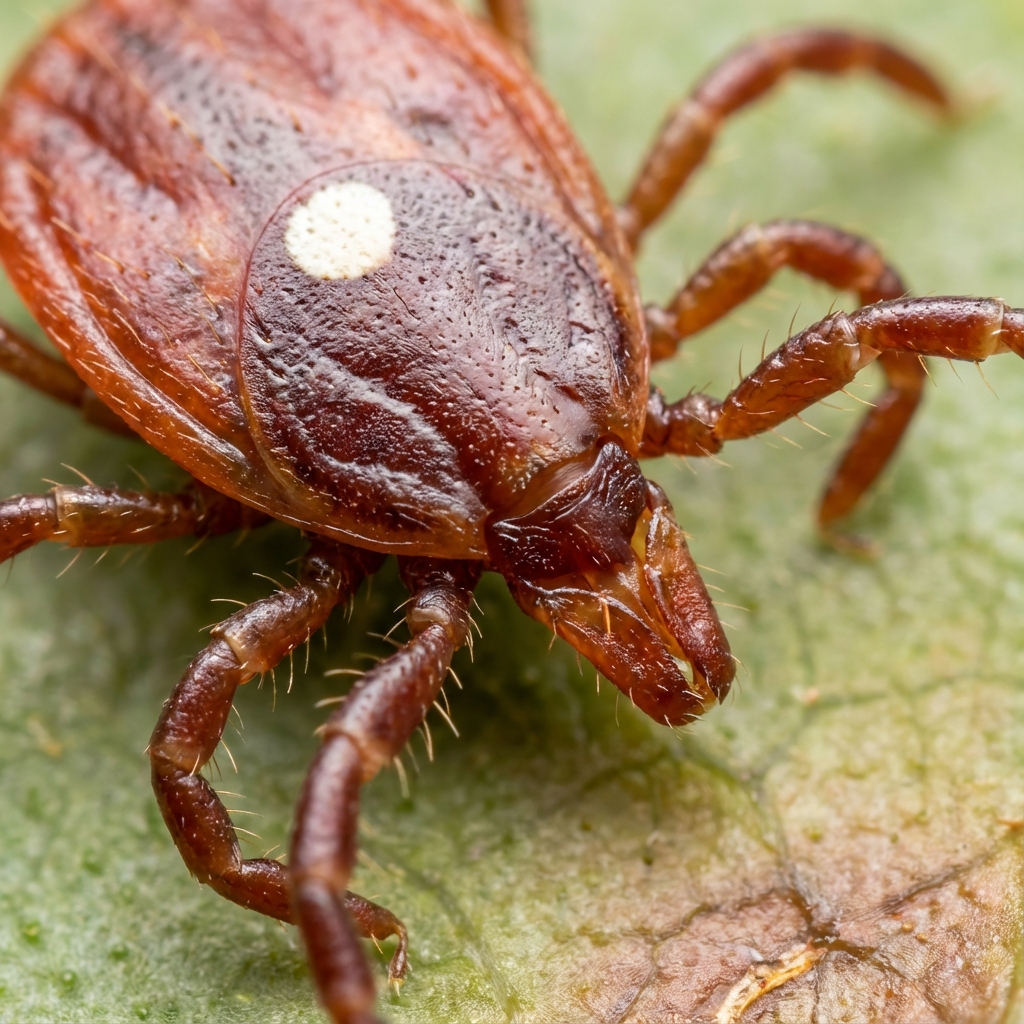
Lone Star Tick
Amblyomma americanum
Appearance: Distinct white dot or "lone star" on female's back. Reddish-brown body.
Peak Season: Active from early Spring through late Fall
Habitat: Woodlands with dense undergrowth and around animal resting areas.
Diseases: Ehrlichiosis, Alpha-gal Syndrome, STARI, Heartland Virus, Bourbon Virus
Note: Aggressive hunter. Actively pursues hosts.

Gulf Coast Tick
Amblyomma maculatum
Appearance: Reddish-brown with ornate silver/white markings creating an eye-catching pattern.
Peak Season: April-September
Habitat: Coastal grasslands, marshes, beaches, and open areas near water.
Diseases: Rickettsia parkeri rickettsiosis

Western Blacklegged Tick
Ixodes pacificus
Appearance: Similar to deer tick. Dark brown to black. Adults are 3-5mm.
Peak Season: Adults: Oct-May | Nymphs: May-Jul
Habitat: Chaparral, oak woodlands, coastal scrub. Often feeds on lizards as nymphs.
Diseases: Lyme Disease, Anaplasmosis, B. miyamotoi

Rocky Mountain Wood Tick
Dermacentor andersoni
Appearance: Brown with gray/white mottling, similar to dog tick but found at higher elevations.
Peak Season: March-July
Habitat: Shrublands, lightly wooded areas, and grasslands at 4,000 to 10,500 feet elevation.
Diseases: Rocky Mountain Spotted Fever, Colorado Tick Fever, Tularemia, Tick Paralysis
Note: Saliva contains neurotoxin that can cause Tick Paralysis (reversible after removal).

Brown Dog Tick
Rhipicephalus sanguineus
Appearance: Uniform reddish-brown color with no ornate patterns or markings.
Peak Season: Year-round (can survive indoors)
Habitat: On dogs and in kennels. Can survive and reproduce indoors.
Diseases: Rocky Mountain Spotted Fever (in Southwest)
Note: Primarily feeds on dogs. Can establish indoor infestations.
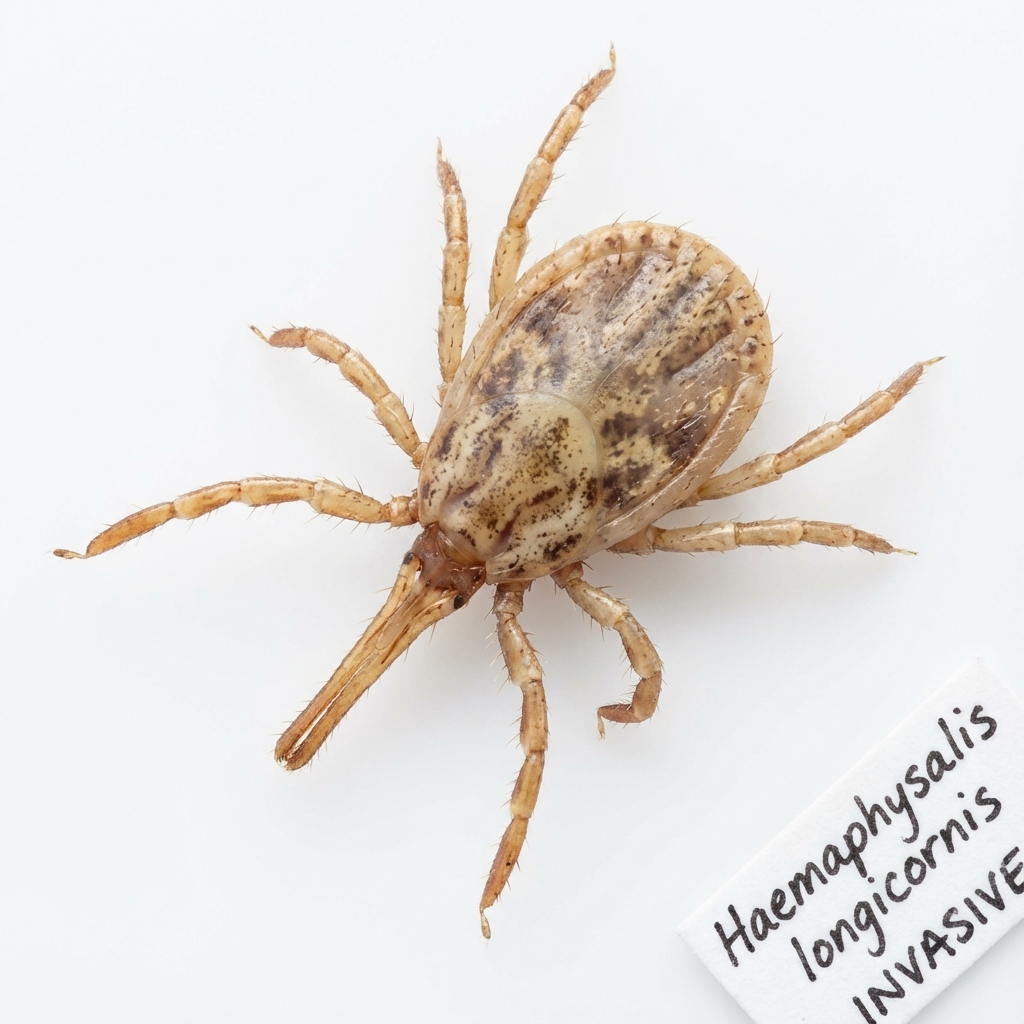
Asian Longhorned Tick
Haemaphysalis longicornis
Appearance: Pale brown with long mouthparts. Smaller than many native ticks.
Peak Season: Spring-Fall (rapidly spreading)
Habitat: Grasslands, forest edges, agricultural areas. Prefers livestock.
Diseases: Potential SFTS virus (not yet confirmed in US), Theileriosis in cattle
Note: ⚠️ INVASIVE: Parthenogenetic (females clone themselves). Major livestock threat. Rapidly spreading since 2017.

Soft Tick (O. hermsii)
Ornithodoros hermsii
Appearance: Soft-bodied, leathery texture, no hard shield. Looks like a raisin. 5-8mm.
Peak Season: Active in mountain cabins year-round
Habitat: Rustic cabins, rodent burrows in coniferous forests at 900-2,000m elevation.
Diseases: Tick-Borne Relapsing Fever (TBRF)
Note: 🌙 Feeds at night for 15-30 minutes. Painless bite. Found in mountain cabins with rodent infestations.
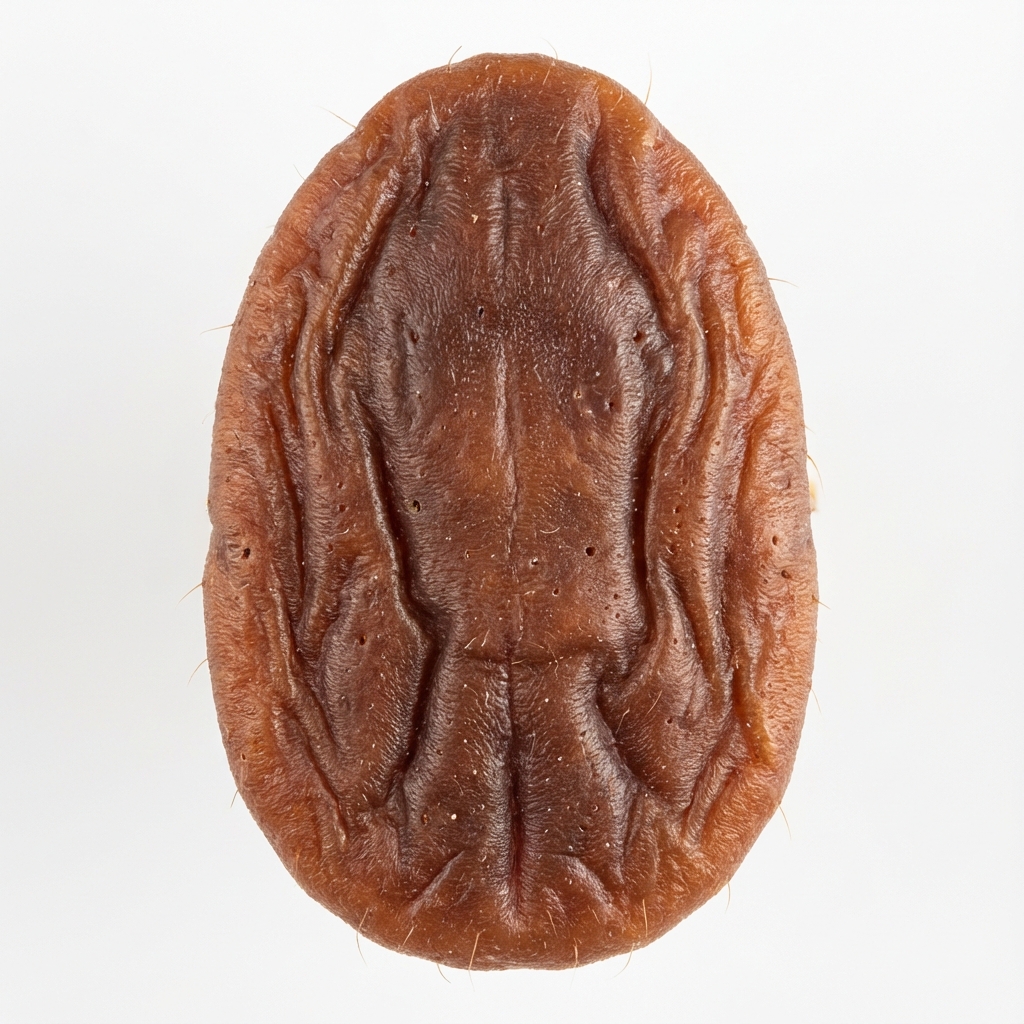
Soft Tick (O. turicata)
Ornithodoros turicata
Appearance: Soft-bodied, leathery, no hard shield. Oval shaped. 5-8mm.
Peak Season: Year-round in caves and burrows
Habitat: Caves, burrows, crawl spaces. Associated with southwestern ground squirrels and prairie dogs.
Diseases: Tick-Borne Relapsing Fever (TBRF)
Note: 🌙 Nocturnal feeder. Can live for decades. Found in caves and building crawl spaces.

Alaska Native Tick (I. angustus)
Ixodes angustus
Appearance: Small, dark tick. Similar appearance to blacklegged tick.
Peak Season: Summer months
Habitat: On small mammals (squirrels, voles). Rarely encountered by humans.
Diseases: None confirmed in humans
Note: ✅ Native to Alaska. Minimal human health risk. Most common tick found on Alaskan wildlife.
Tick Bite Protocol
Acting quickly and correctly is your best defense against infection.Follow these 6 critical steps.
Don't Panic
Most tick bites do not transmit disease, especially if removed quickly.
- Infection rates vary by region (20-50%)
- Transmission usually takes 24-48 hours
- Stay calm and use proper technique
Gather Tools
Use fine-tipped tweezers. Avoid fingers or chemicals.
- Fine-tipped tweezers are best
- Rubbing alcohol for cleaning
- Small container to save the tick
Grasp & Pull
Grasp close to skin and pull upward with steady pressure.
- Grab mouthparts near skin (not body)
- Pull straight up—don't twist
- Maintain steady, even pressure
Clean Area
Disinfect the bite site and your hands thoroughly.
- Wash with soap and water
- Apply rubbing alcohol
- Wash hands well
Save Tick
Keep the tick in a sealed container for potential testing.
- Seal in bag or container
- Label with date and location
- Bring to doctor if symptoms appear
Monitor (30 Days)
Watch for rash or flu-like symptoms for a month.
- Check for expanding rash daily
- Watch for fever or fatigue
- Seek care if you feel unwell
Get Your Personalized 2026 Tick Risk Forecast
Enter your ZIP code to receive a detailed local forecast powered by weather data, tick surveillance, and disease tracking for your specific area.
Join thousands staying informed • Updated monthly • 100% Free