

Today’s Tick Risk in Missouri – Real-Time Forecast & Activity Map
Check your ZIP code for local tick activity, real-time risk levels, and prevention insights.
Built from CDC and NOAA data
Surveillance Insights
- Annual Lyme Cases
- High Ehrlichiosis and Tularemia; Lyme present but less common
- Based on CDC surveillance data
- Long-Term Trend
- Emergence of new viral pathogens
- Based on CDC surveillance data
- High Risk Zones
- St. Louis, Taney, Mark Twain National Forest, Ozark National Scenic Riverways, Boone, Lake of the Ozarks, Ha Ha Tonka State Park
Current Situation in Missouri
Missouri is frequently referred to by entomologists as the "Tick Capital of the U.S." due to its incredible diversity and density of tick species. The tick forecast for Missouri is consistently high across the state, with residents encountering the Lone Star tick, American Dog tick, Blacklegged tick, and increasingly, the Gulf Coast tick. The state is a hotspot for Ehrlichiosis, Tularemia, and Rocky Mountain Spotted Fever. The Heartland Virus and Bourbon Virus were both discovered in Missouri, highlighting the state's role as a frontier for emerging tick-borne diseases. The sheer biomass of ticks in the summer months can be overwhelming for those unprepared.
Snapshot of the current tick situation in Missouri, based on regional surveillance data and seasonal activity patterns.
- Risk Level
- Moderate to High
- Peak Activity
- May - July
- Dominant Vector
- Lone Star Tick (Amblyomma americanum)
Where Ticks Hide in Missouri
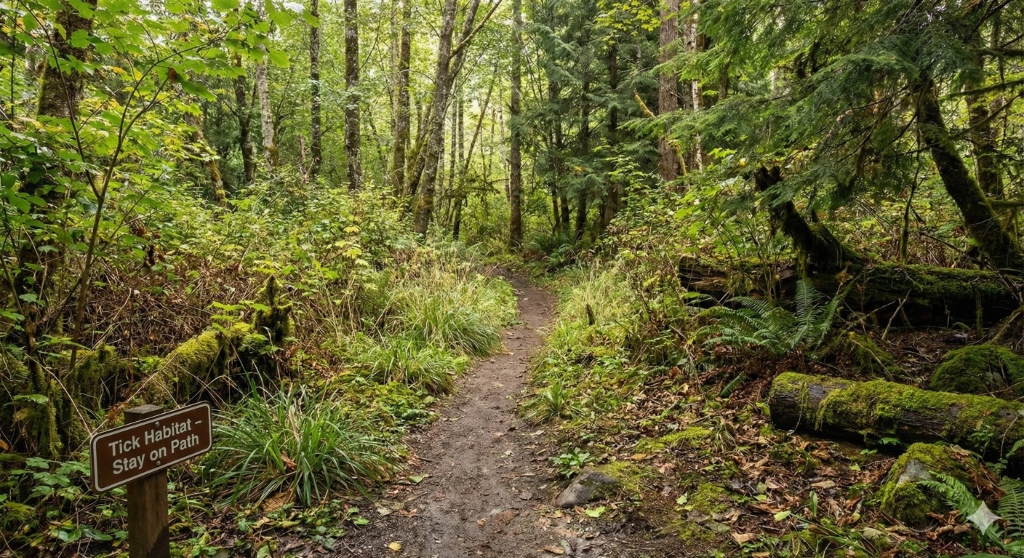
The Missouri Ozarks offer millions of acres of oak-hickory forest, glades, and river valleys that are perfect for ticks. The Mark Twain National Forest is a massive, contiguous habitat that supports high tick populations. Even in the agricultural northern plains of the state, ticks are abundant in wooded draws and fence lines. Suburban expansion in St. Louis and Kansas City has brought people into direct contact with tick-infested deer populations. State parks like Ha Ha Tonka and Johnson's Shut-Ins are beautiful but require strict tick prevention measures.
Seasonal Activity Pattern
Tick season is long and intense, running from March through November. The "seed tick" (larval Lone Star tick) season in late summer is particularly notorious, with hikers often reporting hundreds of bites from a single encounter. Adult ticks are active in early spring and late fall. Winter activity is common on warm days, especially for adult deer ticks. Turkey hunters in the spring are often the first to report high tick numbers.
Check Your Local Tick Risk
Ready to see current tick activity in your area? Get today's tick forecast and personalized risk assessment for your ZIP code.
Local Vector Analysis
Understanding which ticks are active in Missouri helps you identify threats and take appropriate precautions.
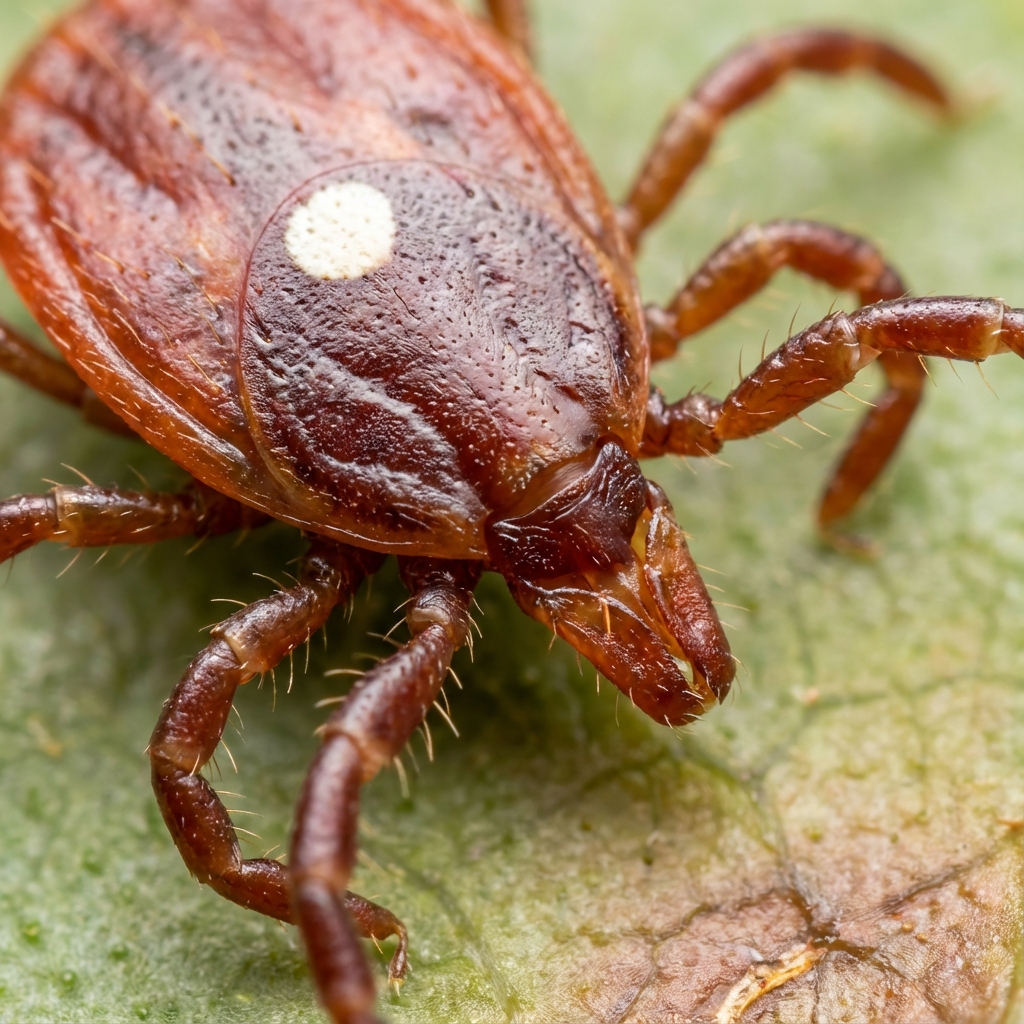
Lone Star Tick
Amblyomma americanum
Appearance: Distinct white dot or "lone star" on female's back. Reddish-brown body.
Peak Season: Active from early Spring through late Fall
Habitat: Woodlands with dense undergrowth and around animal resting areas.
Diseases: Ehrlichiosis, Alpha-gal Syndrome, STARI, Heartland Virus, Bourbon Virus
Note: Aggressive hunter. Actively pursues hosts.

Deer Tick / Blacklegged Tick
Ixodes scapularis
Appearance: Dark reddish-brown body with black shield on back. Adults are 3-5mm.
Peak Season: Adults: Oct-May | Nymphs: May-Aug
Habitat: Deciduous forests, shady moist areas, and leaf litter. Loves the boundary between lawns and woods.
Diseases: Lyme Disease, Anaplasmosis, Babesiosis, Powassan Virus, B. miyamotoi

American Dog Tick
Dermacentor variabilis
Appearance: Brown with white/grey mottling. Ornate white patterns on shield.
Peak Season: Spring and Summer
Habitat: Grassy fields, walkways, and trails. More tolerant of dry conditions than Deer Ticks.
Diseases: Rocky Mountain Spotted Fever, Tularemia

Lyme Disease
Vector: Deer tick (Ixodes scapularis)
Lyme Disease
Lyme disease is a bacterial infection transmitted by deer ticks. If caught early, it's highly treatable with antibiotics. Left untreated, it can cause serious complications affecting joints, heart, and nervous system.
Early Warning Signs
- Erythema migrans (EM) rash - appears in 70-80% of cases
- Bullseye rash (circular red rash with clear center)
- Rash appears 3-30 days after bite
- Fever and chills
Progression & Symptoms
- Severe headaches and neck stiffness
- Facial palsy (loss of muscle tone on one or both sides of face)
- Arthritis with severe joint pain, especially knees
Prevention Strategies
The best way to avoid tick-borne diseases is to prevent tick bites in the first place. These strategies work together to create multiple layers of protection.
Permethrin-Treated Clothing
Permethrin is an insecticide that kills ticks on contact. When applied to clothing, it remains effective through multiple washes.
Daily Tick Checks
Since disease transmission typically requires 24-48 hours of attachment, finding and removing ticks quickly dramatically reduces infection risk.
Landscaping Defense
Creating a tick-hostile environment in your yard reduces the chance ticks will be waiting when you step outside.
Shower Within 2 Hours
Showering after outdoor activity gives you a chance to wash off ticks before they bite.
Tick Bite Protocol
Acting quickly and correctly is your best defense against infection.Follow these 6 critical steps.
Don't Panic
Most tick bites do not transmit disease, especially if removed quickly.
- Infection rates vary by region (20-50%)
- Transmission usually takes 24-48 hours
- Stay calm and use proper technique
Gather Tools
Use fine-tipped tweezers. Avoid fingers or chemicals.
- Fine-tipped tweezers are best
- Rubbing alcohol for cleaning
- Small container to save the tick
Grasp & Pull
Grasp close to skin and pull upward with steady pressure.
- Grab mouthparts near skin (not body)
- Pull straight up—don't twist
- Maintain steady, even pressure
Clean Area
Disinfect the bite site and your hands thoroughly.
- Wash with soap and water
- Apply rubbing alcohol
- Wash hands well
Save Tick
Keep the tick in a sealed container for potential testing.
- Seal in bag or container
- Label with date and location
- Bring to doctor if symptoms appear
Monitor (30 Days)
Watch for rash or flu-like symptoms for a month.
- Check for expanding rash daily
- Watch for fever or fatigue
- Seek care if you feel unwell
Heading to a lake in Missouri?
Live water temperatures and swim conditions for Lake of the Ozarks.
See Missouri lake temperaturesWhen does tick season end in Missouri?
Tick activity winds down after the first hard freeze, which in Missouri typically arrives around Oct 22. See the local first-frost window and city-by-city freeze dates.
Missouri first frost datesAlso worried about mosquitoes in Missouri?
West Nile virus, EEE, and the local mosquito season vary by state. Check your Missouri mosquito risk profile.
View Missouri mosquito forecastStay Safe in Missouri
Get personalized tick forecasts and prevention tips for your area