

Today’s Tick Risk in Hawaii – Real-Time Forecast & Activity Map
Check your ZIP code for local tick activity, real-time risk levels, and prevention insights.
Built from CDC and NOAA data
Surveillance Insights
- Annual Lyme Cases
- No endemic Lyme; rare imported cases
- Based on CDC surveillance data
- Long-Term Trend
- Stable; focus on pet health
- Based on CDC surveillance data
- High Risk Zones
- Honolulu, Hawaii, Maui, Kauai, Areas with feral livestock, Dog parks and kennels
Current Situation in Hawaii
Hawaii is a tropical paradise with a unique pest profile. The tick forecast for Hawaii is distinct: there are no native ticks, and Lyme disease is not endemic. However, the Brown Dog Tick (*Rhipicephalus sanguineus*) and the Spinose Ear Tick are present. The Brown Dog Tick can infest kennels and homes and bite humans, though disease transmission is rare compared to the mainland. The main concern for visitors is often confusion with other biting insects like centipedes or mites.
Snapshot of the current tick situation in Hawaii, based on regional surveillance data and seasonal activity patterns.
- Risk Level
- Moderate to High
- Peak Activity
- May - July
- Dominant Vector
- Brown Dog Tick (Rhipicephalus sanguineus)
Where Ticks Hide in Hawaii
Tick encounters are almost exclusively associated with dogs and other animals. Kennels, yards with pets, and areas with feral animal populations (goats, pigs) are potential risk zones. Hiking trails are generally safe from questing ticks in the way they are known on the mainland.

Seasonal Activity Pattern
Due to the tropical climate, the Brown Dog Tick can be active year-round. There is no "tick season" in the traditional sense. Populations may increase during slightly warmer or drier periods, but the risk is constant for pet owners.
Check Your Local Tick Risk
Ready to see current tick activity in your area? Get today's tick forecast and personalized risk assessment for your ZIP code.
Local Vector Analysis
Understanding which ticks are active in Hawaii helps you identify threats and take appropriate precautions.
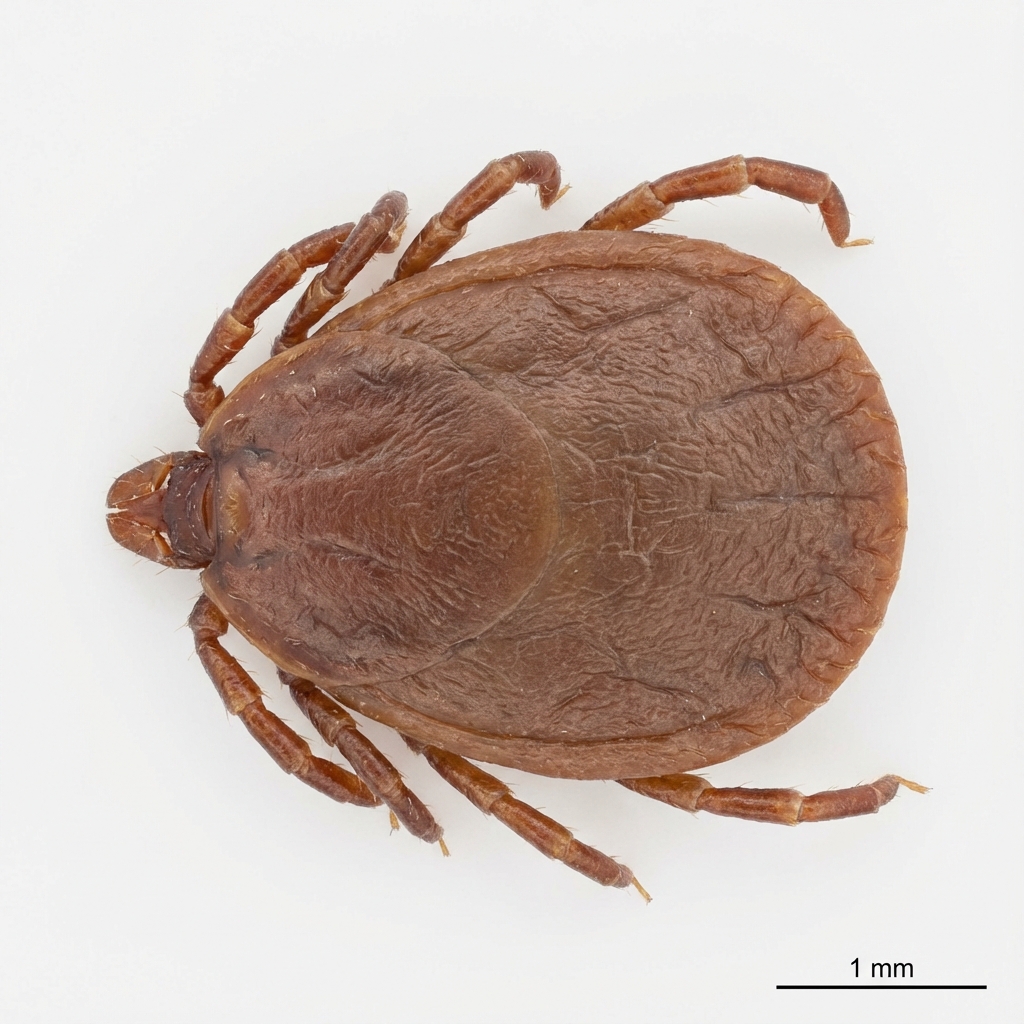
Brown Dog Tick
Rhipicephalus sanguineus
Appearance: Uniform reddish-brown color with no ornate patterns or markings.
Peak Season: Year-round (can survive indoors)
Habitat: On dogs and in kennels. Can survive and reproduce indoors.
Diseases: Rocky Mountain Spotted Fever (in Southwest)
Note: Primarily feeds on dogs. Can establish indoor infestations.
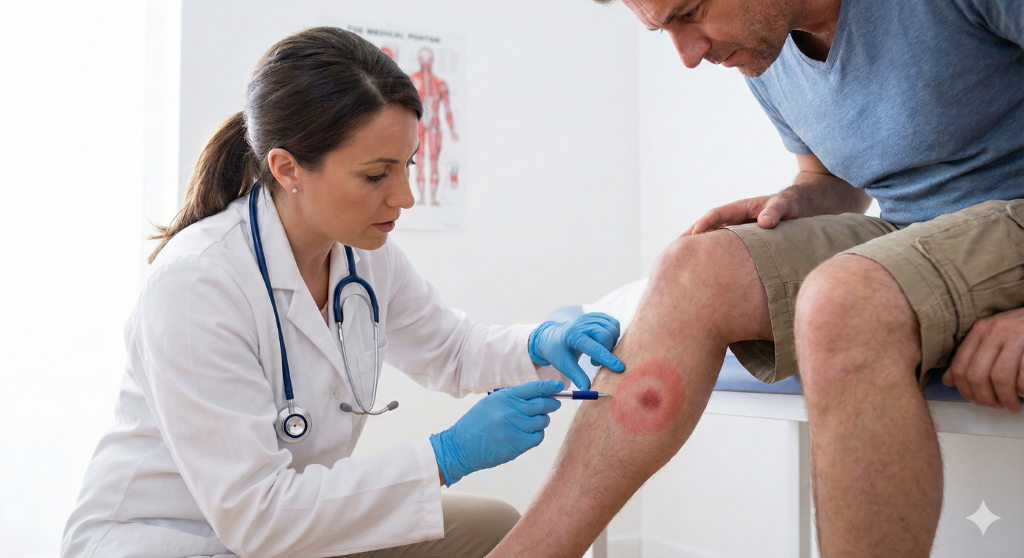
Lyme Disease
Vector: Deer tick (Ixodes scapularis)
Lyme Disease
Lyme disease is a bacterial infection transmitted by deer ticks. If caught early, it's highly treatable with antibiotics. Left untreated, it can cause serious complications affecting joints, heart, and nervous system.
Early Warning Signs
- Erythema migrans (EM) rash - appears in 70-80% of cases
- Bullseye rash (circular red rash with clear center)
- Rash appears 3-30 days after bite
- Fever and chills
Progression & Symptoms
- Severe headaches and neck stiffness
- Facial palsy (loss of muscle tone on one or both sides of face)
- Arthritis with severe joint pain, especially knees
Prevention Strategies
The best way to avoid tick-borne diseases is to prevent tick bites in the first place. These strategies work together to create multiple layers of protection.
Permethrin-Treated Clothing
Permethrin is an insecticide that kills ticks on contact. When applied to clothing, it remains effective through multiple washes.
Daily Tick Checks
Since disease transmission typically requires 24-48 hours of attachment, finding and removing ticks quickly dramatically reduces infection risk.
Landscaping Defense
Creating a tick-hostile environment in your yard reduces the chance ticks will be waiting when you step outside.
Shower Within 2 Hours
Showering after outdoor activity gives you a chance to wash off ticks before they bite.
Tick Bite Protocol
Acting quickly and correctly is your best defense against infection.Follow these 6 critical steps.
Don't Panic
Most tick bites do not transmit disease, especially if removed quickly.
- Infection rates vary by region (20-50%)
- Transmission usually takes 24-48 hours
- Stay calm and use proper technique
Gather Tools
Use fine-tipped tweezers. Avoid fingers or chemicals.
- Fine-tipped tweezers are best
- Rubbing alcohol for cleaning
- Small container to save the tick
Grasp & Pull
Grasp close to skin and pull upward with steady pressure.
- Grab mouthparts near skin (not body)
- Pull straight up—don't twist
- Maintain steady, even pressure
Clean Area
Disinfect the bite site and your hands thoroughly.
- Wash with soap and water
- Apply rubbing alcohol
- Wash hands well
Save Tick
Keep the tick in a sealed container for potential testing.
- Seal in bag or container
- Label with date and location
- Bring to doctor if symptoms appear
Monitor (30 Days)
Watch for rash or flu-like symptoms for a month.
- Check for expanding rash daily
- Watch for fever or fatigue
- Seek care if you feel unwell
Also worried about mosquitoes in Hawaii?
West Nile virus, EEE, and the local mosquito season vary by state. Check your Hawaii mosquito risk profile.
View Hawaii mosquito forecastStay Safe in Hawaii
Get personalized tick forecasts and prevention tips for your area