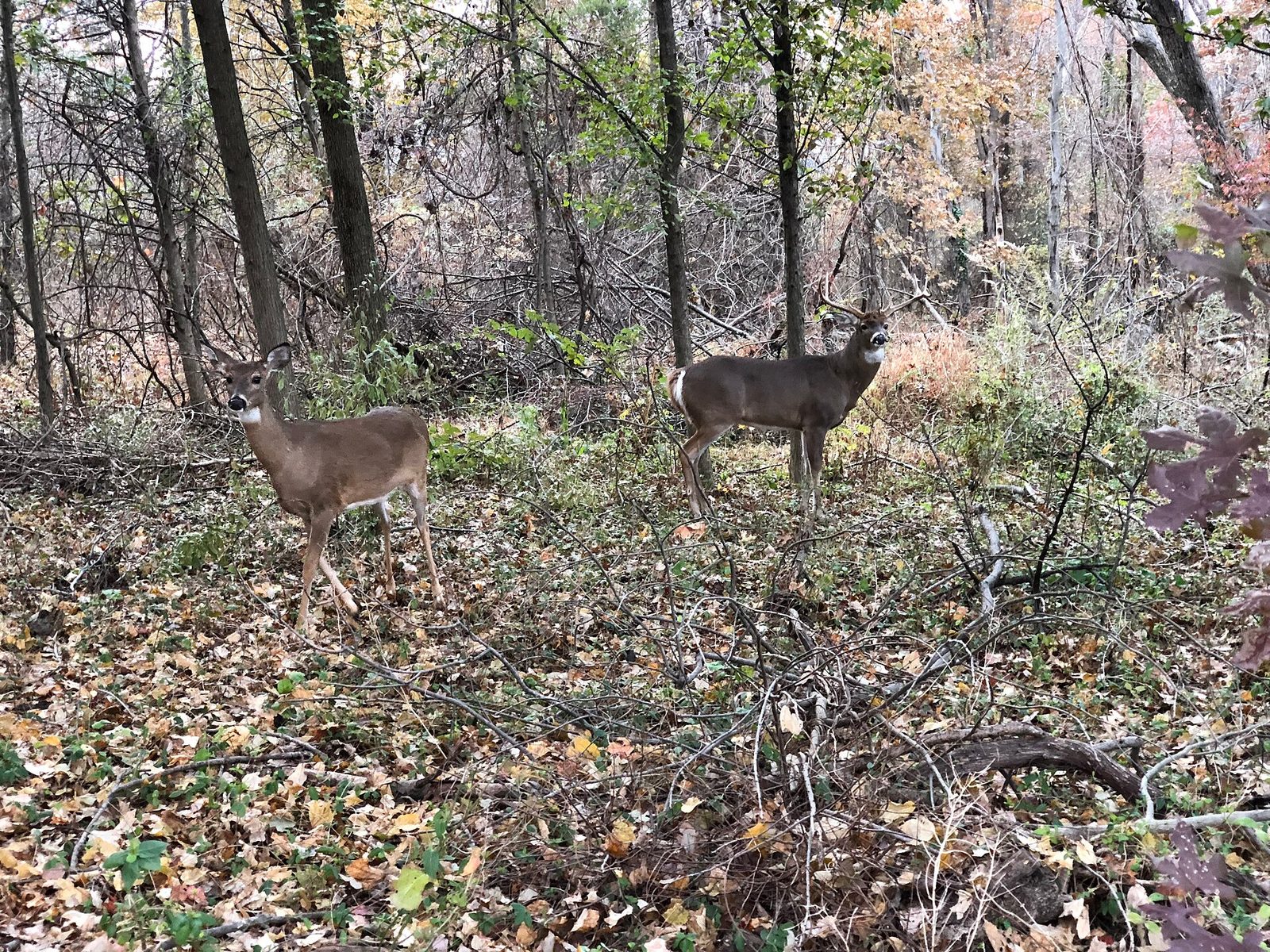
Deer Rut 2026: Peak Breeding Dates by State
State biologists measure when deer actually breed, by back dating fetal data to conception dates, and almost nobody shows you that work. This is every state’s measured or described window, quoted from the agency that published it, plus the road safety spike that rides along with the rut.
The rut data nobody surfaces
Every November the internet fills with rut predictions built on moon phases, cold fronts and gut feel. Meanwhile the actual answer sits in agency reports: biologists measure fetuses from does harvested through winter, back date each one to its conception day, and publish the distribution. That is a measured record of when breeding happened, run by the same agencies that manage the herds.
10 of the 44 states here publish conception date work: Pennsylvania, New Jersey, North Carolina, Florida, Alabama, Mississippi, Louisiana, Illinois, Texas and Arkansas. Their windows are badged as measured. Every other state’s page quotes its agency’s published rut description and is badged as a description.
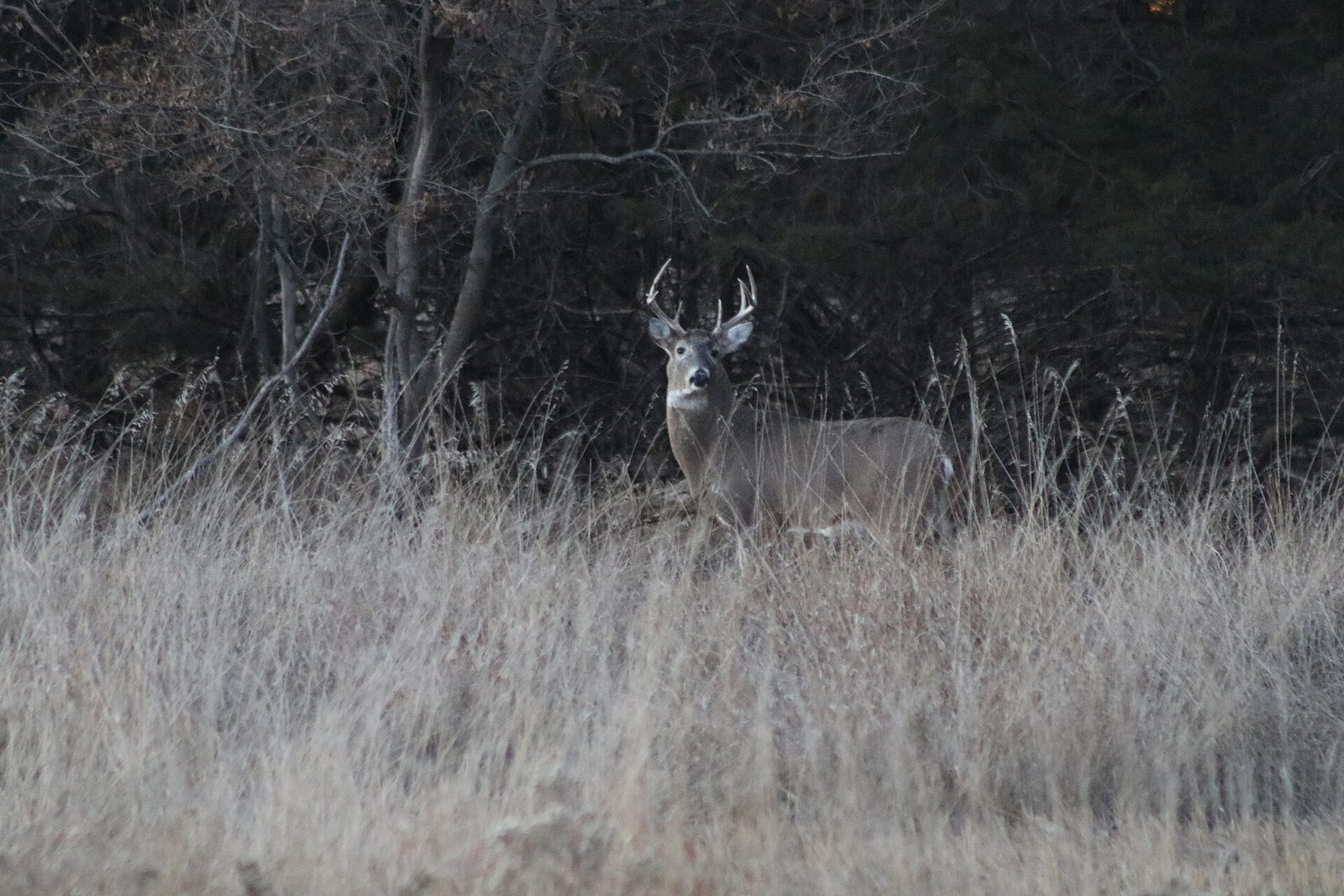
The South breeds in January, and the agencies know why
North of roughly Tennessee, the rut is a photoperiod metronome: measured breeding peaks land in a narrow band around mid November, state after state, year after year. Then the Gulf South tears the map up. The same fetal back dating that shows November everywhere else shows December, January and February across Florida, Alabama, Mississippi and Louisiana, often varying by a month or more within a single state.
The agencies document the why: photoperiod pressure weakens at low latitude, where a fawn dropped in almost any month survives, and several herds were rebuilt in the mid 1900s from restocked deer that brought their source herd’s breeding calendar with them. The quotes below are the agencies’ own words.
Because Alabama had to undergo an extensive restocking program through much of the middle of the 20th century, the breeding activity for Alabama’s deer is all over the figurative and literal map.Alabama Department of Conservation and Natural Resources, Outdoor Alabama article: Whitetail Rutting Activity in Alabama Varies Widely. Read it at the source
Photoperiod remains the main driver, but genetics and historical deer restocking from different areas have created a wide range of rut periods across the state.MDWFP, What Triggers the Whitetail Rut?. Read it at the source
However, Florida has more variability in breeding than any other state -- from July in southern Florida to February in northwest Florida.Florida Fish and Wildlife Conservation Commission, White-tailed Deer Management Program page, Deer Breeding Chronology Study section. Read it at the source
The rut is timed so fawns are born during the driest time of the year, giving them the greatest chance of survival and allowing them to grow to an adequate size before the beginning of the wet season in June.FWC bulletin: The truth about Florida's deer rut (quoting Elina Garrison, on south Florida's July and August breeding). Read it at the source
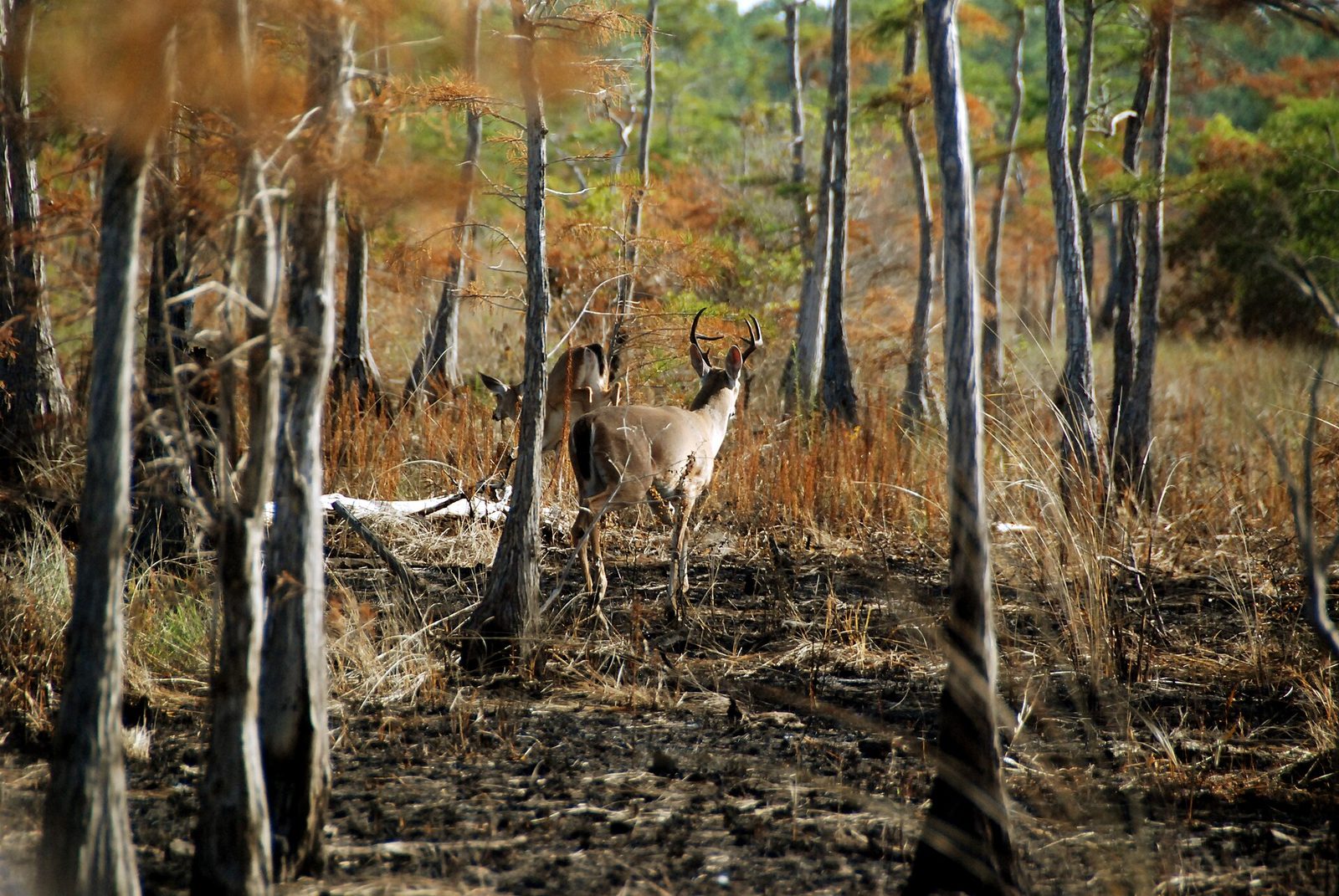
Every published window, side by side
Ordered by when each state’s window opens, running down the deer year from the earliest northern openings to the last Gulf coast parishes in late winter. The evidence column tells you whether the window is measured from fetal data or taken from the agency’s prose. A peak marked with an asterisk is our midpoint of the published window rather than a date the source names.
| State | Species | Published window | Peak | Evidence |
|---|---|---|---|---|
| Florida | White-tailed | July 22 to March 3 | not published | Measured |
| Texas | White-tailed | August 24 to February 1 | not published | Measured |
| Tennessee | White-tailed | September 1 to February 28 | November | Described |
| Louisiana | White-tailed | September 26 to February 26 | not published | Measured |
| Maine | White-tailed | October 1 to January 31 | mid-November | Described |
| Vermont | White-tailed | October 1 to December 31 | November 15 * | Described |
| New York | White-tailed | October 1 to January 31 | mid-November | Described |
| New Jersey | White-tailed | October 1 to January 31 | November 3-23 for northern adults and November 10-20 for southern adults | Measured |
| Delaware | White-tailed | October 1 to December 15 | middle of November | Described |
| Virginia | White-tailed | October 1 to December 31 | mid-November | Described |
| Indiana | White-tailed | October 1 to November 30 | ranged from Nov. 6 to Nov. 14 across years, Nov. 2 to Nov. 16 across counties | Described |
| Illinois | White-tailed | October 1 to January 31 | November 10 | Measured |
| Michigan | White-tailed | October 1 to November 30 | not published | Described |
| Arkansas | White-tailed | October 1 to December 31 | mid to late November in most of the state | Measured |
| New Mexico | Mule | October 1 to January 31 | not published | Described |
| California | Columbian black-tailed | October 1 to January 31 | not published | Described |
| Georgia | White-tailed | October 13 to December 28 | not published | Described |
| Pennsylvania | White-tailed | October 15 to December 15 | mid-November | Measured |
| Maryland | White-tailed | October 15 to December 15 | first half of November | Described |
| Ohio | White-tailed | October 15 to November 30 | November 7 * | Described |
| Iowa | White-tailed | October 15 to January 15 | first 3 weeks of November | Described |
| South Carolina | White-tailed | October 18 to November 14 | the last two weeks of October through the first two weeks of November | Described |
| Wisconsin | White-tailed | October 23 to November 12 | roughly a three-week period between October 23 and November 12 | Described |
| Massachusetts | White-tailed | October 25 to December 5 | November 6 to November 20 | Described |
| Rhode Island | White-tailed | October 25 to December 5 | November 14 * | Described |
| Connecticut | White-tailed | October 25 to January 5 | last two weeks in November | Described |
| Kentucky | White-tailed | October 25 to December 31 | mid-November | Described |
| North Dakota | White-tailed | October 25 to December 7 | generally between Nov. 15-20 | Described |
| North Carolina | White-tailed | October 31 to December 5 | zone average peaks Oct 31 (Southeastern) to Dec 5 (Western) | Measured |
| Minnesota | White-tailed | November 1 to December 5 | November 18 * | Described |
| Colorado | Mule | November 1 to December 31 | mid November through December | Described |
| Idaho | Mule | November 1 to November 30 | not published | Described |
| Washington | Columbian black-tailed | November 1 to December 31 | not published | Described |
| Oregon | Columbian black-tailed | November 1 to November 30 | not published | Described |
| Wyoming | Mule | November 6 to December 17 | not published | Described |
| Montana | White-tailed | November 10 to December 10 | mid to late November | Described |
| New Hampshire | White-tailed | November 15 to December 5 | 3-week period starting around mid-November | Described |
| Mississippi | White-tailed | December 1 to February 10 | not published | Measured |
| Alabama | White-tailed | January 18 to February 14 | the last two weeks of January through the first two weeks of February | Measured |
| Missouri | White-tailed | mid-November | mid-November | Described |
| Kansas | White-tailed | mid-November | mid-November | Described |
| Oklahoma | White-tailed | the second week of November | the second week of November | Described |
| Utah | Mule | mid November | mid November | Described |
| Alaska | Sitka black-tailed | late November | late November | Described |
November is the collision peak, and the rut is the reason
This is the part of the rut that applies to everyone with a car. The insurance claims record is one of the cleanest seasonal signals in any dataset this site touches, and it points at exactly the weeks the conception studies point at.
The rate of animal-strike-related insurance claims in November is more than twice the yearly average, according to an analysis of claims from 2013 to 2022 conducted by the Highway Loss Data Institute.Insurance Institute for Highway Safety, October 18, 2023. Read it at the source
The peak coincides with mating season, when deer are most active.Insurance Institute for Highway Safety, October 18, 2023. Read it at the source
The fewest animal strike claims typically occur in August.Insurance Institute for Highway Safety, October 18, 2023. Read it at the source
Driver guidance comes from the state agencies and transportation departments, which publish it every autumn; the state pages quote each one that does, with the link.
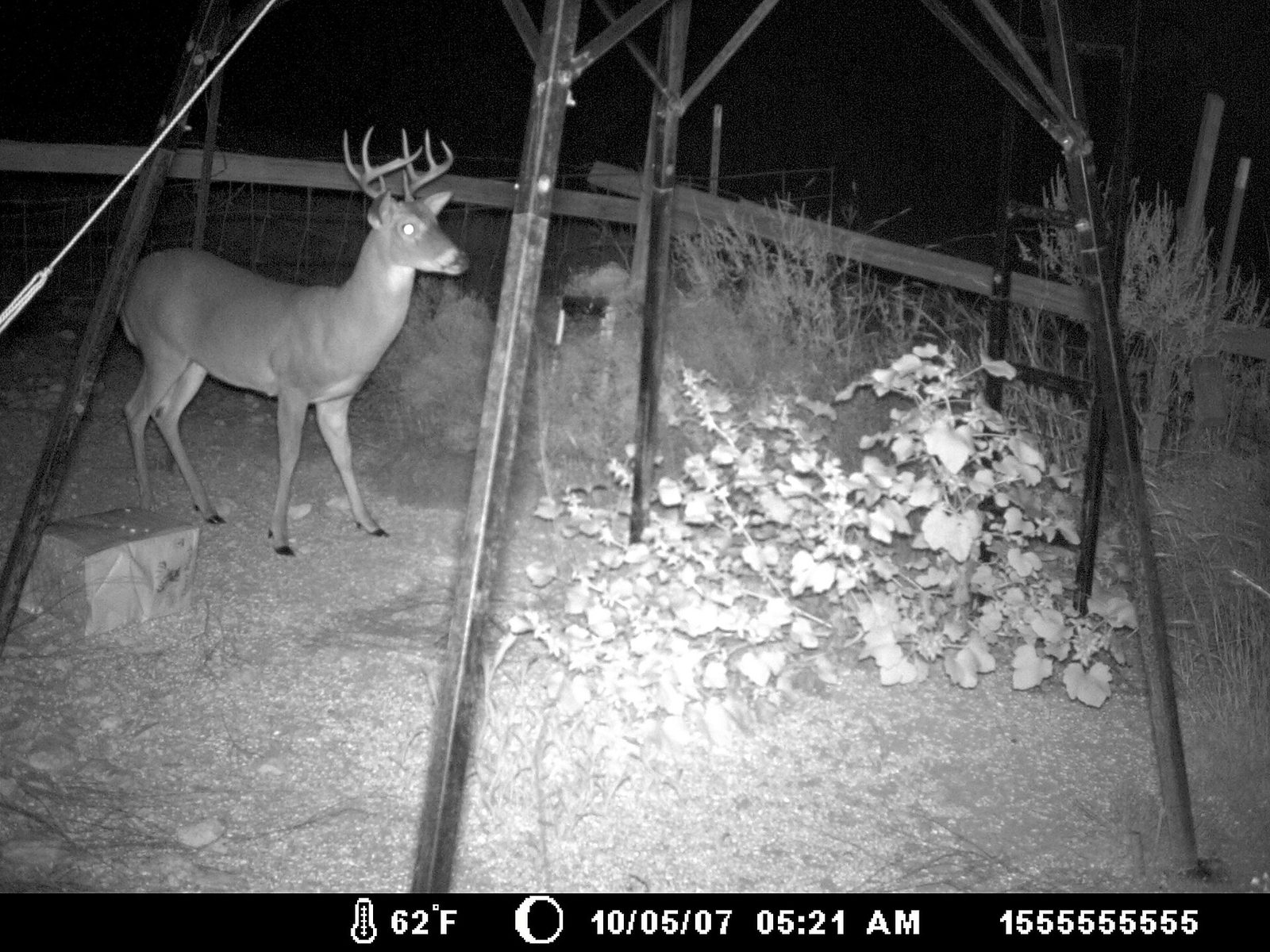
The West has its own rut
West of the plains the question changes species. Mule deer run a slightly later November and December rut; the coastal states add the Columbian blacktail, and Alaska’s deer is the Sitka blacktail, rutting in November among the islands of the panhandle. These pages cover whichever species each state’s agency actually documents, labelled per species, rather than pretending the whitetail calendar applies everywhere: North Dakota, New Mexico, Utah, Colorado, Wyoming, Montana, Idaho, Washington, Oregon, Alaska and California.
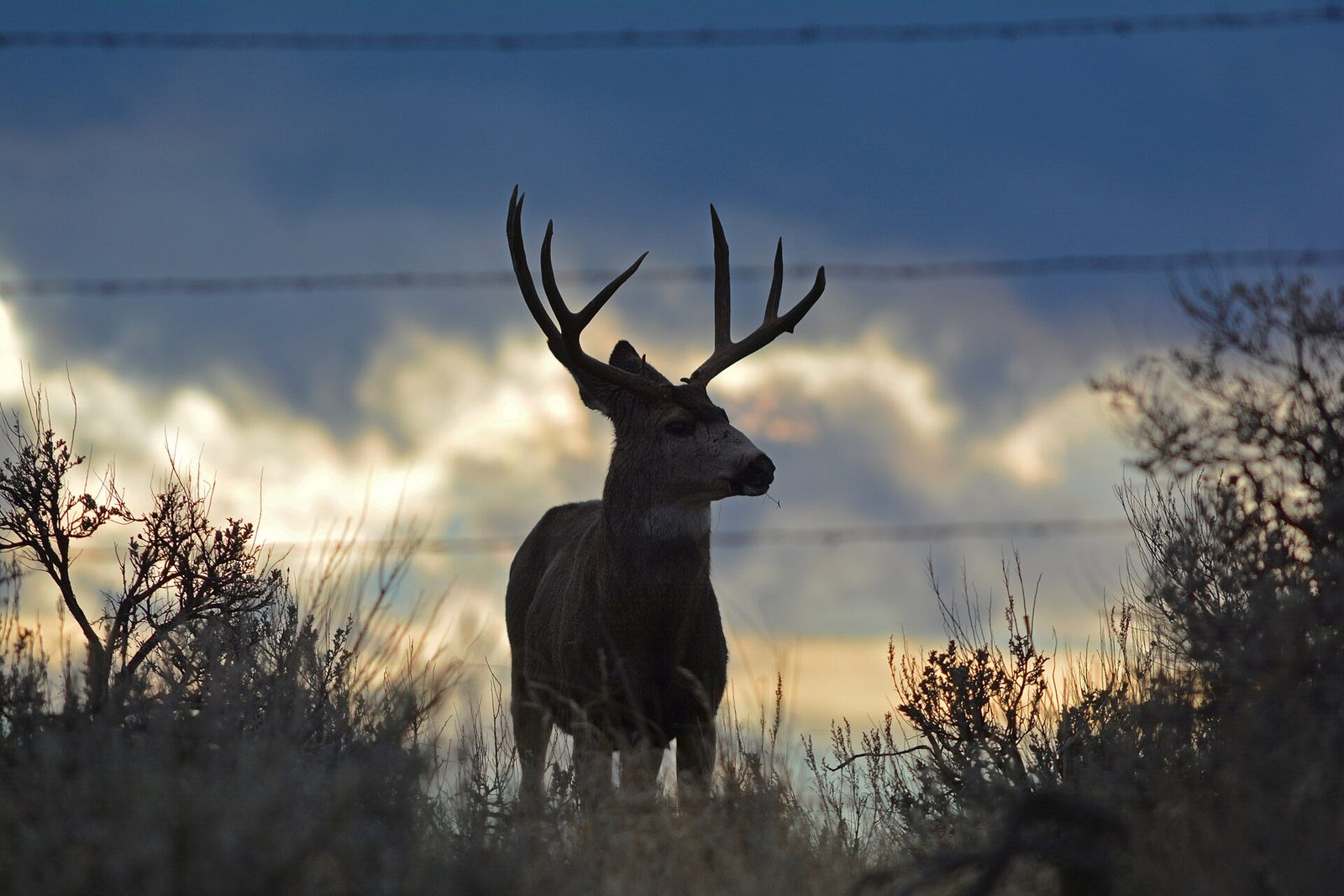
Seeking, chasing, lockdown: useful words, not agency data
Seeking
Bucks on their feet in daylight, cruising doe areas before many does are ready. Hunter vernacular for the opening act; no agency publishes dates for it.
Chasing
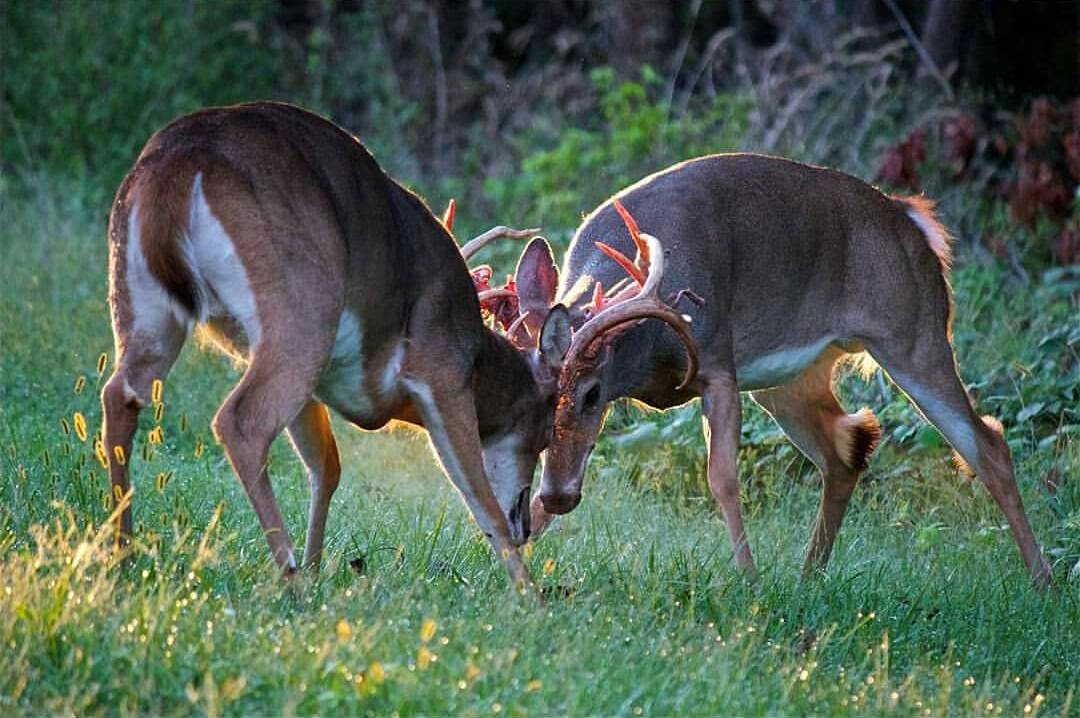
The visible spectacle: bucks openly running does across fields and roads. This is when the collision curve climbs, and it is still a description, not a dataset.
Lockdown
Pairs tucked away and nearly stationary for a day or two of actual breeding. The conception studies measure exactly this part, which is why their peak can look quieter than the chase that preceded it.
Post rut
Bucks worn down and feeding, does mostly bred. In the South, and for fawns that cycle late, a second smaller round follows about a month later.
Those four words are common hunter usage, and this site uses them only as description. The dated evidence on every page is the agency’s measured or described window, never a phase calendar.
Common rut claims, checked against the agencies
- West Virginia conception peaks November 14 to 17. Circulates widely and is attributed to DNR fetal data, but appears only in third party media quoting agency biologists; no agency page or document carries the dates, so West Virginia has no page.
- Tennessee conception peaks November 17 to 25 by region. Media only. TWRA itself publishes a November peak inside a September to February spread and no regional conception dates, so the page carries what the agency states.
- Arizona Coues deer rut December 20 to January 15. Repeated across hunting outlets and absent from the Game and Fish Department’s own pages, so Arizona has no page rather than one built on secondhand dates.
- New Mexico rut late November in the north to mid January in the south. Traces to a university extension publication rather than the wildlife agency. The page carries the agency’s own wider October through January window instead.
- Wyoming rut kicks off in early November and peaks mid month. Stated by hunting outlets, not the agency. The Wyoming page instead shows a back calculation from the agency’s own gestation and fawning numbers, labelled as ours.
- The moon phase sets the rut. Busted by an agency’s own magazine: Nebraska Game and Parks cites the Penn State and Pennsylvania Game Commission examination of 3,507 road killed does, which found the median conception date held around November 13 for adults regardless of the full moon’s date.
- Cold fronts cause the rut. Texas Parks and Wildlife answers this one directly in its conception study: increased buck movement in cool weather feeds the idea, "However, this theory is disproved by white-tailed deer breeding in tropical climates." Weather moves visibility, not conception.
- Alabama’s 2019 county rut map. The map’s methodology is quoted from the agency’s own bulletin, but the 2019 PDF itself now returns a 404, so the Alabama page cites the bulletin text rather than the dead file.
States without a published rut window
West Virginia
The Division of Natural Resources currently publishes no rut or breeding timing: its Big Game Bulletin carries no breeding dates, and the November 14 to 17 conception peak that circulates appears only in media stories quoting DNR biologists.
South Dakota
Game, Fish and Parks runs winter fetal surveys but publishes litter sizes and pregnancy rates rather than conception dates, and neither its deer pages nor its management plans state a rut window.
Nebraska
The Game and Parks Commission places the rut in fall and its magazine busts the moon myth with fetal data, but no commission source names a month for Nebraska itself.
Arizona
The Game and Fish Department species pages cover identification, distribution and harvest history but state no rut or breeding window at all. The late December to January Coues rut every hunting site repeats has no quotable agency source.
Nevada
The Department of Wildlife describes rut behaviour and early summer fawning but names no month, and its mule deer biological bulletin discusses estrus without a Nevada breeding window.
Hawaii
Hawaii has no native deer. Its introduced axis deer are a different genus on a different breeding calendar, and the state publishes no deer rut timing, so the subject does not exist there in the form this site covers.
Deer rut by state
The deer rut, answered
The rest of the autumn
The rut shares its weeks with the best of the season: fall foliage, first frost dates, the elk rut a few weeks earlier, and monarch migration passing through the same fields.
Every breeding window on this site is quoted from the agency or study that published it, with the link, on that state’s page. Windows badged as measured come from fetal conception date data; windows badged as described come from agency prose. Hunting season dates, bag limits and legal methods are set by the state wildlife agencies, which are the source for regulations.