
Wisconsin Deer Rut 2026
8 days until the published window opens. Every date below is quoted from Wisconsin Department of Natural Resources with the link, and is labelled as the agency's published description.
When deer actually breed in Wisconsin
Agency descriptionWhite-tailed deer
Wisconsin: when white-tailed deer breed
October 23 to November 12peak roughly a three-week period between October 23 and November 12
Opens within three weeks. This is the agency’s own published description of the rut rather than a measured conception distribution. The peak above is the period the source names.
Hunsaker applied a statistical test called change point analysis to the movement rate, range size and conception datasets, which determined that the dates of highest movement and range size closely matched when most fawns were conceived: Oct. 23 - Nov. 12. This consistency between movement patterns and fawn conception gives us a lot of confidence that the movement data is capturing the rut.Wisconsin Department of Natural Resources, Field Notes newsletter December 2023, Where'd That Buck Go? Buck Movement Ecology During The Rut, 2023-12. Read it at the source
Research has shown that peak rut in this area occurs over roughly a three-week period between October 23 – November 12, as detailed by Matthew Hunsaker in the December 2023 newsletter.Wisconsin Department of Natural Resources, Field Notes newsletter September 2024, Deer Movement, Interactions, and Chronic Wasting Disease. Read it at the source
Fawns were captured soon after birth, so backtracking 200 days from an estimated birth date gave the conception dates Hunsaker used to determine when most fawns were conceived: in other words, the rut.Wisconsin Department of Natural Resources, Field Notes newsletter December 2023. Read it at the source
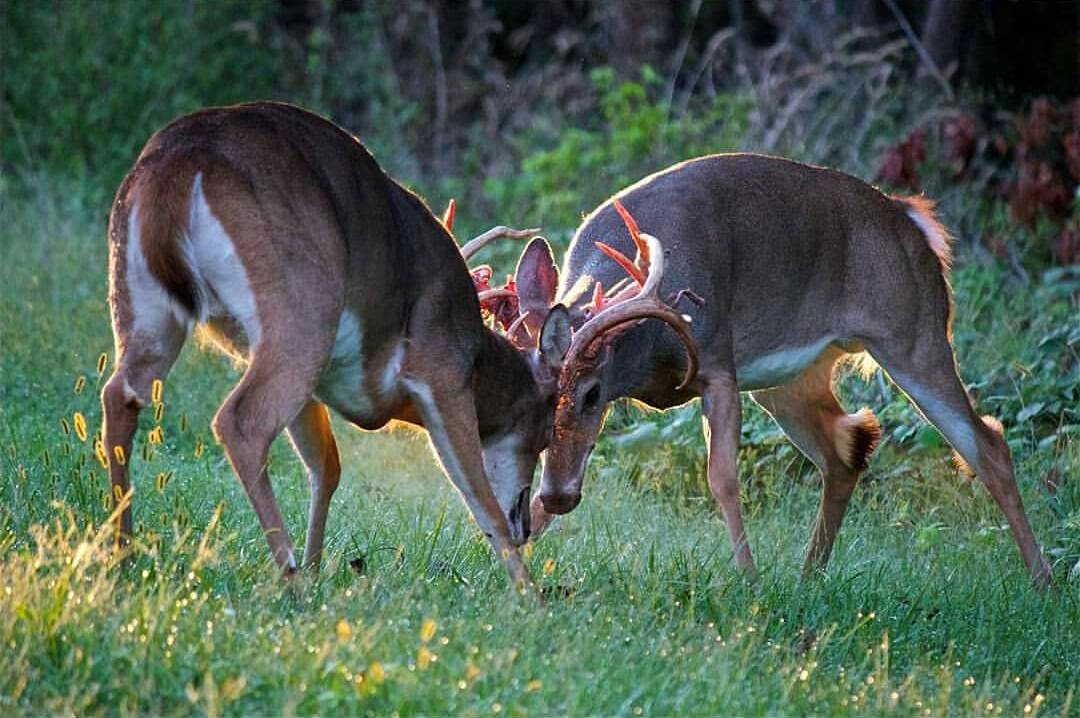
Read the window as biology, not as a movement forecast. Breeding timing is set by photoperiod, so it barely moves from year to year; what a cold snap or a warm November changes is how much of the activity happens in daylight where you can see it. The seeking, chasing and lockdown language hunters use describes the arc inside this window, but those are common usage terms rather than agency data, so the dates above are the only timeline this page treats as evidence.
The Oct 23 to Nov 12 window comes from the Southwest Wisconsin CWD, Deer and Predator Study, so it is a southwest Wisconsin finding the agency generalizes in its own newsletters rather than a statewide fetal survey. Conception dates were derived by backtracking 200 days from birth dates of captured fawns, not by fetal back dating of harvested does, so kind stays agency-description. The peak is a computed midpoint; the agency names a three week peak period, not a single date.
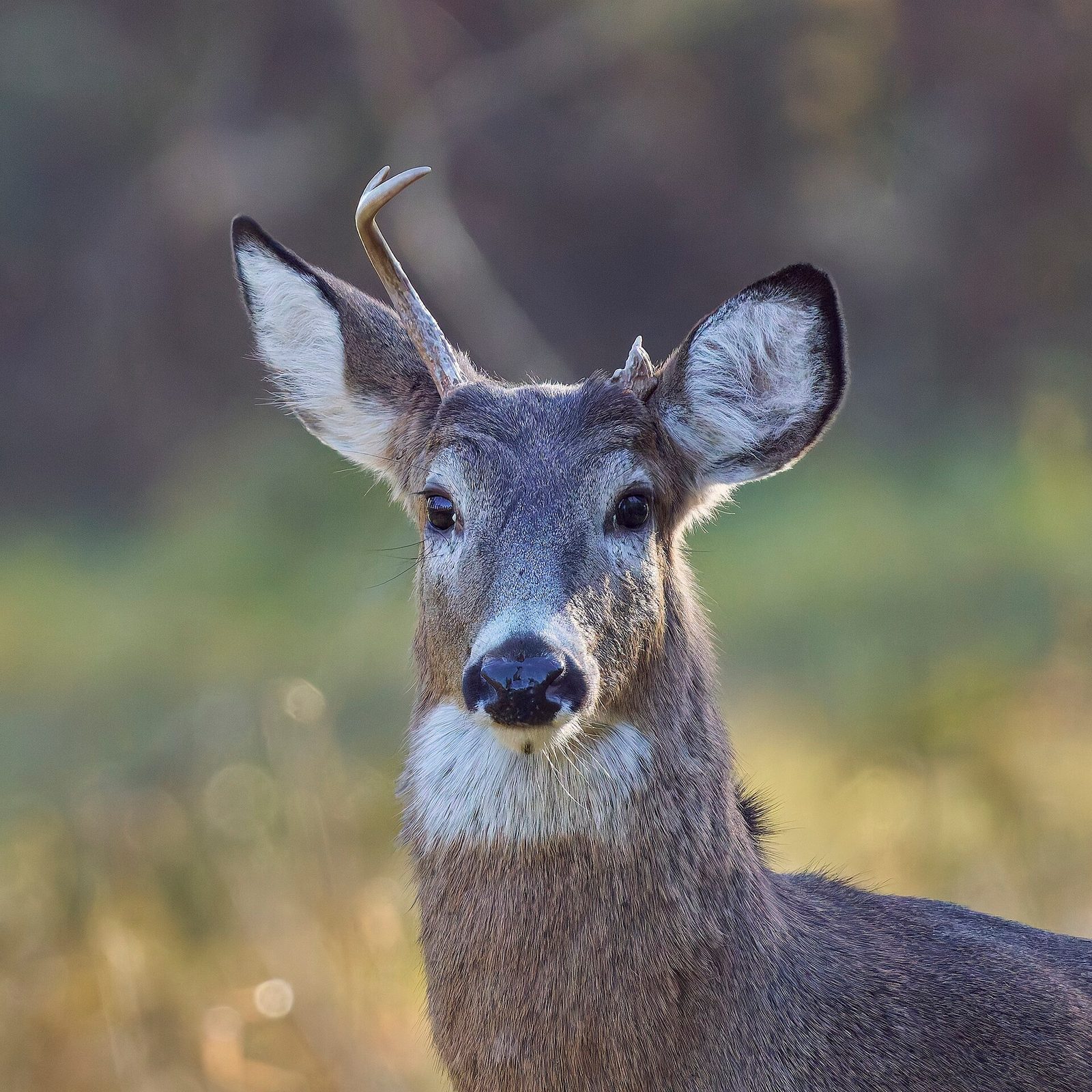
The rut is also a driving season
The same behaviour that makes November worth watching makes it the most dangerous month of the year to drive at dusk in deer country. Bucks travel, does get pushed, and both cross roads with their attention elsewhere. This is the public service half of the page, and it applies to every reader with a windshield, hunter or not.
What Wisconsin itself publishes about deer on the road
This is why deer vehicle collisions are more common in the fall, as buck's increased movement rate put them at greater risk of collisions as they cross and re-cross busy roads with the excitement and distractions of the rut.Wisconsin Department of Natural Resources, Field Notes newsletter September 2024, 2024-09. Read it at the source
MyWild composes no driving advice of its own. The figures above are quoted from the named source, and driver guidance belongs to Wisconsin Department of Natural Resources and your state transportation department.
Wisconsin hunting regulations
Season dates, bag limits and legal methods are set by Wisconsin Department of Natural Resources, are legally binding and change every year. The biology above is stable; the current rules are on the agency page linked below.
Where the Wisconsin records actually are
The map draws every research grade iNaturalist record of Odocoileus virginianus in Wisconsin as a grid of counts, so it shows where people actually record deer. It over draws suburbs, parks and roadsides, because that is where the people are, and that bias is worth seeing on a page that is partly about roads.
Coloured cells are verified Odocoileus virginianus records on iNaturalist, brighter where more have been logged. This is where people have found and photographed the species, so it thins out over roadless country and thickens around parks and towns. It is a record map, not a drawn range boundary. See the underlying records.
In October, Wisconsin has historically produced 467 of those records. See the underlying Wisconsin records on iNaturalist.
Deer rut timing in other states
Wisconsin deer rut questions
Breeding windows on this page are quoted from the named agency source and MyWild adds no timing model on top of them. A window badged as a conception date study is the agency’s measurement; one badged as a description is the agency’s prose. Collision figures are quoted from the named source. Hunting season dates, bag limits and legal methods are set by Wisconsin Department of Natural Resources and published on its pages.