
Georgia Deer Rut 2026
Inside the published breeding window now. Every date below is quoted from Georgia Department of Natural Resources Wildlife Resources Division with the link, and is labelled as the agency's published description.
When deer actually breed in Georgia
Agency descriptionWhite-tailed deer
Georgia: when white-tailed deer breed
October 13 to December 28
Inside the published window now. This is the agency’s own published description of the rut rather than a measured conception distribution.
Researchers at the university of georgia and biologists with the wildlife resources division found a strong correlation between peak deer-vehicle collision timeframes, deer conception dates and the hourly movement rates of deer tracked by gps. Based on that information, deer-vehicle collision data provided by the georgia department of transportation was used to map the timing of peak deer movement in Georgia.Georgia Department of Natural Resources Wildlife Resources Division, Map of Deer Movement in Georgia (Peak Deer Movement in Georgia rut map, county table). Lowercase proper nouns reproduce the PDF text layer, which renders small caps as lowercase.. Read it at the source
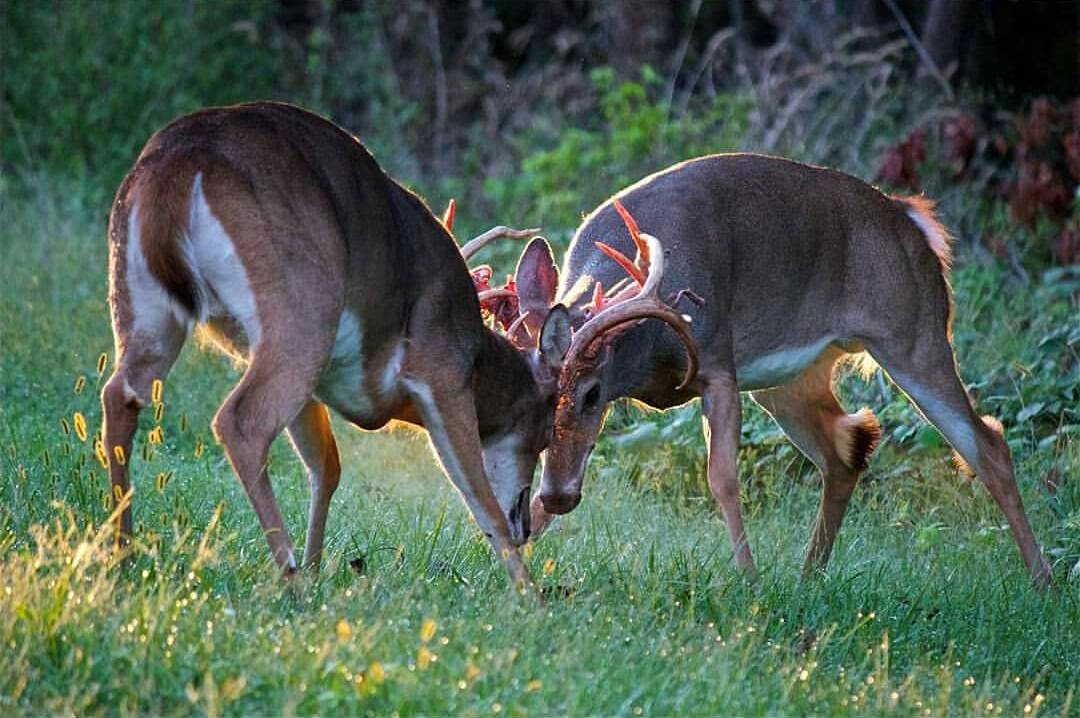
The timing of the rut, or breeding season, for white-tailed deer varies locally, especially in southern climates like Georgia’s. During the rut, the desire to breed causes deer to become more active compared to the rest of the year. Bucks move more and become less secretive, making them easier to hunt and more susceptible to being hit by motor vehicles.Georgia Department of Natural Resources Wildlife Resources Division, Map of Deer Movement in Georgia. Read it at the source
Until this year, we have referred to a map based on historic deer conception data that, while as accurate as it could be when it was developed, definitely needed updating.Georgia Department of Natural Resources bulletin: GA Hunters: New Deer Rut Map Available (quoting Charlie Killmaster, state deer biologist), 2014-09-18. Read it at the source
Read the window as biology, not as a movement forecast. Breeding timing is set by photoperiod, so it barely moves from year to year; what a cold snap or a warm November changes is how much of the activity happens in daylight where you can see it. The seeking, chasing and lockdown language hunters use describes the arc inside this window, but those are common usage terms rather than agency data, so the dates above are the only timeline this page treats as evidence.
Georgia's official rut map plots peak deer movement per county, derived from Georgia DOT deer vehicle collision data that UGA and WRD researchers found strongly correlated with conception dates and GPS movement rates, so it tracks the rut but is not itself a conception date distribution. County peak weeks in the table span Oct 13 to Oct 19 at the earliest (coastal and south central counties) to Dec 22 to Dec 28 at the latest (Seminole County); the window is those table extremes. Counties with under 100 collisions are flagged low accuracy in the document.
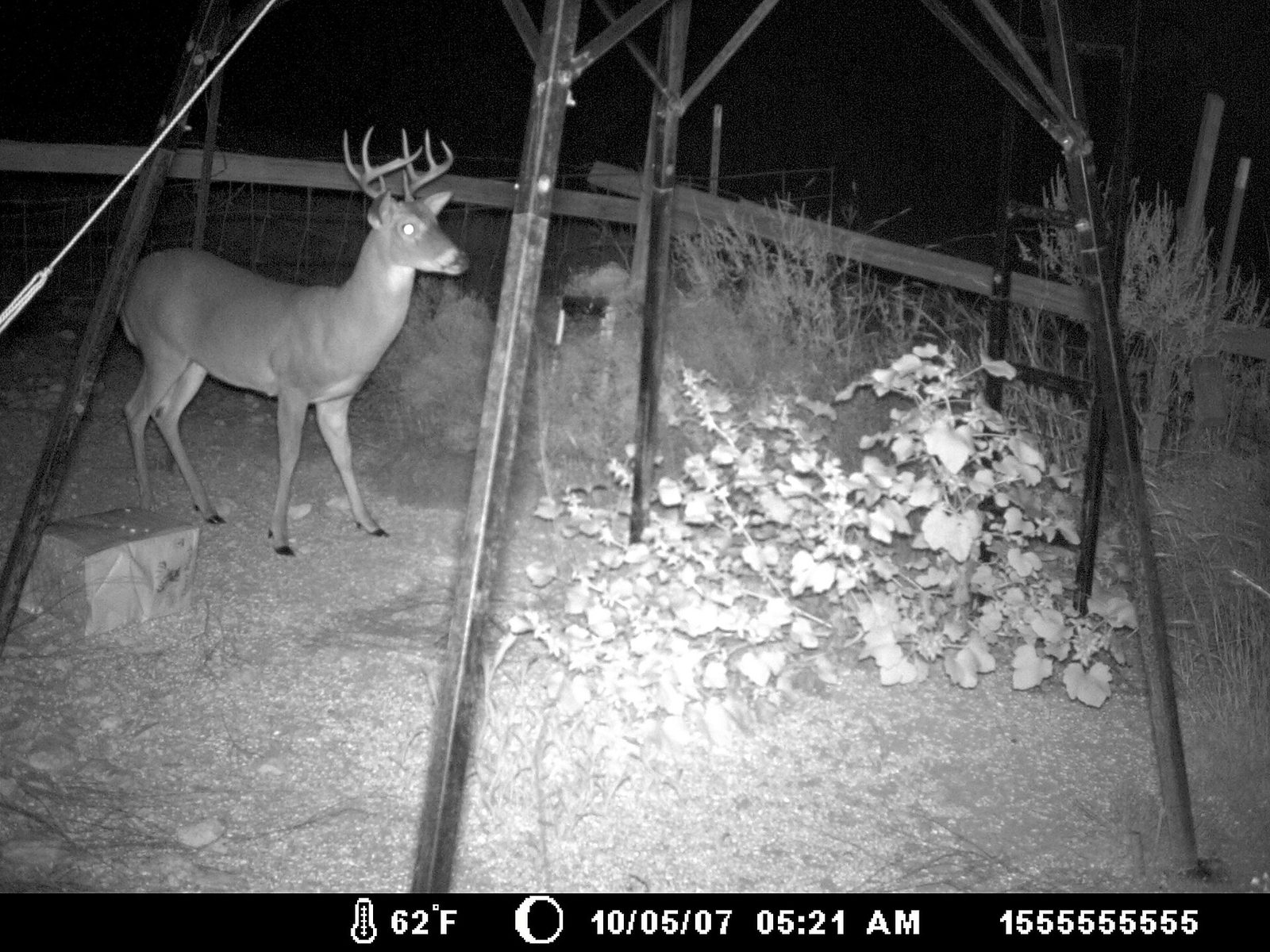
The rut is also a driving season
The same behaviour that makes November worth watching makes it the most dangerous month of the year to drive at dusk in deer country. Bucks travel, does get pushed, and both cross roads with their attention elsewhere. This is the public service half of the page, and it applies to every reader with a windshield, hunter or not.
What Georgia itself publishes about deer on the road
During the rut, the desire to breed causes deer to become more active compared to the rest of the year. Bucks move more and become less secretive, making them easier to hunt and more susceptible to being hit by motor vehicles.Georgia Department of Natural Resources Wildlife Resources Division, Map of Deer Movement in Georgia. Read it at the source
MyWild composes no driving advice of its own. The figures above are quoted from the named source, and driver guidance belongs to Georgia Department of Natural Resources Wildlife Resources Division and your state transportation department.
Georgia hunting regulations
Season dates, bag limits and legal methods are set by Georgia Department of Natural Resources Wildlife Resources Division, are legally binding and change every year. The biology above is stable; the current rules are on the agency page linked below.
Where the Georgia records actually are
The map draws every research grade iNaturalist record of Odocoileus virginianus in Georgia as a grid of counts, so it shows where people actually record deer. It over draws suburbs, parks and roadsides, because that is where the people are, and that bias is worth seeing on a page that is partly about roads.
Coloured cells are verified Odocoileus virginianus records on iNaturalist, brighter where more have been logged. This is where people have found and photographed the species, so it thins out over roadless country and thickens around parks and towns. It is a record map, not a drawn range boundary. See the underlying records.
In October, Georgia has historically produced 538 of those records. See the underlying Georgia records on iNaturalist.
Deer rut timing in other states
Georgia deer rut questions
Breeding windows on this page are quoted from the named agency source and MyWild adds no timing model on top of them. A window badged as a conception date study is the agency’s measurement; one badged as a description is the agency’s prose. Collision figures are quoted from the named source. Hunting season dates, bag limits and legal methods are set by Georgia Department of Natural Resources Wildlife Resources Division and published on its pages.