
Salmon Run Timing: When the Fish Actually Move
A river can carry five separate runs in a year, each a different fish on a different calendar. This is when each one happens in each state, what the river is doing right now, and where the official counts are published.
Fishing seasons are set by your state agency
Open seasons, bag limits, gear restrictions and licence requirements are legally binding, are changed mid season by emergency rule, and are set by your state agency, which every state page links. A run window is not an open season.
Pacific runs and Great Lakes runs are not the same fishery
They share species names and almost nothing else. On the Pacific coast, salmon return to the river they were born in after years at sea, and the run calendar is shaped by ocean conditions, river flow and how far inland the spawning gravel sits. In the Great Lakes, Pacific salmon were introduced in the 1960s, the fishery is largely sustained by hatcheries, and the fish run out of a lake rather than an ocean.
Both are real, both are worth watching, and a page that averaged them would be wrong about both.
| Pacific coast | Great Lakes |
|---|---|
| Native runs returning from the ocean | Introduced from Pacific stock in the 1960s |
| Largely wild reproduction, with hatchery supplementation | Largely hatchery sustained |
| Washington, Oregon, California, Idaho, Alaska | New York, Michigan, Wisconsin, Ohio, Pennsylvania, Indiana, Minnesota |
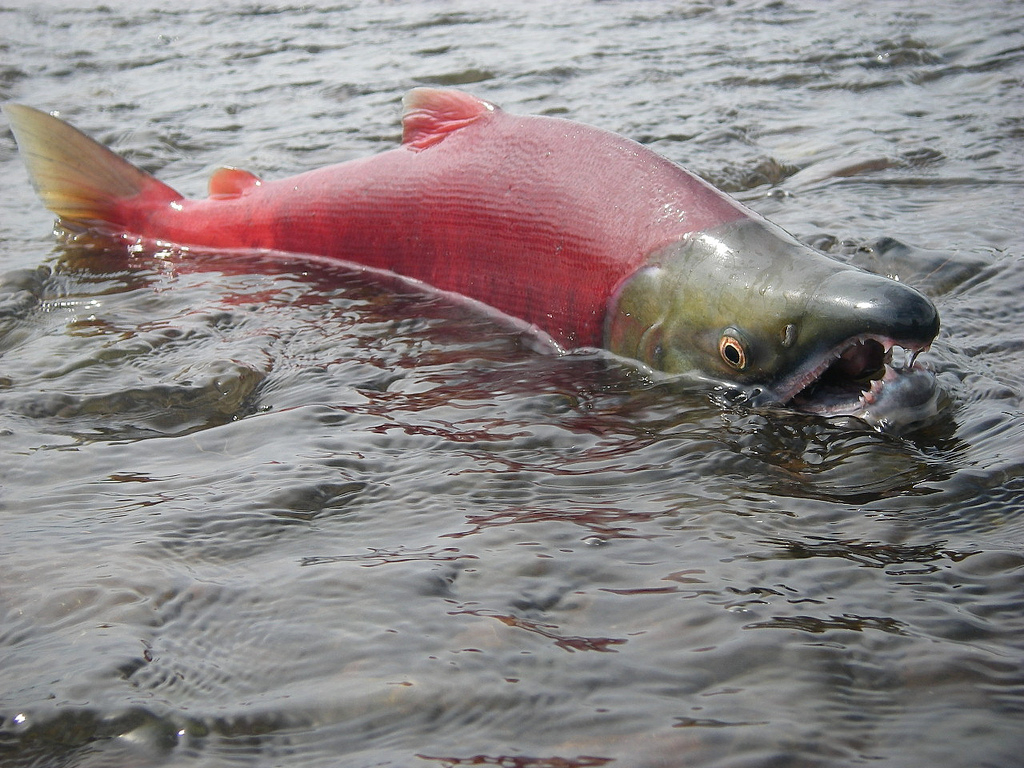
Fish move on the river, not on the calendar
A published run window tells you the fish are in the neighbourhood. It does not tell you they are moving. Salmon stage off a river mouth and wait, sometimes for weeks, until conditions change. That is why every state page here pairs the agency window with live gauge readings from USGS Water Services (National Water Information System).
Rain, then a rise
The classic trigger. Autumn rain lifts a low river and the fish that have been holding off the mouth come in on it. A gauge showing a sharp rise after a dry spell is the single most useful number on this site.
Falling water temperature
Warm low water holds fish out. Cooling water lets them move and reduces the stress of the journey, which is why the same run can be three weeks late in a hot dry autumn.
Day length in the background
The broad timing of a run is set by photoperiod and by the fish's own clock, which is why the window barely moves year to year even when the exact days do.
Distance inland
Fish bound for gravel hundreds of miles upriver leave the ocean first. That is the whole reason spring Chinook exist as a separate run from fall Chinook in the same river.
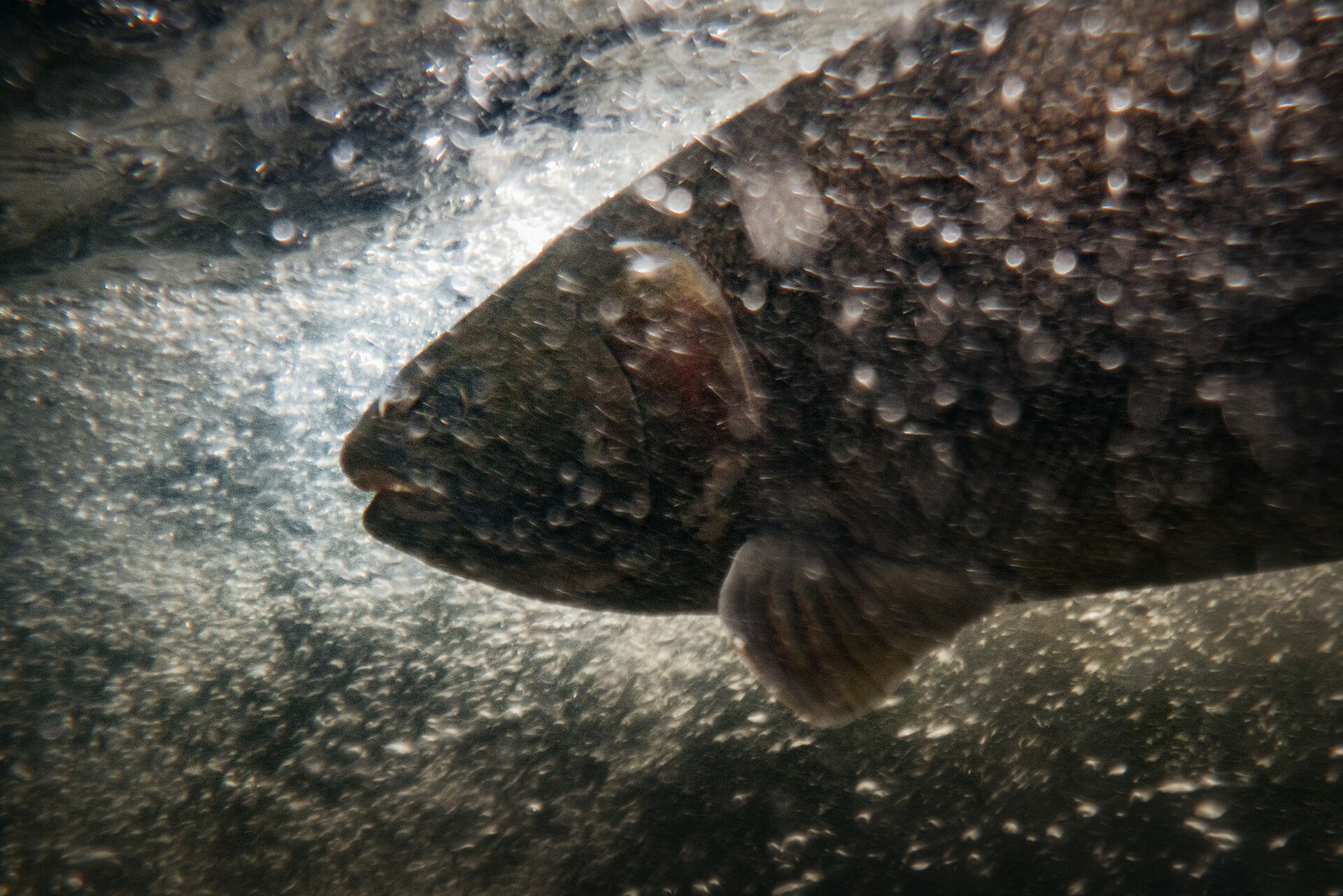
Where the official fish counts are published
Adult passage is counted daily at the Columbia and Snake River dams, fish by fish. It is probably the most exact wildlife dataset published anywhere in the country, and it is free to read. The programmes that publish it are linked below, straight to their query pages.
Where the actual fish counts are published
- Columbia River DART, University of WashingtonDaily adult passage counts at Bonneville, The Dalles, John Day, McNary, Ice Harbor, Lower Monumental, Little Goose and Lower Granite, plus the mid-Columbia and Willamette Falls, updated through yesterday. This is the live count for the Columbia and Snake.
- Indiana DNR Lake Michigan fish ladder countsDaily per species counts from the South Bend fish ladder on the St. Joseph River, from a motion activated camera in the ladder window, with history back to 2011.
- Wisconsin DNR Root River Steelhead Facility reportNumbers of fish processed at the facility, posted at 4pm every Tuesday or Wednesday from September through December and March through May.
- Wisconsin DNR Besadny Anadromous Fisheries Facility reportKewaunee River counts, posted every Tuesday at 4pm from March through April and October through early November.
- Minnesota DNR Lake Superior stream reportsA weekly written report on how the North Shore steelhead run is progressing, posted every Thursday through Memorial Day. Not a count, but the most useful running commentary any agency publishes on a run in progress.
Salmon run timing by state
Salmon in other states
Having salmon in your water is not the same as having a tributary run somebody can go and watch on a date. The states below have salmon without a dated run.
- Illinois. Illinois has Lake Michigan salmon but effectively no tributary run. Its own Department of Natural Resources writes that Chinook do not reproduce in Lake Michigan and that coho move to tributary streams on the eastern side of the lake, which is to say into Michigan and Wisconsin. A page here would be describing somebody else’s rivers.
- The other thirty eight states. No Pacific salmon run and no Great Lakes salmonid run. The Atlantic coast has real spring runs of alewife, blueback herring, American shad and striped bass, and Maine has the last wild Atlantic salmon in the country, but those are different fish on a different schedule.
Salmon runs, answered
The rest of the water
Runs sit alongside the rest of the year on the water: lake guides, when the ice goes off, beach and rip current conditions, and algal bloom status.
Run windows are quoted from the state or federal agency that published them, with a link, on each state page. Live river conditions come from USGS Water Services (National Water Information System). Fishing regulations are set and published by each state agency, linked from every state page.