Skip to content
Pacific salmon and steelhead · Alaska

When Salmon and Steelhead Run in Alaska

Alaska has all five Pacific salmon in numbers nowhere else comes close to, and the whole thing happens between late May and November. Everything above about sixty degrees north is compressed into half a year.

5
Runs on this page
each with the sentence it came from
5
Species
Chinook, Sockeye, Coho, Pink, Chum
12
Rivers read live
USGS gauges
2
In window today
Coho, silvers, Pink, humpies

Seasons, limits and licence rules are set by your state agency.

The calendar

Alaska run by run

Each bar below spans January to December, with today marked, and draws the quoted sentence underneath it. Where an agency describes a run by season rather than by month, the card carries the sentence without a bar.

Chinook, kings

Window has passed
May 1 to July 31

Alaska gets one Chinook run per river rather than the two, three or four that Pacific Northwest rivers split into.

Alaska streams normally receive a single run of Chinook salmon in the period from May through July.
Alaska Department of Fish and Game

Sockeye, reds

Window has passed
June 1 to July 31

The Bristol Bay fish, and the largest sockeye run on earth. They need a lake in the system, which is why the Kvichak, the Naknek and the Nushagak carry them and neighbouring rivers do not.

In Alaska, most sockeye salmon return to spawn in June and July in freshwater drainages that contain one or more lakes.
Alaska Department of Fish and Game

Coho, silvers

In the window now
July 1 to November 30

The last big run of the Alaskan year, and the one most obviously triggered by weather rather than by date.

Coho salmon enter spawning streams from July to November, usually during periods of high runoff.
Alaska Department of Fish and Game

Pink, humpies

In the window now
June 25 to October 15

Two year fish, so odd year and even year populations are genetically separate. Which year is the big one depends on where you are: Washington gets its pinks in odd years, while Fish and Game notes even year abundance on Bird Creek and the Susitna. Do not carry one rule across the map.

return to the river they were born to spawn between late June and mid-October
Alaska Department of Fish and Game

Chum, dogs

No months published
The agency describes this run by season rather than by month.

Alaska splits chum into a summer race and a fall race, most visibly on the Yukon. Run timing varies by river, and the state publishes it per fishery rather than as statewide months.

the earlier-running race is referred to as summer chum salmon, and the later-running race is called fall chum salmon
Alaska Department of Fish and Game
Advertisement
Right now

What Alaska rivers are doing today

Live water temperature and discharge from USGS gauges, with the time each reading was taken. These are river conditions, not fish counts.
RiverWater tempFlowMeasured
Kenai Riverat SoldotnaLoadingLoading
Kenai Riverat Cooper LandingLoadingLoading
Copper Riverat Million Dollar BridgeLoadingLoading
Yukon Riverat Pilot StationLoadingLoading
Kvichak Riverat IgiugigLoadingLoading
Talkeetna Rivernear TalkeetnaLoadingLoading
Little Susitna Rivernear PalmerLoadingLoading
Ship Creeknear AnchorageLoadingLoading
Situk Rivernear YakutatLoadingLoading
Taku Rivernear JuneauLoadingLoading
Salmon Rivernear HyderLoadingLoading
Chena Rivernear Two RiversLoadingLoading

Source: USGS Water Services (National Water Information System). Instantaneous values service. U.S. Geological Survey data are works of the United States Government and are in the public domain. Gauge list verified 2026-08-24.

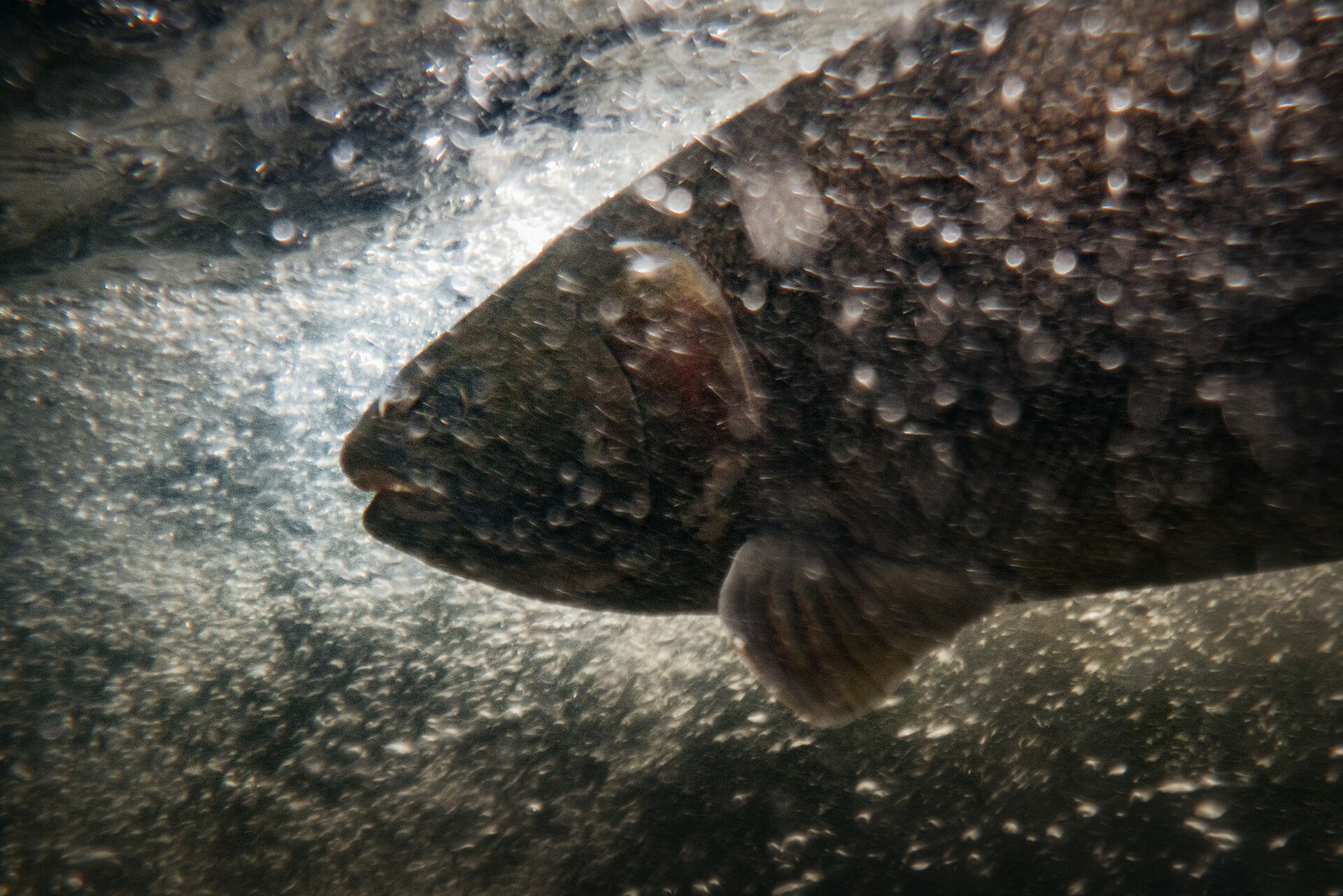
A salmon held in fast white water full of bubbles, photographed from underwater at the foot of a fish passage structure
A coho at the base of a fish ladder at Lower Lake Creek Falls in Oregon, in water so aerated it reads as static. Every dam between the sea and the spawning gravel is a place where a run can stall, which is one reason flow matters as much as the calendar does. “The Greatest Journey (52547039906)” — BLM Oregon & Washington — Public Domain
Named waters

River by river, from Fish and Game

Alaska Fish and Game publishes run timing charts by area, and these are the entries for the rivers this page carries a live gauge on. The timings below are the fish; the charts also carry the regulations that run alongside them, so read them in full at the source.

RiverRunTiming
Kenai RiverChinookEarly run mid May through late June; late run from early July
Kenai RiverSockeyeMid July through mid August
Kenai RiverCohoLate July through mid October
Kenai RiverPinkMid July through August
Russian RiverSockeyeEarly run mid June to mid July; late run from mid July
Russian RiverCohoEarly August through end of September
Kasilof RiverChinookFrom late May
Kasilof RiverSockeyeJune through August
Kasilof RiverSteelheadLate March through mid May, and again late August through mid November
Ship CreekChinookFrom late May
Ship CreekCohoMid July through late September
Little Susitna RiverChinookLower river from May; upper river from mid June
Little Susitna RiverSockeyeMid July through early August
Little Susitna RiverCohoLower river mid July through mid August; upper river early August through early September
Talkeetna RiverChinookFrom mid June
Eyak River, Copper River deltaSockeyeLate May through late July
Cordova roadside streamsCohoEarly August through September

Source: Alaska Department of Fish and Game, Division of Sport Fish, Southcentral Region run timing charts. Seasons and limits are set by the agency.

The rivers themselves

What is particular about Alaska

The one Alaskan river with a full federal run calendar is the upper Copper. The Park Service puts sockeye there between late May and August, Chinook between late May and July, and coho from early August to late September. At Brooks River in Katmai, where the bear cameras are, the Park Service describes salmon arriving in late June, the migration peaking in July, and the fish spawning and dying through late August.

Sockeye Salmon (reds): arrive in the upper Copper River between late-May and August and spawn in streams and lakes mostly between August and September.
National Park Service, Wrangell-St. Elias National Park and Preserve
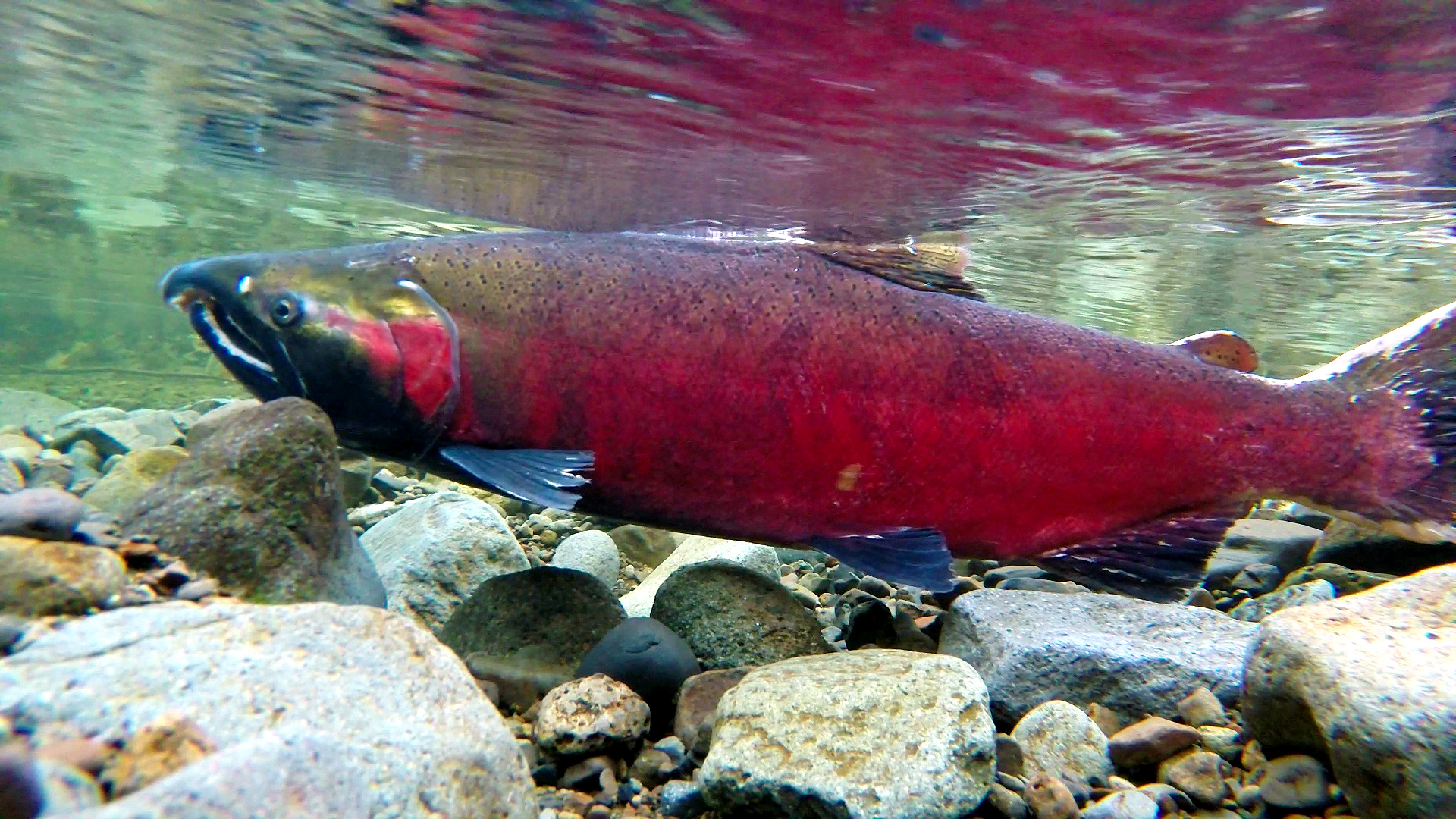
A deep red coho salmon with a dark green hooked head, photographed underwater just above a bed of pale gravel
A coho on the spawning gravel, photographed by the Bureau of Land Management on the Salmon River in Oregon. The colour and the hooked jaw are what an adult does to itself after it enters fresh water; the fish that left the ocean a few weeks earlier was plain silver. That change is why a run window and a spawning window are different questions. “Coho Spawning on the Salmon River (16148779468)” — Bureau of Land Management Oregon and Washington — Public Domain
Fish counts

Where to find real fish numbers

Fish passage counts are published by the programmes that run the counting stations, linked below with what each one reports.

No agency publishes a live or near live count on any Alaska river covered here. The live readings above are river conditions, and the agency linked at the top of the page is the source for run reports.

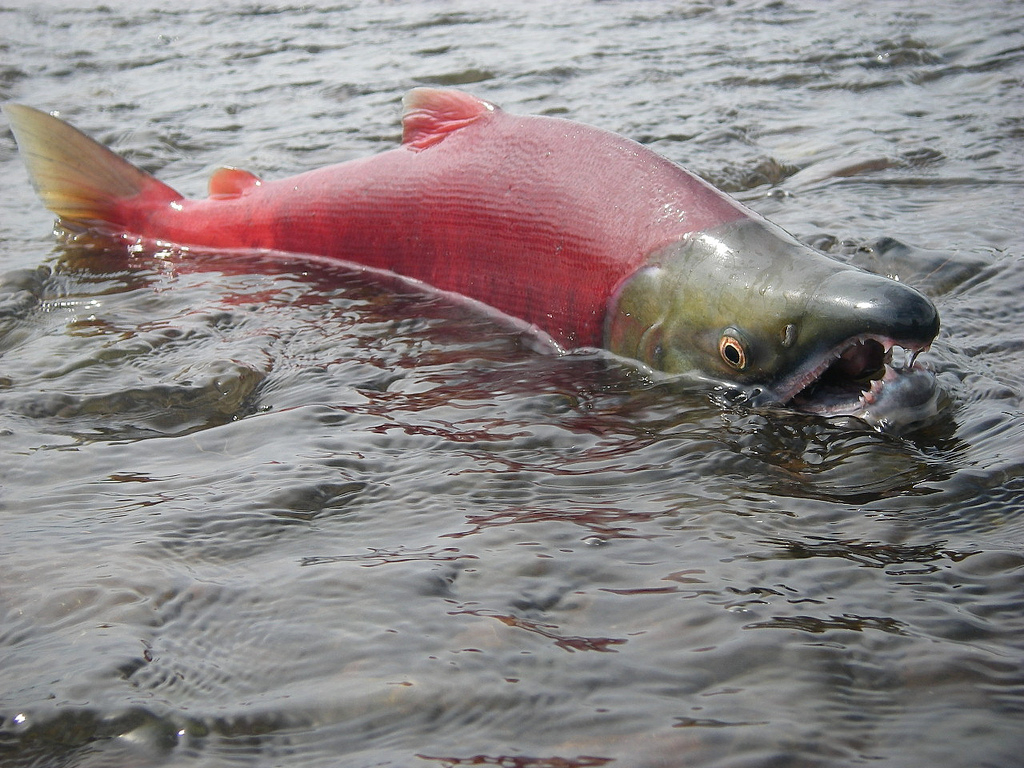
A bright red sockeye salmon with a green head and an open hooked jaw, half out of the water in a shallow stream
A spawning male sockeye. Sockeye are the run that most obviously needs a particular kind of river: they rear as fry in a lake, so a system without one gets no sockeye at all, however good the gravel is. “July 2010, Spawning male sockeye (6990781448)” — US Environmental Protection Agency — Public Domain
Common questions

Alaska salmon run timing FAQ

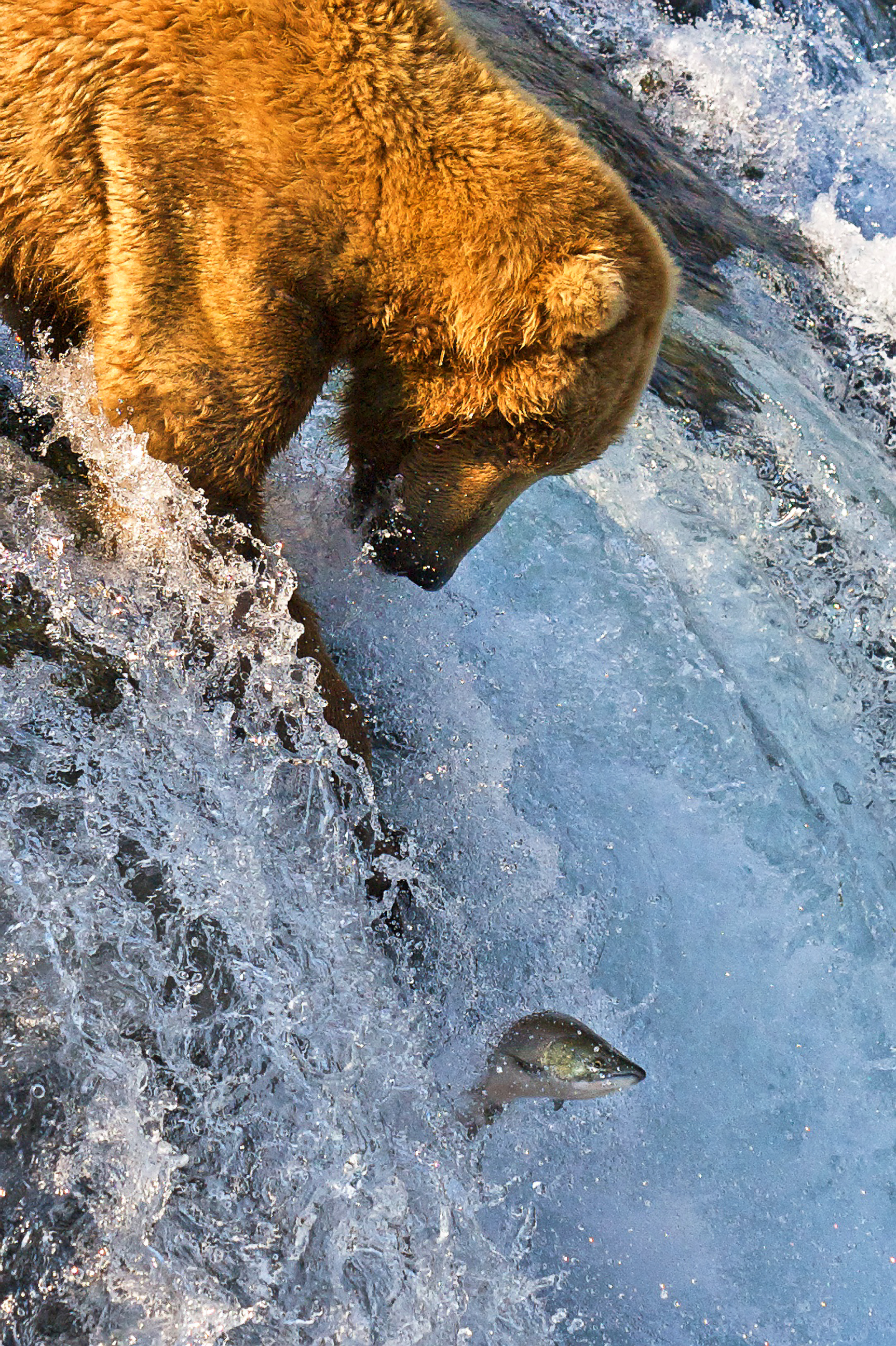
A brown bear leaning out over the lip of a waterfall with a salmon leaping clear of the white water below it
Alaska water. Everything on this page is about the weeks in which fish move through it. “Grizzly Bear Fishing Brooks Falls” by Azov, CC BY-SA 3.0
The rest of the Alaska year

Plan the rest of your Alaska calendar

Other Pacific coast states

More West states with a run

Advertisement

Run windows on this page are quoted from the agency named beside each one. River conditions come from the U.S. Geological Survey and are readings, not forecasts and not fish counts. Fishing seasons, bag limits, gear rules and licence requirements for Alaska are set by the agency linked here, and a run window is not an open season. For rules, see Alaska Department of Fish and Game. National picture: every state with a salmon or steelhead run →
Hero image: “Grizzly Bear Fishing Brooks Falls” by Azov, CC BY-SA 3.0