
Coyote Season by State: Mating, Pups and Pet Safety
What coyotes are doing this month where you live, from winter mating to spring pups and fall dispersal, with each state agency’s own advice for keeping dogs and cats safe.
October across the country: Dispersal
The usual coyote yearThe young of the year leave home to find their own ground, crossing roads and turning up in neighborhoods new to them.
For pets: Young coyotes new to a place are still learning what to avoid: keep cats indoors and walk dogs on a short leash at dawn and dusk.
Across the country, dispersal usually runs from October to December. Pick your state for its agency’s own months.
Next comes mating season, from January.
The coyote year, month by month
Mating in late winter, pups in spring, families together through summer, and the young of the year leaving home in fall. Pick a state above and the months below follow its agency’s own calendar.
- JanMating
- FebMating
- MarMating
- AprPups
- MayPups
- JunPups
- JulFamily
- AugFamily
- SepFamily
- OctDispersalNow
- NovDispersal
- DecDispersal
- Mating season: January to March
- Pup season: April to June
- Family season: July to September
- Dispersal: October to December
How to keep pets safe from coyotes
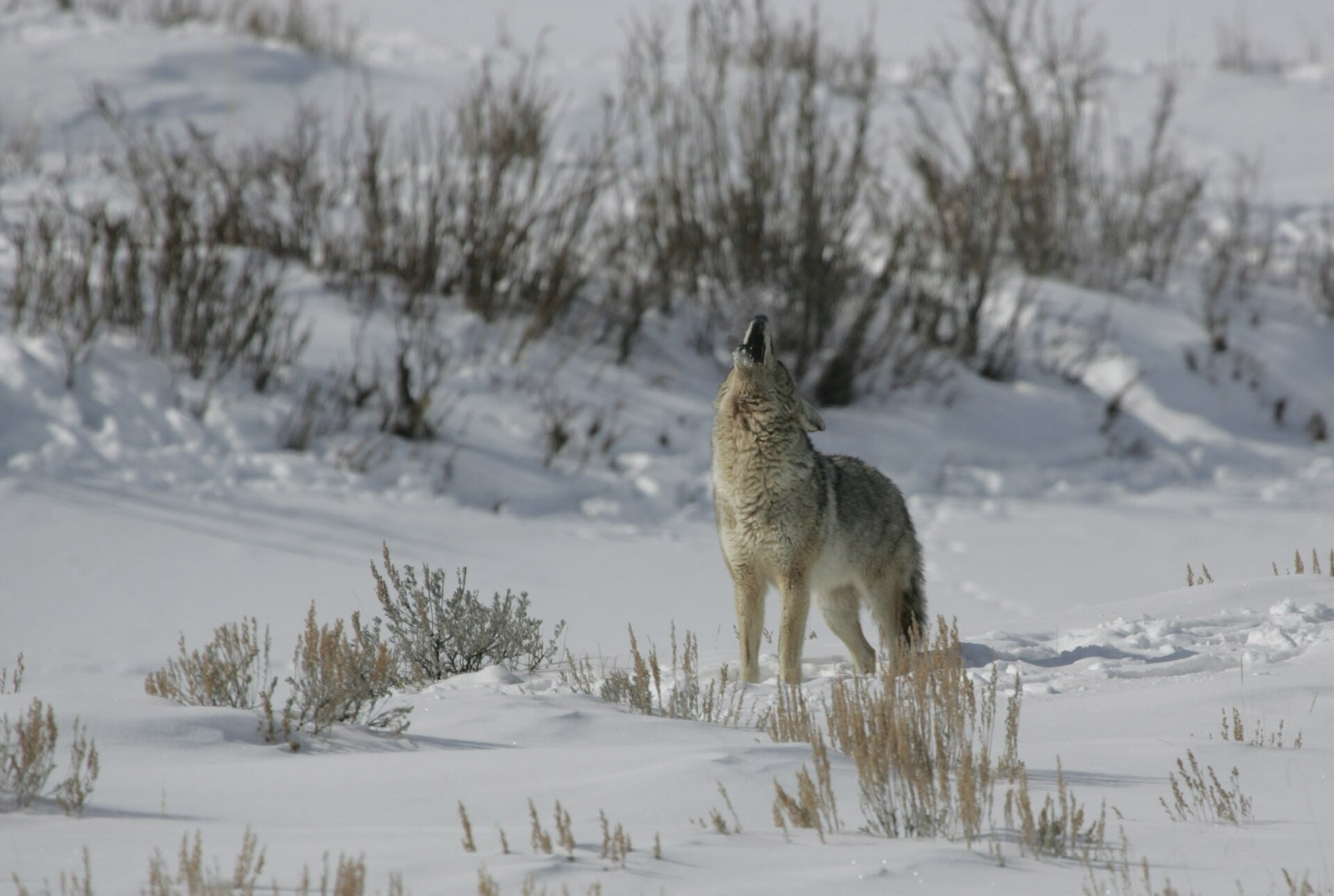
Pet advice from wildlife agencies and extension services in 49 states, grouped by what it asks of you, the most common first. The count is how many states give that advice; the lines under it are theirs, word for word.
Secure garbage and compost
35 statesContain garbage in a closed receptacle.
Iowa DNR. Read it at the sourceSecure garbage containers and eliminate garbage odors.
USDA Wildlife Services in Arkansas. Read it at the sourceFeed pets indoors
31 statesDo not feed pets outside.
NYS DEC in New York. Read it at the sourceDo not leave pet food outside.
Nebraska Game and Parks. Read it at the sourceWalk dogs on a leash
28 statesWalk your dog on a leash when outdoors.
ODFW in Oregon. Read it at the sourceKeep pets inside or leashed when outside.
Georgia DNR. Read it at the sourceFence or kennel pets
26 statesInstall coyote proof fencing to protect unsupervised pets.
Virginia DWR. Read it at the sourceMonitor pets when they are outdoors, even in a fenced in yard.
Georgia DNR. Read it at the sourceBring pets in at dawn, dusk and night
25 statesBring pets in at night.
NJDEP Fish & Wildlife in New Jersey. Read it at the sourceKeep pets on a leash, and do not let them roam at night.
Nebraska Game and Parks. Read it at the sourceStay with pets outside
24 statesDon’t leave your dog outside unsupervised.
Idaho Fish and Game. Read it at the sourceSupervise small pets at all times when outside.
Arizona Game and Fish. Read it at the sourceKeep cats indoors
15 statesCats should be kept indoors.
Wild Aware Utah. Read it at the sourceKeep cats indoors. Keep an eye on dogs when outdoors.
Indiana DNR. Read it at the sourceNever feed coyotes
15 statesNever intentionally feed coyotes.
CT DEEP in Connecticut. Read it at the sourceNever feed coyotes either intentionally or unintentionally.
FWC in Florida. Read it at the sourceClean up bird seed and fallen fruit
10 statesElevate bird feeders so that coyotes can’t get at them.
The DNREC Division of Fish and Wildlife in Delaware. Read it at the sourceSecure food attractants such as garbage, pet food, and bird seed.
Georgia DNR. Read it at the source
What agencies mean by hazing a coyote
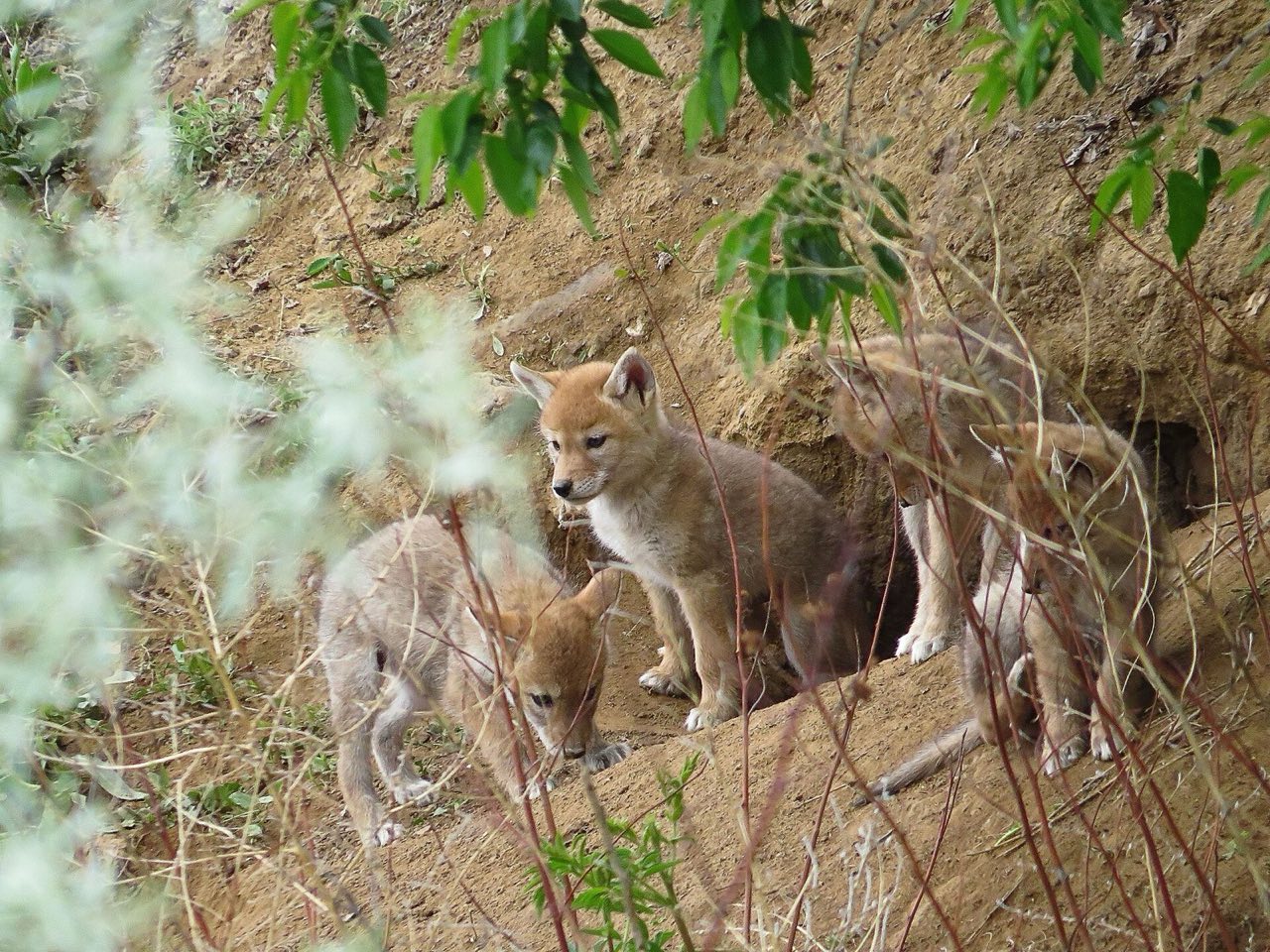
Advice from 38 states says to scare off a coyote that comes too close, and 34 of them say to make noise. In their words:
Chase coyotes off your property. Keep coyotes wild by "hazing" them, which means doing things to scare them or chase them away.RIDEM in Rhode Island. Read it at the source
How agencies say to do it
Make loud noise—yell, clap, blow a whistle.California Fish and Wildlife. Read it at the source
Moving toward the coyote while waving your arms or clapping.CT DEEP in Connecticut. Read it at the source
Bang pots and pans, yell, or use an air horn.Georgia DNR. Read it at the source
Do make loud noises: shout, whistle, clap hands, stomp feet.KDFWR in Kentucky. Read it at the source
If a coyote follows you
Do not run or turn your back on a coyote that has approached you. Face the coyote, shout at it, be as big and loud as possible, wave your arms and back away slowly.Wild Aware Utah. Read it at the source
Coyote hunting and trapping by state
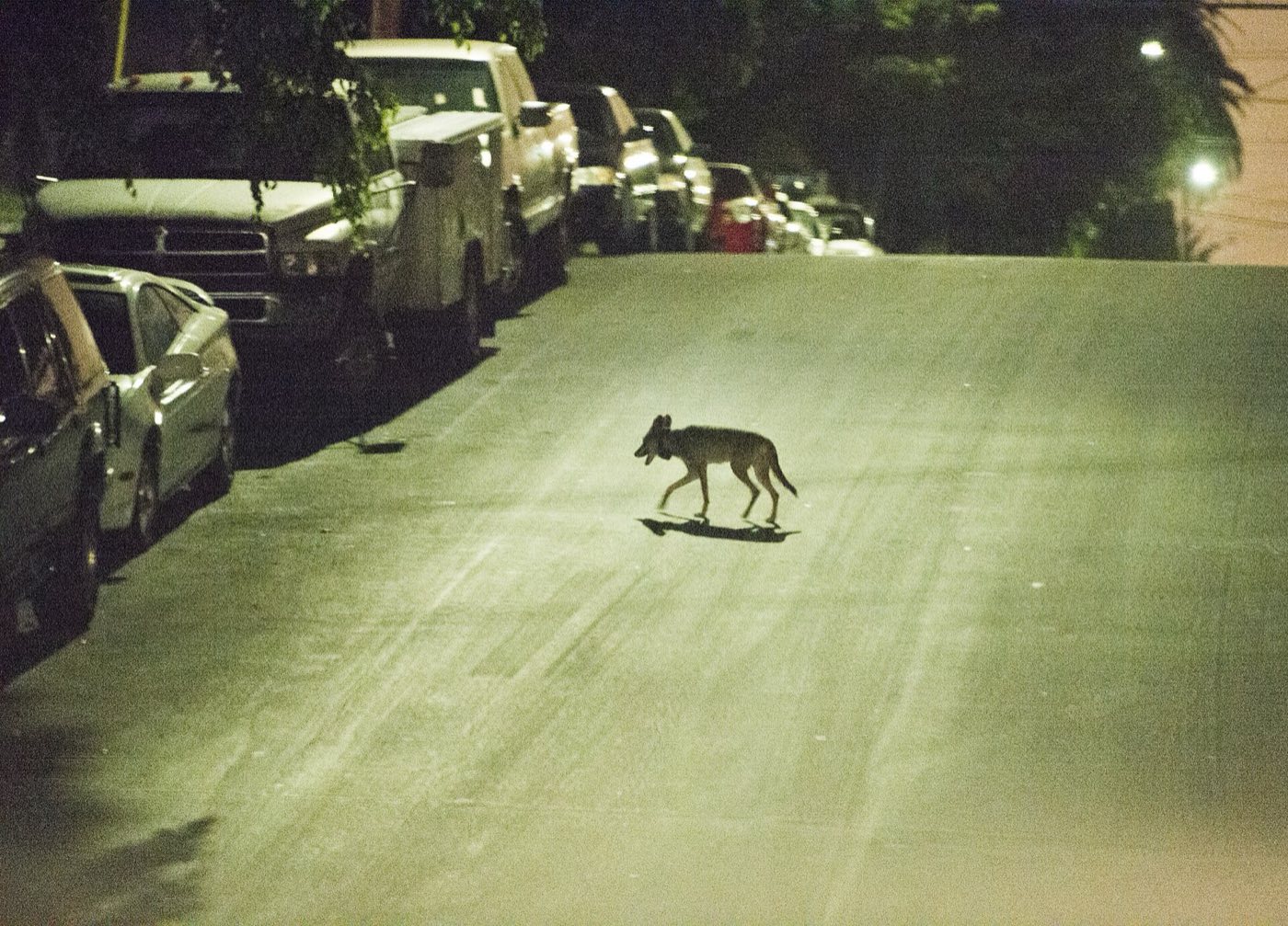
44 of the 49 states keep coyote hunting open all year. Each state’s page gives the season year, the license and the agency’s own words.
| State | Hunting | Bag limit | Night hunting | Trapping |
|---|---|---|---|---|
| AlabamaAlabama Wildlife and Freshwater Fisheries | All year | No limit | With limits | All year |
| AlaskaAlaska Fish and Game | All year in most units | No limit in most units; two coyotes, Sept 1 to Apr 30, in Units 1 to 5, 18 and 22 | With limits | 9 seasons |
| ArizonaArizona Game and Fish | All year | No limit | With limits | Nov 1 to Feb 28 |
| ArkansasArkansas Game and Fish | All year | No limit | With limits | Aug 1 to Mar 31 |
| CaliforniaCalifornia Fish and Wildlife | All year | No limit | With limits | See the rules |
| ColoradoColorado Parks and Wildlife | All year | 2 a day (possession unlimited) | With limits | All year |
| ConnecticutCT DEEP | All year | No limit | Not allowed | Winter: Jan 1 to Mar 15; Fall: Nov 8 to Dec 31 |
| DelawareDNREC Division of Fish and Wildlife | All year | No limit | Not allowed | Nov 1 to Mar 10 |
| FloridaFWC | All year | No limit | Allowed | All year |
| GeorgiaGeorgia DNR | All year | No limit | With limits | All year |
| IdahoIdaho Fish and Game | All year | No limit | With limits | All year |
| IllinoisIDNR | All year | No limit | With limits | Nov 10 to Feb 15 |
| IndianaIndiana DNR | Oct 15 to Mar 15 | See the rules | Allowed | Oct 15 to Mar 15 |
| IowaIowa DNR | All year | No limit | With limits | Nov 7 to Feb 28 |
| KansasKDWP | All year | No limit | With limits | All year |
| KentuckyKDFWR | All year | No limit | With limits | Land sets: Nov 16 to Feb 28; Water sets: Nov 16 to Mar 31 |
| LouisianaLDWF | All year | See the rules | With limits | Nov 20 to Mar 31 |
| MaineMDIFW | All year | No limit | With limits | 2 seasons |
| MarylandMaryland DNR | All year | No limit | Allowed | 2 seasons |
| MassachusettsMassWildlife | Oct 17 to Mar 8 | No limit | With limits | Nov 1 to Nov 30 |
| MichiganMichigan DNR | Oct 15 to Mar 1 | No limit | With limits | Oct 15 to Mar 1 |
| MinnesotaMinnesota DNR | All year | See the rules | With limits | All year |
| MississippiMDWFP | All year | See the rules | With limits | All year |
| MissouriMDC | All year | No limit | With limits | 2 seasons |
| MontanaMontana FWP | All year | See the rules | See the rules | See the rules |
| NebraskaNebraska Game and Parks | All year | No limit | With limits | See the rules |
| NevadaNDOW | All year | See the rules | See the rules | All year |
| New HampshireNH Fish and Game | All year | No limit | With limits | WMUs A to F: Oct 15 to Mar 31; WMUs G to M: Nov 1 to Mar 31 |
| New JerseyNJ Fish & Wildlife | Sep 8 to Mar 15 | No limit | With limits | Statewide: Nov 15 to Mar 15; Stocked WMAs: Jan 1 to Mar 15 |
| New MexicoNMDOW | All year | No limit | With limits | All year |
| New YorkNYS DEC | Oct 1 to Mar 28 | No limit | Allowed | See the rules |
| North CarolinaNC Wildlife Resources Commission | All year | No limit | With limits | Oct 1 to Feb 28 |
| North DakotaNorth Dakota Game and Fish | All year | See the rules | With limits | All year |
| OhioODNR Division of Wildlife | All year | No limit | With limits | All year |
| OklahomaOklahoma Wildlife Department | All year | No limit | With limits | All year |
| OregonODFW | All year | No limit | With limits | All year |
| PennsylvaniaPennsylvania Game Commission | All year | No limit | With limits | Oct 24 to Feb 21 |
| Rhode IslandRIDEM | All year | No limit | With limits | Nov 1 to Feb 28 |
| South CarolinaSCDNR | All year | See the rules | With limits | Dec 1 to Mar 1 |
| South DakotaSouth Dakota Game, Fish and Parks | All year | No limit | With limits | All year |
| TennesseeTWRA | All year | No limit | With limits | All year |
| TexasTPWD | All year | No limit | Allowed | All year |
| UtahUtah DWR | All year | No limit | With limits | All year |
| VermontVermont Fish & Wildlife | All year | See the rules | See the rules | Oct 24 to Dec 31 |
| VirginiaVirginia DWR | All year | No limit | Allowed | All year |
| WashingtonWDFW | All year | No limit | With limits | See the rules |
| West VirginiaWVDNR | All year | No limit | With limits | Nov 7 to Feb 28 |
| WisconsinWisconsin DNR | All year | No limit | With limits | Oct 17 to Feb 15 |
| WyomingWyoming Game and Fish | All year | No limit | With limits | All year |
Read from each agency’s regulations on October 13, 2026. Seasons, methods and night rules can differ by unit and by public or private land, so read the agency’s page before you go out.
Coyote season questions
Coyote season by state
Hawaii, the one state without wild coyotes
Coyotes now live in every state but Hawaii.Florida Fish and Wildlife Conservation Commission. Read it at the source
Hunters in Hawaii go after other game, and the Hawaii hunting license guide has the license and the tag. The most recent state coyotes reached is Delaware:
Delaware is recognized as the 49th state populated by the species.DNREC Division of Fish and Wildlife. Read it at the source
Every fact links to the agency, extension or statute page it was read from, each read October 13, 2026. Mating, pup and dispersal months are the state agency’s own where it prints them; the national calendar fills the rest. Sighting counts are iNaturalist research grade records, which count sightings, not coyotes.