
Coyote Season in Kansas: Mating, Pups and Pet Safety
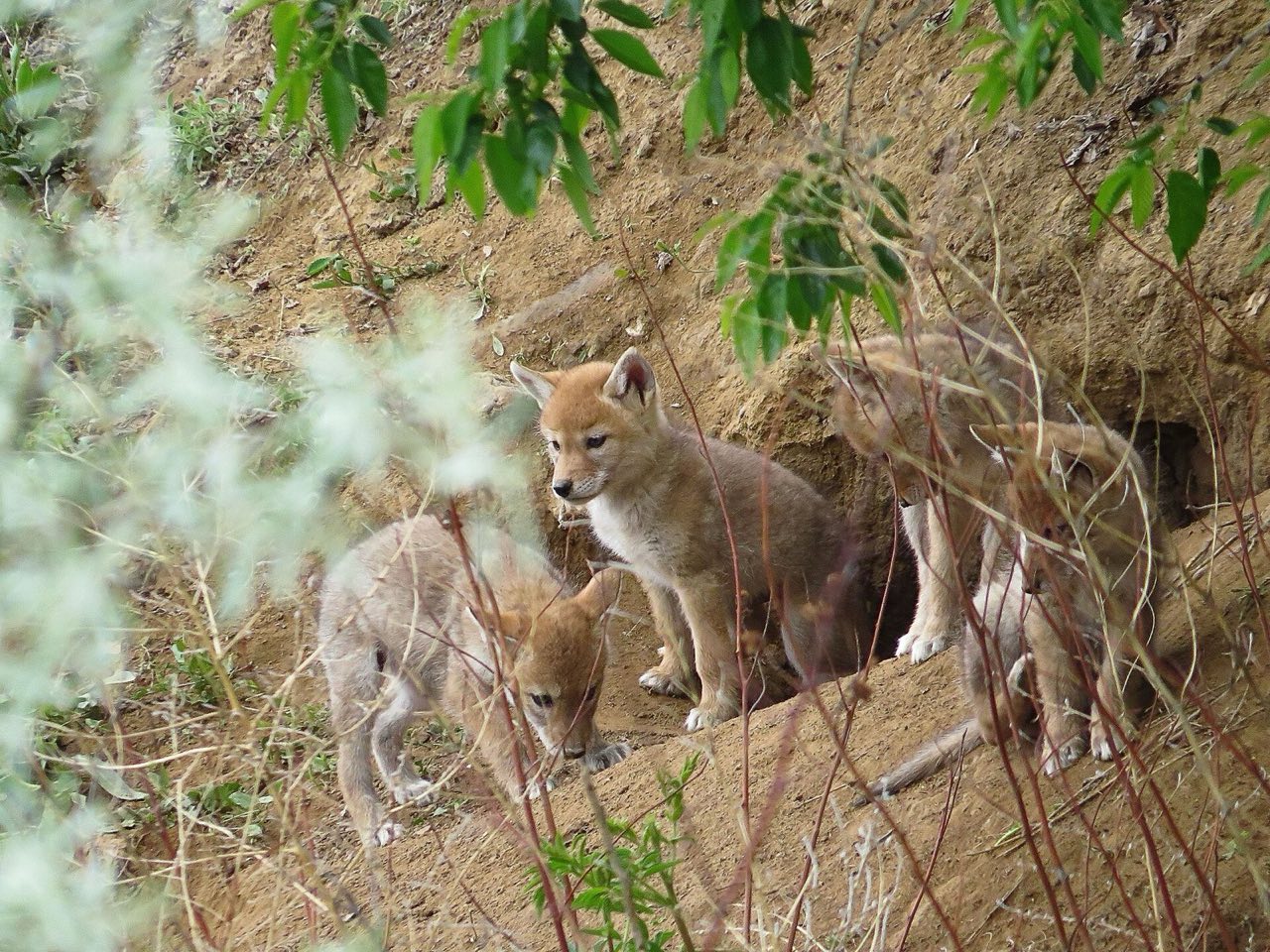
In Kansas, coyotes mate in February and March and pups are born in April and May, according to KDWP; coyote hunting is open all year with no bag limit.
October in Kansas: Dispersal
The usual coyote yearThe young of the year leave home to find their own ground, crossing roads and turning up in neighborhoods new to them.
For pets: Young coyotes new to a place are still learning what to avoid: keep cats indoors and walk dogs on a short leash at dawn and dusk.
Across the country, dispersal usually runs from October to December.
Next comes mating season, from January.
- JanMating
- FebMating
- MarMating
- AprPups
- MayPups
- JunPups
- JulFamily
- AugFamily
- SepFamily
- OctDispersalNow
- NovDispersal
- DecDispersal
- Mating season: February and March, per KDWP
- Pup season: April and May, per KDWP
- Family season: July to September, from the national calendar
- Dispersal: October to December, from the national calendar
How to keep pets safe from coyotes in Kansas
KDWP, read October 13, 2026. Read it at the source
- Do not leave pets outside unattended. Even in a fenced yard, cats and small dogs may be at risk of attack. Risk is greatest at dawn, dusk and nighttime, when coyotes are most active.
- Do not leave out water sources (removing water sources also reduces mosquito populations).
- A small complete enclosure within a yard is a safer option if you must leave the pet outside. Keep pets on a leash while walking.
If a coyote comes close
If you see a coyote, scare it away. Shout, throw rocks or sticks and act aggressively toward any unwanted coyote by waving your arms until it leaves. Coyotes that recognize people as a threat are less likely to become a problem.KDWP, read October 13, 2026. Read it at the source
If a coyote follows you
Do not run or turn your back on a coyote that has approached you. Face the coyote, shout at it, be as big and loud as possible, wave your arms and back away slowly.Wild Aware Utah. Read it at the source
More on living with coyotes in Kansas: KDWP.
Who to call about a coyote in Kansas
For a coyote that is bold around people, pets or homes in Kansas:
Regional KDWP office nearest you (Region 1 Hays, Region 2 Topeka, Region 3 Wichita)
Also: licensed nuisance wildlife control operators for removal
The best option for coyote removal in urban areas is usually to hire a licensed nuisance wildlife control operator (NWCO) who will remove coyotes for a fee. City and state officials typically do not remove urban coyotes.KDWP, read October 13, 2026. Read it at the source
Coyote hunting and trapping in Kansas
- Hunting
- All year2026 rules
- Bag limit
- No limit
- License
- A hunting license to hunt, a furharvester license to trap
- Night hunting
- With limits
- Trapping
- All year2026 rules
Season Dates (statewide): All year Season Limit: No limit There is no closed season for trapping or hunting coyotes.KDWP, read October 13, 2026. Read it at the source
There is no closed season for trapping or hunting coyotes. Motor vehicles and radios in vehicles may be used to hunt coyotes only. Furharvester license is required to trap and sell; hunting license is required to hunt and sell.KDWP, read October 13, 2026. Read it at the source
Night Vision Season: September 1 to March 31 the following year excluding antlered deer firearm seasons. (Night Hunting Equipment Permit required)KDWP, read October 13, 2026. Read it at the source
Read from each source on October 13, 2026. Methods, night rules and public land rules can change by unit, so read KDWP’s page before you go out. Every state’s coyote seasons.
When people report coyotes in Kansas
Reading the last thirty days of reports from iNaturalist.
Kansas coyote questions
Coyote season in other states
Every fact links to the page it was read from, each read October 13, 2026. Mating, pup and dispersal months are the agency’s own where it prints them; the national calendar fills the rest. Sighting counts are iNaturalist research grade records, which count sightings, not coyotes. Coyote season across the country.