
Coyote Season in Rhode Island: Mating, Pups and Pet Safety
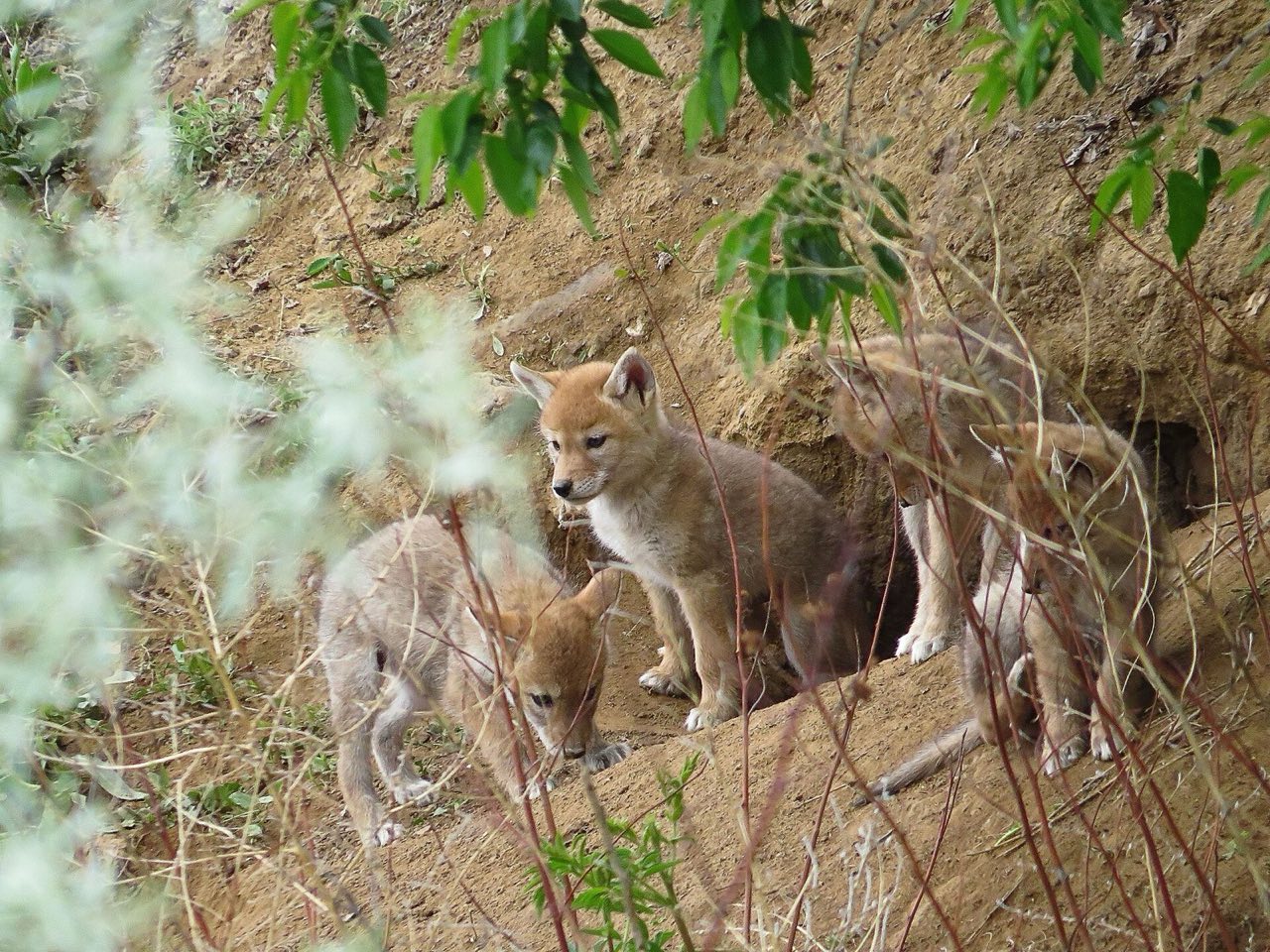
In Rhode Island, coyotes mate from December to March and pups are born in April, according to RIDEM; coyote hunting is open all year with no bag limit.
October in Rhode Island: Dispersal
The usual coyote yearThe young of the year leave home to find their own ground, crossing roads and turning up in neighborhoods new to them.
For pets: Young coyotes new to a place are still learning what to avoid: keep cats indoors and walk dogs on a short leash at dawn and dusk.
Across the country, dispersal usually runs from October to December.
Next comes mating season, from December.
- JanMating
- FebMating
- MarMating
- AprPups
- MayPups
- JunPups
- JulFamily
- AugFamily
- SepFamily
- OctDispersalNow
- NovDispersal
- DecMating
- Mating season: December to March, per RIDEM
- Pup season: April, per RIDEM
- Family season: July to September, from the national calendar
- Dispersal: October and November, from the national calendar
How to keep pets safe from coyotes in Rhode Island
RIDEM, read October 13, 2026. Read it at the source
- Keep pets, particularly cats, indoors. Coyotes don't distinguish between domestic and wild animals and are likely to view cats and small dogs as potential food and larger dogs as competition.
- For the safety of your pets, always keep them leashed when outdoors and feed them indoors.
RIDEM, read October 13, 2026. Read it at the source
- Never intentionally feed coyotes. It is illegal in Rhode Island and will create problems for humans and coyotes alike.
- Trash should be secured in containers and only put out on the curb the morning of trash collection.
If a coyote comes close
Chase coyotes off your property. Keep coyotes wild by "hazing" them, which means doing things to scare them or chase them away.RIDEM, read October 13, 2026. Read it at the source
If a coyote follows you
If the coyotes stops or is inquisitive, remain calm, make loud noises, try to look big and intimidating, and slowly back away. DO NOT attempt to approach the coyote or turn and run away. If the coyote attempts to approach, go inside and report the observation to the Environmental Police: (401) 222-3070.RIDEM, read October 13, 2026. Read it at the source
More on living with coyotes in Rhode Island: RIDEM.
Who to call about a coyote in Rhode Island
For a coyote that is bold around people, pets or homes in Rhode Island:
RIDEM Division of Law Enforcement (Environmental Police)
If the coyote attempts to approach, go inside and report the observation to the Environmental Police: (401) 222-3070.RIDEM, read October 13, 2026. Read it at the source
Coyote hunting and trapping in Rhode Island
- Hunting
- All year2026 to 2027 rules
- Bag limit
- No limit
- License
- A Rhode Island hunting license (a trapping license to trap, except residents trapping on land they own and live on)
- Night hunting
- With limits
- Trapping
- Nov 1 to Feb 282026 to 2027 rules
Coyotes season on state lands is from September 15 until the last day in February, and during the open spring turkey hunting season, April 29–May 23, 2027. There is no closed season for coyote hunting on private lands.RIDEM, read October 13, 2026. Read it at the source
No person shall hunt, trap, pursue, take or kill any wild bird or animal in the state without first having obtained a Rhode Island hunting or trapping license.RIDEM, read October 13, 2026. Read it at the source
Shooting hours for coyotes on private lands is 1/2 hour before sunrise until midnight. Hunters attempting to take coyotes after dark must possess a predator call.RIDEM, read October 13, 2026. Read it at the source
Read the trapping rules at the source.
Read from each source on October 13, 2026. Methods, night rules and public land rules can change by unit, so read RIDEM’s page before you go out. Every state’s coyote seasons.
When people report coyotes in Rhode Island
Reading the last thirty days of reports from iNaturalist.
Rhode Island coyote questions
Coyote season in other states
Every fact links to the page it was read from, each read October 13, 2026. Mating, pup and dispersal months are the agency’s own where it prints them; the national calendar fills the rest. Sighting counts are iNaturalist research grade records, which count sightings, not coyotes. Coyote season across the country.