
Coyote Season in Vermont: Mating, Pups and Pet Safety
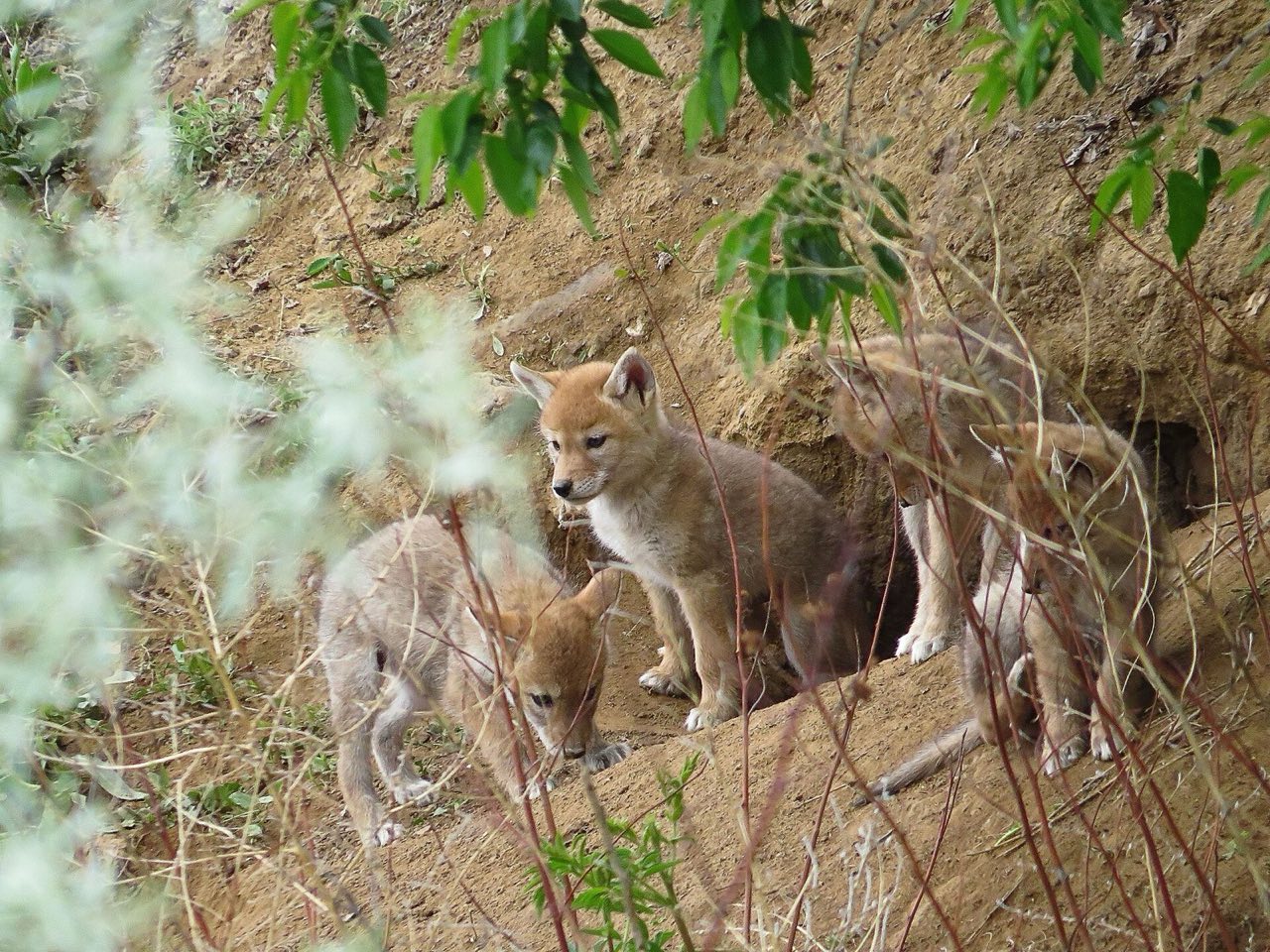
In Vermont, coyotes mate in February and pups are born in April and May, according to Vermont Fish & Wildlife; coyote hunting is open all year.
October in Vermont: Dispersal
The usual coyote yearThe young of the year leave home to find their own ground, crossing roads and turning up in neighborhoods new to them.
For pets: Young coyotes new to a place are still learning what to avoid: keep cats indoors and walk dogs on a short leash at dawn and dusk.
Across the country, dispersal usually runs from October to December.
Next comes mating season, from January.
- JanMating
- FebMating
- MarMating
- AprPups
- MayPups
- JunPups
- JulFamily
- AugFamily
- SepFamily
- OctDispersalNow
- NovDispersal
- DecDispersal
- Mating season: February, per Vermont Fish & Wildlife
- Pup season: April and May, per Vermont Fish & Wildlife
- Family season: July to September, from the national calendar
- Dispersal: October to December, from the national calendar
How to keep pets safe from coyotes in Vermont
Vermont Fish & Wildlife, read October 13, 2026. Read it at the source
- The Fish and Wildlife Department recommends avoiding recreating near known den sites through September, making sure to keep dogs leashed, and using deterrence techniques like making loud noises, waving your arms, or throwing sticks or stones if approached by a coyote.
What most state agencies advise
Secure garbage and compost, advised in 35 states
Contain garbage in a closed receptacle.Iowa DNR. Read it at the source
Feed pets indoors, advised in 31 states
Do not feed pets outside.NYS DEC in New York. Read it at the source
Walk dogs on a leash, advised in 28 states
Walk your dog on a leash when outdoors.ODFW in Oregon. Read it at the source
If a coyote comes close
To help keep Vermont’s coyotes wild, we recommend similar steps to those advised for bears: minimize attractants like unsecured garbage or livestock, use deterrents like loud noises to haze individuals away from your property, and report coyotes that show consistent bold behavior or little fear of people to Fish and Wildlife.Vermont Fish & Wildlife, read October 13, 2026. Read it at the source
If a coyote follows you
The Fish and Wildlife Department recommends avoiding recreating near known den sites through September, making sure to keep dogs leashed, and using deterrence techniques like making loud noises, waving your arms, or throwing sticks or stones if approached by a coyote.Vermont Fish & Wildlife, read October 13, 2026. Read it at the source
More on living with coyotes in Vermont: Vermont Fish & Wildlife.
Who to call about a coyote in Vermont
For a coyote that is bold around people, pets or homes in Vermont:
Vermont Fish & Wildlife Department
To help keep Vermont’s coyotes wild, we recommend similar steps to those advised for bears: minimize attractants like unsecured garbage or livestock, use deterrents like loud noises to haze individuals away from your property, and report coyotes that show consistent bold behavior or little fear of people to Fish and Wildlife.Vermont Fish & Wildlife, read October 13, 2026. Read it at the source
Coyote hunting and trapping in Vermont
- Hunting
- All year2026 rules
- License
- A Vermont hunting license (resident landowners hunting their own land are exempt)
- Trapping
- Oct 24 to Dec 312026 rules
In Vermont, coyotes can be hunted at any time during the year.Vermont Fish & Wildlife, read October 13, 2026. Read it at the source
Any person engaged in fishing, hunting, trapping or taking any wild animals must be properly licensed, except as listed below under exceptions.Vermont Fish & Wildlife, read October 13, 2026. Read it at the source
Read the trapping rules at the source.
Read from each source on October 13, 2026. Methods, night rules and public land rules can change by unit, so read Vermont Fish & Wildlife’s page before you go out. Every state’s coyote seasons.
When people report coyotes in Vermont
Reading the last thirty days of reports from iNaturalist.
Vermont coyote questions
Coyote season in other states
Every fact links to the page it was read from, each read October 13, 2026. Mating, pup and dispersal months are the agency’s own where it prints them; the national calendar fills the rest. Sighting counts are iNaturalist research grade records, which count sightings, not coyotes. Coyote season across the country.