
Coyote Season in Wisconsin: Mating, Pups and Pet Safety
In Wisconsin, coyotes mate in February and March and pups are born in April, according to Wisconsin DNR; coyote hunting is open all year with no bag limit.
October in Wisconsin: Dispersal
The usual coyote yearThe young of the year leave home to find their own ground, crossing roads and turning up in neighborhoods new to them.
For pets: Young coyotes new to a place are still learning what to avoid: keep cats indoors and walk dogs on a short leash at dawn and dusk.
Across the country, dispersal usually runs from October to December.
Next comes mating season, from January.
- JanMating
- FebMating
- MarMating
- AprPups
- MayPups
- JunPups
- JulFamily
- AugFamily
- SepFamily
- OctDispersalNow
- NovDispersal
- DecDispersal
- Mating season: February and March, per Wisconsin DNR
- Pup season: April, per Wisconsin DNR
- Family season: July to September, from the national calendar
- Dispersal: October to December, from the national calendar
How to keep pets safe from coyotes in Wisconsin
Wisconsin DNR, read October 13, 2026. Read it at the source
- Do not provide food and water for other wildlife. It may attract coyotes and their prey.
- Remove potential food sources such as open garbage cans, bird feeders and pet food bowls. Never intentionally feed coyotes.
- Install a 6-7-foot-high fence buried approximately 1 foot deep to help keep coyotes out of an area.
If a coyote comes close
Use scare tactics if you see a coyote. Yell and make loud noises, shake or throw pop cans filled with coins, throw a ball, shoe, sticks or other objects or spray the coyote with water.Wisconsin DNR, read October 13, 2026. Read it at the source
If a coyote follows you
Do not run or turn your back on a coyote that has approached you. Face the coyote, shout at it, be as big and loud as possible, wave your arms and back away slowly.Wild Aware Utah. Read it at the source
More on living with coyotes in Wisconsin: Wisconsin DNR.
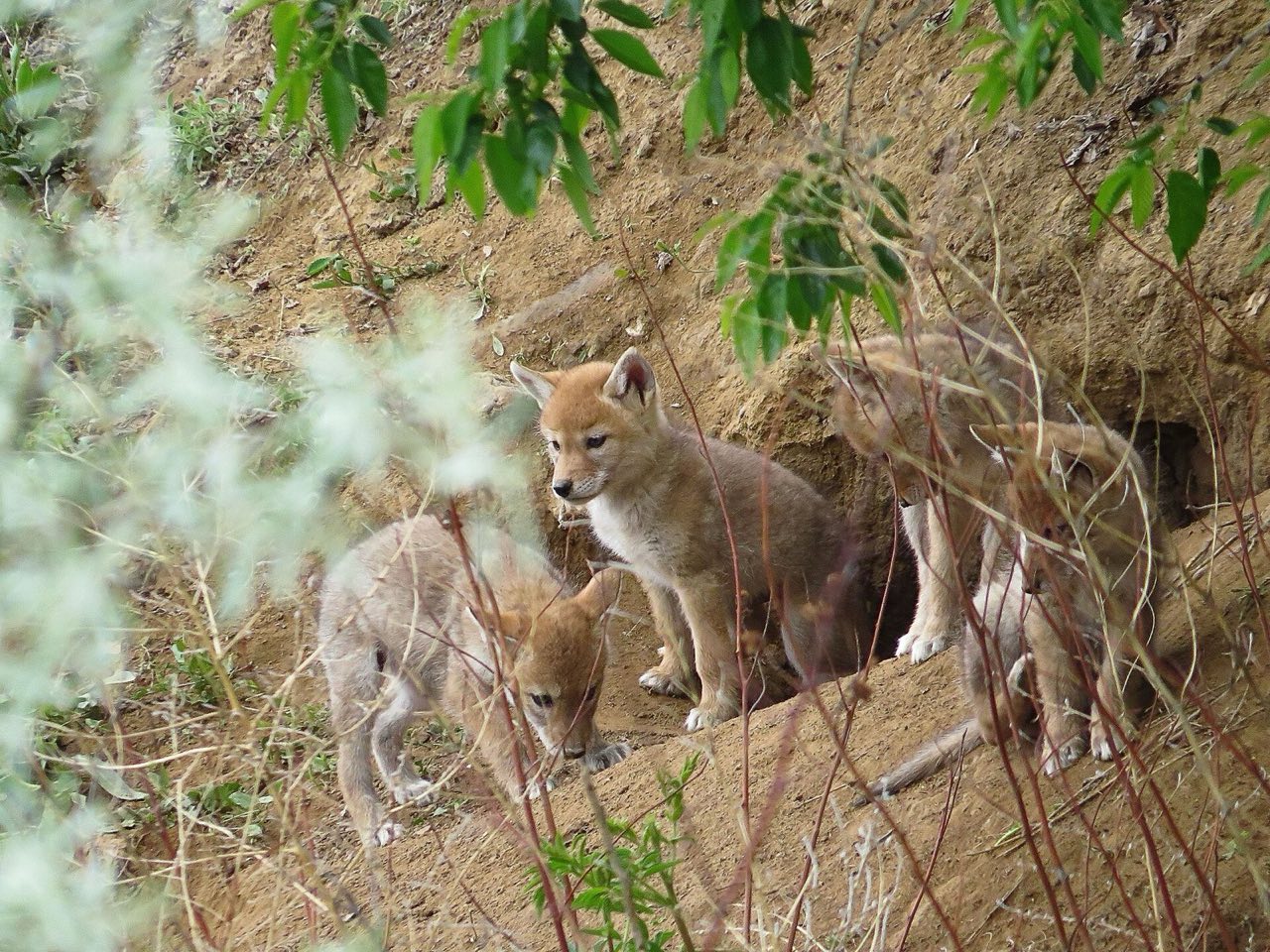
Who to call about a coyote in Wisconsin
For a coyote that is bold around people, pets or homes in Wisconsin:
Wisconsin DNR wildlife damage and nuisance staff (by email, from the Nuisance, Urban and Damaging Wildlife page)
Coyote hunting and trapping in Wisconsin
- Hunting
- All year2026 to 2027 rules
- Bag limit
- No limit
- License
- A resident small game license (a trapping license to trap); no DNR license to hunt or trap coyotes on your own property
- Night hunting
- With limits
- Trapping
- Oct 17 to Feb 152026 to 2027 rules
What You Need To Hunt Furbearers: - Resident small game license or non-resident furbearer license.Wisconsin DNR, read October 13, 2026. Read it at the source
Unprotected species (as well as coyote, fox and raccoon) may be hunted without shooting hour restrictions except if hunting with a bow or crossbow during certain times of the year.Wisconsin DNR, read October 13, 2026. Read it at the source
Read the trapping rules at the source.
Read from each source on October 13, 2026. Methods, night rules and public land rules can change by unit, so read Wisconsin DNR’s page before you go out. Every state’s coyote seasons.
When people report coyotes in Wisconsin
Reading the last thirty days of reports from iNaturalist.
Wisconsin coyote questions
Coyote season in other states
Every fact links to the page it was read from, each read October 13, 2026. Mating, pup and dispersal months are the agency’s own where it prints them; the national calendar fills the rest. Sighting counts are iNaturalist research grade records, which count sightings, not coyotes. Coyote season across the country.