
Bear hibernationNorth Carolina
When Do Bears Hibernate in North Carolina?
North Carolina bears are feeding hard before winter, and go into their dens between November and January.
Today, October 13
The bears
Fattening upBears start going into their dens in early November.
Bird feeders
Feeders stay down most of the year
Bears here den late and wake early: by NC Wildlife's den and wake months, February is the only month most are in their dens. So the window is short, about four weeks: up in early February, down again in early March. NC Wildlife says male bears in North Carolina's coastal plain may stay active all winter, so even then, put a feeder up only if no bears are around.
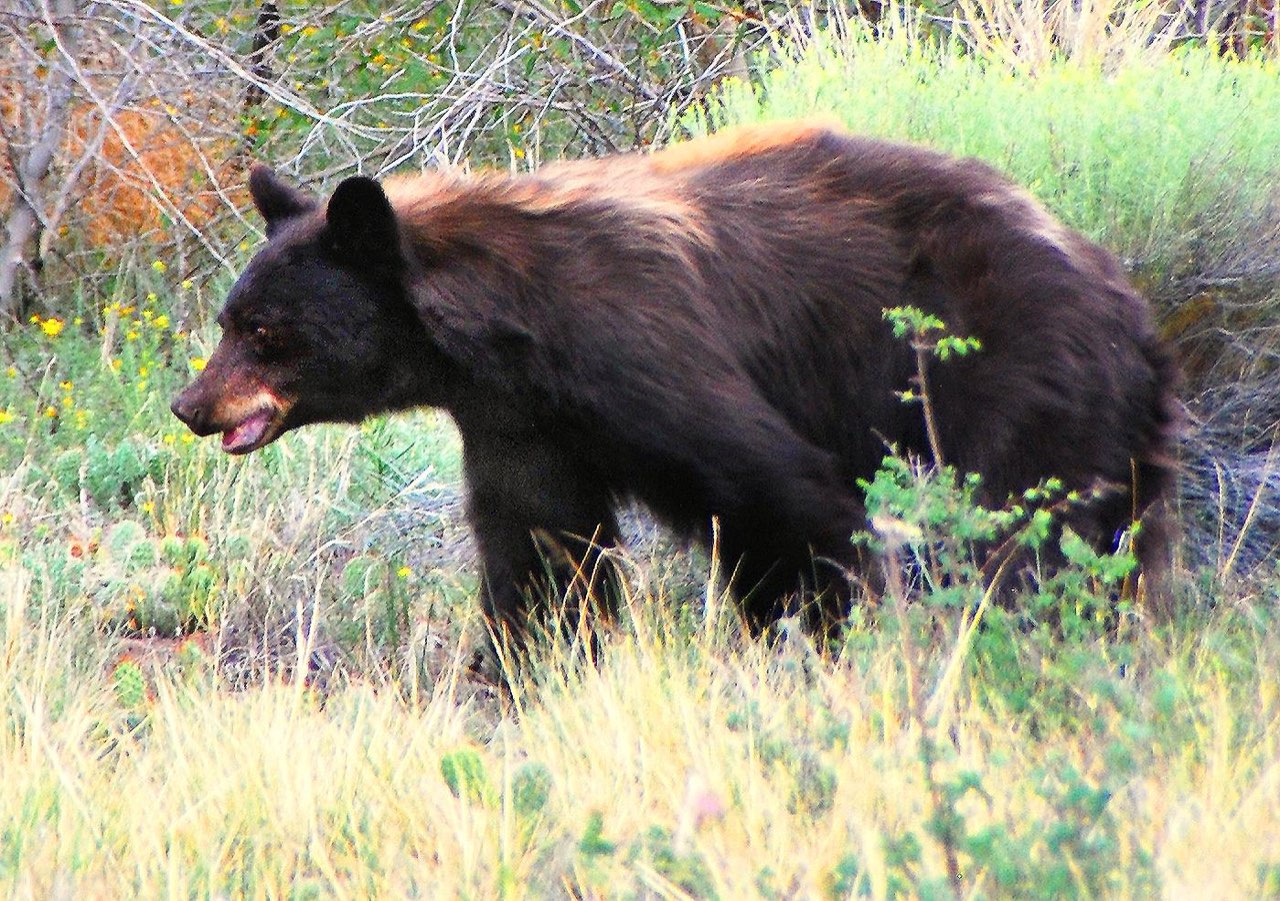
Photo: “Black bear on a snowy spring day”, Neal Herbert, National Park Service, Public domain
Dens and feeders in North Carolina
By NC Wildlife's den and wake monthsBears go into their dens over several weeks and come out over several more, so each is a span. Feeders go up once the dens are full and come down again as the first bears wake. Bears here den late and wake early, so feeders are up only about four weeks a year. NC Wildlife says male bears in North Carolina's coastal plain may stay active all winter, so put one up only if no bears are around.
The dates, in the agencies’ own words
Into the den
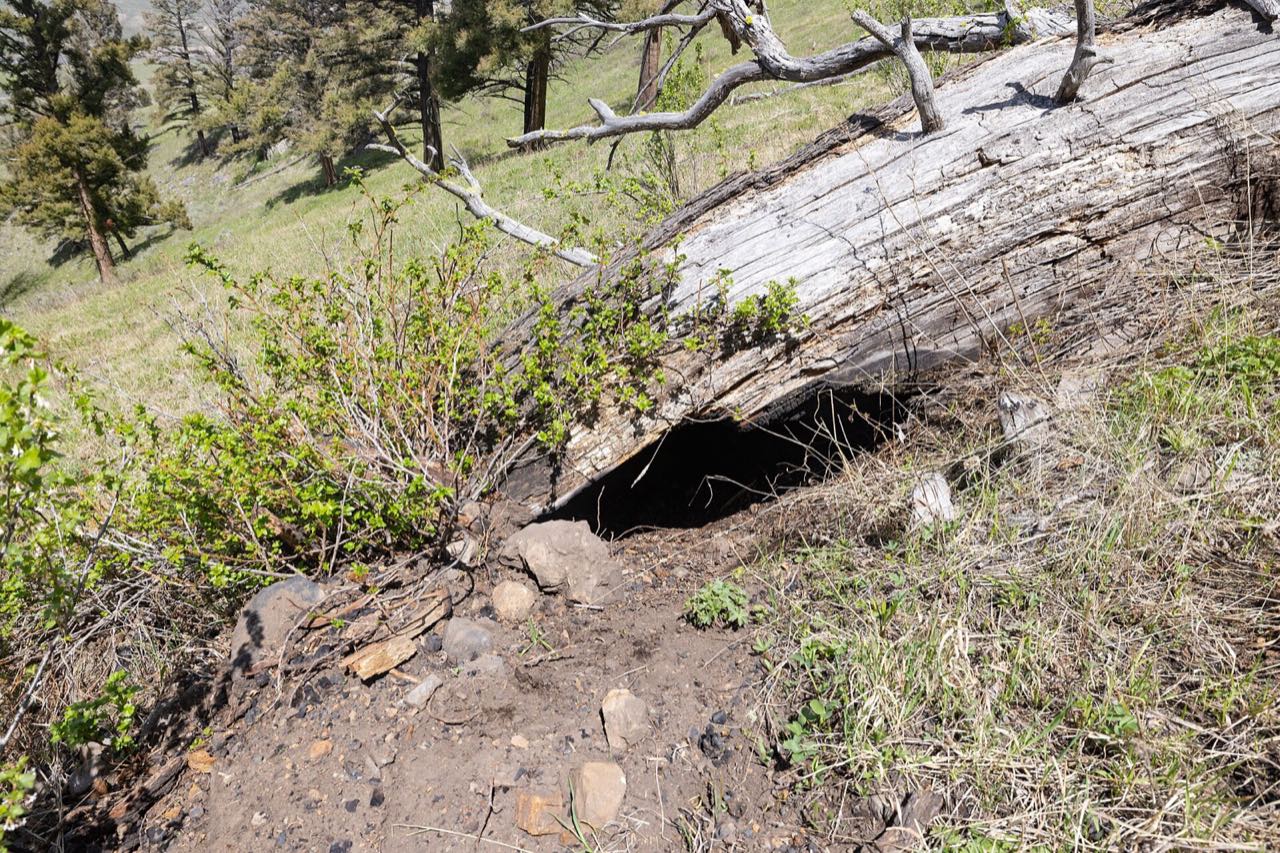
Bears in North Carolina go into their dens between November and January.
In North Carolina, den entry can occur as early as November or as late as January, though male bears in the coastal plain region may [be] active throughout winter.
Out of the den
They come out between March and early April.
Most North Carolina bears emerge from their dens in March or early April, depending on the weather and mobility of their cubs.
The bird feeder
Up in early February, down again in early March: about four weeks a year. NC Wildlife says to take feeders down while bears are active, in the words below. The dates are when dens are full and when bears start waking, by NC Wildlife's den and wake months.
NC Wildlife says male bears in North Carolina's coastal plain may stay active all winter, so even in those weeks, put a feeder up only if no bears are around.
Remove bird feeders when bears are active.
Bears in North Carolina
Black bears were once restricted to remote areas and reached very low population levels in the mid-1900s.
The North Carolina bear year
Where the bears are in each month, from the den and wake months above, and where the feeder stands.
- January: Denning now, feeders down
- February: In the den, feeders up only if no bears are around
- March: Waking up, feeders down
- April: Out and hungry, feeders down
- May: Out and hungry, feeders down
- June: Out and hungry, feeders down
- July: Out and hungry, feeders down
- August: Out and hungry, feeders down
- September: Fattening up, feeders down
- October: Fattening up, feeders down, this month
- November: Denning now, feeders down
- December: Denning now, feeders down
Maybe and Down mark where the feeder stands in the middle of each month. Maybe means up only if no bears are around: NC Wildlife says male bears in North Carolina's coastal plain may stay active all winter. The window is about four weeks a year. The bar for this month is outlined.
When North Carolina bears are seen
The months people report black bears in North Carolina on iNaturalist, from every year, and the reports from the last 30 days.
Reading the last 30 days of bear reports from iNaturalist.
Bears out in winter
NC Wildlife says male bears in North Carolina's coastal plain may stay active all winter, in the den sentence quoted above.
How easily a denned bear is roused, in the words of NJ Fish and Wildlife:
While in torpor black bears are capable of being easily awakened if disturbed and they may leave their dens on mild winter days in search of food.
Bears in North Carolina: questions and answers
Bear hibernation in the other 41 states
Other guides for North Carolina
Den, wake and feeder sentences are quoted from NC Wildlife, nearby agencies where named and BearWise, read October 13, 2026. The phase and the feeder verdict are worked out from those months and today’s date. Bear reports are research grade iNaturalist observations of the American black bear, counted September 19, 2026.