
First & Last Frost Dates in Iowa (2026)
Typical first freeze October 10 · last spring frost April 30 · about 160 growing days between them.
First frost approaching — typically 12 days outWhere Iowa sits on the frost line
NOAA 1991 to 2020 normalsIowa's frost calendar tilts northeast-to-southwest — the Driftless valleys freeze first, the Missouri River corner last.
Frost dates for your exact ZIP
The dates above are the state median. Enter a ZIP code to snap to the nearest of 150 NOAA reference stations and read that station’s own first and last freeze instead:
Frost dates across Iowa
State averages hide huge local spread — elevation, cold-air drainage, urban heat, and nearby water routinely move frost dates by two to four weeks within the same state. Median dates for representative Iowa stations:
| City | Typical first frost | Typical last frost |
|---|---|---|
| Des Moines | October 14 | April 22 |
| Cedar Rapids | October 6 | April 30 |
| Decorah | September 30 | May 8 |
Not near these cities? The ZIP lookup above snaps any US address to its nearest reference station. It is the same tool as the site’s national frost date lookup.
Your Iowa first-frost playbook
The Iowa planting calendar
Every date below is computed from Iowa’s own frost anchors — last frost ~April 30, first frost ~October 10 — using the standard week-count rules seed packets assume. Shift everything a few days for your microclimate (see the city table above).
| Garden task | Typical Iowa date | The rule it comes from |
|---|---|---|
| Start onions & leeks indoors | February 19 | ~10 weeks before last frost |
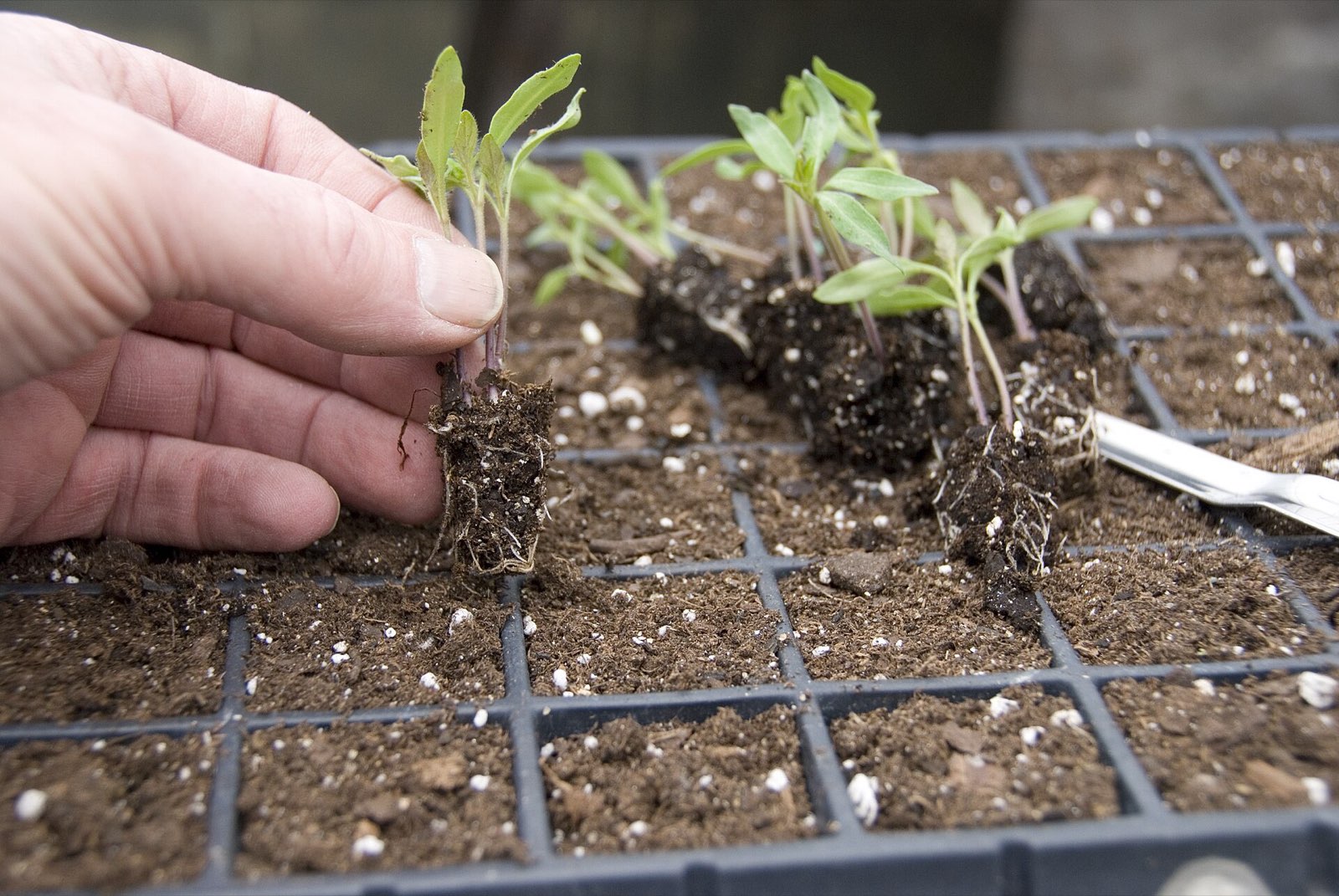
| Start peppers & tomatoes indoors | March 5 | ~8 weeks before last frost |
| Direct-sow peas & spinach | March 26 | ~5 weeks before last frost |
| Plant potatoes | April 16 | ~2 weeks before last frost |
| Transplant tomatoes & peppers out | May 22 | ~1 week after the late frost date |
| Sow fall carrots (70-day) | July 17 | ~12 weeks before first frost |
| Sow fall spinach & lettuce | August 21 | ~7 weeks before first frost |
| Plant garlic | October 24 | ~2 weeks after first frost |
Two rules do most of the work: count backward from first frost for fall crops (a 70-day carrot needs sowing ~12 weeks out, because fall growth slows as days shorten), and count forward from the late last-frost date — not the median — for anything frost-tender going outside.
What dies at what temperature
“Frost” isn’t one event. Surfaces can frost with air temps as high as 36–37°F on calm clear nights; a freeze is 32°F; a hard freeze is 28°F and ends the season for anything unprotected. Crops check out at very different points along the way:
| Crops | Damage point | What it means |
|---|---|---|
| Basil, impatiens, coleus, sweet potato vine | 38–40°F | Damaged before an official frost even hits |
| Tomatoes, peppers, cucumbers, squash, beans | 32°F | Killed by the first light freeze |
| Lettuce, chard, cilantro, peas | 28°F | Shrug off light frost; done at a hard freeze |
| Broccoli, cabbage, carrots, beets | 25°F | Keep producing weeks past first frost |
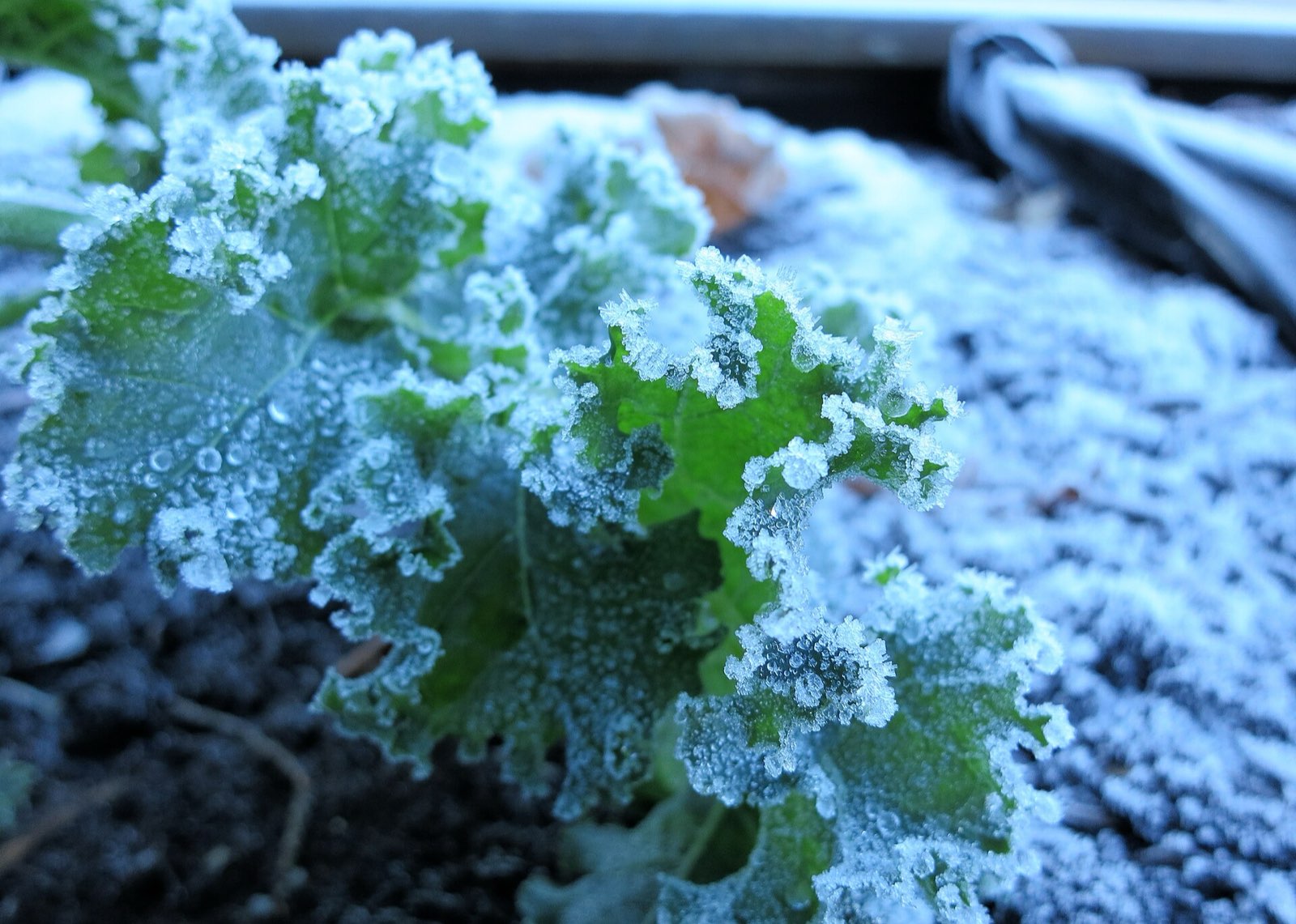
| Kale, spinach, Brussels sprouts, parsnips | 15–20°F | Frost makes them sweeter — harvest all late fall |
The practical read for Iowa: once you’re inside the September 25–October 25 window, the top two rows are living on borrowed time — while the bottom two rows are just getting started. Frost converts starches to sugars in kale, carrots, and parsnips; the sweetest harvests of the year come after first frost.
Iowa frost date FAQ
Plan the rest of the season
More Midwest frost dates
Dates are median first/last 32°F freeze approximations from NOAA 1991–2020 climate normals for representative stations, bracketed by roughly the 10%/90% range. Any single year varies; microclimates vary more. National picture: first frost dates for every state