Skip to content

Spring Bloom in Louisiana: Peak Timing for 2027

Azalea normally peaks around March 20. Below: how far ahead or behind this spring is actually running, and what that does to the date.

Azalea normally peaks around March 20 in Louisiana. No Spring Index anomaly is on file for Louisiana for 2026.
Azalea peak
Mar 20
Spring Index now
…
Sourced blooms
3

How spring is running in Louisiana right now

Live · USA-NPN, updated daily
…
First Bloom Index
final for 2026
March 20
typical azalea peak
per Louisiana Office of Tourism
not shifted
shifted for this year
live grid holds the spring just gone
0 of 3
reference points reporting
Lafayette, Alexandria, St. Francisville

The Lafayette Garden Club founded the Historic Azalea Trail in the 1930s under the motto "An Azalea for Every Garden", which is why the display is spread through private front gardens across the historic districts rather than concentrated in one park.

Live, from the USA National Phenology Network

The three Spring Indices for Louisiana

USA-NPN runs three models of spring onset and publishes a daily anomaly grid for each: how many days ahead of or behind the 1991 to 2020 normal this year’s index date fell, at 4 km resolution. All three are read at Lafayette, Alexandria, St. Francisville and averaged.

First Leaf Index
Reading the grid
Fetching the 2026 anomaly from USA-NPN.
First Bloom Index
Reading the grid
Fetching the 2026 anomaly from USA-NPN.
Late Bloom Index
Reading the grid
Fetching the 2026 anomaly from USA-NPN.

This is a measurement, not a forecast. None of these grids carries a date later than today. They say how spring has run so far this year, which is a leading indicator for the blooms still ahead of you and nothing stronger. Right now it is the second half of the calendar year, so the live grid holds the spring that finished months ago. It is shown as history, and 2027’s dates are not moved by it. The 2027 readings start filling in from late January.

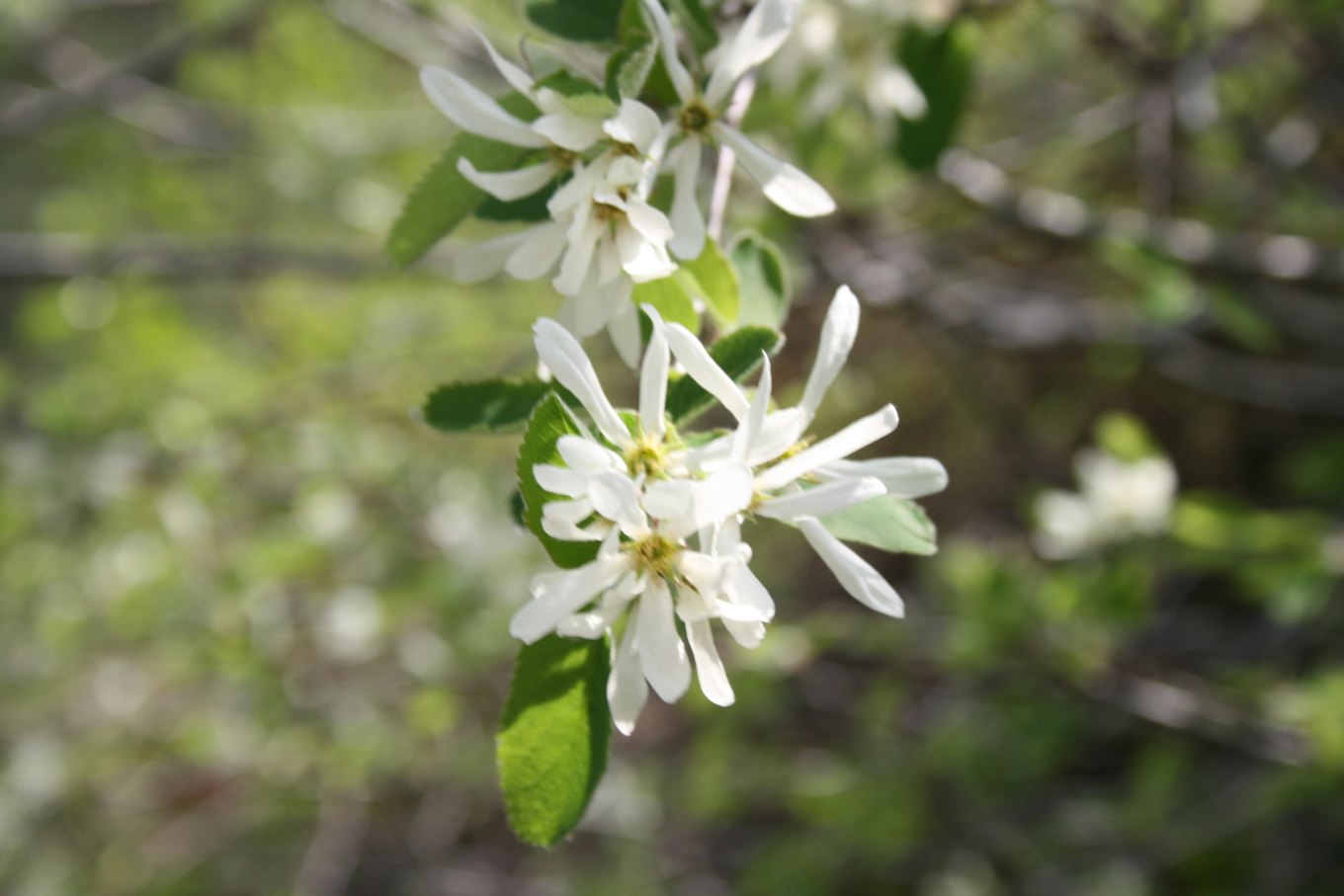
White serviceberry flowers with long narrow petals opening on a thin branch against a blurred brown background
Serviceberry, the plant that opens first in a lot of eastern woods and is the reason the shad run and the bloom share a name. Early species like this one track the First Leaf Index closely; a June mountain flower does not. “Amelanchier-ovalis-flower” by Sten Porse, CC BY-SA 3.0
Advertisement
What Louisiana is known for

Signature blooms, with their sources

Each card shows the typical window from the institution that published it, and next to it the same window shifted by whichever Spring Index normally fires closest to that species’ own peak. The quote under each one is the sentence the window came from.

Azalea

Rhododendron spp.planted
Typical peak
March 20
March 1 to May 25
Shifted estimate
Not shifted out of season
The live grid currently holds the spring just finished, so next spring's dates are not moved by it.

The Lafayette Historic Azalea Trail, about 25 miles of it. Also Afton Villa Gardens and Rosedown Plantation at St. Francisville, the New Orleans Botanical Garden, and the gardens on Avery Island.

Statewide the peak is March, April and early May. Lafayette itself peaks in March, roughly the first half of the month, which is why the trail there runs earlier than the statewide window suggests.

“from early March through late May”

Source: Louisiana Office of Tourism
Louisiana iris

Iris giganticaerulea and relativeswild
Typical peak
March 25
March 1 to April 30
Shifted estimate
Not shifted out of season
The live grid currently holds the spring just finished, so next spring's dates are not moved by it.

Freshwater marshes, swamps and wet prairies across south Louisiana. Jean Lafitte National Historical Park at the Barataria Preserve and the Atchafalaya Basin are the usual public viewing.

The giant blue iris is the state wildflower. It occurs as scattered populations rather than in reliable mass displays, so this one rewards local knowledge more than a drive.

“They bloom March - April in a variety of colors, depending on species.”

Source: Louisiana Native Plant Society · the source gives the window; the peak shown is its midpoint, not a published date.

Wild azalea

Rhododendron canescenswild
Typical peak
March 20
March 1 to April 10
Shifted estimate
Not shifted out of season
The live grid currently holds the spring just finished, so next spring's dates are not moved by it.

The Wild Azalea Trail in Kisatchie National Forest, the longest hiking trail in the state.

The tourism page does not give scientific names for the trail's azaleas. R. canescens is the standard identification for the plant the trail is named after, but the binomial is ours rather than the source's.

“March through early April”

Source: Louisiana Office of Tourism · the source gives the window; the peak shown is its midpoint, not a published date.

Lafayette Historic Azalea Trail, peaks in March. “A springtime attraction since the 1930's, the Lafayette Historic Azalea Trail is a winding drive through historic districts...for approximately 25 miles.” Lafayette Garden Club.

Fixed event dates and moving bloom dates are two different things. A festival is scheduled a year out; the flowers are not consulted. In a spring running two weeks early the peak can be gone before the weekend it was planned for, which is exactly what the anomaly above is useful for spotting.

The method

Two halves: a sourced window and a live index

The Spring Index is a genuinely good national product that almost nobody outside research uses, and it has one enormous limitation: it is species-agnostic. USA-NPN built it from historical observations of first leaf and first bloom in a cloned lilac cultivar and two cloned honeysuckle cultivars, chosen because they are among the first woody plants to leaf out and bloom and are common across much of the country. It can tell you spring is running six days early in your county. It has never heard of azalea.

So the two are paired. The typical window for each species on this page was researched by hand from a state agency, an extension service, a park service unit or a botanical garden, and the sentence it came from is printed under the card. That half is stable and specific but says the same thing every year. The anomaly half is live and current but knows nothing about the plant. Neither works alone. Together they answer the question people actually ask.

The matching rule is simple: each species is shifted by whichever of the three indices normally fires closest to that species’ own typical peak at Lafayette. A February desert bloom gets the First Leaf anomaly. A June mountain laurel gets the Late Bloom anomaly. Using one number for both would be the mistake.

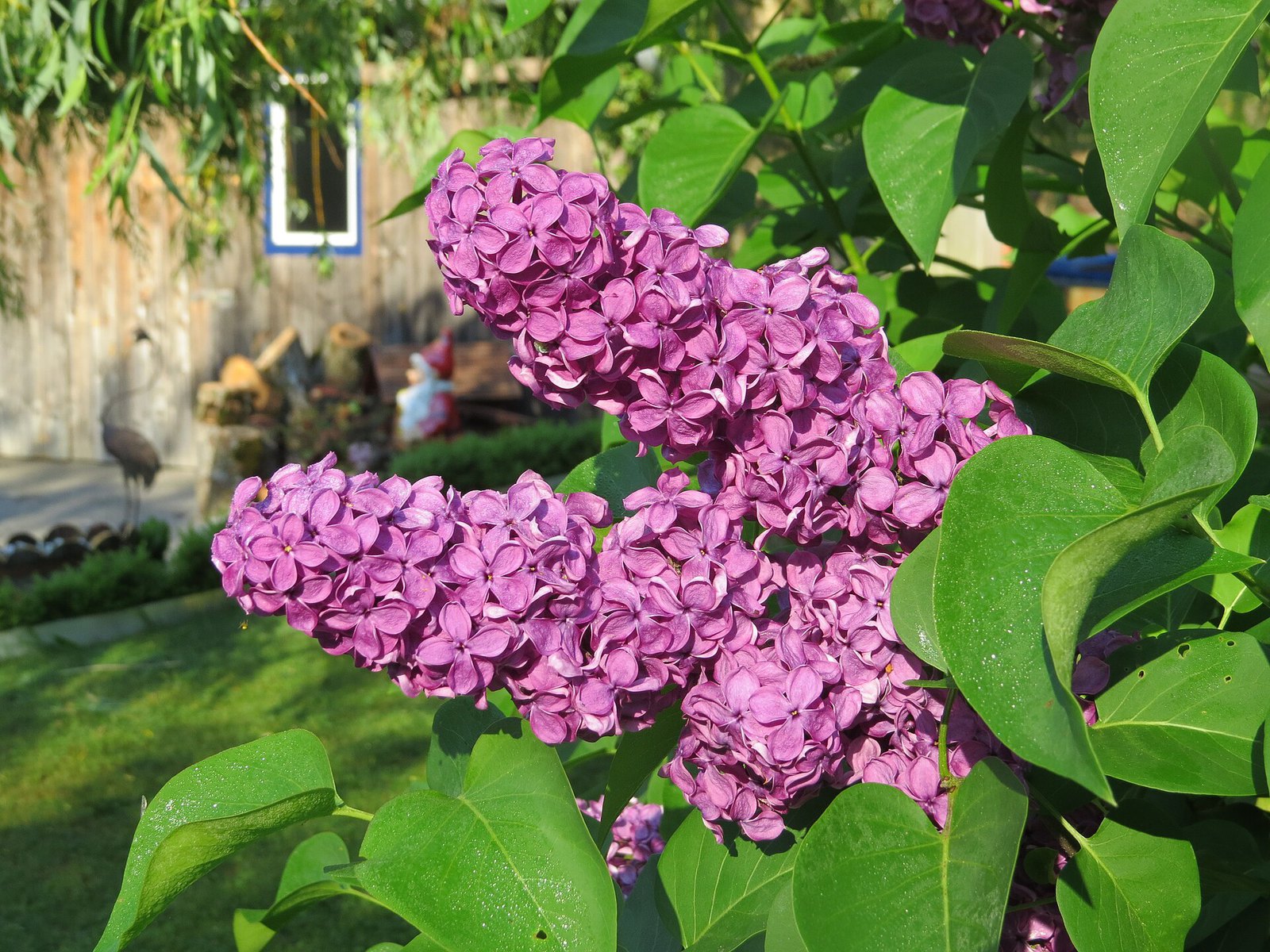
Dense panicles of white lilac flowers in full bloom on a sunlit shrub
Lilac, which is not incidental here. The Spring Index models were built from decades of observations of a cloned lilac cultivar and two cloned honeysuckles, planted at sites across the country so the same genetics were being watched everywhere. That is why the index is a clean measure of weather rather than of local plant variation, and also why it cannot speak for any other species without an assumption. “2018-05-13 (139) Syringa vulgaris (common lilac) at Bichlhäusl in Frankenfels, Austria” by GT1976, CC BY-SA 4.0

The Louisiana bloom season at a glance

Climatological typicals
From the earliest sourced bloom in Louisiana to the latest. Any single season commonly lands a week to a fortnight either side, which is what the Spring Index anomaly above is measuring.
Getting the timing right

What actually moves a bloom date

Accumulated warmth, not one warm day

The Spring Index models take temperature from January 1 onwards and fire when a threshold of accumulated warmth and warm-day events is met. One February afternoon does nothing. A mild fortnight moves everything.

Elevation and aspect

A 4 km grid cell averages over ground that a plant does not. South-facing slopes run ahead of the cell; shaded coves and high ground run behind it, often by more than the anomaly itself.

Winter rain, for the annuals

Temperature sets when. Autumn and winter rainfall often sets how much. That split matters most for desert annuals and prairie wildflowers, where an early spring and a thin display are perfectly compatible.

The late freeze

An early spring is not automatically a good one. Bloom that arrives ahead of the last freeze date is exposed, and a hard frost on open flowers ends that species’ season rather than delaying it.

Fixed festival dates

Bloom festivals are scheduled months ahead. In a fast spring the flowers can be finished by the weekend named after them, and in a slow one the buds are still shut. Check the anomaly before booking.

Local reports beat models

For the final week of planning, a park’s own bloom report or a recent photo beats any grid. Use this page to pick the fortnight; use somebody on the ground to pick the day.

Common questions

Louisiana spring bloom FAQ

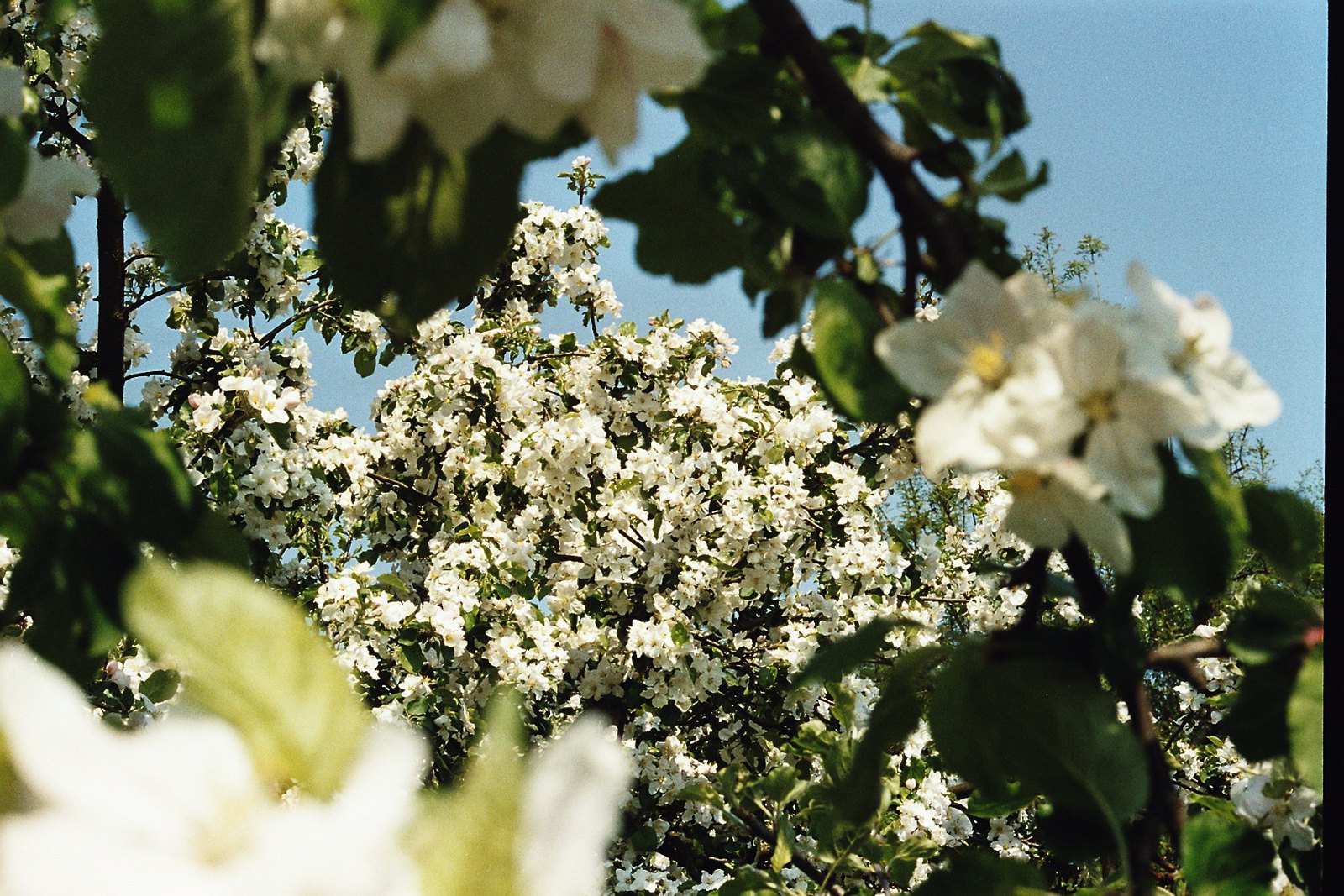
Pink peach blossoms in close-up with a honey bee crawling into one pale flower
Orchard bloom is the one place where an early spring has a cost attached. Fruit growers watch these dates against the last freeze rather than for the view, because open blossom is the most frost-vulnerable stage of the year. “Apple Blossom1” by Wolfgang Bergmann sen., CC BY-SA 3.0
The rest of the Louisiana calendar

Plan the rest of your Louisiana year

More Southeast spring bloom pages

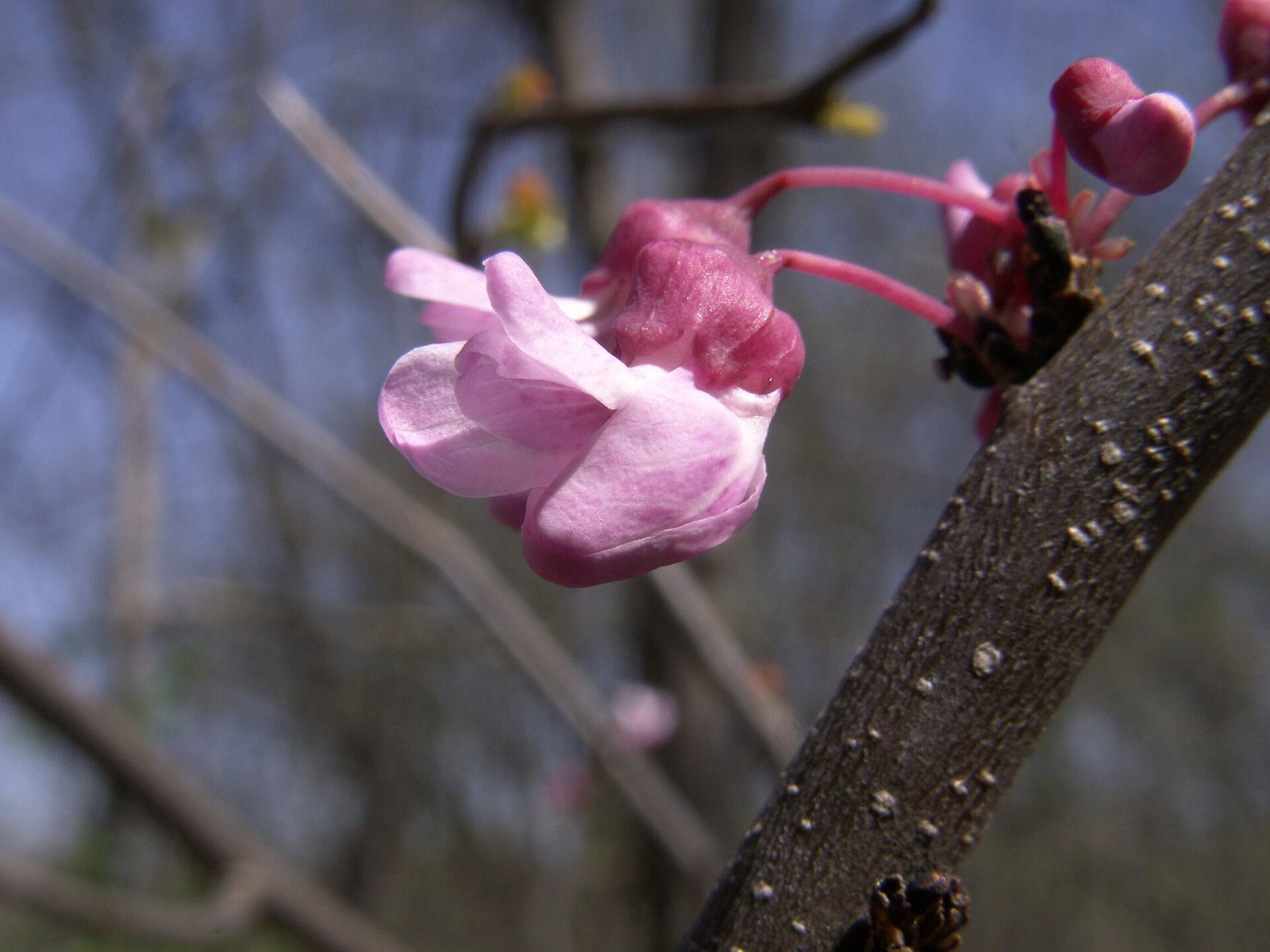
Clusters of magenta redbud flowers growing straight out of the bare branches of a redbud tree
Southeast spring. The bloom front moves north and uphill at roughly the pace the Spring Index tracks, which is why a single national date has never meant anything. “Cercis canadensis, Bird Park, 2026-04-07-1” — Cbaile19 — CC0
Advertisement

Bloom windows are climatological typicals, each one attributed on its card to the institution that published it, with the supporting sentence quoted. Where no institution publishes a window, the card carries the source and no date. Spring Index anomalies are read live in your browser from the USA National Phenology Network’s Extended Spring Indices (First Leaf, First Bloom and Late Bloom), 4 km gridded products regenerated daily from PRISM temperature data and compared against the 1991 to 2020 normal; source: USA National Phenology Network, www.usanpn.org, used under CC BY 4.0. Those grids measure the spring that has already run and are not a forecast. The rule that matches each species to one of the three indices is ours. Heading days to peak: 162 (past). National picture: where spring stands across the country →
Hero image: “Cercis canadensis, Bird Park, 2026-04-07-1” — Cbaile19 — CC0