
Zone 6a Planting Calendar: What to Plant Each Month
The coldest night of the winter averages -10°F to -5°F in zone 6a. Where it is, when its frosts come, and what to do in the garden each month, from extension service guidance.
Where zone 6a is
Zone 6a covers 5,187 ZIP codes in 30 states: Illinois (646), Michigan (640), Indiana (567), Ohio (544), Pennsylvania (510), New York (499), Colorado (274), Missouri (216) and 22 more.
Across its 667 NOAA stations the last spring frost comes around Apr 30 and the first fall frost around Oct 15; half the stations fall between Apr 23 and May 6 in spring and Oct 9 and Oct 20 in fall.
Cities and towns in zone 6a
- Milwaukee, WI 53202
- Denver, CO 80202
- Omaha, NE 68102
- Portland, ME 04101
- Manchester, NH 03101
- Springfield, IL 62701
- Grand Rapids, MI 49503
- Fort Wayne, IN 46802
- Worcester, MA 01608
- Colorado Springs, CO 80903
- Lincoln, NE 68508
- Peoria, IL 61602
Tap a town for its own frost dates and this month’s jobs; a hill or a valley a few miles off can be half a zone either side.
Zone 6a planting calendar
What to start, sow, plant, divide, prune, mulch and protect in zone 6a, month by month. Every job names the extension service page it rests on; open “Where this comes from” under a job to read their words.
Timed from the median frost dates of the 667 NOAA stations in zone 6a: last spring frost Apr 30, first fall frost Oct 15. Your own ZIP’s frost dates move every window, so the ZIP tool times them for you.
Pick a month above to see every job in it.
The year at a glance
- Start vegetable seeds indoorsJan to Apr
- Sow vegetables in the gardenApr to May
- Sow the fall vegetable gardenJun to Aug
- Set out transplantsApr to May
- Plant trees and shrubsMar 19 to May 14 and Oct 1 to Nov 19
- Plant garlicOct 1 to Nov 5
- Plant tulips and other spring bulbsOct 22 to Oct 29
- Divide fall-blooming perennialsApr 9 to May 21
- Divide spring and summer-blooming perennialsSep 3 to Oct 15
- Prune trees and summer-flowering shrubs while dormantFeb 19 to Apr 2
- Prune spring-flowering shrubs after they bloomApr 16 to Jun 11
- Water evergreens and new plantings until the ground freezesSep 17 to Nov 26
- Mulch perennial crowns once the ground freezesNov 26 to Dec 10
- Pull back the winter mulchMar 12 to Mar 26
- Put hardware cloth around young tree trunksOct 15 to Nov 26
- Dig and store dahlia and gladiolusOct 15 to Oct 22
- Cut back perennials after a hard freezeOct 22 to Nov 19
What grows in zone 6a
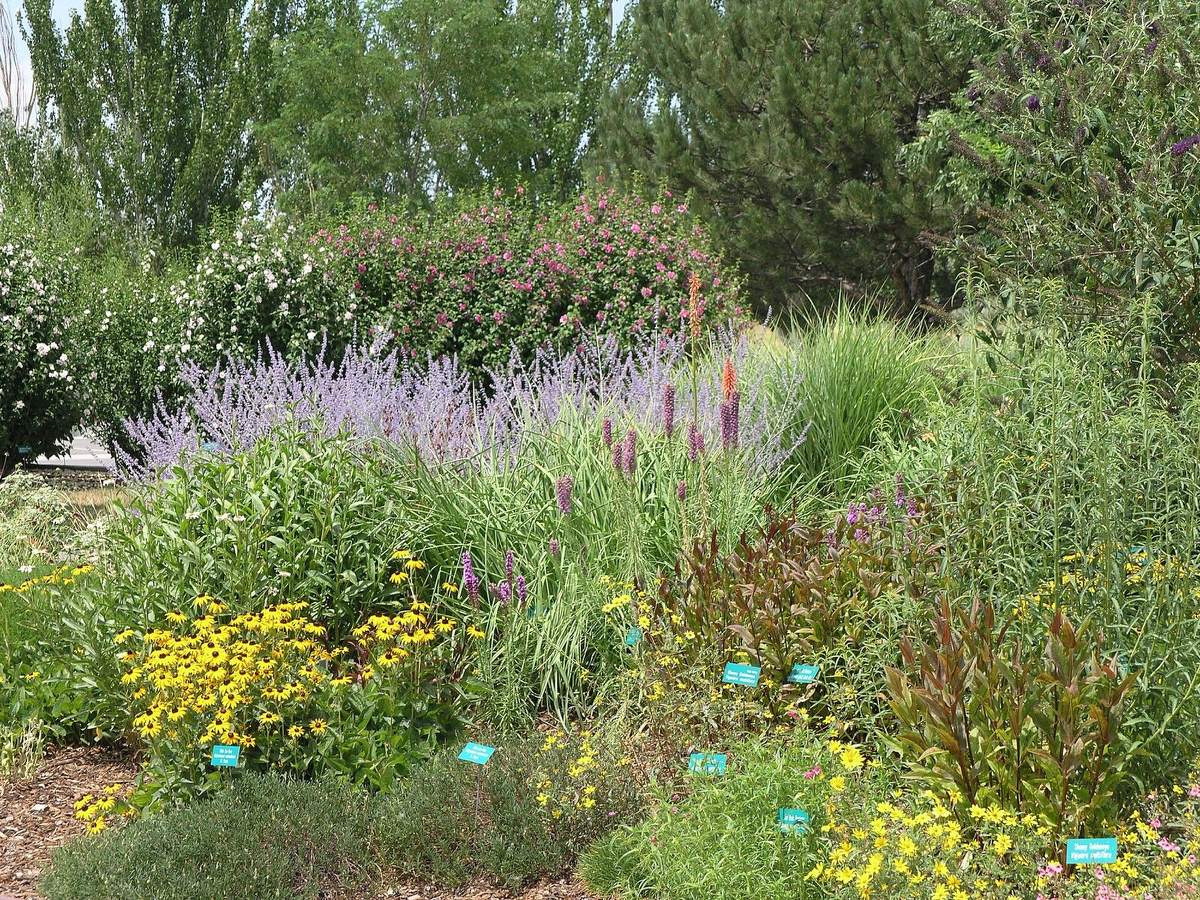
Perennials, shrubs, trees and fruit that NC State Extension rates as hardy in zone 6a, each linked to its plant page. A plant rated for a range of zones suits every half zone in it, so “zones 4 to 8” covers 4a through 8b.
Perennials 15
- Purple coneflowerzones 3a to 8b
- Orange coneflower (black-eyed Susan)zones 3a to 9b
- Daylilyzones 3a to 9b
- Hostazones 3a to 9b
- Catmintzones 5a to 9b
- Woodland sagezones 4a to 8b
- Coral bells (American alumroot)zones 4a to 9b
- Butterfly weedzones 3a to 9b
- Blue false indigozones 3a to 9b
- Yarrowzones 3a to 9b
- Garden phloxzones 4a to 8b
- English lavenderzones 5a to 9b
- Siberian iriszones 3a to 8b
- Showy stonecrop (sedum)zones 4a to 9b
- Rose mallowzones 4a to 9b
Shrubs 12
- Smooth hydrangeazones 3a to 9b
- Bigleaf hydrangeazones 6a to 11b
- Common lilaczones 3a to 7a
- Forsythiazones 5a to 8b
- Japanese spireazones 3a to 8b
- Arrowwood viburnumzones 2a to 8b
- Red twig dogwoodzones 2a to 7b
- Winterberry hollyzones 3a to 9b
- Catawba rhododendronzones 4a to 8b
- Common boxwoodzones 5a to 8b
- Rose of Sharonzones 5a to 9b
- Black chokeberryzones 3a to 8b
Trees 8
- Crape myrtlezones 6a to 9b
- Red maplezones 2a to 9b
- Eastern redbudzones 4a to 9b
- Flowering dogwoodzones 5a to 9b
- Southern magnoliazones 6a to 10b
- Paper birchzones 2a to 7a
- Colorado blue sprucezones 2a to 7a
- Serviceberryzones 3a to 8a
Fruit 10
- Applezones 4a to 9b
- Peachzones 5a to 9b
- Pearzones 4a to 8b
- Sweet cherryzones 3a to 8b
- Highbush blueberryzones 3a to 8b
- Red raspberryzones 4a to 8b
- Garden strawberryzones 5a to 9b
- Muscadine grapezones 5a to 9b
- American persimmonzones 4a to 9b
- Pawpawzones 5a to 9b
Ratings from the NC State Extension Gardener Plant Toolbox, read Oct 9, 2026. The zone covers winter cold only; heat, rain and soil decide the rest.
The zones next to 6a
Each half zone is five degrees. Zone 5b is five degrees colder at -15°F to -10°F. Zone 6b is five degrees warmer at -5°F to 0°F.
Zone 6a questions
Your own dates, by ZIP
Sources. USDA Plant Hardiness Zone Map, ZIP code tables (2023 and 2012), PRISM Climate Group, Oregon State University; USDA Plant Hardiness Zone Map; USDA Unveils Updated Plant Hardiness Zone Map (USDA Agricultural Research Service, November 15, 2023); NOAA NCEI U.S. Climate Normals 1991-2020, annual/seasonal, by station (v1.0.1); NC State Extension Gardener Plant Toolbox. Zone frost dates are the medians of the NOAA 1991 to 2020 station normals inside the zone.
The calendar’s extension sources:
- UNH Cooperative Extension, Growing Vegetables: When to Plant your Vegetable Garden, read Sep 21, 2026.
- University of Minnesota Extension, Planting vegetables in midsummer for a fall harvest, read Oct 9, 2026.
- University of Illinois Extension, Planting a fall vegetable garden (Good Growing), read Oct 9, 2026.
- University of Minnesota Extension, Dividing perennials, read Oct 9, 2026.
- Iowa State University Extension and Outreach, How should I prepare my perennial beds for winter?, read Oct 9, 2026.
- University of Minnesota Extension, Pruning trees and shrubs, read Oct 9, 2026.
- Rutgers NJAES Cooperative Extension, Pruning Flowering Shrubs (FS1221), read Oct 9, 2026.
- University of Maryland Extension, Planting a Tree or Shrub, read Oct 9, 2026.
- University of Wisconsin-Madison Division of Extension, Preparing Landscape Plants for Winter, read Oct 9, 2026.
- University of Wisconsin-Madison Division of Extension, Storing Tender Bulbs for Winter, read Oct 9, 2026.
- Iowa State University Extension and Outreach, All About Tulips, read Oct 9, 2026.
- UF/IFAS Gardening Solutions, Tulips, read Oct 9, 2026.
- UF/IFAS Gardening Solutions, Preparing the Landscape for Cold Weather, read Oct 9, 2026.
- UF/IFAS Gardening Solutions, Treating Cold-Damaged Plants, read Oct 9, 2026.