
Utah Planting Zones by City and ZIP Code
Utah runs from zones 4a to 8b; 32% of its ZIPs are 6a, Salt Lake City is 7b and Provo is 7a.
Utah runs from zones 4a to 8b
The coldest night of the winter averages -30°F to -25°F in the coldest of Utah’s ZIP codes and 15°F to 20°F in the warmest. Most of the state is zone 6a.
Planting zones of Utah cities
| City | Zone | Coldest night, on average | Since 2012 |
|---|---|---|---|
| Salt Lake City84101 | 7b | 5°F to 10°F | same as 2012 |
| Provo84601 | 7a | 0°F to 5°F | same as 2012 |
| St. George84770 | 8b | 15°F to 20°F | same as 2012 |
| Ogden84401 | 7a | 0°F to 5°F | same as 2012 |
| Logan84321 | 6a | -10°F to -5°F | half a zone warmer than 2012 (5b) |
| Moab84532 | 7a | 0°F to 5°F | same as 2012 |
Tap a ZIP for that address’s frost dates and this month’s jobs.
Find your zone anywhere in Utah
A ZIP code or a town gives you its zone, how it moved since 2012, the frost dates at the nearest NOAA station, and the jobs for this month timed from them.
What to plant in Utah this month
The calendar for each of Utah's main zones, from vegetables to pruning and winter protection, each job tied to the extension page it comes from. Pick a month, or read the whole year below it.
Timed from the median frost dates of the 37 NOAA stations in Utah’s zone 6a: last spring frost May 21, first fall frost Sep 28. Your own ZIP’s frost dates move every window, so the ZIP tool times them for you.
Pick a month above to see every job in it.
The year at a glance
- Start vegetable seeds indoorsFeb to May
- Sow vegetables in the gardenApr to May
- Sow the fall vegetable gardenJun to Aug
- Set out transplantsApr to Jun
- Plant trees and shrubsApr 9 to Jun 4 and Sep 14 to Nov 2
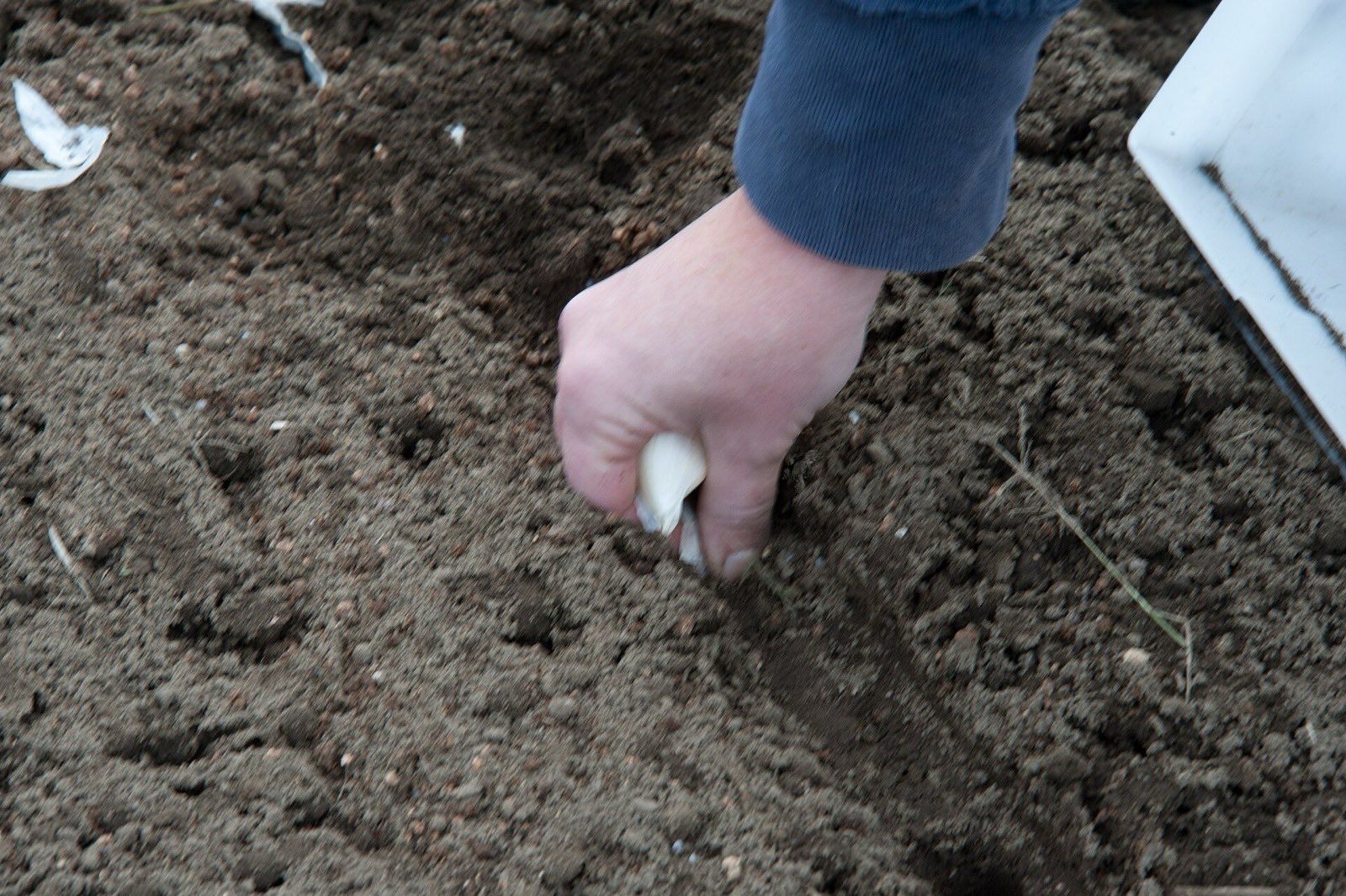
- Plant garlicSep 14 to Oct 19
- Plant tulips and other spring bulbsOct 5 to Oct 12
- Divide fall-blooming perennialsApr 30 to Jun 11
- Divide spring and summer-blooming perennialsAug 17 to Sep 28
- Prune trees and summer-flowering shrubs while dormantMar 12 to Apr 23
- Prune spring-flowering shrubs after they bloomMay 7 to Jul 2
- Water evergreens and new plantings until the ground freezesAug 31 to Nov 9
- Mulch perennial crowns once the ground freezesNov 9 to Nov 23
- Pull back the winter mulchApr 2 to Apr 16
- Put hardware cloth around young tree trunksSep 28 to Nov 9
- Dig and store dahlia and gladiolusSep 28 to Oct 5
- Cut back perennials after a hard freezeOct 5 to Nov 2
What changed in Utah since 2012
Every ZIP on both mapsCompared ZIP by ZIP from the 2023 and 2012 USDA tables; 337 Utah ZIP codes appear in both.
Why Utah’s zones moved
Of the cities above, Logan went from 5b to 6a.
The USDA explains the national picture: “When compared to the 2012 map, the 2023 version reveals that about half of the country shifted to the next warmer half zone, and the other half of the country remained in the same half zone.” The new map uses 1991 to 2020 and more than 13,000 weather stations, so it draws Utah’s hills, valleys and cities more finely than the 2012 map did.
A warmer zone changes which perennials and shrubs come through the winter, not when the garden gets planted; that still follows the frost dates.
Frost dates and seed starting in Utah
Utah planting zone questions
Planting zones by state
Sources. USDA Plant Hardiness Zone Map, ZIP code tables (2023 and 2012), PRISM Climate Group, Oregon State University; USDA Plant Hardiness Zone Map; USDA Unveils Updated Plant Hardiness Zone Map (USDA Agricultural Research Service, November 15, 2023); NOAA NCEI U.S. Climate Normals 1991-2020, annual/seasonal, by station (v1.0.1); NC State Extension Gardener Plant Toolbox. Zones are read from the PRISM ZIP code tables, read Oct 9, 2026; a ZIP code’s zone is the zone at its center. The calendar’s extension sources are listed on the planting zones page and under each job.