
When to Plant Tulip Bulbs: Wait for 55°F Soil
Bulbs root in cool soil and rot in warm soil. Enter your ZIP for the planting window and whether your soil is cold enough today.
Covers all 50 states. Windows are frost-date typicals; live soil temperature adjusts the soil-gated tasks.
Plant tulips & bulbs: when, in one line
Cool/transition: 1 week before to 5 weeks after first frost. Warm South: 2–8 weeks after first frost with pre-chilled bulbs.
Bulbs root in cool soil and need 12–14 weeks of chilling below 45°F to flower — planted into warm soil they rot or sprout early.
Soil-temperature rule: Plant when soil temperature at 6 inches is below 55°F and staying there — typically a week or two after first frost. Above 55°F, bulbs sit in warm moist soil and rot (Fusarium) or sprout prematurely. Zones 8+: pre-chill 10–12 weeks and plant in late November or December.
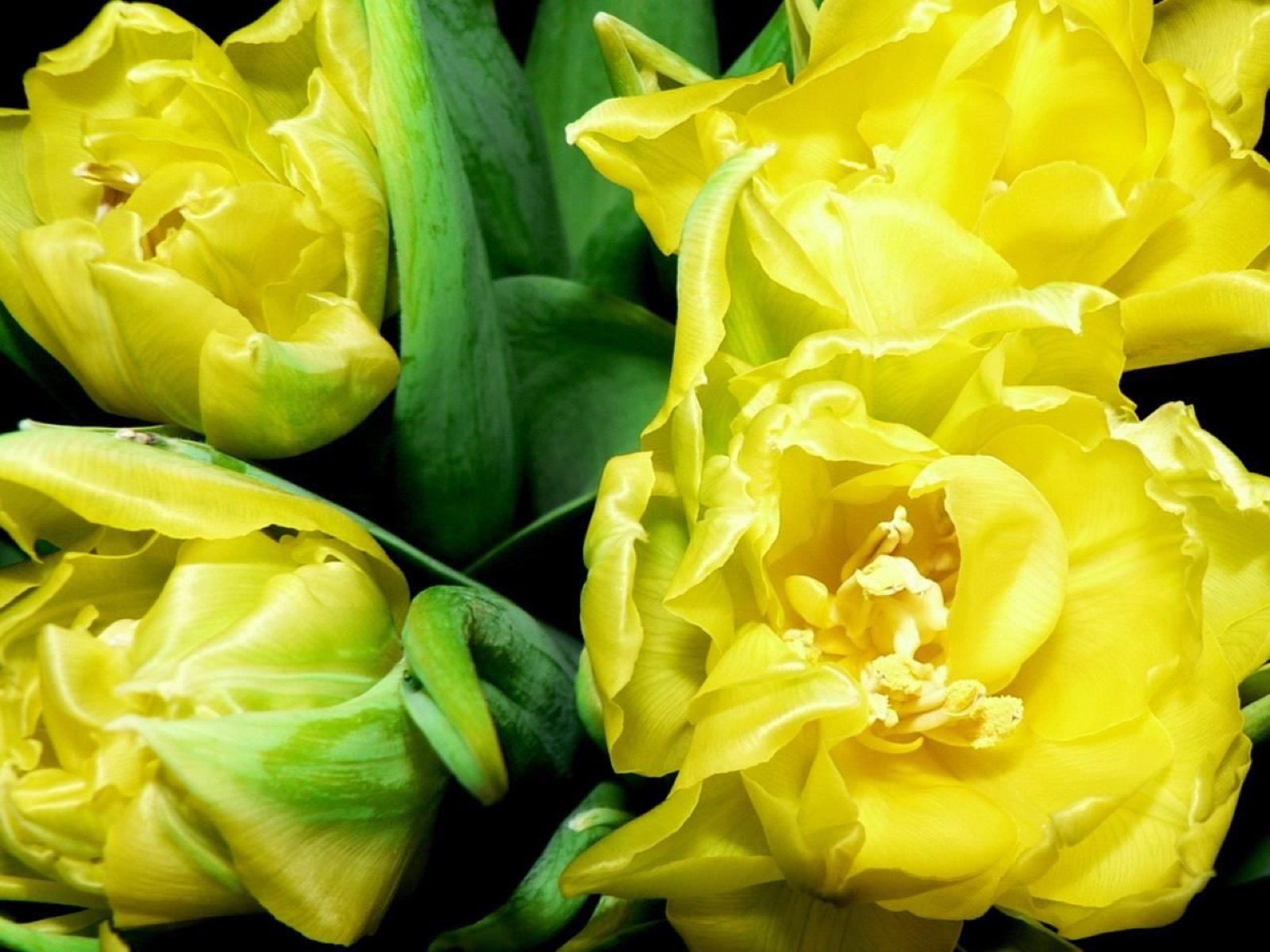
When to plant tulip bulbs: the complete guide
The soil-temperature rule
Tulips, daffodils, hyacinths, crocus, and alliums are all planted in fall for the same reason: they need 12–16 weeks of chilling below about 45°F to build the flower bud and the stem that lifts it, and they need to grow roots first, in cool but unfrozen soil. The practical trigger is soil at 6 inches falling below 55°F — for most of the country that is a week or two after the first light frost, when nights are reliably in the 40s. In the North and Midwest that lands in October; in the mid-Atlantic and mid-South, late October into November; in the Pacific Northwest, October to early December.
Planting earlier, into warm September soil, is the classic mistake: the bulb sits in warm, moist ground where Fusarium basal rot takes hold, or it breaks dormancy and pushes a shoot that winter then damages. Planting late is far less harmful — bulbs can go in any time the ground can be dug, even December in the Northeast, and will still bloom, sometimes a week late.
Warm climates: pre-chill or choose differently
From zone 8 south — the Gulf Coast, most of Texas, the low deserts, coastal California, and Florida — winters do not deliver the 12–14 weeks of cold tulips need. Buy bulbs in September and refrigerate them 10–12 weeks in a paper bag, away from apples and other fruit (the ethylene aborts the flower), then plant in late November through December once soil drops below 60°F. Treat them as annuals; they will not repeat well. Pre-chilled bulbs are also sold by mail-order nurseries. Daffodils (especially tazettas like Paperwhite and Grand Soleil d’Or), Dutch iris, anemones, ranunculus, and some species tulips (Tulipa clusiana, T. saxatilis) need little or no chilling and are the better long-term choice in the South.
Buying and storing bulbs
- Buy big: bulb circumference drives flower size. Look for 12 cm+ tulips and DN1 (“double nose”) daffodils.
- Reject soft, moldy, or lightweight bulbs and any with a green shoot already emerging.
- Store in a cool (50–60°F), dry, dark, ventilated place until planting — a garage shelf, not a sealed plastic bag. Weeks are fine; a hot car trunk is not.
Planting, step by step
- Site: full sun to light shade, and above all well-drained soil — bulbs rot in winter-wet clay. On heavy soil, plant on a slope or a raised bed, or add coarse grit to the planting hole.
- Depth: three times the height of the bulb, measured to the base — 6–8 inches for tulips and large daffodils, 4–6 inches for hyacinths and large alliums, 3–4 inches for crocus, grape hyacinth, and small species tulips. Deeper planting in cold zones (8 inches) improves perennializing and discourages squirrels.
- Spacing: 4–6 inches for tulips and daffodils, 2–3 inches for small bulbs. Plant in clusters of 7–15 of one variety, not single-file rows, for a real display.
- Orientation: pointy end up, flat basal plate down. If you cannot tell (anemones, some alliums), plant on their side.
- Fertilizer: a bulb fertilizer or bone meal in the bottom of the hole is traditional; a balanced slow-release fertilizer scratched into the surface does more, because the bulb already contains this year’s flower. Skip high-nitrogen lawn fertilizer.
- Backfill, firm gently, water thoroughly once to settle the soil and start root growth, then leave them alone. Mulch 2–3 inches in zones 3–5 after the ground starts to freeze.
Critters, and getting tulips to come back
Squirrels, chipmunks, and voles dig tulips and crocus (they leave daffodils, alliums, fritillaria, and hyacinths alone — all are toxic or distasteful). Lay chicken wire or hardware cloth over the planting and cover with soil; bulbs grow through it. Interplanting with daffodils and alliums helps. Deer eat tulip flowers in spring; there is no reliable fix short of fencing or repellent on a schedule.
Most modern hybrid tulips decline after the first spring. To get repeat bloom, choose Darwin Hybrids, Fosteriana (Emperor) types, Kaufmanniana, Greigii, and species tulips; plant 8 inches deep in sharp-draining soil; let foliage die back completely (six weeks after bloom) before removing it; and keep the bed dry in summer. Daffodils, by contrast, perennialize almost anywhere.
Mistakes to avoid
- Planting in warm September soil — rot and premature sprouting.
- Shallow planting — weak stems, early decline, easy pickings for squirrels.
- Poorly drained sites — the leading cause of bulb failure in the Southeast and Midwest.
- Storing bulbs with fruit — ethylene kills the embryonic flower; the bulb leafs out and never blooms.
- Cutting or braiding foliage after bloom — starves next year’s bulb.
Plant tulips & bulbs windows by state
Typical windows computed from each state’s median frost dates and grass zone; the state page has the city-by-city soil readings and the rest of the calendar.
| State | Zone | Typical window | First frost | Status |
|---|---|---|---|---|
| Alabama | Warm-season | November 24 – January 5 | November 10 | Later |
| Alaska | Cool-season | August 29 – October 10 | September 5 | Open now |
| Arizona | Warm-season | November 29 – January 10 | November 15 | Later |
| Arkansas | Transition zone | October 23 – December 4 | October 30 | Soon |
| California | Transition zone | November 24 – January 5 | December 1 | Later |
| Colorado | Cool-season | September 25 – November 6 | October 2 | Open now |
| Connecticut | Cool-season | October 7 – November 18 | October 14 | Open now |
| Delaware | Transition zone | October 21 – December 2 | October 28 | Soon |
| Florida | Warm-season | December 24 – February 4 | December 10 | Later |
| Georgia | Warm-season | November 24 – January 5 | November 10 | Later |
| Hawaii | Warm-season | not applicable | none | — |
| Idaho | Cool-season | September 21 – November 2 | September 28 | Open now |
| Illinois | Cool-season | October 9 – November 20 | October 16 | Open now |
| Indiana | Cool-season | October 9 – November 20 | October 16 | Open now |
| Iowa | Cool-season | October 3 – November 14 | October 10 | Open now |
| Kansas | Transition zone | October 13 – November 24 | October 20 | Soon |
| Kentucky | Transition zone | October 15 – November 26 | October 22 | Soon |
| Louisiana | Warm-season | December 10 – January 21 | November 26 | Later |
| Maine | Cool-season | September 21 – November 2 | September 28 | Open now |
| Maryland | Transition zone | October 17 – November 28 | October 24 | Soon |
| Massachusetts | Cool-season | October 5 – November 16 | October 12 | Open now |
| Michigan | Cool-season | September 28 – November 9 | October 5 | Open now |
| Minnesota | Cool-season | September 19 – October 31 | September 26 | Open now |
| Mississippi | Warm-season | November 24 – January 5 | November 10 | Later |
| Missouri | Transition zone | October 15 – November 26 | October 22 | Soon |
| Montana | Cool-season | September 15 – October 27 | September 22 | Open now |
| Nebraska | Cool-season | October 3 – November 14 | October 10 | Open now |
| Nevada | Transition zone | September 25 – November 6 | October 2 | Open now |
| New Hampshire | Cool-season | September 18 – October 30 | September 25 | Open now |
| New Jersey | Cool-season | October 13 – November 24 | October 20 | Soon |
| New Mexico | Transition zone | October 8 – November 19 | October 15 | Open now |
| New York | Cool-season | September 28 – November 9 | October 5 | Open now |
| North Carolina | Transition zone | October 21 – December 2 | October 28 | Soon |
| North Dakota | Cool-season | September 15 – October 27 | September 22 | Open now |
| Ohio | Cool-season | October 9 – November 20 | October 16 | Open now |
| Oklahoma | Transition zone | October 25 – December 6 | November 1 | Soon |
| Oregon | Cool-season | October 21 – December 2 | October 28 | Soon |
| Pennsylvania | Cool-season | October 3 – November 14 | October 10 | Open now |
| Rhode Island | Cool-season | October 11 – November 22 | October 18 | Soon |
| South Carolina | Warm-season | November 26 – January 7 | November 12 | Later |
| South Dakota | Cool-season | September 23 – November 4 | September 30 | Open now |
| Tennessee | Transition zone | October 19 – November 30 | October 26 | Soon |
| Texas | Warm-season | December 4 – January 15 | November 20 | Later |
| Utah | Cool-season | October 1 – November 12 | October 8 | Open now |
| Vermont | Cool-season | September 17 – October 29 | September 24 | Open now |
| Virginia | Transition zone | October 18 – November 29 | October 25 | Soon |
| Washington | Cool-season | October 21 – December 2 | October 28 | Soon |
| West Virginia | Cool-season | October 5 – November 16 | October 12 | Open now |
| Wisconsin | Cool-season | September 25 – November 6 | October 2 | Open now |
| Wyoming | Cool-season | September 13 – October 25 | September 20 | Open now |
When to plant tulip bulbs FAQ
More fall timing guides
Windows are climatological typicals from NOAA 1991–2020 frost normals and grass-zone rules following land-grant extension guidance; any year runs ±2 weeks. Soil temperature is modeled at 6 cm by Open-Meteo, read live in your browser. Always follow the product label. Hero image: “Tulip bulbs” — Rosendahl — Public domain