
When to Fertilize Your Lawn in Fall: The Feed That Matters Most
For cool-season grass, fall nitrogen builds roots and next spring’s green-up. For warm-season grass, the last feed is already behind you by September. Enter your ZIP for your window.
Covers all 50 states. Windows are frost-date typicals; live soil temperature adjusts the soil-gated tasks.
Fall fertilizer: when, in one line
Cool-season: 4–1 weeks before first frost. Warm-season: last nitrogen of the year by mid-August to mid-September — an extension calendar cutoff, not a frost offset.
Fall nitrogen builds roots and carbohydrate reserves instead of top growth — the single most valuable feeding of the year for cool-season turf.
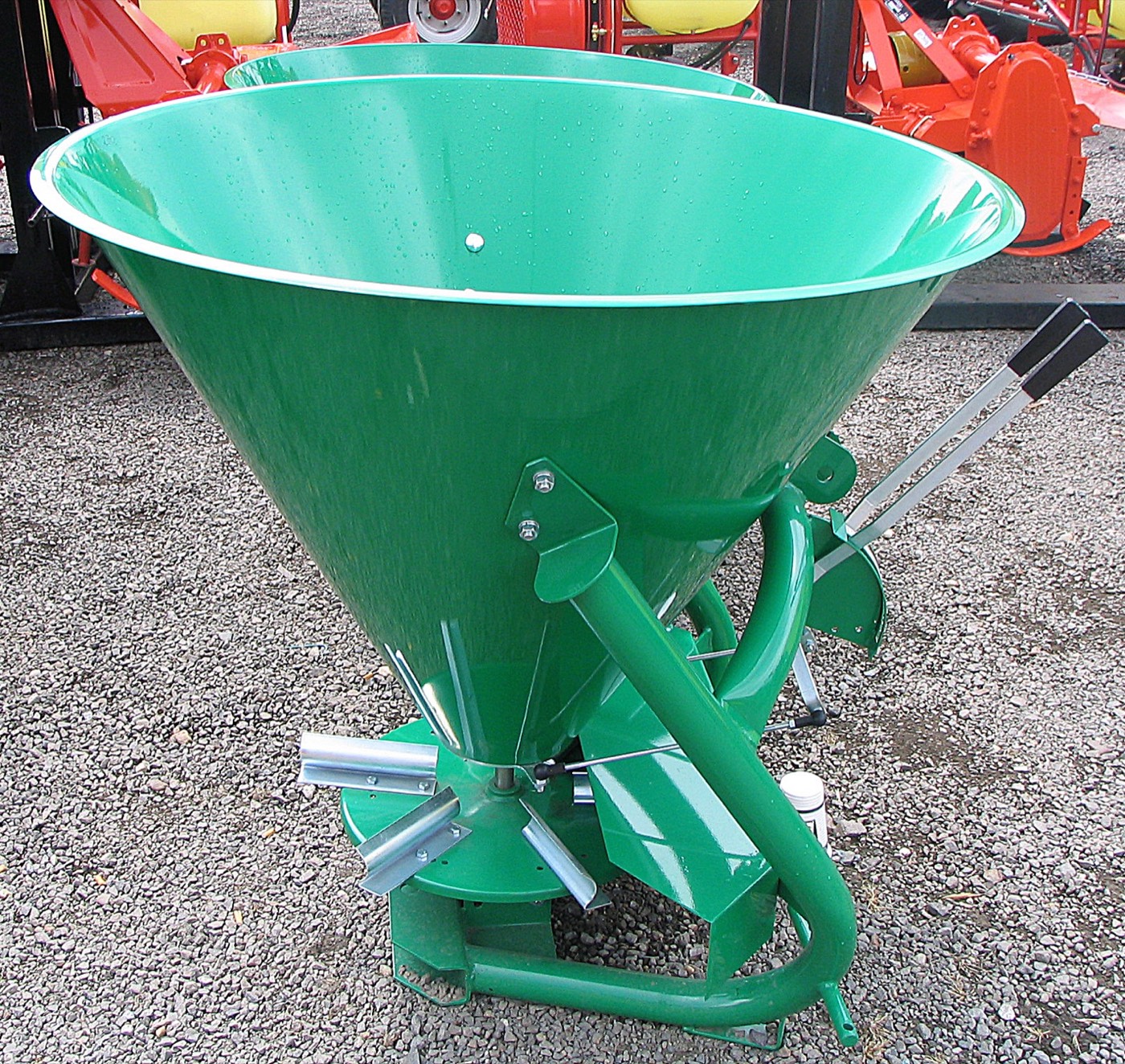
When to fertilize in fall: the complete guide
Why fall is the feeding that counts (for cool-season lawns)
In September and October, cool-season grasses shift from top growth to root growth and carbohydrate storage. Nitrogen applied then goes underground: deeper roots, more tillers, denser turf, and sugars stored in the crown that drive an early, even green-up in spring — without the surge of soft, disease-prone growth that a heavy spring feed causes. University turf programs from Nebraska to Cornell agree that if you fertilize once a year, it should be in fall, and if twice, both times in fall.
The timing window is 4 to 1 weeks before your typical first frost for the main feed — Labor Day to mid-September in the northern tier, mid-September to early October in the Midwest and Northeast, October in the mid-Atlantic and transition zone. Many programs add a second, lighter “winterizer” feed around the last mow, when the grass has stopped growing up but the roots are still working — late October or November. The hard rule is that any feed must land before the ground freezes; fertilizer on frozen soil runs straight into the storm drain.
Warm-season lawns: stop early
Bermudagrass, zoysia, St. Augustine, and centipede stop growing long before the Deep South’s first frost, and late nitrogen pushes tender new growth that winter-kills and that large patch (a Rhizoctonia disease) loves. Southern extension programs therefore set the last feed by the CALENDAR, not by a countdown from a frost date that in Louisiana or Florida does not arrive until Thanksgiving or December: Clemson says no nitrogen on warm-season turf after August 15 (September 1 in the coastal region), UGA runs nitrogen only through mid-August, the LSU AgCenter puts the last application in August, Alabama Extension calls it early September, and the University of Arizona says nothing heavy after August 31. Florida and Texas run latest — UF/IFAS times the final north-Florida feed for September (early October at the outside) and Texas A&M’s calendars put the last application in September. A potassium-only application (0-0-50, or a “winterizer” with low N and high K) 4–6 weeks before frost does improve cold tolerance and is the one fall product worth using on southern lawns. Centipede gets half the nitrogen of everything else and is easy to kill with kindness.
What to buy: reading the bag
- The three numbers are % nitrogen (N), phosphate (P₂O₅), and potash (K₂O). A typical fall product is 24-0-10 or 32-0-10 — high N, no P, moderate K. “Winterizer” blends lean toward more potassium (e.g., 10-0-20).
- Slow-release nitrogen (look for “sulfur-coated urea,” “polymer-coated,” “methylene urea,” or the % “slowly available nitrogen” on the label) feeds for 6–8 weeks with far less burn and runoff. Aim for at least 30–50% of the N slow-release for the September feed; the late-fall winterizer can be mostly quick-release, because you want it taken up before freeze-up.
- Phosphorus: skip it unless you are seeding or a soil test calls for it. New York, New Jersey, Maryland, Minnesota, Wisconsin, Michigan, and others restrict phosphorus in lawn fertilizer by law.
- Weed-and-feed products: avoid in fall on any lawn you seeded — and the broadleaf herbicide needs actively growing weeds to work, which is a different timing (warm days in early-to-mid fall) than the fertilizer. Apply them separately.
- Organic sources (Milorganite, feather meal, compost-based blends) release slowly and depend on soil microbes, so apply them on the early side of the window, when soil is still warm.
How much, and how to apply
The target is 0.75–1 lb of actual nitrogen per 1,000 square feet for the main fall feed on cool-season turf, and about 0.5 lb for the winterizer. To convert: divide 100 by the first number on the bag to get pounds of product per 1,000 sq ft for 1 lb of N (a 24-0-10 bag → 100/24 ≈ 4.2 lb of product per 1,000 sq ft). Measure the lawn once (length × width, minus beds and driveway) and write it on the spreader. Fill the spreader on the driveway so spills do not burn the grass; use the setting printed on the bag; apply half the rate in one direction and half at right angles for even coverage; sweep any granules off pavement back onto the lawn (that is the runoff); and water in a quarter to half inch unless rain is coming within a day. Never apply to frozen ground, within 10–25 feet of a stream or lake (check your state buffer), or right before a heavy rain.
State fertilizer blackout dates you should know
- New York: no lawn fertilizer December 1 – April 1; no phosphorus unless seeding or soil-test justified.
- New Jersey: homeowner cutoff November 15 (professionals December 1); no phosphorus without a test.
- Maryland: no applications November 16 – March 1; phosphorus restricted.
- Massachusetts: no applications December 1 – March 1 (and on frozen ground).
- Minnesota, Wisconsin, Michigan, Illinois, Vermont, Virginia, Washington: phosphorus restrictions of varying scope; several prohibit application to frozen soil.
- Florida: many counties ban nitrogen and phosphorus June 1 – September 30; UF/IFAS times the last north-Florida feed for September, early October at the outside.
Mistakes to avoid
- Fertilizing warm-season grass in late September or October — winterkill and large patch.
- Skipping fall and dumping it all in spring — weak roots, thatch, and disease.
- Feeding frozen or snow-covered ground — pure runoff, and illegal in several states.
- Using a starter fertilizer’s phosphorus every year — unnecessary and restricted.
- Guessing the lawn size — the number-one cause of both burn and under-feeding.
- Applying without watering in during a dry spell — quick-release N can burn.
Fall fertilizer windows by state
Typical windows computed from each state’s median frost dates and grass zone; the state page has the city-by-city soil readings and the rest of the calendar.
| State | Zone | Typical window | First frost | Status |
|---|---|---|---|---|
| Alabama | Warm-season | August 5 – September 5 | November 10 | Passed |
| Alaska | Cool-season | August 8 – August 29 | September 5 | Passed |
| Arizona | Warm-season | August 1 – August 31 | November 15 | Passed |
| Arkansas | Transition zone | October 2 – October 23 | October 30 | Open now |
| California | Transition zone | November 3 – November 24 | December 1 | Later |
| Colorado | Cool-season | September 4 – September 25 | October 2 | Passed |
| Connecticut | Cool-season | September 16 – October 7 | October 14 | Passed |
| Delaware | Transition zone | September 30 – October 21 | October 28 | Open now |
| Florida | Warm-season | September 1 – October 1 | December 10 | Passed |
| Georgia | Warm-season | August 1 – September 1 | November 10 | Passed |
| Hawaii | Warm-season | not applicable | none | — |
| Idaho | Cool-season | August 31 – September 21 | September 28 | Passed |
| Illinois | Cool-season | September 18 – October 9 | October 16 | Open now |
| Indiana | Cool-season | September 18 – October 9 | October 16 | Open now |
| Iowa | Cool-season | September 12 – October 3 | October 10 | Passed |
| Kansas | Transition zone | September 22 – October 13 | October 20 | Open now |
| Kentucky | Transition zone | September 24 – October 15 | October 22 | Open now |
| Louisiana | Warm-season | August 10 – August 31 | November 26 | Passed |
| Maine | Cool-season | August 31 – September 21 | September 28 | Passed |
| Maryland | Transition zone | September 26 – October 17 | October 24 | Open now |
| Massachusetts | Cool-season | September 14 – October 5 | October 12 | Passed |
| Michigan | Cool-season | September 7 – September 28 | October 5 | Passed |
| Minnesota | Cool-season | August 29 – September 19 | September 26 | Passed |
| Mississippi | Warm-season | August 1 – September 1 | November 10 | Passed |
| Missouri | Transition zone | September 24 – October 15 | October 22 | Open now |
| Montana | Cool-season | August 25 – September 15 | September 22 | Passed |
| Nebraska | Cool-season | September 12 – October 3 | October 10 | Passed |
| Nevada | Transition zone | September 4 – September 25 | October 2 | Passed |
| New Hampshire | Cool-season | August 28 – September 18 | September 25 | Passed |
| New Jersey | Cool-season | September 22 – October 13 | October 20 | Open now |
| New Mexico | Transition zone | September 17 – October 8 | October 15 | Passed |
| New York | Cool-season | September 7 – September 28 | October 5 | Passed |
| North Carolina | Transition zone | September 30 – October 21 | October 28 | Open now |
| North Dakota | Cool-season | August 25 – September 15 | September 22 | Passed |
| Ohio | Cool-season | September 18 – October 9 | October 16 | Open now |
| Oklahoma | Transition zone | October 4 – October 25 | November 1 | Open now |
| Oregon | Cool-season | September 30 – October 21 | October 28 | Open now |
| Pennsylvania | Cool-season | September 12 – October 3 | October 10 | Passed |
| Rhode Island | Cool-season | September 20 – October 11 | October 18 | Open now |
| South Carolina | Warm-season | August 1 – September 1 | November 12 | Passed |
| South Dakota | Cool-season | September 2 – September 23 | September 30 | Passed |
| Tennessee | Transition zone | September 28 – October 19 | October 26 | Open now |
| Texas | Warm-season | September 1 – September 30 | November 20 | Passed |
| Utah | Cool-season | September 10 – October 1 | October 8 | Passed |
| Vermont | Cool-season | August 27 – September 17 | September 24 | Passed |
| Virginia | Transition zone | September 27 – October 18 | October 25 | Open now |
| Washington | Cool-season | September 30 – October 21 | October 28 | Open now |
| West Virginia | Cool-season | September 14 – October 5 | October 12 | Passed |
| Wisconsin | Cool-season | September 4 – September 25 | October 2 | Passed |
| Wyoming | Cool-season | August 23 – September 13 | September 20 | Passed |
When to fertilize in fall FAQ
More fall timing guides
Windows are climatological typicals from NOAA 1991–2020 frost normals and grass-zone rules following land-grant extension guidance; any year runs ±2 weeks. Soil temperature is modeled at 6 cm by Open-Meteo, read live in your browser. Always follow the product label. Hero image: “Broadcast spreader” by Gmihail at Serbian Wikipedia, CC BY-SA 3.0