
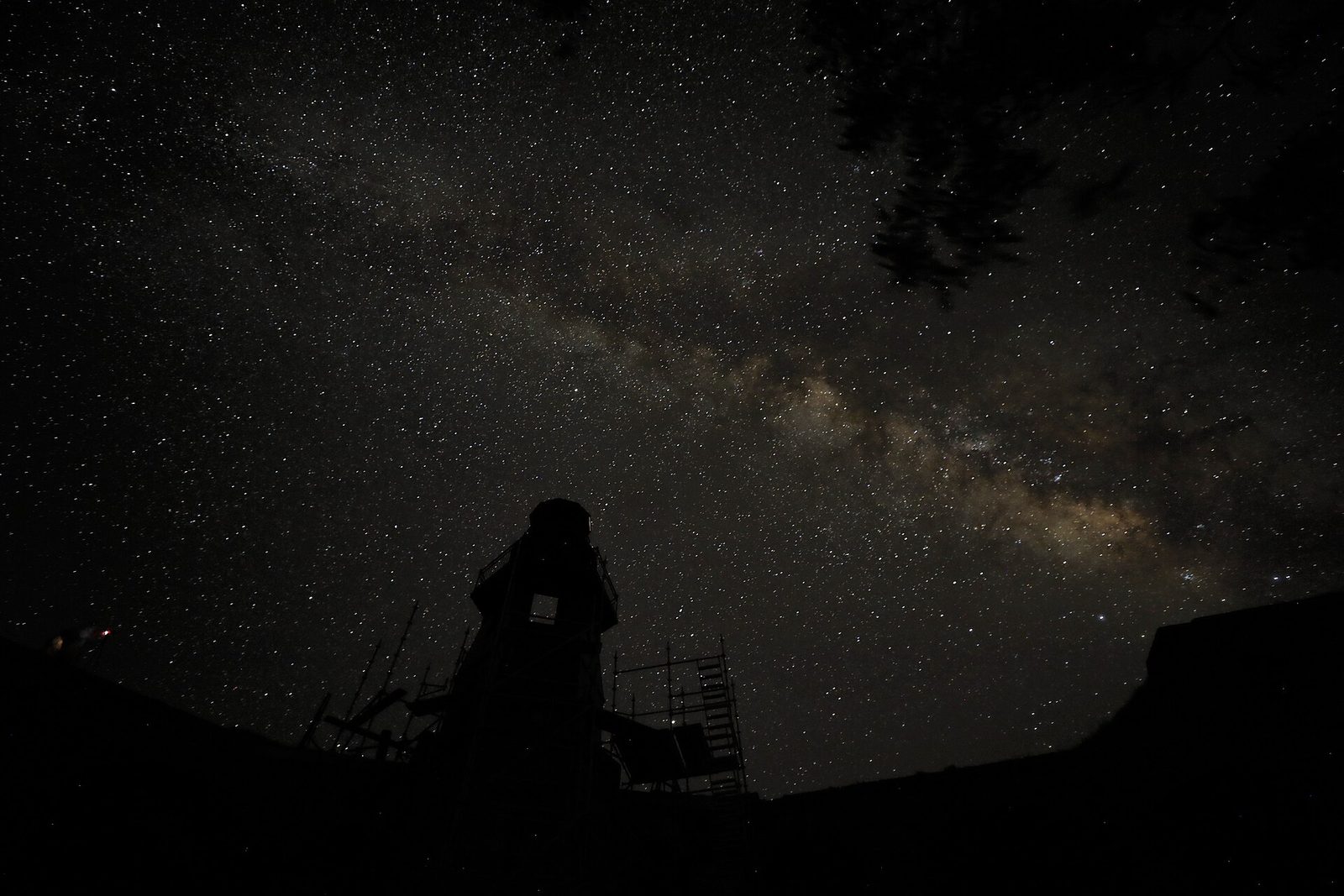
Milky Way Season in Louisiana
The galactic core is up in full darkness from about February 6 to October 25 at Longleaf Vista, Kisatchie National Forest. Every window on this page is computed from sun and core geometry, checked against US Naval Observatory tables.
Core season is open · typical window this month 8:05 PM to 9:00 PMThe Louisiana core season at a glance
Computed · USNO checkedKisatchie's longleaf pine uplands are Louisiana's darkest accessible country, and the state's low latitude puts the core respectably high in June and July.
When can you see the Milky Way in Louisiana?
The table gives the computed core window for the night of the 15th of each month at Longleaf Vista, Kisatchie National Forest (31.48, -92.95): when the galactic core is at least 10 degrees up while the sun is at least 18 degrees down. Early in the season the window is strictly pre dawn; by high summer it fills most of the night (where the night stays properly dark); in the season's last weeks it is a brief evening show. Add the moon: the windows below are only dark if the moon is too.
| Month | Core window (night of the 15th) | Core time per night | Verdict |
|---|---|---|---|
| January | core too low | none | No window |
| February | 4:35 AM to 5:30 AM | 1h 04m | Pre dawn |
| March | 3:45 AM to 5:55 AM | 2h 20m | Pre dawn |
| April | 1:45 AM to 5:15 AM | 3h 38m | Pre dawn |
| May | 11:45 PM to 4:40 AM | 5h 04m | Evening |
| June | 10:00 PM to 4:25 AM | 6h 20m | Peak |
| July | 9:55 PM to 3:00 AM | 5h 06m | Evening |
| August | 9:25 PM to 1:00 AM | 3h 35m | Evening |
| September | 8:40 PM to 10:55 PM | 2h 17m | Evening |
| October | 8:05 PM to 9:00 PM | 1h 04m | Evening |
| November | core too low | none | No window |
| December | core too low | none | No window |
Computed by our tested astronomy model (sun position per the NOAA solar equations, sidereal time per Meeus), verified against US Naval Observatory twilight tables to within a few minutes. Not a weather forecast: clouds are yours to dodge.
Which nights are dark enough? The next three moon windows
A bright moon hides the core even from a Bortle 1 sky, so the practical planning unit is the dark window around each new moon. Nights where the moon is no more than 25 percent illuminated, computed from the moon's phase for the months ahead:
October 2026
Oct 5 to 14. Core window: 8:05 PM to 9:00 PM
November 2026
Nov 3 to 13. No core window this month here.
December 2026
Dec 3 to 13. No core window this month here.
Dark windows are derived from the Meeus lunar phase series, checked against USNO new moon times. Moonrise and moonset are not part of the calculation, so treat shoulder nights as approximate. Full year calendar: Milky Way season 2027 month by month.
The darkest places to watch from in Louisiana
The core sits in the SOUTHERN sky, so unlike aurora chasing you want an open southern horizon with no town behind it. These are the same curated dark sites our northern lights pages use, certifications checked against DarkSky International's directory:
Longleaf Vista, Kisatchie National Forest
The darkest sky in the state, on a sandstone ridge in the Kisatchie Hills.
Poverty Point Reservoir State Park
Far northeast corner with a wide lake horizon and almost no towns to the north.
Lake Fausse Pointe State Park
Atchafalaya Basin swamp with open water views.
Grand Isle State Park
Gulf barrier island — dark to the south, but only useful if the aurora is overhead.
How to photograph the Milky Way core from Louisiana
Why Louisiana's core season runs the way it does
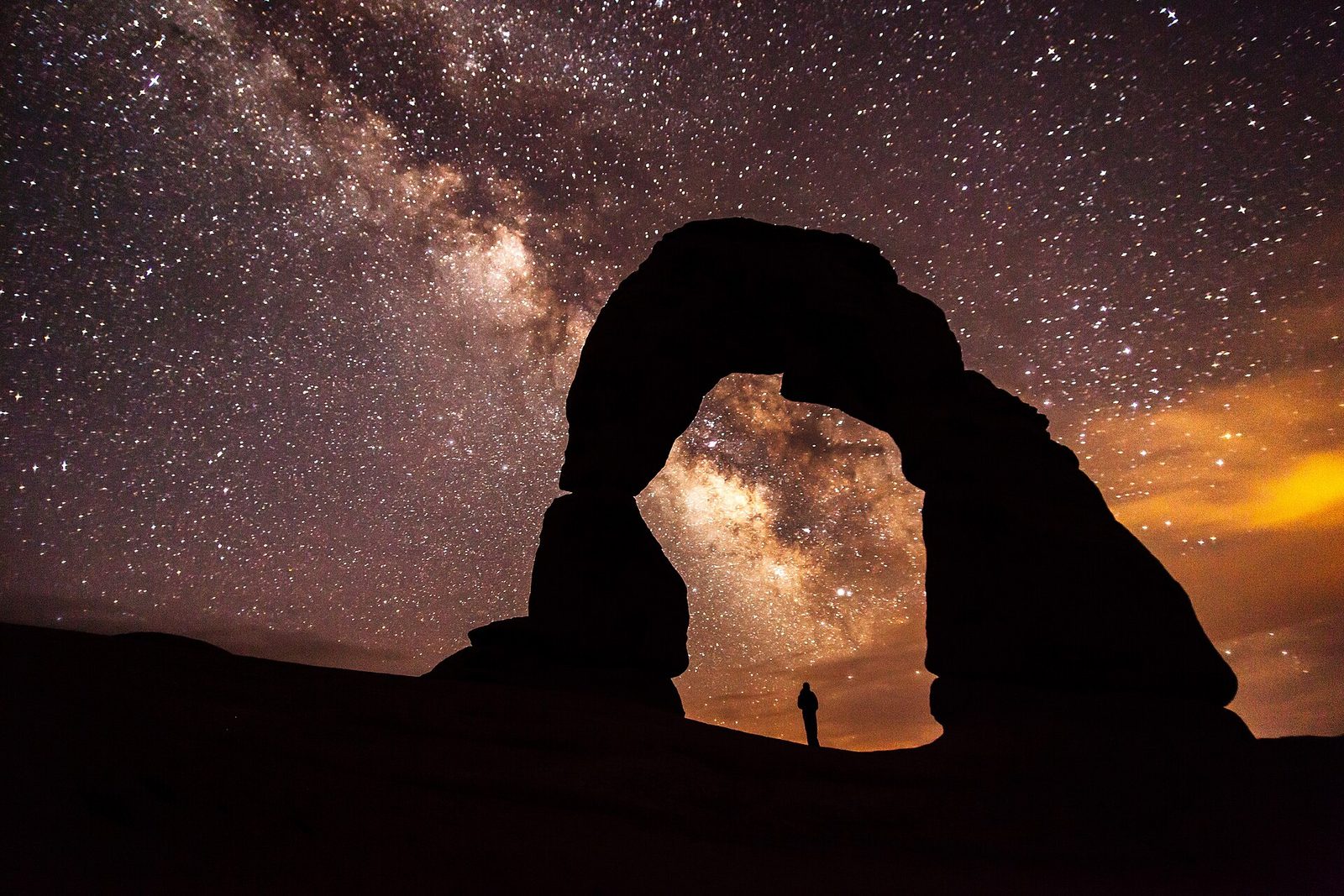
The galactic core sits at declination minus 29 degrees, in Sagittarius. From Louisiana's latitude of about 31.5 north, it can never stand higher than roughly 29.5 degrees above the southern horizon. Whether you actually see it then comes down to when that low arc coincides with real darkness: the sun 18 degrees below the horizon, the astronomers' definition of a fully dark sky.
In late winter that overlap happens just before dawn, which is why the season opens with 4 am starts around February 6. Through spring the core rises four minutes earlier each night, until by June it is up in the evening and the whole short night is core time. By October the core sets soon after dusk and the season closes. The National Park Service's night sky program puts it the same way: some part of the Milky Way is visible year round, but "June through August will provide the best views" of the galactic center.
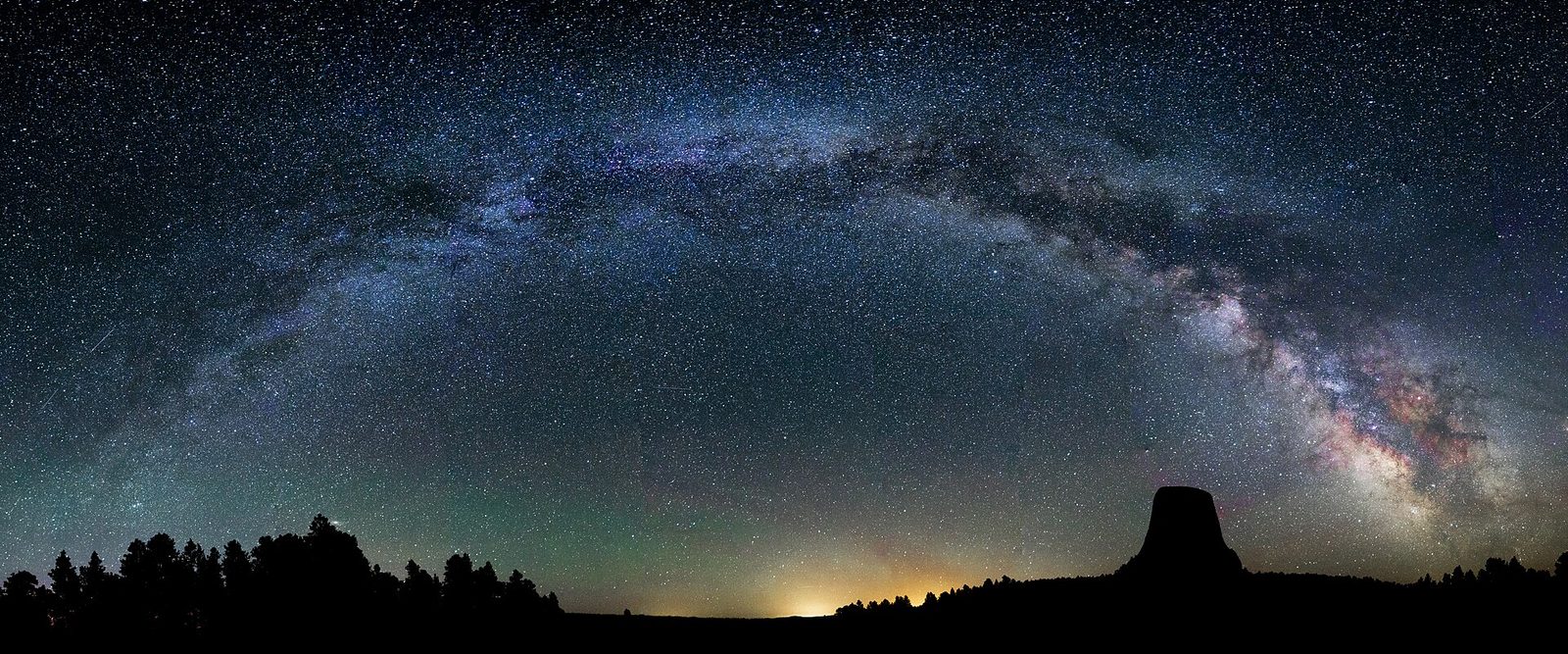
And darkness itself is the scarce ingredient. The world atlas of artificial night sky brightness (Falchi et al., Science Advances, 2016) concluded that "the Milky Way is hidden from more than one third of humanity, including 60% of Europeans and nearly 80% of North Americans." The dark site list above is the antidote.
Louisiana Milky Way FAQ
More Louisiana nights
Make a trip of it
Staying near Longleaf Vista, Kisatchie National Forest?
Tours & activities near Longleaf Vista, Kisatchie National Forest
Guided trips and experiences from local operators.
Browse on Viator Places to stay
Stays near Longleaf Vista, Kisatchie National Forest
Vacation rentals and cabins close to the water.
Browse on VrboWe may earn a commission on bookings made through these links.
More Southeast Milky Way seasons
All season dates, windows and altitudes on this page are computed by our tested astronomy model for Longleaf Vista, Kisatchie National Forest and the 2027 season (they shift by at most a day or two between years); verification against US Naval Observatory tables lives in the model's test suite. Bortle classes are estimates; DarkSky certifications are checked against darksky.org. Hero image: “DRTO Harbor Light Milky Way NPS Photo by M.Collier 11Aug21 2 (10)” — drytortugasnps — Public domain. National picture: Milky Way season in all 50 states · the 2027 dark sky calendar