
Pick Your Own in South Dakota
4 of the six crops on this list clear the census threshold in South Dakota, and the largest is apples at 181 acres over 74 farms in the 2022 Census of Agriculture. The census counted too little blueberries and peaches to build a window from, and each is named with its numbers below. Frost typically clears South Dakota around May 10, which is the clock everything except the pumpkin patch and the Christmas tree lot runs on. Every window below is a typical range rather than a report.
Apples and pumpkins are all inside their typical South Dakota windows right now, which is a statement about the calendar and not about any farmWhat falls inside its window in South Dakota today
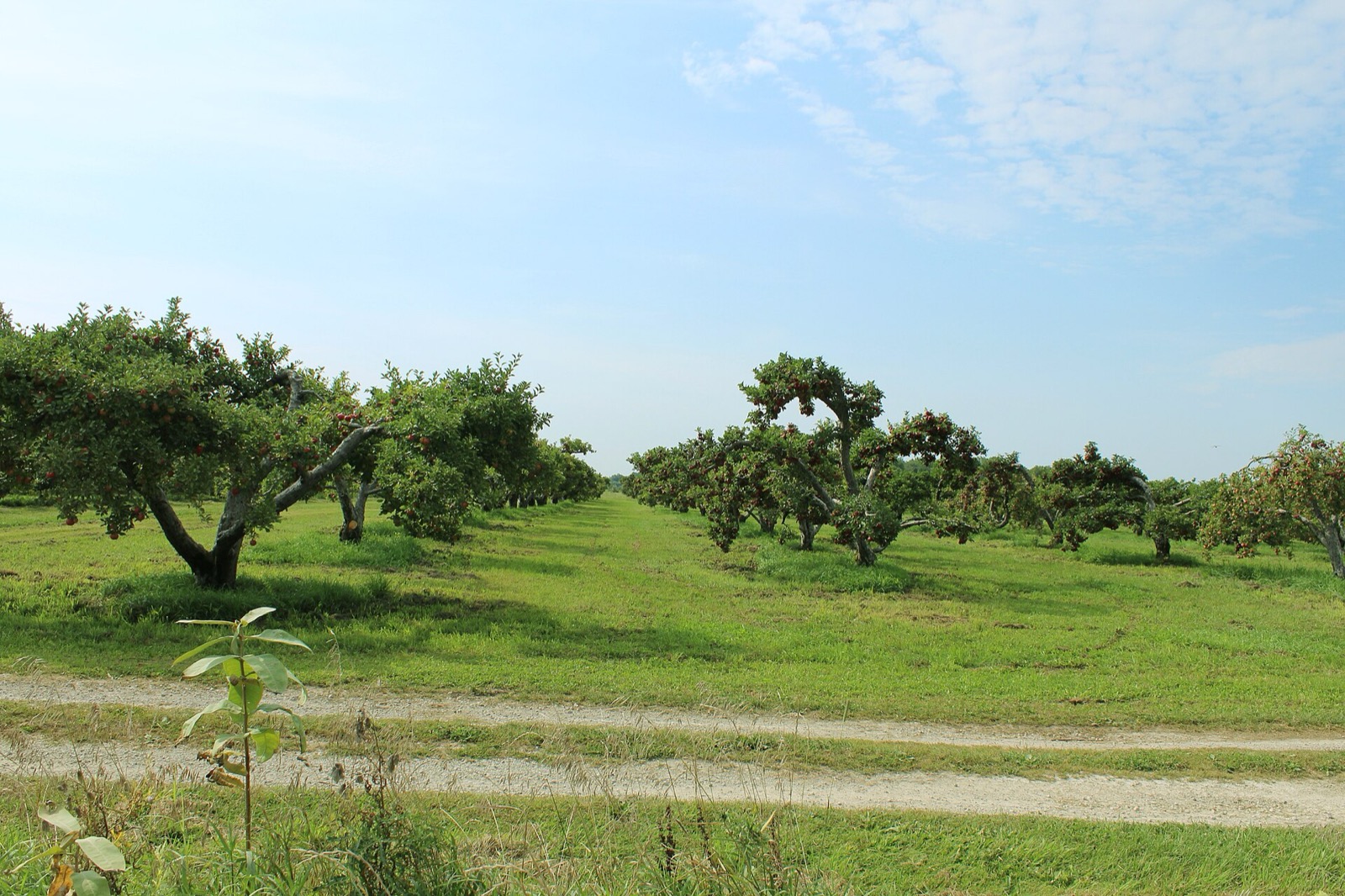
Great Lakes, Northeast and Upper Plains band, 2022 census coverageApples
September 1 to October 31
Inside its typical window today
Harvest bandPumpkins
September 12 to October 31
Inside its typical window today
Calendar setChristmas trees
November 27 to December 23
Typically opens in about 39 days
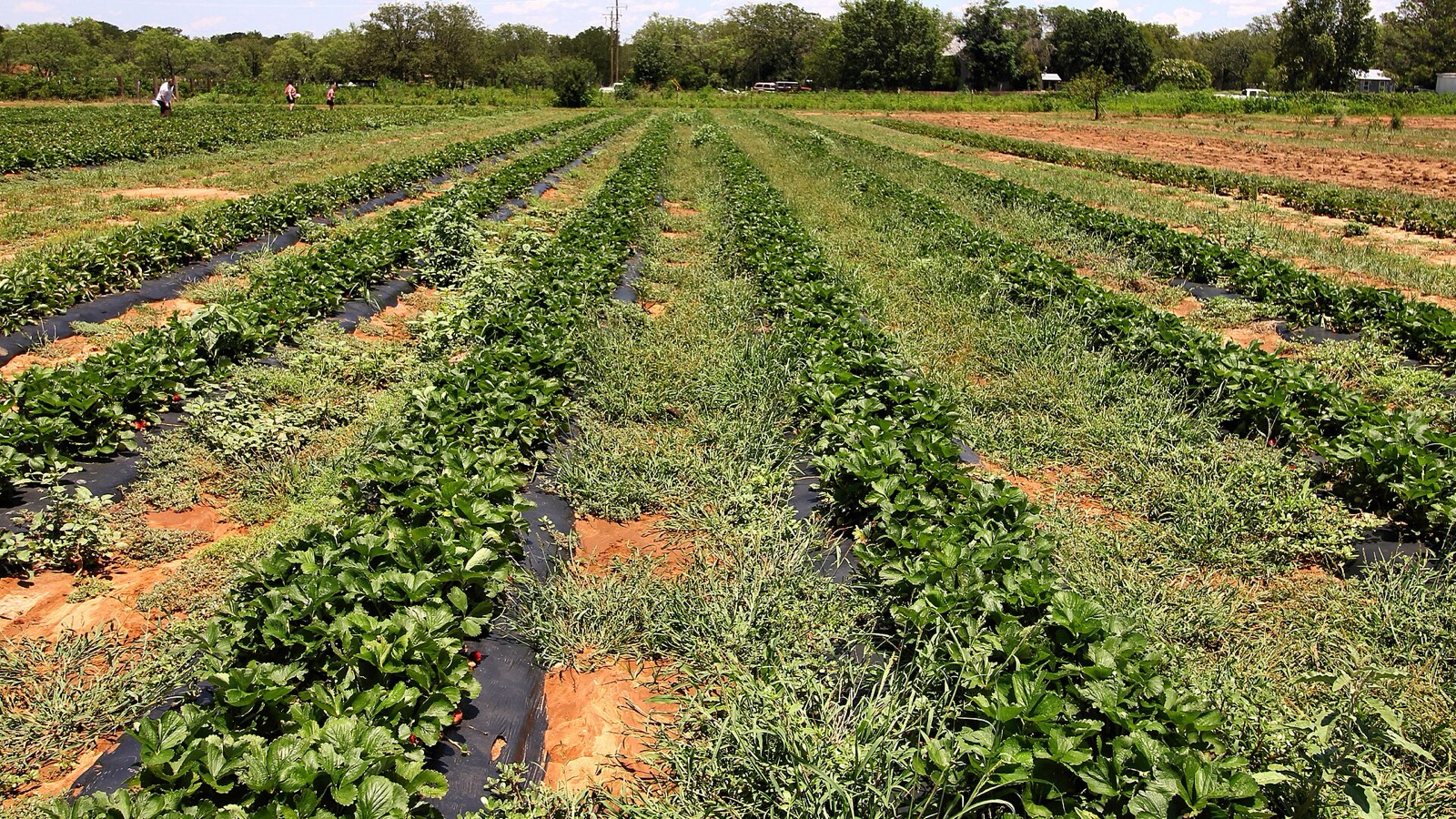
Calendar setStrawberries
June 5 to July 10
Typically opens in about 229 days
Harvest band“Inside its typical window” is arithmetic on a calendar. Whether the fruit has ripened and whether a farm near you is picking on a given day is published by the farm.
South Dakota’s picking year
South Dakota fills 4 of the six crops on this list: strawberries, apples, pumpkins and Christmas trees. The census could not find enough of the rest to build a window from, and the real numbers are further down this page. Frost typically clears the state around May 10 and the first fall freeze typically arrives around September 30, giving about 140 frost free days. That is the clock the fruit runs on.
Every South Dakota window, with the caveat attached
The block below carries every South Dakota window, whose window each one is, what the census counted and where to look for a farm, with the weather caveat alongside.
Crops below the census threshold
- Blueberries, no season. The 2022 Census of Agriculture counted 3 acres over 4 farms in South Dakota, under the line this site uses for a crop somebody could plausibly drive to, so there is no window for it here.
- Peaches, no season. The 2022 Census of Agriculture counted 2 acres over 13 farms in South Dakota, under the line this site uses for a crop somebody could plausibly drive to, so there is no window for it here.
South Dakota is in the Great Lakes, Northeast and Upper Plains band
The classic June strawberry, July blueberry, September apple calendar. Frost clears in the first fortnight of May and everything follows in order from there.
South Dakota clears frost on May 10, at the northern edge, but its fruit is in the southeast corner around Sioux Falls rather than spread across the state, and that corner runs with Iowa.
Sharing the band with South Dakota: Massachusetts, Connecticut, Rhode Island, New York, Michigan, Wisconsin, Minnesota, Iowa and Nebraska. A band is wide by design. Within one, two states a few hundred miles apart can genuinely differ by a fortnight, and a single state with real elevation in it differs by more than that inside its own borders.
The frost dates above are medians for representative stations in the state’s populated core, which means half of all years are later than the date shown. A valley floor frosts earlier than the hillside above it and a lakeshore later than the town ten miles inland, so the number places a state against other states rather than a farm against its own calendar. Frost dates by state and city carries the detail, including the early and late brackets.
Summarised from NOAA 1991 to 2020 climate normals, as carried by this site's frost vertical in our own words.
The two crops that ignore all of this are worth saying again. South Dakota's pumpkin patches close on October 31 like everyone else's, because a patch is a Halloween business rather than a harvest. Cut your own Christmas trees open the Friday after Thanksgiving, the same fortnight in South Dakota as in Georgia and in Maine, because a tree that took nine years to reach cutting height does not care what this spring did. Those dates are the only ones on this site that do not move with the weather at all.
USDA NASS, 2022 Census of Agriculture, Appendix A, Disclosure Review“NASS is obligated to withhold, under Title 7, U.S. Code, any total that would reveal an individual’s information or allow it to be closely estimated by the public.”
USDA NASS, 2022 Census of Agriculture, Appendix A, Disclosure Review“Farm counts are not considered sensitive and are not subject to disclosure controls.”
That is why a crop can be missing from this page with a real number behind it rather than a blank. A withheld cell is the census saying the crop exists and is small enough that naming the acreage would identify the farm growing it. Where that happens here, the page shows the farm count and notes that the acreage was withheld.
South Dakota pick your own FAQ
The rest of the South Dakota food calendar
Picking windows in nearby states
Acreage and farm counts are USDA NASS’s, from the 2022 Census of Agriculture, a US Government work in the public domain, pulled from the Quick Stats bulk census file on 2026-09-04. Frost medians are NOAA 1991 to 2020 normals for representative stations. Florida’s harvest windows are the Florida Department of Agriculture and Consumer Services’ own; every other window on this site is ours, placed by hand into a harvest band and printed next to the state’s frost date so it can be checked. Picking windows in every state