
Hawaii Planting Zones by City and ZIP Code
Hawaii runs from zones 10b to 13a; 71% of its ZIPs are 12b, Honolulu is 12b and Hilo is 11a.
Hawaii runs from zones 10b to 13a
The coldest night of the winter averages 35°F to 40°F in the coldest of Hawaii’s ZIP codes and 60°F to 65°F in the warmest. Most of the state is zone 12b.
Planting zones of Hawaii cities
| City | Zone | Coldest night, on average | Since 2012 |
|---|---|---|---|
| Honolulu96813 | 12b | 55°F to 60°F | same as 2012 |
| Hilo96720 | 11a | 40°F to 45°F | 1.5 zones colder than 2012 (12b) |
| Kahului96732 | 12b | 55°F to 60°F | same as 2012 |
| Lihue96766 | 12a | 50°F to 55°F | same as 2012 |
| Kailua Kona96740 | 12b | 55°F to 60°F | same as 2012 |
Tap a ZIP for that address’s frost dates and this month’s jobs.
Find your zone anywhere in Hawaii
A ZIP code or a town gives you its zone, how it moved since 2012, the frost dates at the nearest NOAA station, and the jobs for this month timed from them.
What to plant in Hawaii this month
The calendar for each of Hawaii's main zones, from vegetables to pruning and winter protection, each job tied to the extension page it comes from. Pick a month, or read the whole year below it.
Most of zone 12b sees no frost to count from, so the vegetable months come straight from University of Hawaii at Manoa CTAHR Cooperative Extension’s Home Gardening in Hawaii for Hawaii's low elevations (0 to 1,000 feet).
Pick a month above to see every job in it.
The year at a glance
- Plant vegetables: Low elevations (0 to 1,000 feet)all year
What changed in Hawaii since 2012
Every ZIP on both mapsCompared ZIP by ZIP from the 2023 and 2012 USDA tables; 133 Hawaii ZIP codes appear in both.
Why Hawaii’s zones moved
Of the cities above, Hilo went from 12b to 11a.
The USDA explains the national picture: “When compared to the 2012 map, the 2023 version reveals that about half of the country shifted to the next warmer half zone, and the other half of the country remained in the same half zone.” The new map uses 1991 to 2020 and more than 13,000 weather stations, so it draws Hawaii’s hills, valleys and cities more finely than the 2012 map did.
A warmer zone changes which perennials and shrubs come through the winter, not when the garden gets planted; that still follows the frost dates.
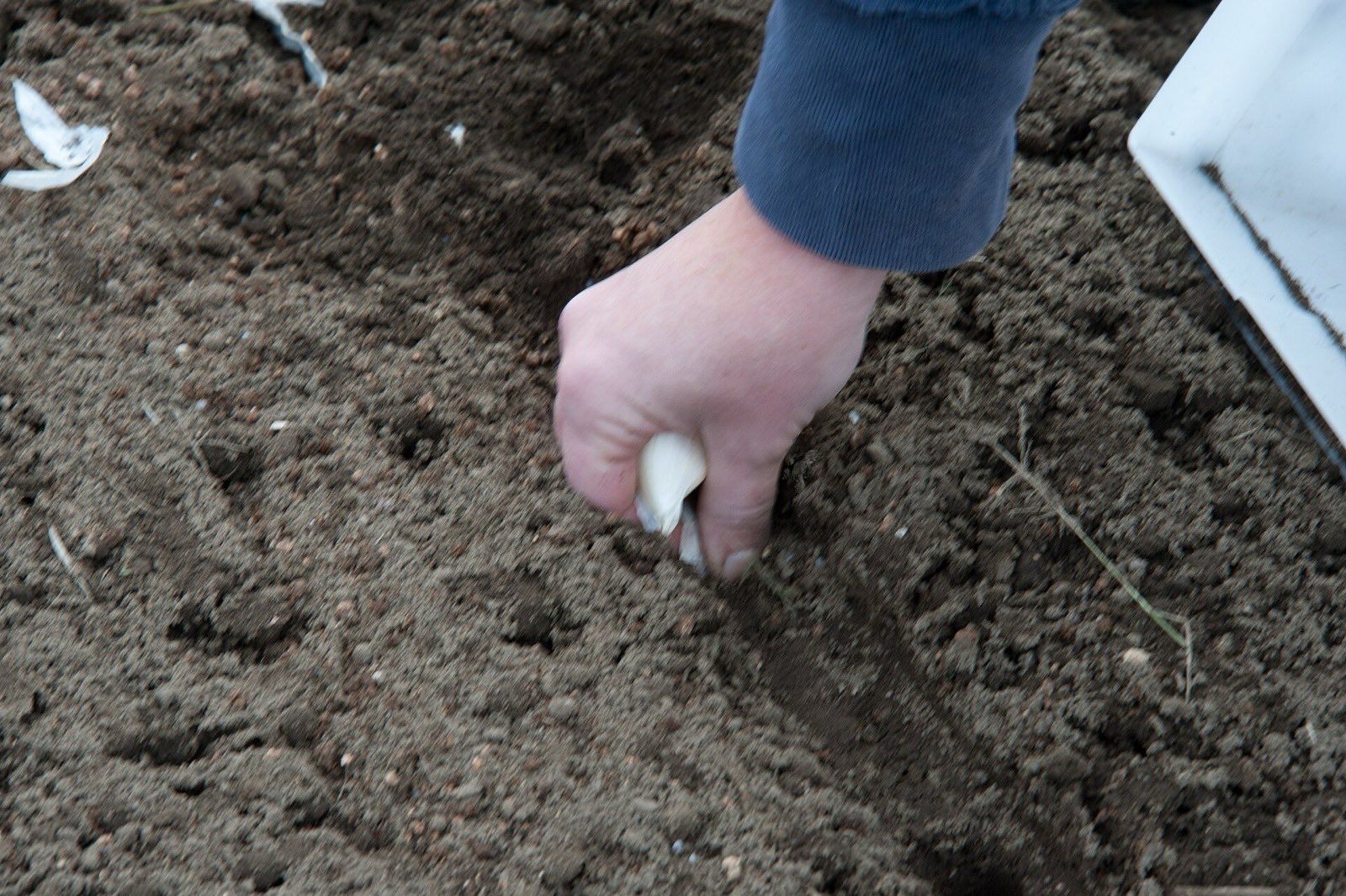
Frost dates and seed starting in Hawaii
Hawaii planting zone questions
Planting zones by state
Sources. USDA Plant Hardiness Zone Map, ZIP code tables (2023 and 2012), PRISM Climate Group, Oregon State University; USDA Plant Hardiness Zone Map; USDA Unveils Updated Plant Hardiness Zone Map (USDA Agricultural Research Service, November 15, 2023); NOAA NCEI U.S. Climate Normals 1991-2020, annual/seasonal, by station (v1.0.1); NC State Extension Gardener Plant Toolbox. Zones are read from the PRISM ZIP code tables, read Oct 9, 2026; a ZIP code’s zone is the zone at its center. The calendar’s extension sources are listed on the planting zones page and under each job.