
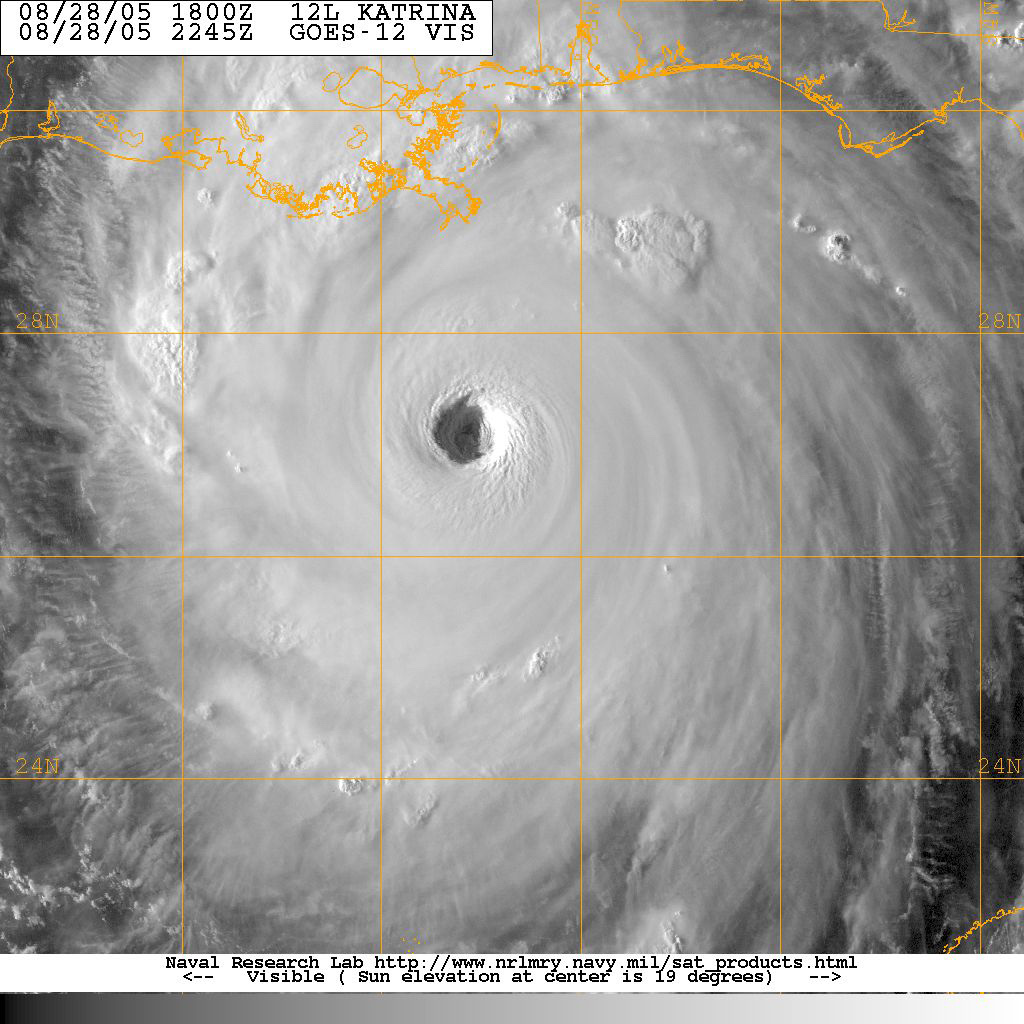
Hurricanes in June
What 175 years of NOAA records show about June in the Atlantic: how much forms, what has hit the US, and where the month sits in the season.
June is part of the official Atlantic season, June 1 to November 30. Anything live belongs to the National Hurricane Center.Is there a storm anywhere right now? Go to the National Hurricane Center.
The panel just below republishes the National Hurricane Center’s own latest advisories and outlook, verbatim and timestamped. Tracks, cones and forecasts are the National Hurricane Center’s. If a storm is active or approaching, NHC is the source of official forecasts and warnings, and your emergency management agency is the source of evacuation and shelter decisions.
- National Hurricane Center for current storms, forecasts, watches, and warnings
- Your state emergency management agency for evacuation orders and shelter information
- Ready.gov hurricane preparedness for how to prepare, in FEMA’s own words
“It only takes one hurricane (or tropical storm) to cause a disaster.” NOAA Climate Prediction Center
What NHC is saying right now
Republished verbatim from the National Hurricane Center via the National Weather Service API, with NHC’s own issuance times. For anything that matters, read it at nhc.noaa.gov where it is always current.
Loading the latest NHC products…
June in the Atlantic record
1851 to 2025, NOAA HURDAT2June is the official start of the Atlantic hurricane season, and also one of its quietest months. Early-season storms tend to be homegrown: they form close to the US in the Gulf and the western Caribbean rather than rolling off Africa, which means less ocean to cross and less time to strengthen, but also less warning time between formation and arrival.
How busy June actually is
The chart shows every month for comparison, from the same HURDAT2 record; June’s column is the one to read. Because ship reports missed storms in the early record, the comparison to use is the modern one: since 1944, June has averaged about 0.9 named storms active per year.
NHC's June origin climatology map shows genesis points concentrated in the Gulf and the western Caribbean, with the deep tropical Atlantic still quiet. See NHC’s monthly origin and track maps.
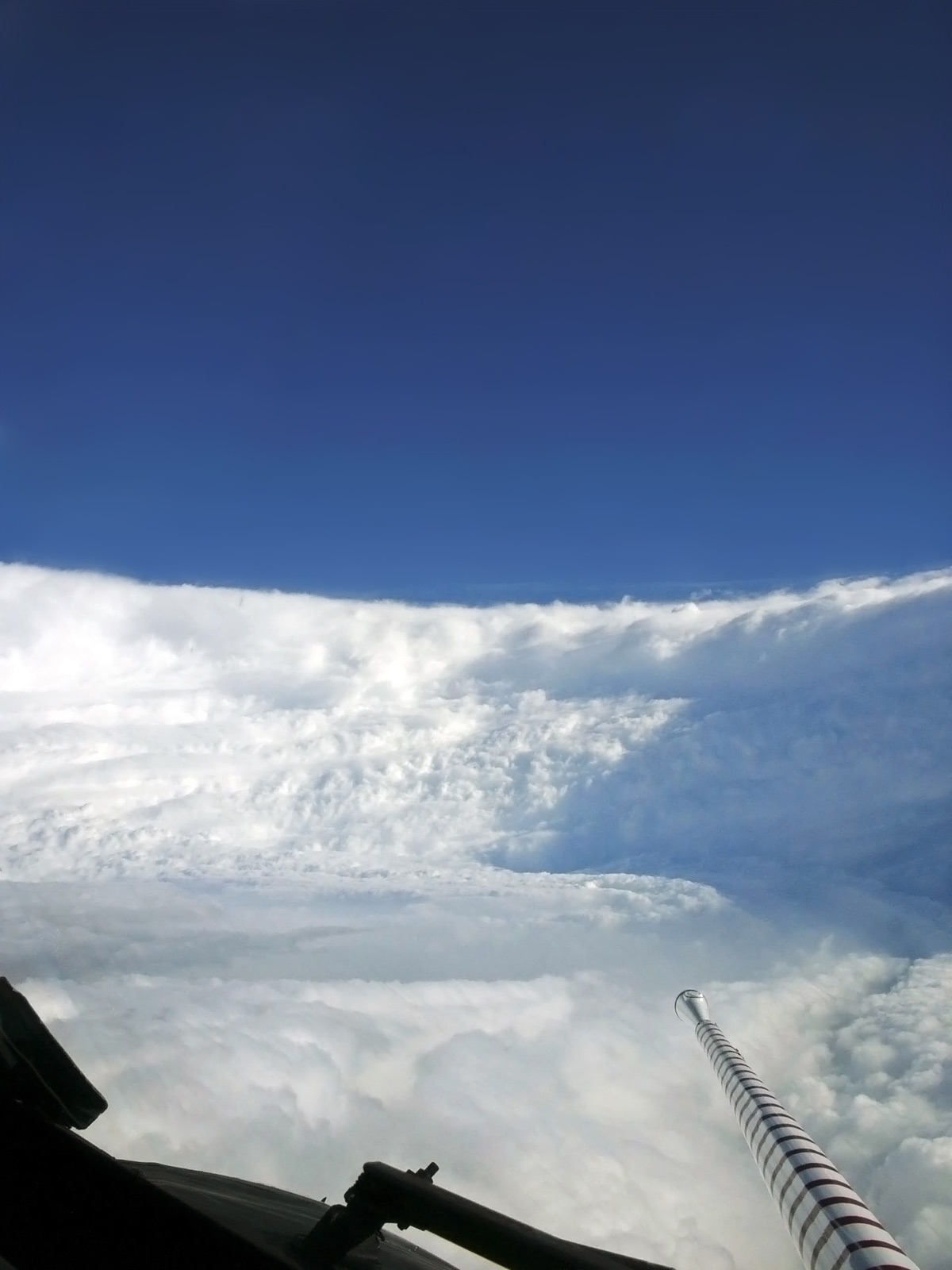
Every June hurricane to hit the United States
From NOAA AOML’s continental US landfall list: every hurricane whose June landfall brought hurricane conditions to at least one state.
| Year | Name | Highest US category | States affected | Pressure |
|---|---|---|---|---|
| 1986 | Bonnie | Cat 1 | Texas | 990 mb |
| 1972 | Agnes | Cat 1 | Florida, New York, Connecticut | 980 mb |
| 1966 | Alma | Cat 3 | Florida | 962 mb |
| 1957 | Audrey | Cat 3 | Texas, Louisiana | 946 mb |
| 1945 | Unnamed | Cat 1 | Florida | 985 mb |
| 1936 | Unnamed | Cat 1 | Texas | 987 mb |
| 1934 | Unnamed | Cat 2 | Louisiana | 966 mb |
| 1929 | Unnamed | Cat 1 | Texas | 982 mb |
| 1921 | Unnamed | Cat 1 | Texas | 980 mb |
| 1913 | Unnamed | Cat 1 | Texas | 986 mb |
| 1909 | Unnamed | Cat 2 | Texas | 972 mb |
| 1906 | Unnamed | Cat 1 | Florida | 979 mb |
| 1888 | Unnamed | Cat 1 | Texas | 982 mb |
| 1886 | Unnamed | Cat 2 | Texas, Louisiana | 970 mb |
| 1886 | Unnamed | Cat 2 | Florida, Georgia | 970 mb |
| 1886 | Unnamed | Cat 2 | Florida, Georgia | 970 mb |
| 1867 | Unnamed | Cat 1 | South Carolina | 985 mb |
| 1854 | Unnamed | Cat 1 | Texas | 982 mb |
| 1851 | Unnamed | Cat 1 | Texas | 974 mb |
How complete is this record?
“Because of the sparseness of towns and cities before 1900 in some coastal locations along the United States, the above list is not complete for all states. Before the Gulf of Mexico and Atlantic coasts became settled, hurricanes may have been underestimated in their intensity or missed completely for small-sized systems (i.e., 2004's Hurricane Charley).”NOAA Atlantic Oceanographic and Meteorological Laboratory, Hurricane Research Division, source
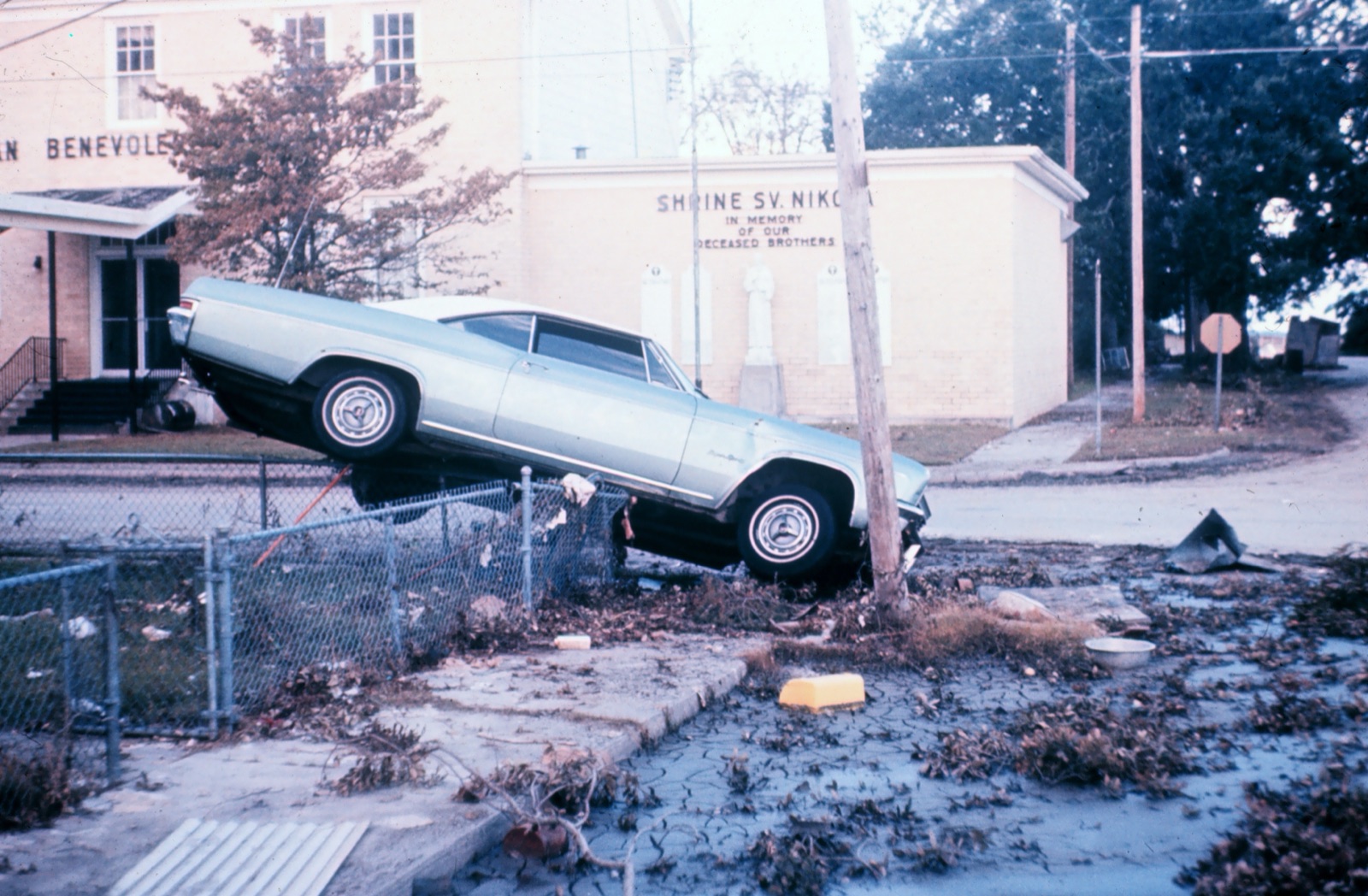
Where June sits in the season
The season’s shape is set by NOAA’s own dates and peak:
“The Atlantic hurricane season runs from June 1 to November 30.”National Hurricane Center, source
“The peak of the Atlantic hurricane season is September 10, with most activity occurring between mid-August and mid-October.”National Hurricane Center, source
Hurricanes in June: FAQ
The rest of the season
Hurricane season by state
Counts derived from NOAA HURDAT2 (hurdat2-1851-2025-02272026.txt) and NOAA AOML’s continental US hurricane landfall list (Revised in March 2026 to add in the 2025 season). For anything current: nhc.noaa.gov.