
Radon in California: County Zones and How to Test
California has counties in more than one EPA radon zone, which is exactly when a county-level answer earns its keep. Enter your ZIP for your county's zone, the map's 1993 vintage stated, and how to run a real test.
California's 58 counties split 2 Zone 1, 29 Zone 2 and 27 Zone 3 on the 1993 EPA Map of Radon ZonesYour county's radon report
Every county your ZIP touches, zone, vintage and caveat attachedCalifornia's two Zone 1 counties surprise people: Santa Barbara and Ventura, where the uranium-rich Rincon shale runs under the coastal hills. The Sierra foothills and much of the rest of the state split between Zones 2 and 3. California is the clearest case in the country for reading zones as county averages rather than verdicts: a state with more homes than any other has high-radon houses in plenty of yellow counties.
Every California county on the 1993 EPA Map of Radon Zones
The zones below are EPA's assignments from the 1993 Map of Radon Zones, which has never been revised, so their vintage is part of the fact. EPA built them from indoor measurements, geology, aerial radioactivity, soil parameters and foundation types, per county, and they predict county averages rather than describing any home.
EPA, Radon Zones Map (accessible text version)“Zone 1 (red zones) Highest potential; average indoor radon levels may be greater than 4 pCi/L (picocuries per liter). Zone 2 (orange zones) Moderate potential; average indoor radon levels may be between 2 and 4 pCi/L. Zone 3 (yellow zones) Low potential; average indoor radon levels may be less than 2 pCi/L.”
2 counties
- Santa Barbara County
- Ventura County
29 counties
- Alameda County
- Alpine County
- Amador County
- Calaveras County
- Contra Costa County
- El Dorado County
- Fresno County
- Inyo County
- Kern County
- Los Angeles County
- Madera County
- Mariposa County
- Mono County
- Monterey County
- Nevada County
- Placer County
- Plumas County
- Riverside County
- San Benito County
- San Bernardino County
- San Francisco County
- San Luis Obispo County
- San Mateo County
- Santa Clara County
- Santa Cruz County
- Sierra County
- Tulare County
- Tuolumne County
- Yuba County
27 counties
- Butte County
- Colusa County
- Del Norte County
- Glenn County
- Humboldt County
- Imperial County
- Kings County
- Lake County
- Lassen County
- Marin County
- Mendocino County
- Merced County
- Modoc County
- Napa County
- Orange County
- Sacramento County
- San Diego County
- San Joaquin County
- Shasta County
- Siskiyou County
- Solano County
- Sonoma County
- Stanislaus County
- Sutter County
- Tehama County
- Trinity County
- Yolo County
EPA prints one sentence in bold on every one of its state zone map PDFs, California's included, and it is the right way to leave this table:
EPA, state Maps of Radon Zones (printed on every state map PDF)“All homes should be tested, regardless of zone designation.”
EPA, Radon Zones Map (accessible text version)“The map should not be used to determine if a home in a given zone should be tested for radon. Homes with elevated levels of radon have been found in all three zones. All homes should be tested for radon.”
What California has published since the map
For California, the 1993 EPA zones above are the newest county-level assignment published as data: the state program had no county-level radon test summary published as data as of 2026-09-01. The state program is the place to ask for newer local numbers, and a test of your own home outranks every map ever drawn.
EPA, EPA Map of Radon Zones and Supplemental Information“EPA's Map of Radon Zones can be supplemented with available state-developed or other data to further understand the radon potential for a specific area.”
Testing a California home, in EPA's words and one link to the state
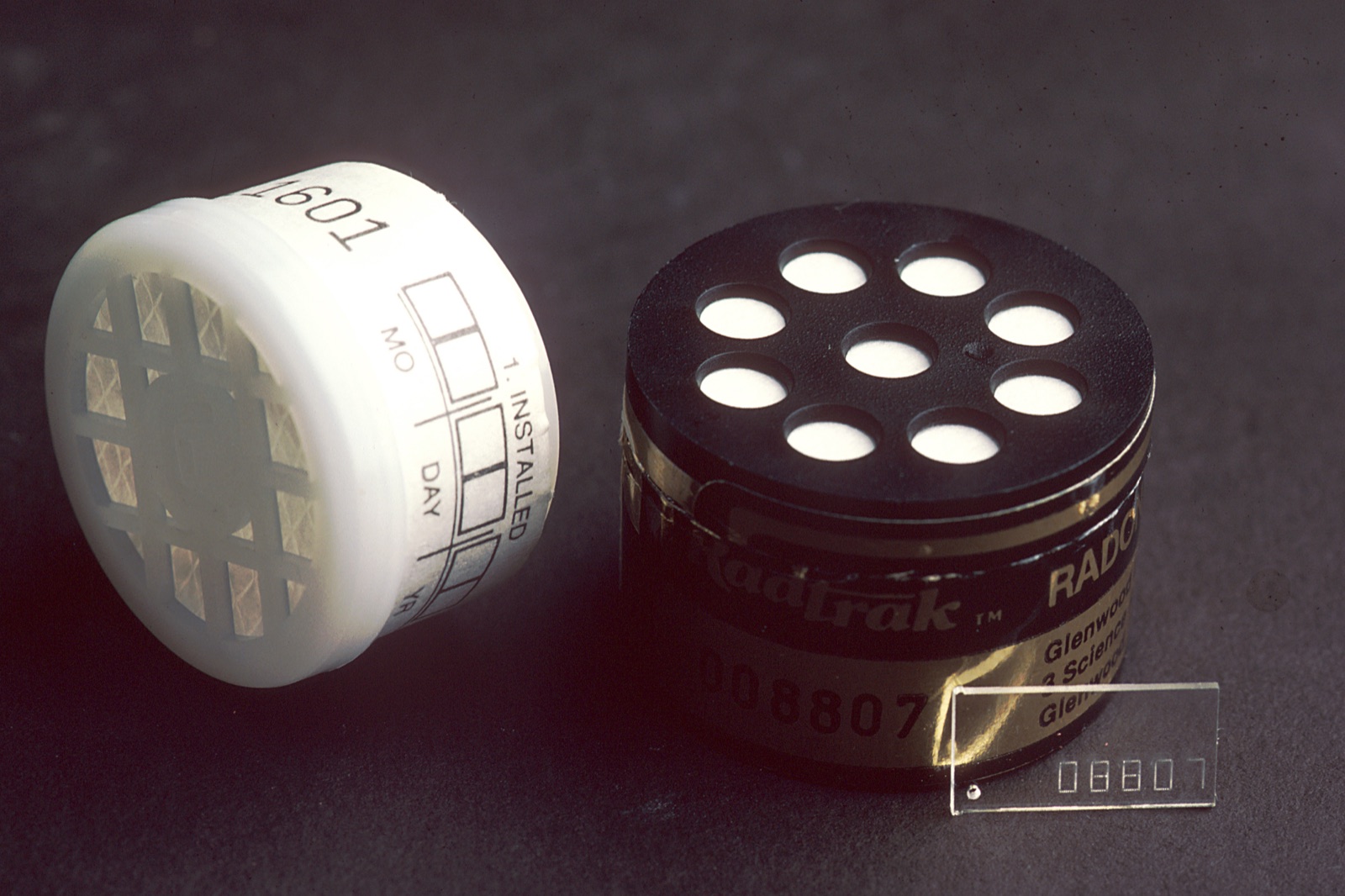
The state program is the practical door: California Department of Public Health, Indoor Radon Program, 916-449-5674 (contact as listed by EPA, 2026-09-01). Many state programs mail free or discounted test kits, and January, National Radon Action Month on EPA's calendar, is when most of those campaigns run. Winter is also when a short-term test is easiest to run properly, because the test wants the house closed up and winter does that for you.
EPA, A Citizen's Guide to Radon“Follow the instructions that come with your test kit. If you are doing a short-term test, close your windows and outside doors and keep them closed as much as possible during the test.”
EPA, What is EPA's Action Level for Radon and What Does it Mean?“The EPA recommends homes be fixed if the radon level is 4 pCi/L (picocuries per liter) (150 becquerels per meter cubed (Bq/m3)) or more. Because there is no known safe level of exposure to radon, the EPA also recommends that Americans consider fixing their home for radon levels between 2 pCi/L and 4 pCi/L (75 - 150 Bq/m3).”
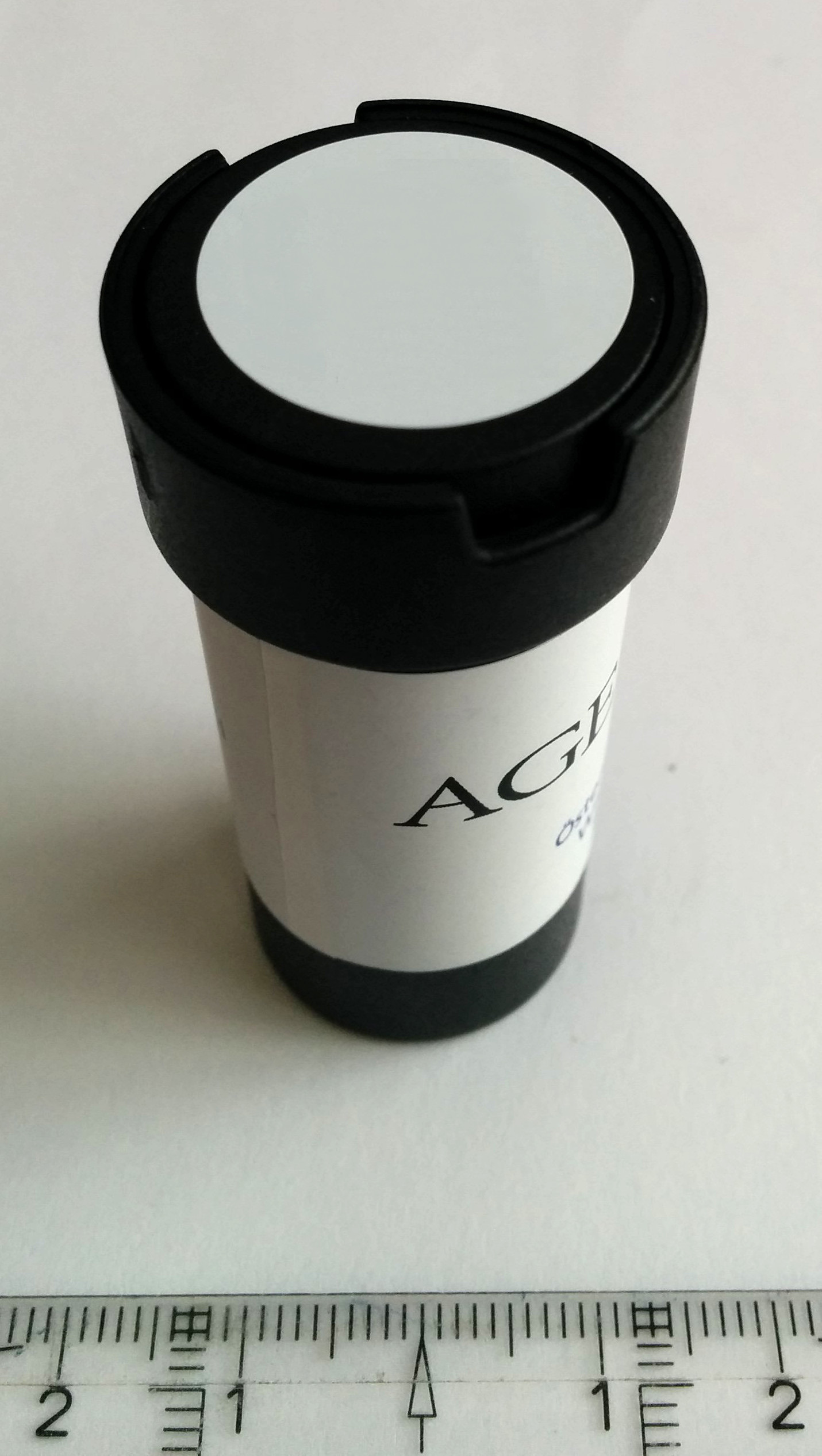
EPA's two testing pages cover the rest: A Citizen's Guide to Radon (EPA 402/K-12/002) and EPA, Find a Radon Test Kit or Measurement and Mitigation Professional. If a test comes back at or above 4.0 pCi/L, the fix is a mitigation system, and the state program keeps the list of certified installers. This site sells nothing and certifies nobody.
The health case, in EPA's words
Health guidance on radon is EPA's. Here it is, verbatim, with the door to the rest of it.
EPA, Health Risk of Radon“Radon is the number one cause of lung cancer among non-smokers, according to EPA estimates. Overall, radon is the second leading cause of lung cancer. Radon is responsible for about 21,000 lung cancer deaths every year. About 2,900 of these deaths occur among people who have never smoked.”
EPA, National Radon Action Month Information“You can’t see, smell or taste radon, but it could be present at a dangerous level in your home. Radon is the leading cause of lung cancer deaths among nonsmokers in America and claims the lives of about 21,000 Americans each year.”
The full picture, including EPA's risk tables by smoking status and the 2005 Surgeon General advisory, is at EPA, Health Risk of Radon. Questions about your own risk belong with your doctor, especially if you smoke or ever did.