
Radon in Georgia: County Zones and How to Test
Georgia has counties in more than one EPA radon zone, which is exactly when a county-level answer earns its keep. Enter your ZIP for your county's zone, the map's 1993 vintage stated, and how to run a real test.
Georgia's 159 counties split 4 Zone 1, 55 Zone 2 and 100 Zone 3 on the 1993 EPA Map of Radon ZonesYour county's radon report
Every county your ZIP touches, zone, vintage and caveat attachedGeorgia's four Zone 1 counties are all in metro Atlanta: Cobb, DeKalb, Fulton and Gwinnett, where granites of the Piedmont carry more uranium than anything in the rest of the state. The mountains to the north are mostly Zone 2 and the coastal plain south of the fall line is Zone 3. EPA's listed radon contact for Georgia is the University of Georgia's radon education program.
Every Georgia county on the 1993 EPA Map of Radon Zones
The zones below are EPA's assignments from the 1993 Map of Radon Zones, which has never been revised, so their vintage is part of the fact. EPA built them from indoor measurements, geology, aerial radioactivity, soil parameters and foundation types, per county, and they predict county averages rather than describing any home.
EPA, Radon Zones Map (accessible text version)“Zone 1 (red zones) Highest potential; average indoor radon levels may be greater than 4 pCi/L (picocuries per liter). Zone 2 (orange zones) Moderate potential; average indoor radon levels may be between 2 and 4 pCi/L. Zone 3 (yellow zones) Low potential; average indoor radon levels may be less than 2 pCi/L.”
4 counties
- Cobb County
- DeKalb County
- Fulton County
- Gwinnett County
55 counties
- Banks County
- Barrow County
- Bartow County
- Butts County
- Carroll County
- Catoosa County
- Cherokee County
- Clarke County
- Clayton County
- Coweta County
- Dawson County
- Douglas County
- Elbert County
- Fannin County
- Fayette County
- Floyd County
- Forsyth County
- Franklin County
- Gilmer County
- Greene County
- Habersham County
- Hall County
- Haralson County
- Harris County
- Hart County
- Heard County
- Henry County
- Jackson County
- Jasper County
- Lamar County
- Lumpkin County
- Madison County
- Meriwether County
- Monroe County
- Morgan County
- Newton County
- Oconee County
- Oglethorpe County
- Paulding County
- Pickens County
- Pike County
- Rabun County
- Richmond County
- Rockdale County
- Spalding County
- Stephens County
- Talbot County
- Towns County
- Troup County
- Union County
- Upson County
- Walker County
- Walton County
- White County
- Whitfield County
100 counties
- Appling County
- Atkinson County
- Bacon County
- Baker County
- Baldwin County
- Ben Hill County
- Berrien County
- Bibb County
- Bleckley County
- Brantley County
- Brooks County
- Bryan County
- Bulloch County
- Burke County
- Calhoun County
- Camden County
- Candler County
- Charlton County
- Chatham County
- Chattahoochee County
- Chattooga County
- Clay County
- Clinch County
- Coffee County
- Colquitt County
- Columbia County
- Cook County
- Crawford County
- Crisp County
- Dade County
- Decatur County
- Dodge County
- Dooly County
- Dougherty County
- Early County
- Echols County
- Effingham County
- Emanuel County
- Evans County
- Glascock County
- Glynn County
- Gordon County
- Grady County
- Hancock County
- Houston County
- Irwin County
- Jeff Davis County
- Jefferson County
- Jenkins County
- Johnson County
- Jones County
- Lanier County
- Laurens County
- Lee County
- Liberty County
- Lincoln County
- Long County
- Lowndes County
- Macon County
- Marion County
- McDuffie County
- McIntosh County
- Miller County
- Mitchell County
- Montgomery County
- Murray County
- Muscogee County
- Peach County
- Pierce County
- Polk County
- Pulaski County
- Putnam County
- Quitman County
- Randolph County
- Schley County
- Screven County
- Seminole County
- Stewart County
- Sumter County
- Taliaferro County
- Tattnall County
- Taylor County
- Telfair County
- Terrell County
- Thomas County
- Tift County
- Toombs County
- Treutlen County
- Turner County
- Twiggs County
- Ware County
- Warren County
- Washington County
- Wayne County
- Webster County
- Wheeler County
- Wilcox County
- Wilkes County
- Wilkinson County
- Worth County
EPA prints one sentence in bold on every one of its state zone map PDFs, Georgia's included, and it is the right way to leave this table:
EPA, state Maps of Radon Zones (printed on every state map PDF)“All homes should be tested, regardless of zone designation.”
EPA, Radon Zones Map (accessible text version)“The map should not be used to determine if a home in a given zone should be tested for radon. Homes with elevated levels of radon have been found in all three zones. All homes should be tested for radon.”
What Georgia has published since the map
For Georgia, the 1993 EPA zones above are the newest county-level assignment published as data: the state program had no county-level radon test summary published as data as of 2026-09-01. The state program is the place to ask for newer local numbers, and a test of your own home outranks every map ever drawn.
EPA, EPA Map of Radon Zones and Supplemental Information“EPA's Map of Radon Zones can be supplemented with available state-developed or other data to further understand the radon potential for a specific area.”
Testing a Georgia home, in EPA's words and one link to the state
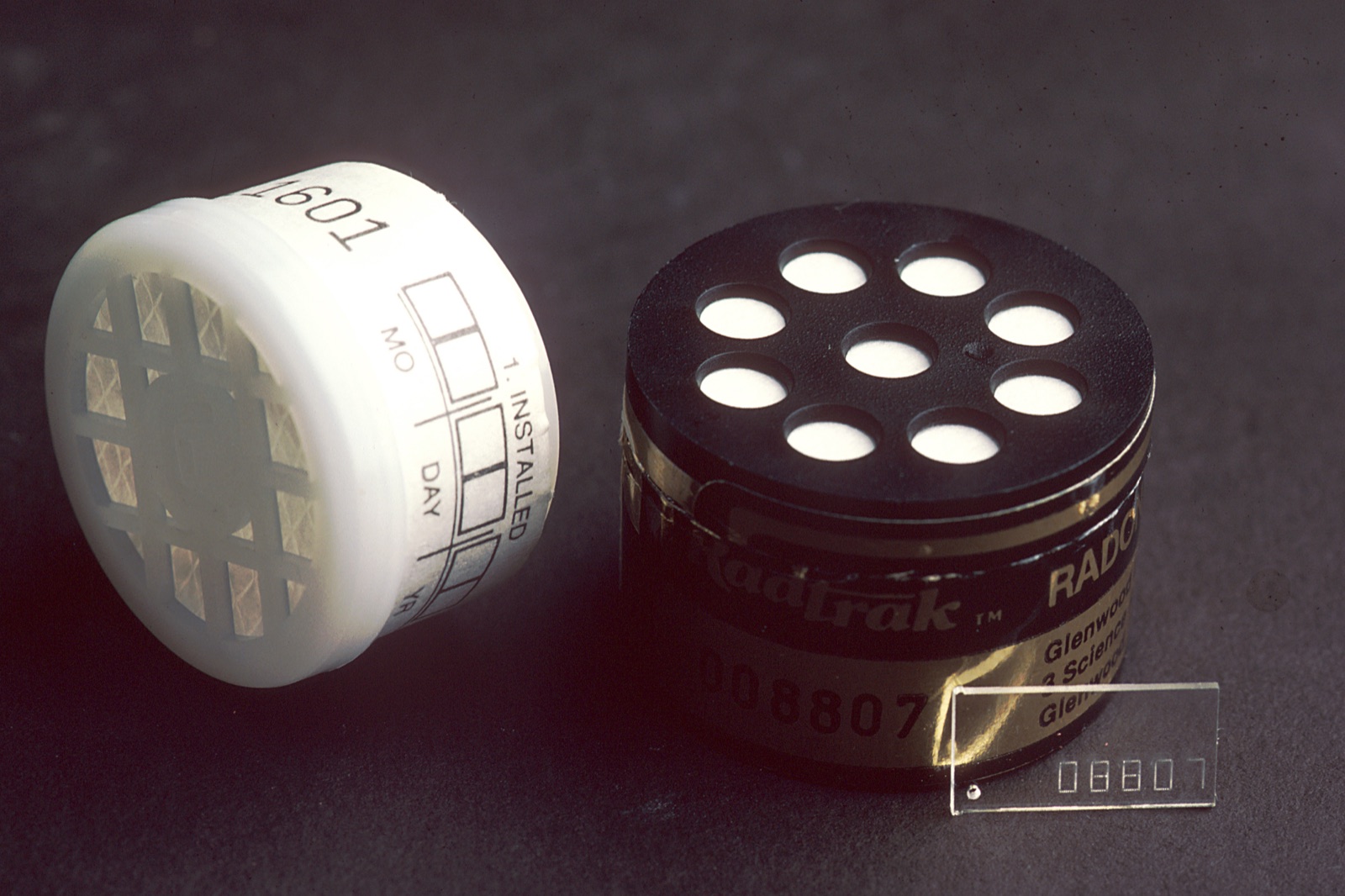
The state program is the practical door: University of Georgia radon education program (EPA's listed Georgia contact), 706-583-0602 (contact as listed by EPA, 2026-09-01). Many state programs mail free or discounted test kits, and January, National Radon Action Month on EPA's calendar, is when most of those campaigns run. Winter is also when a short-term test is easiest to run properly, because the test wants the house closed up and winter does that for you.
EPA, A Citizen's Guide to Radon“Follow the instructions that come with your test kit. If you are doing a short-term test, close your windows and outside doors and keep them closed as much as possible during the test.”
EPA, What is EPA's Action Level for Radon and What Does it Mean?“The EPA recommends homes be fixed if the radon level is 4 pCi/L (picocuries per liter) (150 becquerels per meter cubed (Bq/m3)) or more. Because there is no known safe level of exposure to radon, the EPA also recommends that Americans consider fixing their home for radon levels between 2 pCi/L and 4 pCi/L (75 - 150 Bq/m3).”
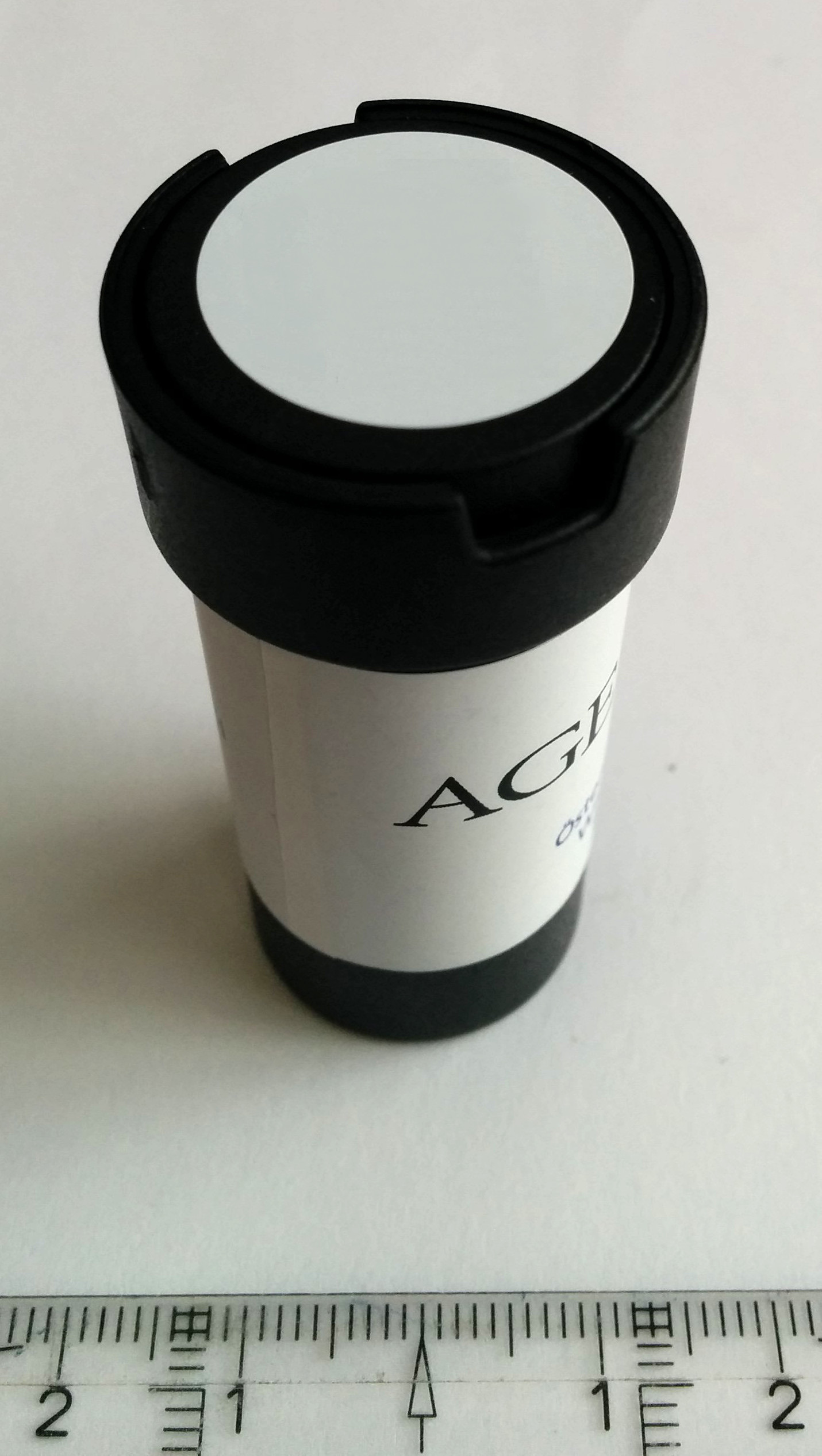
EPA's two testing pages cover the rest: A Citizen's Guide to Radon (EPA 402/K-12/002) and EPA, Find a Radon Test Kit or Measurement and Mitigation Professional. If a test comes back at or above 4.0 pCi/L, the fix is a mitigation system, and the state program keeps the list of certified installers. This site sells nothing and certifies nobody.
The health case, in EPA's words
Health guidance on radon is EPA's. Here it is, verbatim, with the door to the rest of it.
EPA, Health Risk of Radon“Radon is the number one cause of lung cancer among non-smokers, according to EPA estimates. Overall, radon is the second leading cause of lung cancer. Radon is responsible for about 21,000 lung cancer deaths every year. About 2,900 of these deaths occur among people who have never smoked.”
EPA, National Radon Action Month Information“You can’t see, smell or taste radon, but it could be present at a dangerous level in your home. Radon is the leading cause of lung cancer deaths among nonsmokers in America and claims the lives of about 21,000 Americans each year.”
The full picture, including EPA's risk tables by smoking status and the 2005 Surgeon General advisory, is at EPA, Health Risk of Radon. Questions about your own risk belong with your doctor, especially if you smoke or ever did.