
Radon in Texas: County Zones and How to Test
Texas rates low on the 1993 EPA map, and EPA's own instruction is to test anyway, because zones describe counties and only a test describes your home. Your county's report is one ZIP code away.
EPA's 1993 Map of Radon Zones puts 215 of Texas's 254 counties in Zone 3, its lowest potential category, and still says to test every homeYour county's radon report
Every county your ZIP touches, zone, vintage and caveat attachedTexas is a Zone 3 state with a Zone 2 panhandle: 215 of 254 counties carry the low designation, and the 39 moderate counties are almost all High Plains and Trans-Pecos, from Lubbock and Amarillo west to Hudspeth. Every large metro, Dallas, Houston, San Antonio and Austin, is Zone 3. EPA's listed radon contact for Texas is the state health department's program operated with Texas Tech University.
Every Texas county on the 1993 EPA Map of Radon Zones
The zones below are EPA's assignments from the 1993 Map of Radon Zones, which has never been revised, so their vintage is part of the fact. EPA built them from indoor measurements, geology, aerial radioactivity, soil parameters and foundation types, per county, and they predict county averages rather than describing any home.
EPA, Radon Zones Map (accessible text version)“Zone 1 (red zones) Highest potential; average indoor radon levels may be greater than 4 pCi/L (picocuries per liter). Zone 2 (orange zones) Moderate potential; average indoor radon levels may be between 2 and 4 pCi/L. Zone 3 (yellow zones) Low potential; average indoor radon levels may be less than 2 pCi/L.”
39 counties
- Armstrong County
- Bailey County
- Brewster County
- Carson County
- Castro County
- Crosby County
- Culberson County
- Dallam County
- Deaf Smith County
- Donley County
- Floyd County
- Garza County
- Gray County
- Hale County
- Hansford County
- Hartley County
- Hemphill County
- Hockley County
- Hudspeth County
- Hutchinson County
- Jeff Davis County
- Lamb County
- Lipscomb County
- Llano County
- Lubbock County
- Lynn County
- Mason County
- Moore County
- Ochiltree County
- Oldham County
- Parmer County
- Potter County
- Presidio County
- Randall County
- Reeves County
- Roberts County
- Sherman County
- Swisher County
- Terrell County
215 counties
- Anderson County
- Andrews County
- Angelina County
- Aransas County
- Archer County
- Atascosa County
- Austin County
- Bandera County
- Bastrop County
- Baylor County
- Bee County
- Bell County
- Bexar County
- Blanco County
- Borden County
- Bosque County
- Bowie County
- Brazoria County
- Brazos County
- Briscoe County
- Brooks County
- Brown County
- Burleson County
- Burnet County
- Caldwell County
- Calhoun County
- Callahan County
- Cameron County
- Camp County
- Cass County
- Chambers County
- Cherokee County
- Childress County
- Clay County
- Cochran County
- Coke County
- Coleman County
- Collin County
- Collingsworth County
- Colorado County
- Comal County
- Comanche County
- Concho County
- Cooke County
- Coryell County
- Cottle County
- Crane County
- Crockett County
- Dallas County
- Dawson County
- Delta County
- Denton County
- DeWitt County
- Dickens County
- Dimmit County
- Duval County
- Eastland County
- Ector County
- Edwards County
- El Paso County
- Ellis County
- Erath County
- Falls County
- Fannin County
- Fayette County
- Fisher County
- Foard County
- Fort Bend County
- Franklin County
- Freestone County
- Frio County
- Gaines County
- Galveston County
- Gillespie County
- Glasscock County
- Goliad County
- Gonzales County
- Grayson County
- Gregg County
- Grimes County
- Guadalupe County
- Hall County
- Hamilton County
- Hardeman County
- Hardin County
- Harris County
- Harrison County
- Haskell County
- Hays County
- Henderson County
- Hidalgo County
- Hill County
- Hood County
- Hopkins County
- Houston County
- Howard County
- Hunt County
- Irion County
- Jack County
- Jackson County
- Jasper County
- Jefferson County
- Jim Hogg County
- Jim Wells County
- Johnson County
- Jones County
- Karnes County
- Kaufman County
- Kendall County
- Kenedy County
- Kent County
- Kerr County
- Kimble County
- King County
- Kinney County
- Kleberg County
- Knox County
- La Salle County
- Lamar County
- Lampasas County
- Lavaca County
- Lee County
- Leon County
- Liberty County
- Limestone County
- Live Oak County
- Loving County
- Madison County
- Marion County
- Martin County
- Matagorda County
- Maverick County
- McCulloch County
- McLennan County
- McMullen County
- Medina County
- Menard County
- Midland County
- Milam County
- Mills County
- Mitchell County
- Montague County
- Montgomery County
- Morris County
- Motley County
- Nacogdoches County
- Navarro County
- Newton County
- Nolan County
- Nueces County
- Orange County
- Palo Pinto County
- Panola County
- Parker County
- Pecos County
- Polk County
- Rains County
- Reagan County
- Real County
- Red River County
- Refugio County
- Robertson County
- Rockwall County
- Runnels County
- Rusk County
- Sabine County
- San Augustine County
- San Jacinto County
- San Patricio County
- San Saba County
- Schleicher County
- Scurry County
- Shackelford County
- Shelby County
- Smith County
- Somervell County
- Starr County
- Stephens County
- Sterling County
- Stonewall County
- Sutton County
- Tarrant County
- Taylor County
- Terry County
- Throckmorton County
- Titus County
- Tom Green County
- Travis County
- Trinity County
- Tyler County
- Upshur County
- Upton County
- Uvalde County
- Val Verde County
- Van Zandt County
- Victoria County
- Walker County
- Waller County
- Ward County
- Washington County
- Webb County
- Wharton County
- Wheeler County
- Wichita County
- Wilbarger County
- Willacy County
- Williamson County
- Wilson County
- Winkler County
- Wise County
- Wood County
- Yoakum County
- Young County
- Zapata County
- Zavala County
EPA prints one sentence in bold on every one of its state zone map PDFs, Texas's included, and it is the right way to leave this table:
EPA, state Maps of Radon Zones (printed on every state map PDF)“All homes should be tested, regardless of zone designation.”
EPA, Radon Zones Map (accessible text version)“The map should not be used to determine if a home in a given zone should be tested for radon. Homes with elevated levels of radon have been found in all three zones. All homes should be tested for radon.”
What Texas has published since the map
For Texas, the 1993 EPA zones above are the newest county-level assignment published as data: the state program had no county-level radon test summary published as data as of 2026-09-01. The state program is the place to ask for newer local numbers, and a test of your own home outranks every map ever drawn.
EPA, EPA Map of Radon Zones and Supplemental Information“EPA's Map of Radon Zones can be supplemented with available state-developed or other data to further understand the radon potential for a specific area.”
Testing a Texas home, in EPA's words and one link to the state
The state program is the practical door: Texas Department of State Health Services, Radon Program (operated with Texas Tech University), 806-834-6202 (contact as listed by EPA, 2026-09-01). Many state programs mail free or discounted test kits, and January, National Radon Action Month on EPA's calendar, is when most of those campaigns run. Winter is also when a short-term test is easiest to run properly, because the test wants the house closed up and winter does that for you.
EPA, A Citizen's Guide to Radon“Follow the instructions that come with your test kit. If you are doing a short-term test, close your windows and outside doors and keep them closed as much as possible during the test.”
EPA, What is EPA's Action Level for Radon and What Does it Mean?“The EPA recommends homes be fixed if the radon level is 4 pCi/L (picocuries per liter) (150 becquerels per meter cubed (Bq/m3)) or more. Because there is no known safe level of exposure to radon, the EPA also recommends that Americans consider fixing their home for radon levels between 2 pCi/L and 4 pCi/L (75 - 150 Bq/m3).”
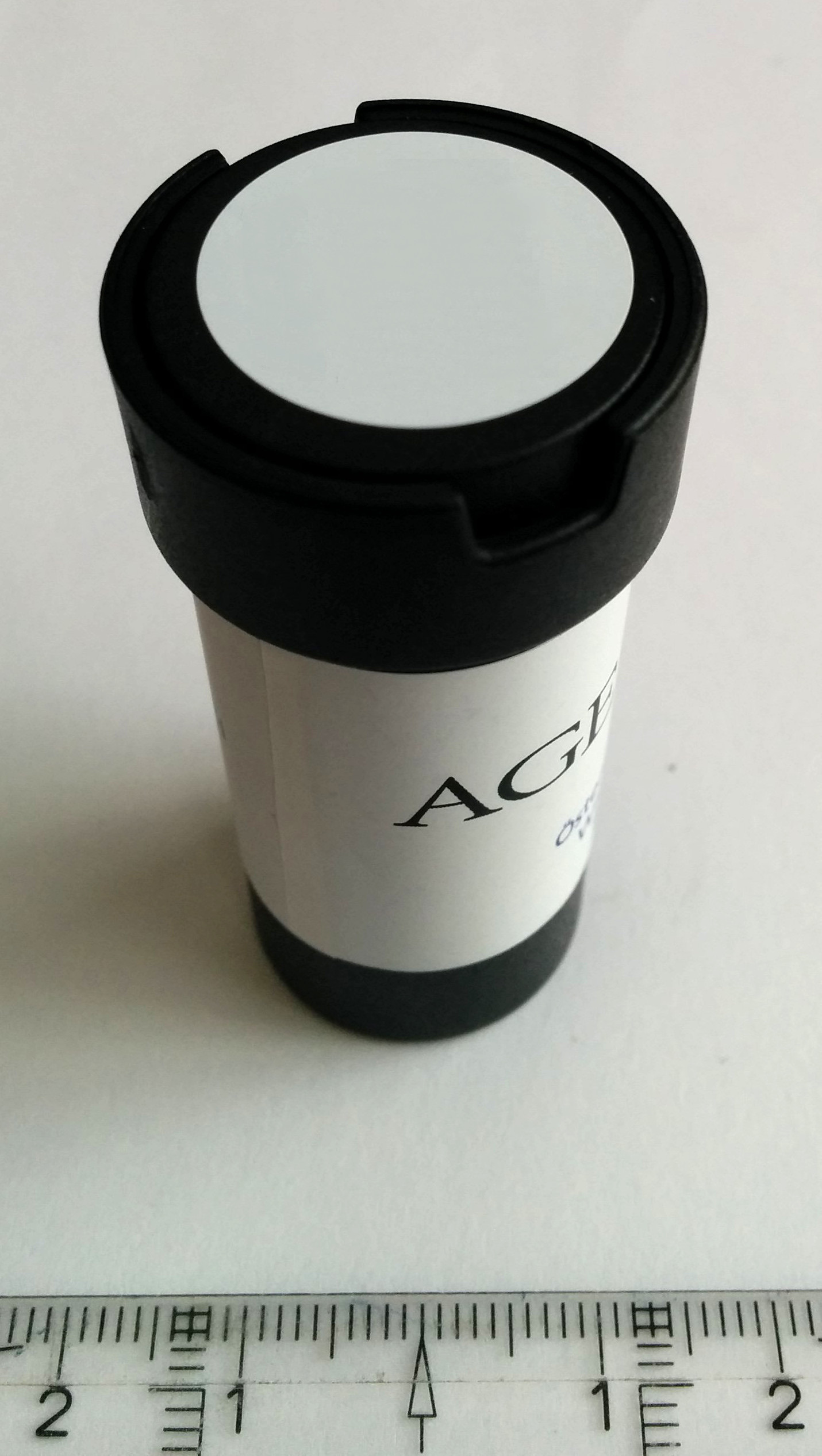
EPA's two testing pages cover the rest: A Citizen's Guide to Radon (EPA 402/K-12/002) and EPA, Find a Radon Test Kit or Measurement and Mitigation Professional. If a test comes back at or above 4.0 pCi/L, the fix is a mitigation system, and the state program keeps the list of certified installers. This site sells nothing and certifies nobody.
The health case, in EPA's words
Health guidance on radon is EPA's. Here it is, verbatim, with the door to the rest of it.
EPA, Health Risk of Radon“Radon is the number one cause of lung cancer among non-smokers, according to EPA estimates. Overall, radon is the second leading cause of lung cancer. Radon is responsible for about 21,000 lung cancer deaths every year. About 2,900 of these deaths occur among people who have never smoked.”
EPA, National Radon Action Month Information“You can’t see, smell or taste radon, but it could be present at a dangerous level in your home. Radon is the leading cause of lung cancer deaths among nonsmokers in America and claims the lives of about 21,000 Americans each year.”
The full picture, including EPA's risk tables by smoking status and the 2005 Surgeon General advisory, is at EPA, Health Risk of Radon. Questions about your own risk belong with your doctor, especially if you smoke or ever did.