
Today's Mosquito Risk in Wisconsin: Real-Time Forecast & Activity Map
Check your ZIP code for local mosquito activity, West Nile risk, and prevention insights.
Built from CDC and NOAA data
Mosquito Surveillance Insights
- Annual WNV Cases
- about 15 to 40 confirmed cases annually
- Based on CDC ArboNET surveillance data
- Risk Tier
- Tier 3: Moderate
- Glacial pothole prairie south of Stevens Point produces big spring Aedes vexans hatches.
- Per mosquito-risk-model regional tier
- Highest-Risk Areas
- Milwaukee, Dane, Brown, Kenosha (WNV)
Current Situation in Wisconsin
Wisconsin runs a low to moderate mosquito profile, with roughly 15 to 40 confirmed WNV cases annually. Cx. pipiens drives transmission across the Milwaukee and Madison metros, and the prairie pothole wetlands south of Stevens Point produce big spring Aedes vexans floodwater hatches after snowmelt. Aedes albopictus is limited statewide. EEE is rare. The Lake Michigan shoreline runs warmer and busier than the Lake Superior shore, where short summers compress the season. Door County, the Apostle Islands, and the Northern Highlands hold dense seasonal populations. Horicon Marsh in the east and the Wisconsin River bottoms across the central part of the state produce sustained mid-summer mosquito pressure. Biting season runs June through September.
Snapshot of the current mosquito situation in Wisconsin, drawn from CDC ArboNET surveillance and the regional risk model.
- Risk Level
- Low
- Peak Activity
- June through September
- Dominant Vector
- Northern House Mosquito (Culex pipiens)
Where Mosquitoes Breed in Wisconsin
Wisconsin mosquito habitat is built on the prairie pothole wetlands of the south, the Lake Michigan and Lake Superior shorelines, and the Northern Highlands forest belt. The kettle moraine and pothole wetlands across Dodge, Fond du Lac, and Columbia counties produce big Aedes vexans hatches after spring snowmelt, with Horicon Marsh as the largest single producer. The Wisconsin River bottomlands from Wausau through Wisconsin Dells and the Mississippi River shore on the western border sustain summer Cx. pipiens and Aedes vexans populations. Door County peninsula marshes and the Apostle Islands hold dense seasonal Aedes hatches. The Northern Highlands forest belt and Boundary Waters edge counties hold woodland Aedes off beaver ponds and forested wetlands. Storm drains and tire piles across Milwaukee, Madison, Green Bay, and Kenosha carry the urban Cx. pipiens load.
Hotspot Counties & Areas
- Milwaukee County (Milwaukee metro, Lake Michigan shoreline)
- Dane County (Madison)
- Brown County (Green Bay)
- Kenosha County (Lake Michigan suburbs)
- Horicon Marsh (Dodge and Fond du Lac counties)
- Door County (peninsula marshes)
- Apostle Islands and Lake Superior shore (Bayfield County)
- Northern Highlands forest belt (Vilas and Oneida counties)

Seasonal Activity Pattern
Biting starts in early to mid June after snowmelt drives the first floodwater Aedes hatch, peaks in late July through August, and tapers through September. WNV cases concentrate in August across the Milwaukee and Madison metros. The prairie pothole wetlands south of Stevens Point produce the heaviest spring Aedes vexans pulse in late May through June, often punishing fishing-opener weekends. Door County and the Apostle Islands run a week or two behind the southern metros on phenology, with peak biting in mid to late July. Heavy summer storms produce floodwater Aedes pulses along the Wisconsin and Mississippi River bottomlands. Lake Superior shore biting tapers fast after Labor Day.
Monthly Biting Intensity (Midwest)
Wisconsin Mosquito Risk Profile
- WNV burden level
- Low
- about 15 to 40 confirmed cases annually
- EEE risk
- Rare
- Peak biting season
- June through September
- Top urban risk areas
- Milwaukee (Milwaukee)
- Madison (Dane)
- Green Bay (Brown)
- Kenosha (Kenosha)
Signature habitat: prairie potholes, Lake Superior shore, kettle moraine wetlands, Wisconsin River bottoms.
Climate driver: Glacial pothole prairie south of Stevens Point produces big spring Aedes vexans hatches.
Check Your Local Mosquito Risk
Ready to see current mosquito activity in your area? Get today's forecast and personalized risk assessment for your ZIP code.
Common Mosquitoes in Wisconsin
Understanding which mosquitoes are active in Wisconsin helps you identify threats and take appropriate precautions. Click any card for details.
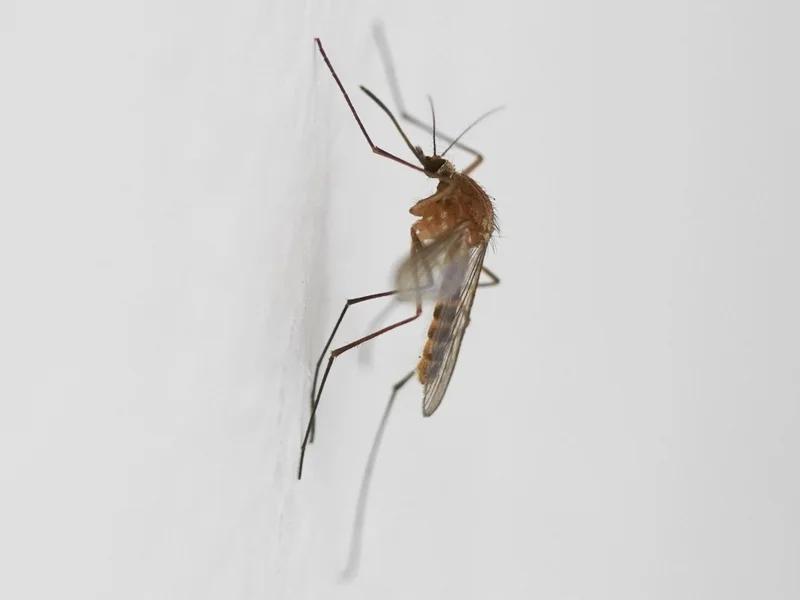
Northern House Mosquito
Culex pipiens
Risk: West Nile virus, St. Louis encephalitis, dog heartworm.
Key feature: Medium brown body with banded abdomen. Looks nearly identical to Cx. quinquefasciatus.
Active: Late spring through early fall in the north. Adult females overwinter in basements, garages, and storm drains.
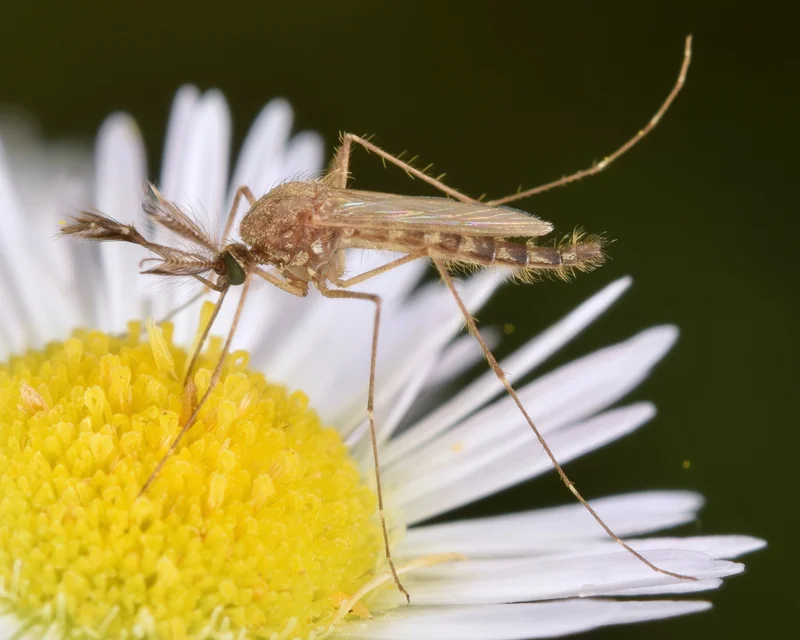
Inland Floodwater Mosquito
Aedes vexans
Risk: Aggressive nuisance biter. Weak vector for West Nile, dog heartworm.
Key feature: Brown body with pale bands on the legs and a tapered abdomen.
Active: Spring through fall. Population spikes a week or two after major rain events.
West Nile Virus
Vector: Northern House Mosquito
West Nile Virus
The dominant West Nile vector across the northern half of the US. About 80% of infections are asymptomatic.
What to watch for
- Onset typically 2 to 15 days after a bite
- Most cases mild or asymptomatic, small fraction severe
- Neurological signs (severe headache, neck stiffness, confusion) need ER care
Breaking the Cycle in Wisconsin
The mosquito lifecycle takes about a week. These habits cut local biting pressure faster than anything else, building multiple layers of protection.
Drain the Yard Weekly
Empty buckets, planter saucers, kiddie pools, tarps, and clogged gutters. A week of standing water is one full mosquito generation.
Repel Before Going Out
EPA-registered DEET (20-30%), picaridin (20%), IR3535, or oil of lemon eucalyptus. Apply before going outside, especially at dusk and dawn.
Seal the House
Window and door screens with no tears. AC and porch fans both work. Mosquitoes struggle to fly upwind even at 1-2 mph air speed.
Treat Outdoor Clothing
Permethrin-treated long sleeves and pants for evening yard work, hiking, or fishing. Remains effective through 70+ wash cycles.
If You Develop Symptoms
Most mosquito bites are harmless. A small fraction can transmit illness, and knowing the timeline matters more than panicking at every itch.Five things to know.
Watch for fever
Fever, body aches, headache, or fatigue 2 to 15 days after a bite. West Nile often feels like flu, and most infections never get diagnosed.
Note where and when
A rough record of where and when you got bitten helps your doctor decide what to test for. Date, location, mosquito-heavy areas you visited.
Get help fast for neuro signs
Severe headache, neck stiffness, confusion, vision changes, or sudden muscle weakness can mean neuroinvasive WNV or EEE. Both are medical emergencies.
Pregnant exposure?
If pregnant and bitten in an area with documented Zika or local dengue transmission, mention to your OB. Same goes for travel exposure.
Children and seniors
Higher risk of severe disease from WNV, EEE, and dengue in adults over 60 and children under 5. Early call to the pediatrician or PCP if symptoms appear.
Heading to a lake in Wisconsin?
Live water temperatures and swim conditions for Lake Geneva, Lake Winnebago.
See Wisconsin lake temperaturesWhen does mosquito season end in Wisconsin?
Mosquito activity winds down after the first hard freeze, which in Wisconsin typically arrives around Oct 2. See the local first-frost window and city-by-city freeze dates.
Wisconsin first frost datesAlso worried about ticks in Wisconsin?
Lyme disease risk and tick activity track different seasonal patterns than mosquitoes. See your Wisconsin tick forecast.
View Wisconsin tick forecastStay Safe in Wisconsin
Get personalized mosquito forecasts and prevention tips for your area