
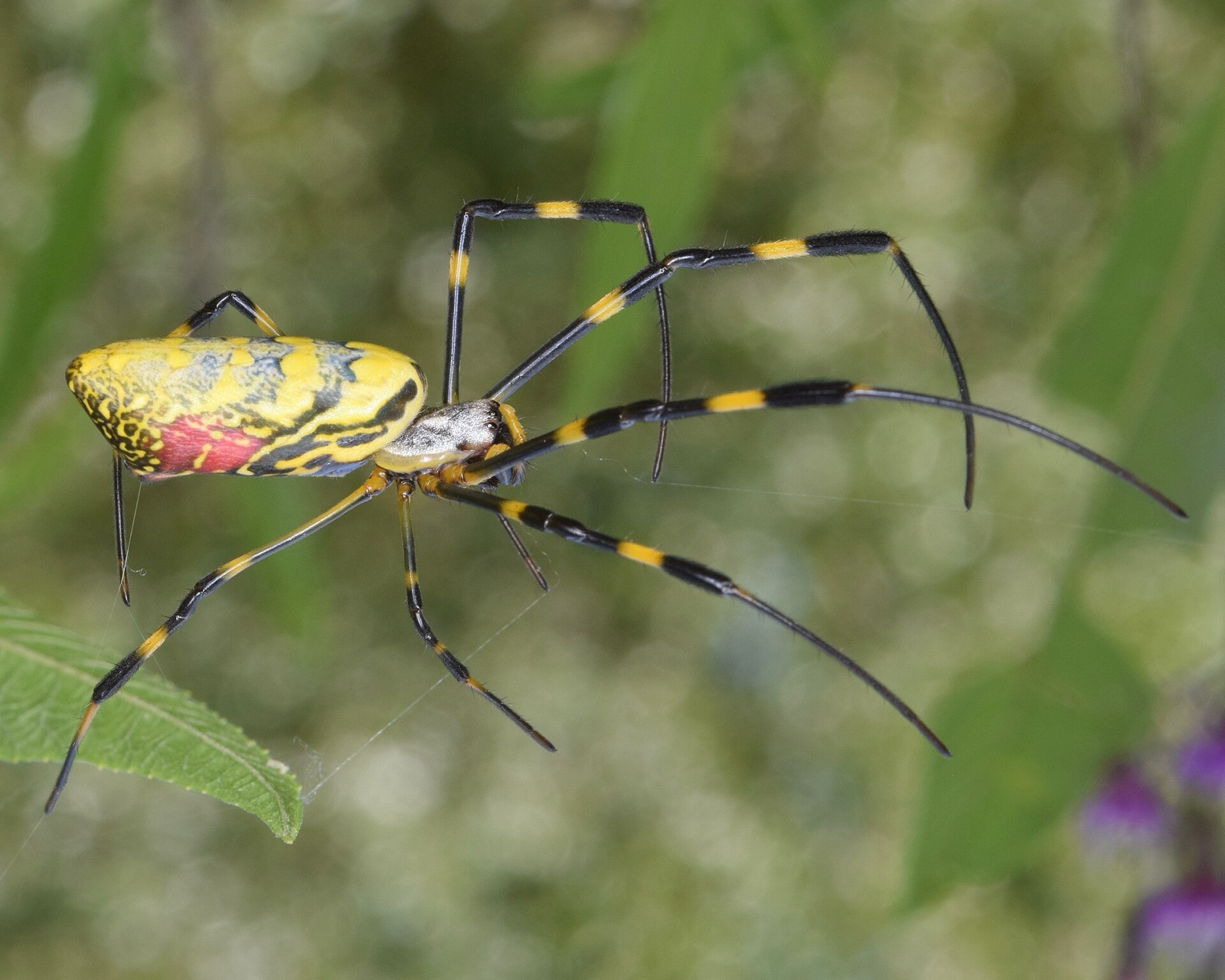
Spider Season in South Carolina: What Lives Here and When It Comes Indoors
3 widow or recluse species have verified records in South Carolina, and the joro spider has been recorded since 2018. The indoor season, a live range map, and the lookalikes.
Spiders are moving indoors in South Carolina nowSpiders in South Carolina, by the numbers
Verified records, snapshot 2026-09-19 since 2018South Carolina is the joro spider's second state after Georgia, with 2,199 verified records since 2018 concentrated in the Upstate. Its widow record is led by the brown widow of the Lowcountry, and its 5 brown recluse records keep that species below the threshold.
Joro spiders in South Carolina, recorded since 2018
South Carolina has 2,199 verified joro spider records, the earliest from 2018. The records cluster where people live and photograph, on porches, fence lines, power line corridors and tree edges, and the year peaks in September and October when females reach full size and their golden webs become impossible to miss.
Where the years come from. The joro spider was first confirmed in North America in 2014, from specimens collected in Barrow, Jackson and Madison counties, northeast Georgia (Hoebeke, Huffmaster and Freeman (2015), PeerJ 3:e763). Every other year on this page is a first iNaturalist record, which runs later than the collections a species is established on.
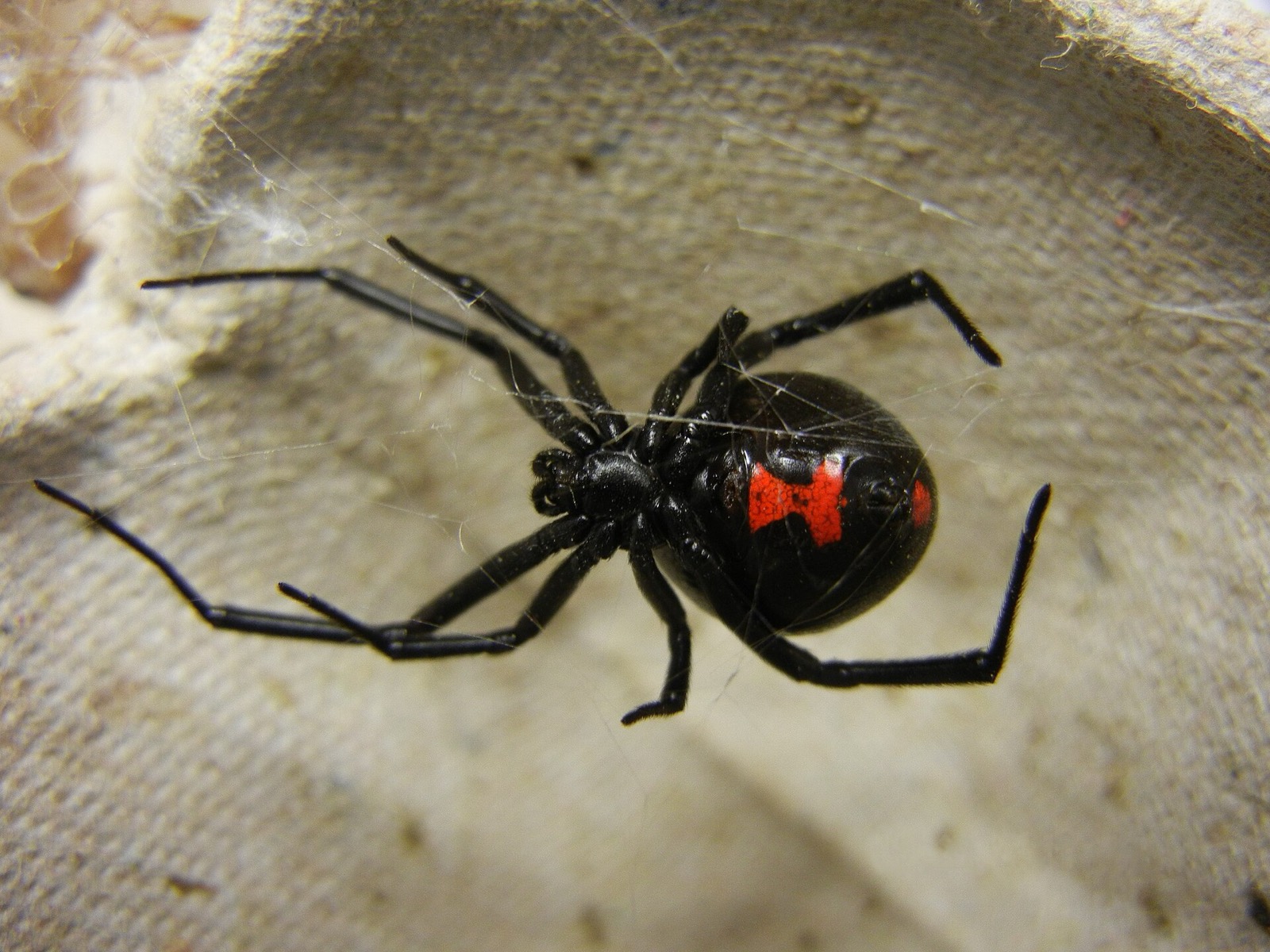
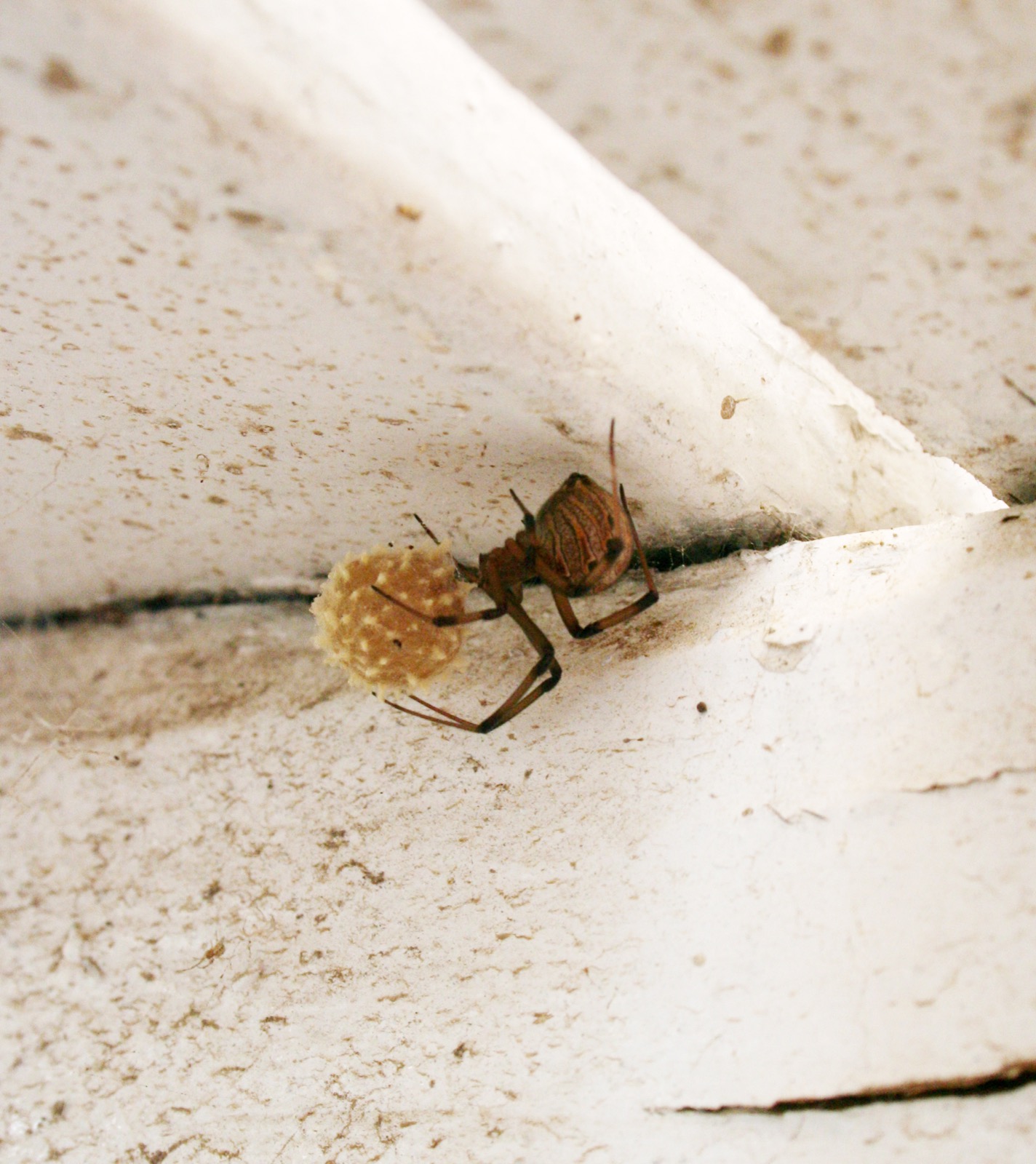
The 3 widow and recluse species recorded in South Carolina
Every species below has verified, photograph backed records in South Carolina. The counts come from iNaturalist and measure how often people find and photograph each spider, never how many there are: a species of packrat nests will always look rarer than one of garages.
| Species | Group | Verified records | What to look for |
|---|---|---|---|
| Brown widow Latrodectus geometricus | Widow | 446 | Tan to grey with a mottled pattern, banded legs, an orange hourglass, and a spiky egg sac that is the surest tell. Introduced, now common on buildings across Florida, the Gulf Coast, southern California and the lower Southeast. |
| Southern black widow Latrodectus mactans | Widow | 430 | Glossy black with a round abdomen and a complete red hourglass underneath. Tangle webs low down in woodpiles, meter boxes, under outdoor furniture and in the corners of sheds. |
| Northern black widow Latrodectus variolus | Widow | 56 | The hourglass is usually split into two red bars, often with a row of red spots along the top of the abdomen. Woodland edges, stumps, stone walls and old outbuildings; the widow of the Northeast and the Great Lakes. |
Where each species has been found in South Carolina
Pick a species. The coloured cells are places where somebody photographed one and the identification was confirmed, redrawn as records are added. It thins over roadless country and thickens around towns, because that is where people look.
Coloured cells are verified Trichonephila clavata records on iNaturalist, brighter where more have been logged. This is where people have found and photographed the species, so it thins out over roadless country and thickens around parks and towns. It is a record map, not a drawn range boundary. See the underlying records.
When spiders come indoors in South Carolina
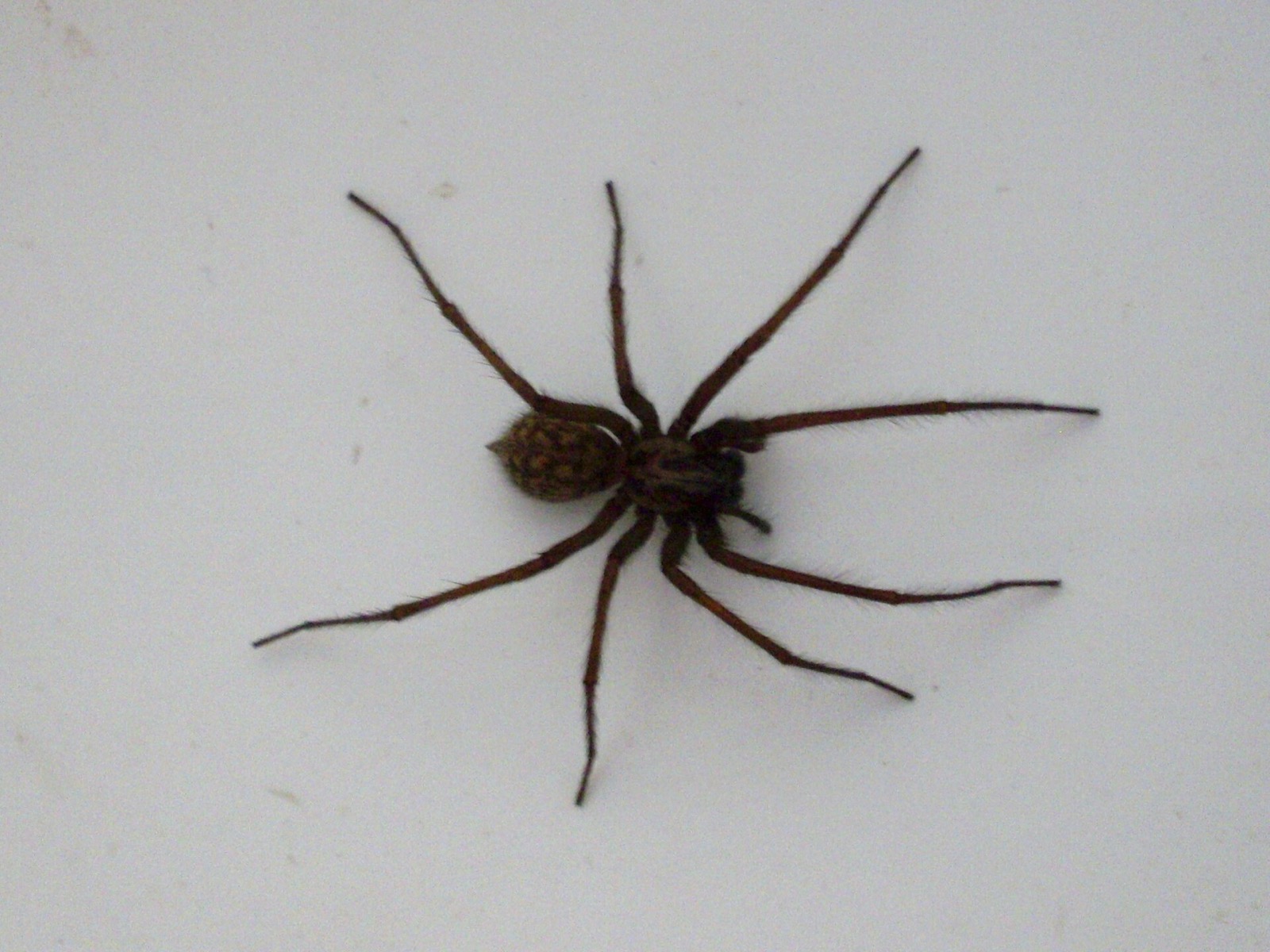
Indoor sightings in South Carolina pick up around September 1, peak between September 15 and October 31, and fade by December 5. The wanderers are mature male house spiders and funnel weavers searching for females, plus spring hatched spiders that have finally grown large enough to see. The widow spiders follow the same calendar because females are at full size; the busiest month in the South Carolina record is August.
What the chart counts. Records, and a record needs a spider and a person with a camera. Spring spikes in some states are a late April bioblitz. Switch to the effort adjusted view and each month is divided by every research grade observation logged in South Carolina that month, which strips most of that out. Neither view is a population count.
The spiders people photograph as widows
Most spiders reported as a widow or a recluse in South Carolina are one of the species below. The tells are visible from a comfortable distance, and a spider left alone in its corner stays there.
A widow is glossy, round bodied, and hangs upside down in a low tangle web with a red or orange hourglass underneath. A recluse is plain tan with six eyes in three pairs, a darker violin on the front segment, and legs with no bands and no spines. A violin shaped mark on its own is not a recluse: many harmless brown spiders carry one, and it is faint on many real recluses. A bite is never an identification. Skin reactions have dozens of causes, and Poison Control on 1-800-222-1222 will ask about symptoms, never for a species name.
Mistaken for a black widow
False widow
Steatoda grossa
Purplish brown rather than glossy black, with pale markings on top of the abdomen and nothing underneath. The same tangle web in the same corners, which is why it is photographed as a widow more than any other spider.
Triangulate cobweb spider
Steatoda triangulosa
Small, brown, with a row of pale triangles down the abdomen. Lives in the same low corners and window frames a widow would, and turns up indoors far more often.
Common house spider
Parasteatoda tepidariorum
Mottled tan and brown with a rounded abdomen, in messy cobwebs in ceiling corners, under eaves and behind furniture. The most photographed spider in American houses, and an autumn indoor regular.
Mistaken for a joro spider
Yellow garden spider
Argiope aurantia
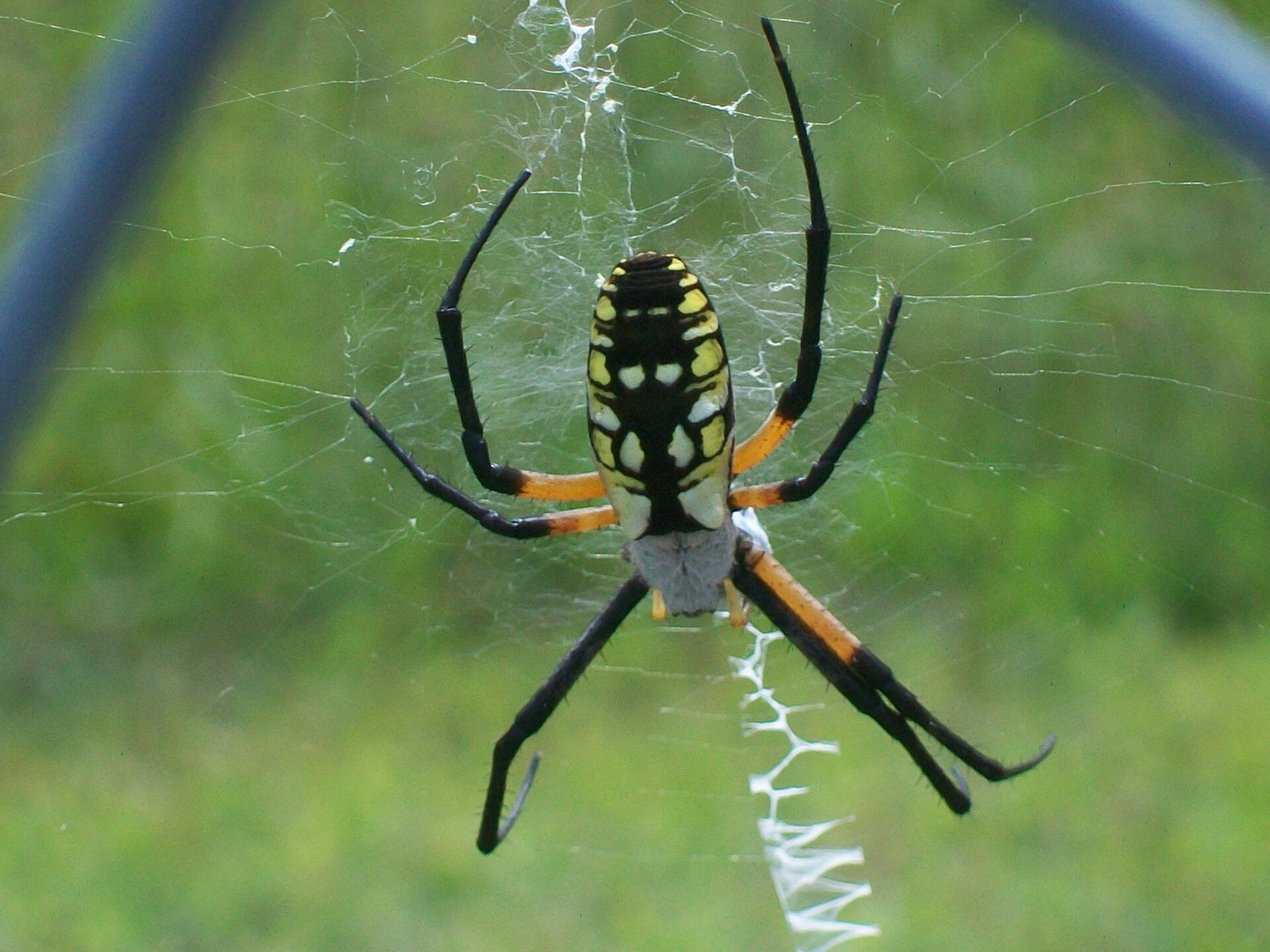
Black and yellow, but the abdomen is egg shaped with a bold black and yellow pattern rather than banded, the legs are black with a yellow base instead of banded along their length, and the web has a thick zigzag of white silk down the middle. Native, and in every state.
Banded garden spider
Argiope trifasciata
Silvery white with thin black and yellow bands across the abdomen, on a wheel shaped web in tall grass and gardens in late summer. Smaller than a joro, with shorter legs and no red underneath.
Golden silk orbweaver
Trichonephila clavipes
The joro's native cousin across the Deep South. Orange brown rather than yellow and black, with tufts of dark hair on the leg joints and no red patch. It has been in the Southeast for as long as there are records.
What to do about a spider bite in South Carolina
Poison Control: 1-800-222-1222, any time, any state.
South Carolina spider season FAQ
The rest of your South Carolina autumn
More Southeast spider season pages
Species lists, record counts and monthly curves are research grade observations from the iNaturalist API, aggregate counts only, snapshot 2026-09-19 with the curves read live in your browser. They measure how often people find and photograph a species, never how many there are, and a species with no record here may still live here. Season windows are drawn from those curves and are climatological typicals. See every record behind this page. For any bite, wash with soap and water and call Poison Control on 1-800-222-1222. National picture: spider season by state.
Hero image: “Joro Spider - Trichonephila clavata (50564813031)” by Christina Butler from Georgia, United States, CC BY 2.0