
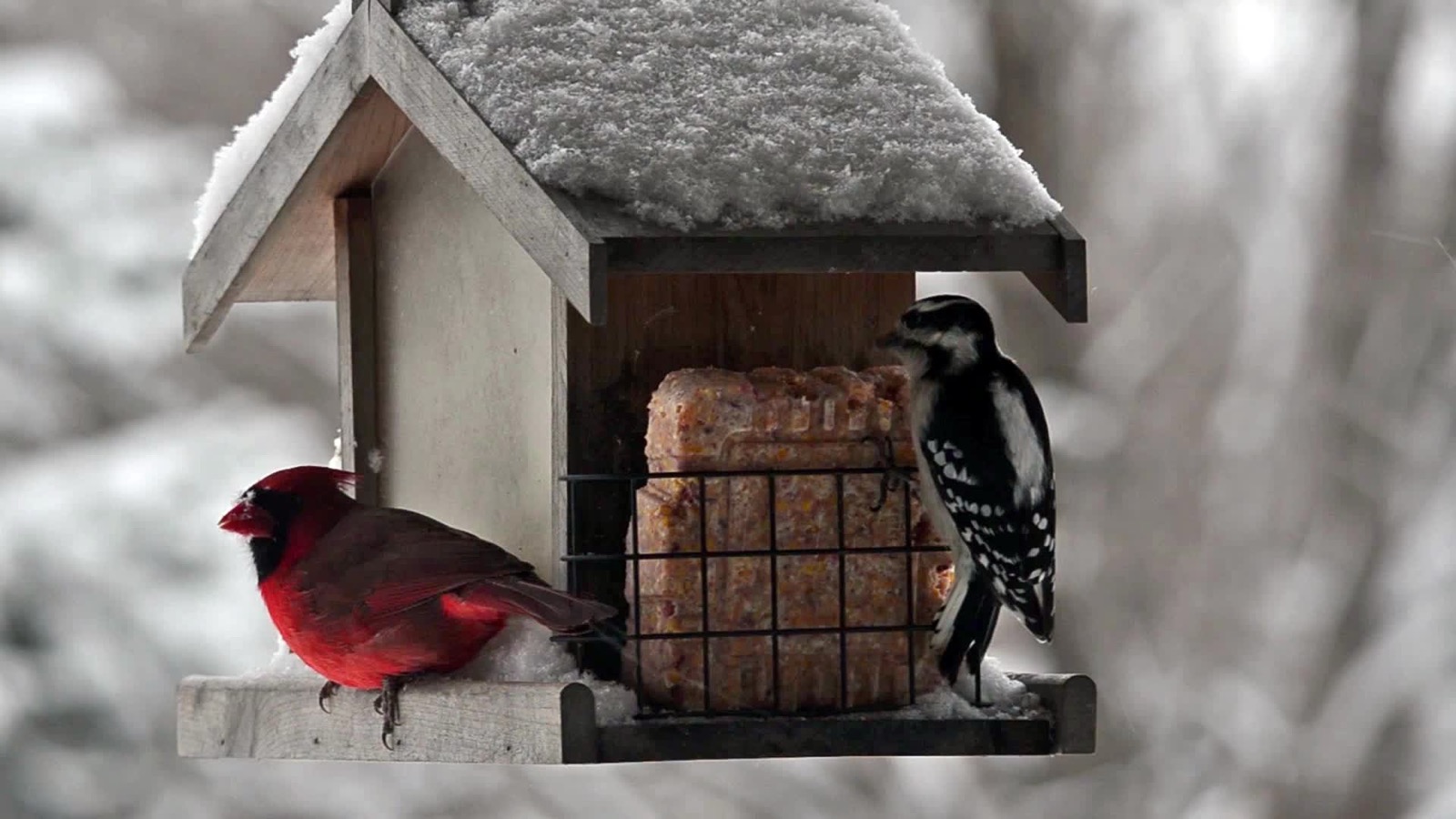
Winter Birds in Nebraska
The Dark-eyed Junco, Downy Woodpecker and Northern Cardinal lead the backyard birds reported in Nebraska from December to February, from ten winters of iNaturalist reports.
The top winter birds in Nebraska
The songbirds, woodpeckers and doves reported most in Nebraska in winter, ranked by their share of all research grade bird reports for the state, December to February. Birds marked winter visitor come for the cold months; the Dark-eyed Junco leads them here.
 1
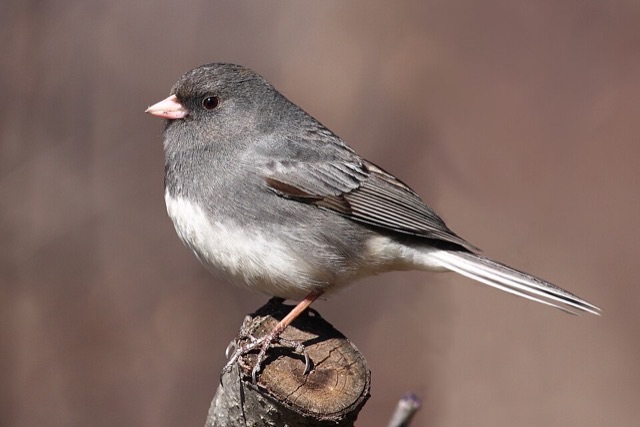
Dark-eyed Junco
Junco hyemalis
5.1% of winter bird reports
Winter visitorPhoto: “Junco hyemalis hyemalis CT1 (cropped)” by Cephas, CC BY-SA 3.0
 2
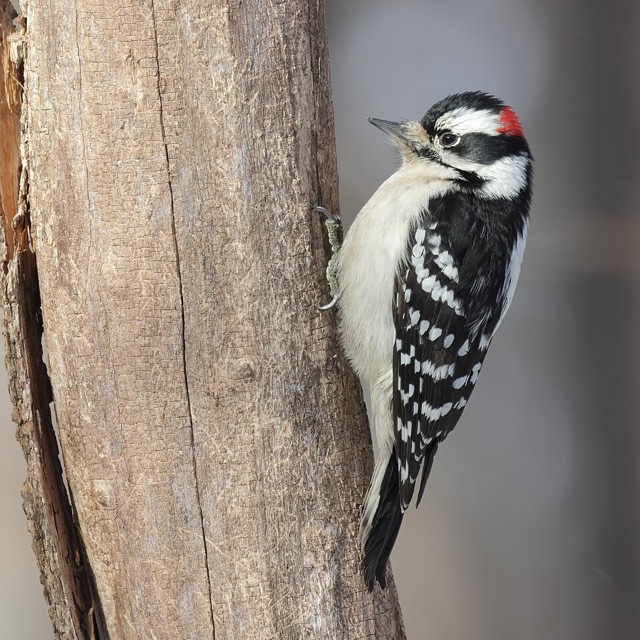
Downy Woodpecker
Dryobates pubescens
4.0% of winter bird reports
Year roundPhoto: “Dryobates pubescens UL 03” by Cephas, CC BY-SA 4.0
 3
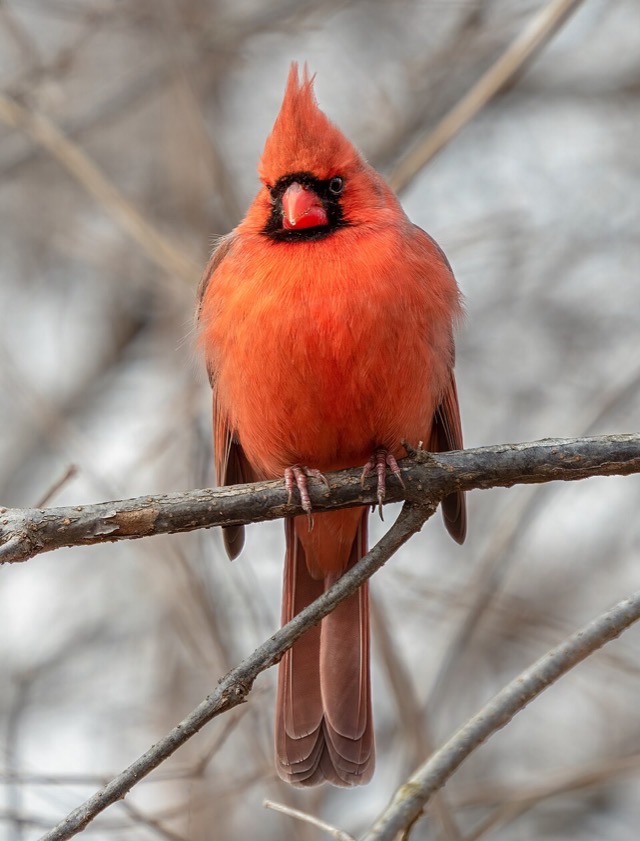
Northern Cardinal
Cardinalis cardinalis
3.4% of winter bird reports
Year roundPhoto: “Male northern cardinal in Central Park (52612)” by Rhododendrites, CC BY-SA 4.0
 4
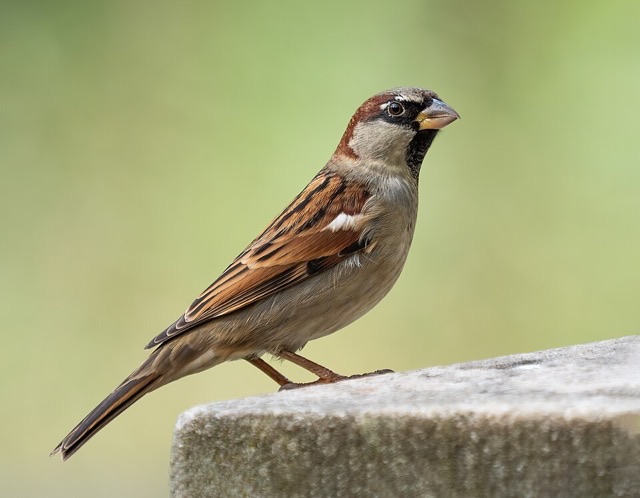
House Sparrow
Passer domesticus
3.2% of winter bird reports
Year roundPhoto: “House sparrow male in Prospect Park (53532)” by Rhododendrites, CC BY-SA 4.0
 5
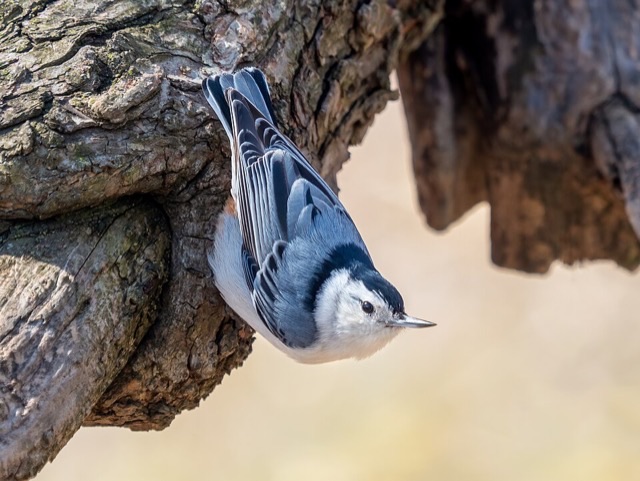
White-breasted Nuthatch
Sitta carolinensis
3.0% of winter bird reports
Year roundPhoto: “White-breasted nuthatch (26471)” by Rhododendrites, CC BY-SA 4.0
 6
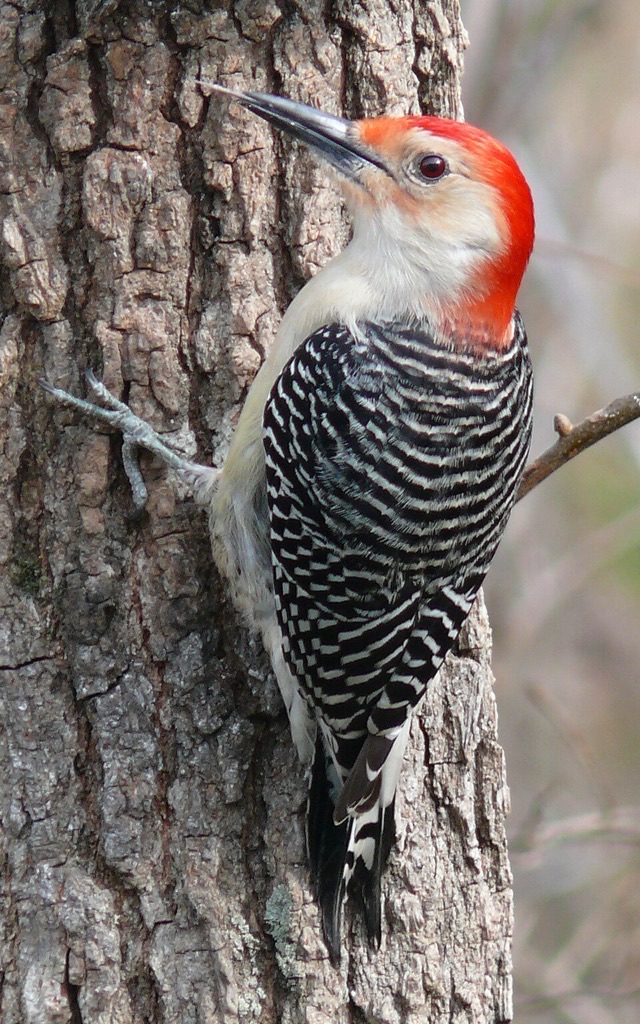
Red-bellied Woodpecker
Melanerpes carolinus
3.0% of winter bird reports
Year roundPhoto: “Red-bellied Woodpecker-27527”, Ken Thomas, Public domain
 7
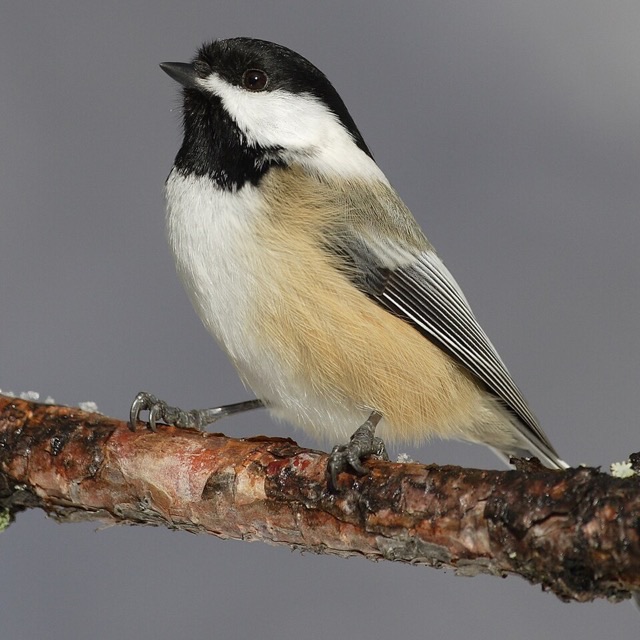
Black-capped Chickadee
Poecile atricapillus
2.3% of winter bird reports
Year roundPhoto: “Poecile-atricapilla-001” by No machine-readable author provided. Mdf assumed (based on copyright claims)., CC BY-SA 3.0
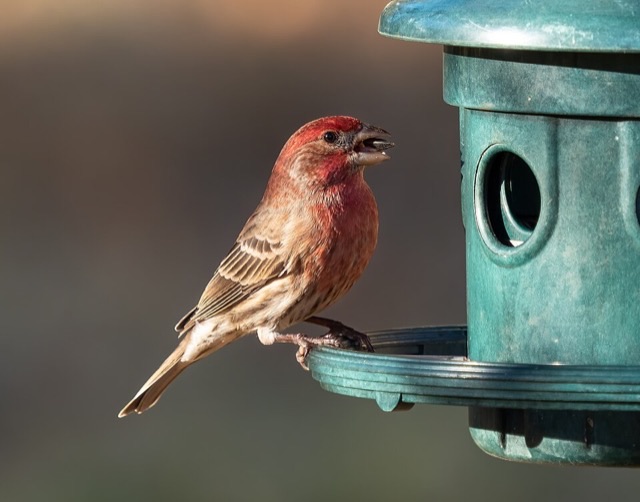 8
House Finch
Haemorhous mexicanus
2.2% of winter bird reports
Year roundPhoto: “House finch (33688)2” by Rhododendrites, CC BY-SA 4.0
Every bird reported most in Nebraska in winter
The same ranking across all birds, with the ducks, gulls and hawks that turn up at water and along roads beside the feeder birds.
| # | Species | Winter share | Summer share | Status |
|---|---|---|---|---|
| 1 | Dark-eyed Junco | 5.1% | 0.01% | Winter visitor |
| 2 | Bald Eagle | 4.9% | 0.65% | Year round |
| 3 | Red-tailed Hawk | 4.4% | 1.7% | Year round |
| 4 | Downy Woodpecker | 4.0% | 0.68% | Year round |
| 5 | Northern Cardinal | 3.4% | 1.9% | Year round |
| 6 | House Sparrow | 3.2% | 2.6% | Year round |
| 7 | Canada Goose | 3.0% | 1.5% | Year round |
| 8 | White-breasted Nuthatch | 3.0% | 0.68% | Year round |
| 9 | Red-bellied Woodpecker | 3.0% | 0.50% | Year round |
| 10 | Black-capped Chickadee | 2.3% | 0.59% | Year round |
| 11 | House Finch | 2.2% | 1.9% | Year round |
| 12 | American Robin | 2.1% | 3.8% | Year round |
| 13 | European Starling | 2.0% | 0.78% | Year round |
| 14 | Blue Jay | 2.0% | 1.7% | Year round |
| 15 | Northern Flicker | 1.9% | 1.1% | Year round |
| 16 | American Tree Sparrow | 1.9% | 0% | Winter visitor |
| 17 | Cooper's Hawk | 1.9% | 0.74% | Year round |
| 18 | American Goldfinch | 1.9% | 2.3% | Year round |
| 19 | Wild Turkey | 1.7% | 3.2% | Year round |
| 20 | Mallard | 1.7% | 1.8% | Year round |
Winter visitors to Nebraska
A winter visitor here is a bird with a winter share of bird reports at least 10 times its summer share, with at least 20 winter reports. In Nebraska that makes 6 species:
Dark-eyed Junco
Junco hyemalis
5.1% of winter bird reports against 0.01% in summer, about 595 times the summer share.
American Tree Sparrow
Spizelloides arborea
1.9% of winter bird reports and no summer reports at all.
Snow Goose
Anser caerulescens
1.4% of winter bird reports against 0.13% in summer, about 11 times the summer share.
Common Goldeneye
Bucephala clangula
1.0% of winter bird reports and no summer reports at all.
Common Merganser
Mergus merganser
0.97% of winter bird reports against 0.01% in summer, about 113 times the summer share.
Brown Creeper
Certhia americana
0.94% of winter bird reports against 0.01% in summer, about 109 times the summer share.
When Nebraska’s top winter birds are reported
The eight birds with the most winter reports in Nebraska, month by month. A resident draws a flat line; a winter visitor rises in the middle of the chart and drops to nothing at the edges.
Dark-eyed Junco
Peaks in December at 6.2%; winter 5.1%, summer 0.01%.
Bald Eagle
Peaks in February at 7.0%; winter 5.1%, summer 0.70%.
Red-tailed Hawk
Peaks in January at 4.9%; winter 4.6%, summer 1.8%.
Downy Woodpecker
Peaks in January at 4.9%; winter 4.0%, summer 0.74%.
Northern Cardinal
Peaks in January at 4.4%; winter 3.5%, summer 1.9%.
House Sparrow
Peaks in November at 4.0%; winter 3.3%, summer 2.6%.
Canada Goose
Peaks in April at 4.6%; winter 2.9%, summer 1.5%.
White-breasted Nuthatch
Peaks in December at 4.0%; winter 2.9%, summer 0.69%.
Winter bird counts in Nebraska
Three counts run through the winter, each open to anyone in Nebraska with a window onto a feeder. Soonest first:
Starts in 19 days
Project FeederWatch
November 1, 2026 to April 30, 2027
Run by Cornell Lab of Ornithology and Birds Canada
“Project FeederWatch runs from November 1 through April 30. For each count, select two consecutive days as often as once a week.”
Project FeederWatchStarts in 62 days
Christmas Bird Count
December 14, 2026 to January 5, 2027
Run by National Audubon Society
“Feeder Counts: Count all the birds you see or hear from your own backyard or local park at a stationary bird feeder within a CBC circle. No binoculars or hiking required, and you can participate with less time commitment.”
Christmas Bird CountStarts in 122 days
Great Backyard Bird Count
February 12, 2027 to February 15, 2027
Run by Cornell Lab of Ornithology, National Audubon Society and Birds Canada
“Count the birds you see for as little as 15 minutes on one of the four days.”
Great Backyard Bird CountThe 2026 count: 8,257 species on 467,696 checklists, an estimated 1,146,284 participants.
Feeding birds in winter
Cleaning
“Clean your seed or suet feeders regularly (e.g., every week or two) and more often during periods of heavy use or wet weather.”
Cornell Lab of Ornithology, Project FeederWatch
“Debris (such as leftover bits of seeds and hulls) can harbor pathogens that make birds sick.”
Cornell Lab of Ornithology, Project FeederWatch
Disinfecting
“To disinfect your feeders, soak the (cleaned) parts for 10 minutes in a diluted bleach solution (e.g., one part bleach to nine parts water).”
Cornell Lab of Ornithology, Project FeederWatch
Sick birds
“Fluffed-up feathers, lethargy, abnormal growths, and crusty eyes are all symptoms of various avian illnesses.”
Cornell Lab of Ornithology, Project FeederWatch
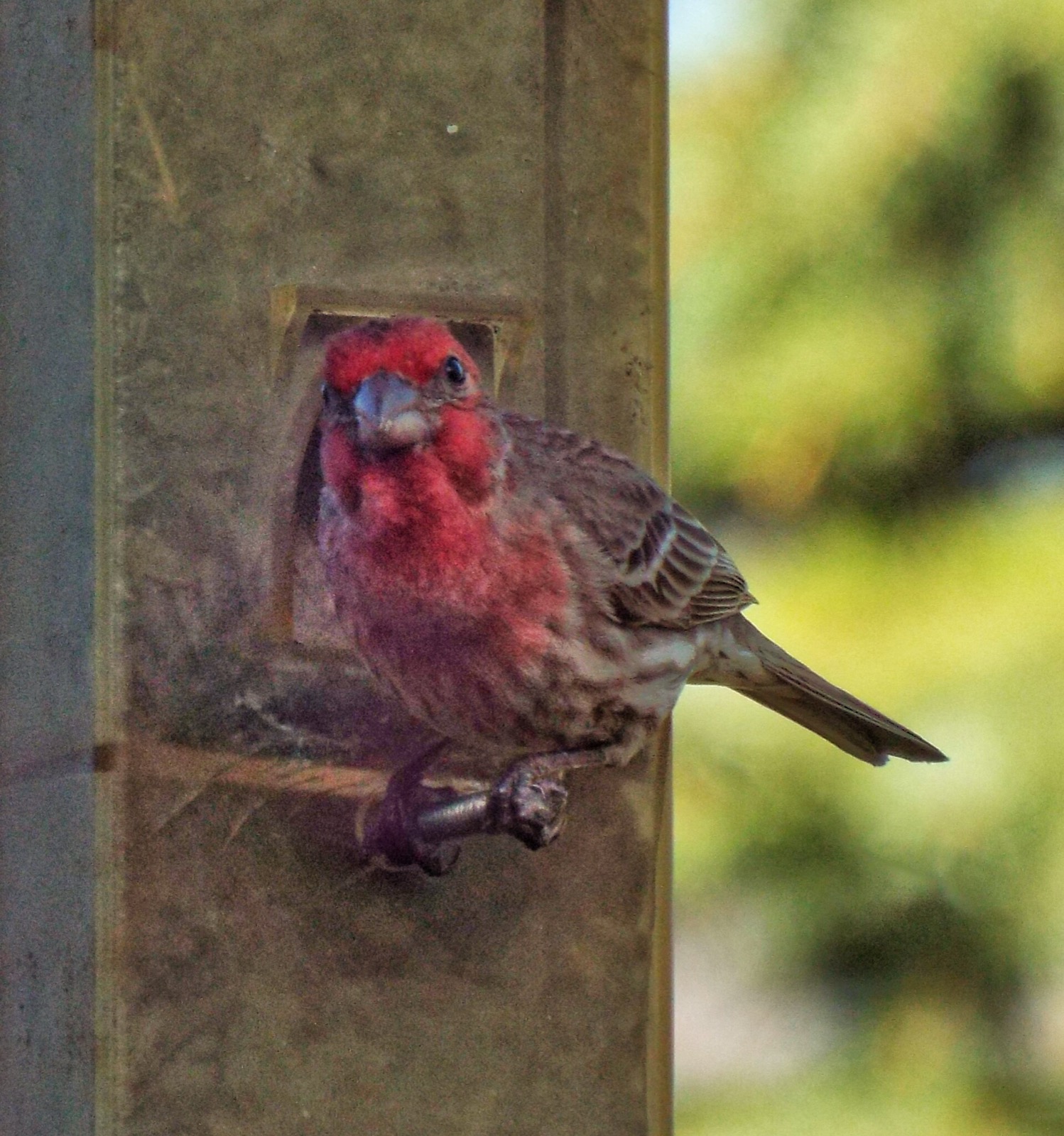
House finches
“For example, not every bird that is exposed to Mycoplasma gallisepticum will contract conjunctivitis; however, House Finches are especially susceptible to this bacterium, which led to serious declines in North American populations in the 1990s.”
Cornell Lab of Ornithology, Project FeederWatch
Bird flu
“Bird feeders are unlikely to result in increased spread of avian influenza since the species of bird that tend to come to feeders are not commonly infected.”
U.S. Fish and Wildlife Service
“However, feeders do concentrate passerines and increase the risk of transmission of other infectious diseases that do impact their health, including salmonella, E. coli and mycoplasma.”
U.S. Fish and Wildlife Service
Planting
“Creating natural spaces that attract birds to the cover and food provided by native vegetation appropriate to the location is far healthier than feeders.”
U.S. Fish and Wildlife Service
Quoted exactly from the Cornell Lab of Ornithology and the U.S. Fish and Wildlife Service; each link opens the full page.
Winter birds in other states
The same ranking runs in every state below, and the national list of winter backyard birds puts them side by side.
Questions about winter birds in Nebraska
Compiled 2026-09-22 from research grade bird observation counts for Nebraska on iNaturalist, December to February, winters 2016-17 through 2025-26, against June to August, summers 2016 through 2025: 5,654 winter bird reports in all. Shares are uploads by the public divided by all bird uploads for the state, so they follow birders as well as birds. The top bird took 5.1% of them. Count dates and feeding guidance are quoted from the organisers and agencies linked above.