
Kentucky Elk Rut 2026
Inside the published rut window now. Every date, place and distance below is quoted from the agency that published it, with the link. Kentucky publishes no minimum viewing distance in yards or feet; the guidance posted by the agency that manages each site applies.
Weather at Jenny Wiley State Resort Park
Bugling is a dawn and dusk business, so the overnight low and the sky cover are the two things that decide whether standing in a meadow at six in the morning in Kentucky is worth it. This reads the National Weather Service forecast for this exact spot and shows you its own words.
When elk bugle in Kentucky
Kentucky: the rut window its agencies publish
September 20 to October 15midpoint October 1
Inside the published window now. No source names a peak date for this state, so the date above is our own midpoint of the published window and is labelled as such.
Rut is the mating or breeding season that occurs in late September or early October for Kentucky.Kentucky Department of Fish and Wildlife Resources, Elk 101. Read it on the source page
Bulls will be the most vocal and most territorial during this time, offering the hunter more response to cow and bugle calls.Kentucky Department of Fish and Wildlife Resources, Elk 101. Read it on the source page This is from the department’s hunter education course rather than a viewing page, which is worth knowing when you read the framing.
Read that as climatology, not as a forecast. The agencies are describing when the rut normally runs where they work, and a warm autumn or a hard early cold snap moves it. What does not move much is the shape: bulls are loudest for a few weeks, the noise tails off, and the animals go quiet and start moving to winter range.
Kentucky has by far the biggest eastern herd and by far the weakest published viewing infrastructure to go with it. There is no state run elk viewing centre with hours we could verify, no published minimum distance, and the best sourced viewing description in state hands is a decade old. The herd is real and the pages proving it are thin.
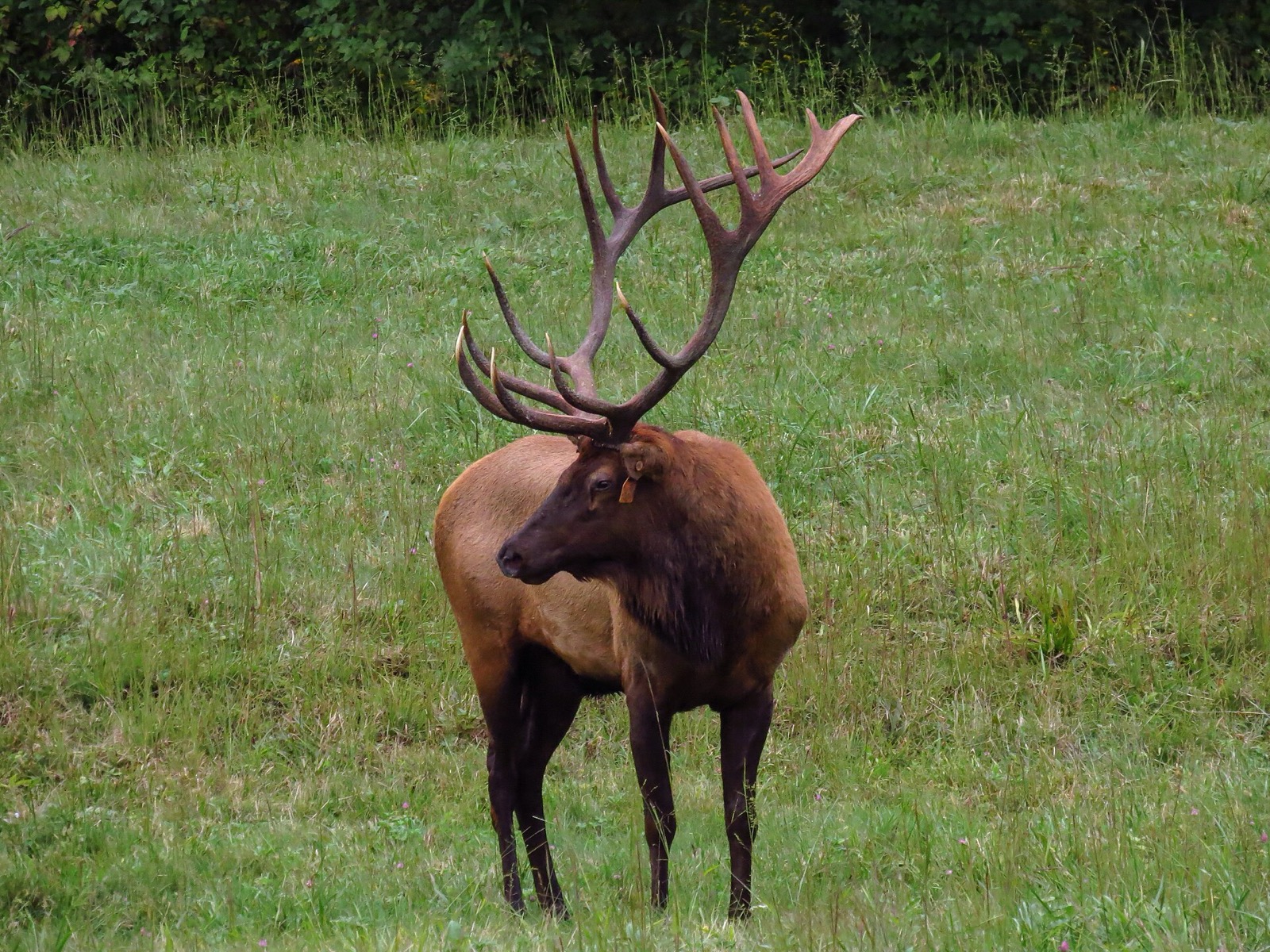
The elk of Kentucky
Reintroduced herdEast of the Rockies
The largest elk herd east of the Mississippi, by the state agency’s own claim, on a restoration zone of about 4.1 million acres across sixteen southeastern counties. It came from 1,550 wild elk moved in between 1997 and 2002 and is now estimated in five figures.
The current elk population is estimated at over 10,000 animals according to two different models (Life Table and Statistical Population Reconstruction). Kentucky has the highest elk population of any state east of the Mississippi River.Kentucky Department of Fish and Wildlife Resources, Kentucky Elk Report 2024 to 2025. Read it on the source page
Public places Kentucky’s own agencies send you
These are the sites the managing agency names on its own page, all of them on public ground.
Jenny Wiley State Resort Park
Kentucky Department of ParksAt Prestonsburg in Floyd County, on the northern edge of the elk restoration zone. The state’s own elk management plan names Jenny Wiley and Buckhorn Lake as the two resort parks offering elk tours.
The passage naming these parks is from the 2015 to 2030 elk management plan, and it describes the position in 2015. Ring the park before you drive: we could not confirm from a current state page that the tours still run.
Kentucky Department of Parks page for Jenny Wiley State Resort Park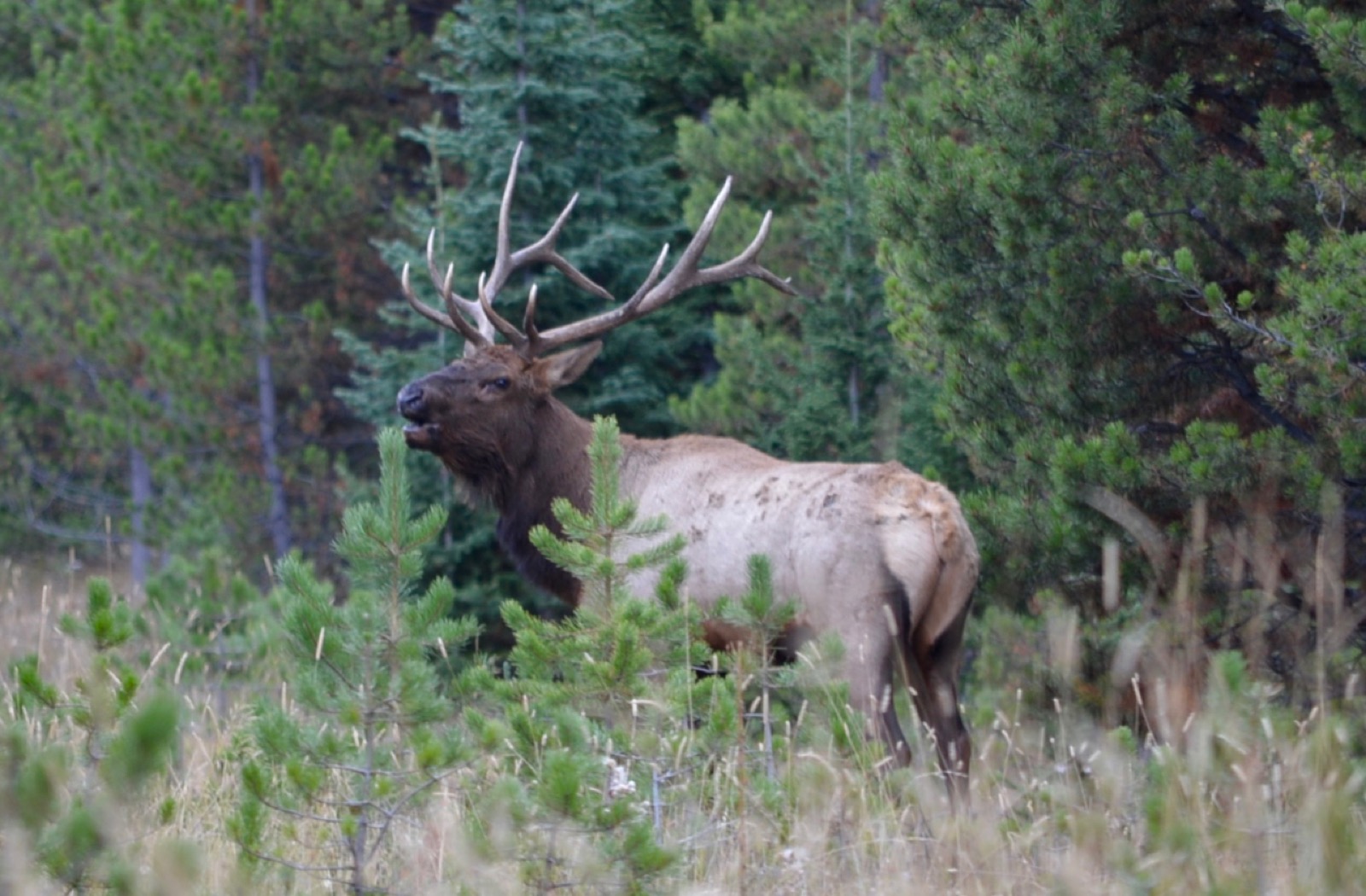
How far back to stand in Kentucky
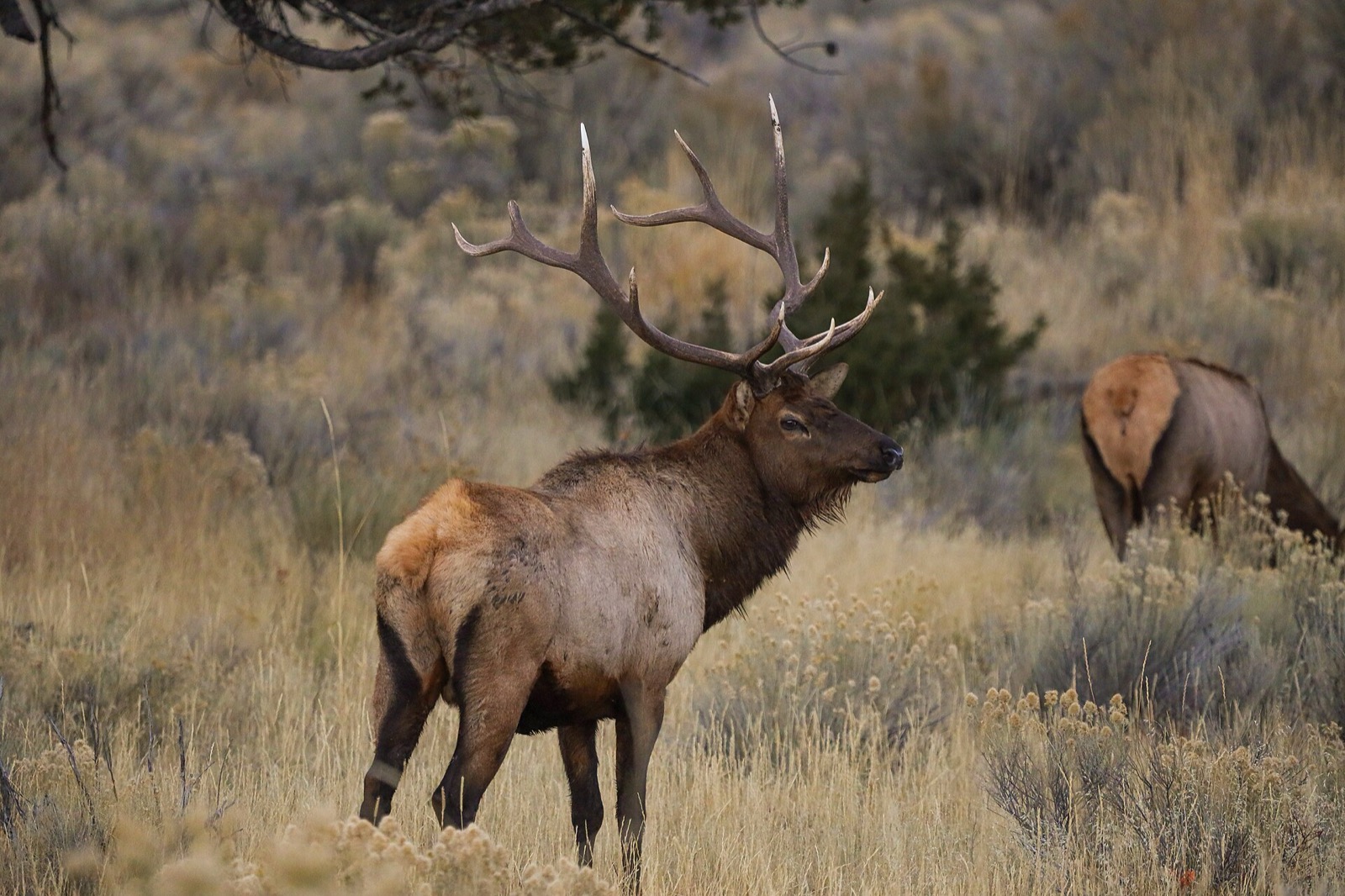
A rutting bull elk weighs as much as a small car, is running on hormones and has antlers he is actively looking for something to fight. People are hurt by elk in the United States every autumn, usually while walking towards one with a phone held up. This is the one section of this site that is not about timing.
What the agencies themselves say about distance
No Kentucky agency publishes a minimum viewing distance in yards or feet. That is not permission to get closer. Ask the agency that manages the site before you go, keep to your vehicle or the viewing structure, and use a long lens.
The distances above are what the managing agencies publish, reproduced with their names on them. Where they differ, and they do differ by a factor of four across the country, the rule that applies to you is the one published by whoever manages the ground you are standing on.
Closures, roads and rules in Kentucky
Kentucky is approximately 95 % privately owned, and much of the public land available for elk hunting received significant hunting pressure.Kentucky Department of Fish and Wildlife Resources. Read it on the source page That land ownership pattern is the practical constraint on Kentucky elk viewing too. Most of the restoration zone is private ground, which is why the tours exist.
Dates for this year’s seasonal closures, guided tours and viewing programmes are set annually by the agency and published on the agency page linked above.
Where the Kentucky records actually are
This is the empirical half of the page, and it answers a different question from the dates above. The map is every verifiable iNaturalist record of Cervus canadensis drawn as a grid of counts, so it shows where in Kentucky people have actually recorded elk, updated whenever somebody uploads another one. It under draws roadless country and over draws parks and roadsides, because that is where the people are.
Coloured cells are verified Cervus canadensis records on iNaturalist, brighter where more have been logged. This is where people have found and photographed the species, so it thins out over roadless country and thickens around parks and towns. It is a record map, not a drawn range boundary. See the underlying records.
If you toggle that chart to the adjusted series it divides by every research grade observation of anything in Kentucky in the same month, which removes observer effort. In the big western states that correction pushes the peak into January and February, because elk come down to winter range where you can see them from a car and because almost nobody is recording anything else outdoors in a Rockies winter. That is a real pattern about elk and about people, and it is still not the rut. See the underlying Kentucky records on iNaturalist.
In October, Kentucky has historically produced 6 of those records.
Elk rut timing in other states
Kentucky elk rut questions
Rut windows on this page are climatology published by the named agency, not a forecast, and MyWild adds no model of its own on top of them. Distances are quoted from the managing agency and are not this site’s advice. Live weather comes from api.weather.gov and is shown with the issuing office and the time it was generated. Nothing here should be read as a statement that approaching an elk is ever safe.