General Beauregard Lee: How Often Georgia's Groundhog Gets Spring Right
Graded against Georgia's own March, General Beauregard Lee in Jackson has been right 18 of 26 years since 2000.
General Beauregard Lee's 2027 call
Right 18 of 26 years (69 percent), against Georgia's March and its 20th century average.
- 18 of 26right since 2000
- Shadowin 2026, wrong
- 20 of 26calling early spring every year
- 75%on NOAA’s national scorecard
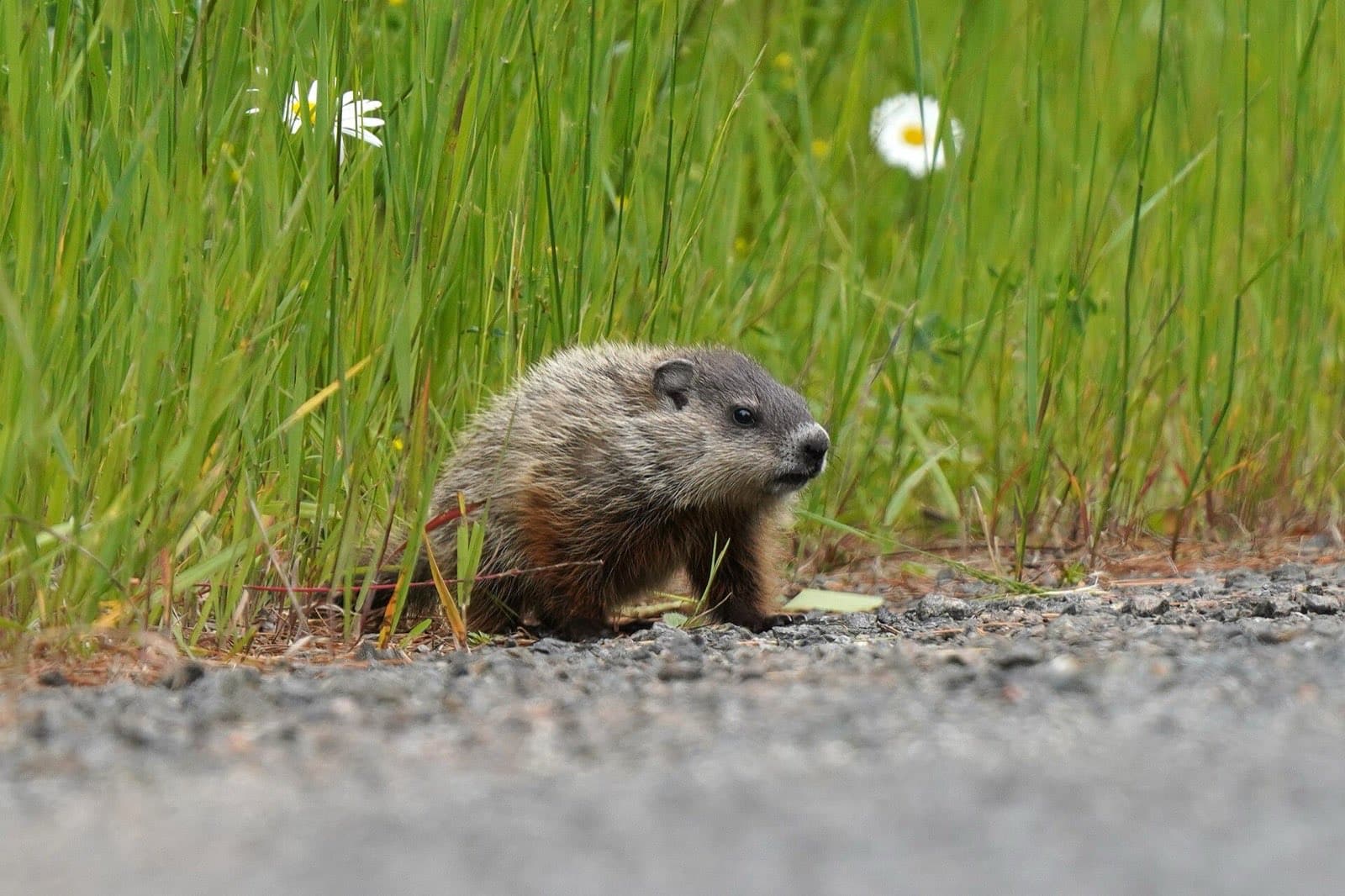
Photo: “Groundhog (48935342271)”, U.S. Fish and Wildlife Service, Midwest Region, Public domain
Every General Beauregard Lee call since 2000
A shadow is right when Georgia's March comes in colder than its 20th century average; no shadow is right when it comes in warmer. General Beauregard Lee has been wrong 2 years running, through 2026.
| Year | Call | March in Georgia | Result |
|---|---|---|---|
| 2027 | Feb 2 | ||
| 2026 | Shadow | 7.1° warmer | Wrong |
| 2025 | Shadow | 2.8° warmer | Wrong |
| 2024 | No shadow | 3.8° warmer | Right |
| 2023 | No shadow | 4.0° warmer | Right |
| 2022 | No shadow | 3.6° warmer | Right |
| 2021 | No shadow | 4.5° warmer | Right |
| 2020 | Shadow | 7.7° warmer | Wrong |
| 2019 | Shadow | 0.9° warmer | Wrong |
| 2018 | Shadow | 0.9° colder | Right |
| 2017 | No shadow | 2.6° warmer | Right |
2000 to 2016
| Year | Call | March in Georgia | Result |
|---|---|---|---|
| 2016 | No shadow | 5.5° warmer | Right |
| 2015 | No shadow | 3.4° warmer | Right |
| 2014 | No shadow | 2.5° colder | Wrong |
| 2013 | Shadow | 5.2° colder | Right |
| 2012 | No shadow | 9.4° warmer | Right |
| 2011 | No shadow | 2.4° warmer | Right |
| 2010 | No shadow | 3.3° colder | Wrong |
| 2009 | No shadow | 1.0° warmer | Right |
| 2008 | No shadow | exactly average | Neither |
| 2007 | No shadow | 4.6° warmer | Right |
| 2006 | No shadow | 0.7° warmer | Right |
| 2005 | No shadow | 1.7° colder | Wrong |
| 2004 | No shadow | 3.6° warmer | Right |
| 2003 | No shadow | 3.6° warmer | Right |
| 2002 | No shadow | 1.5° warmer | Right |
| 2001 | No shadow | 1.6° colder | Wrong |
| 2000 | No shadow | 3.7° warmer | Right |
What NOAA’s outlook says for Georgia
NOAA’s Climate Prediction Center outlook for February to April 2027, issued November 19, 2026, gives Georgia equal chances of a warmer or colder than normal February to April. With no lean either way, neither call on Feb 2 parts ways with NOAA.
CPC issues a new outlook on the third Thursday of each month, and the January outlook is the last before Groundhog Day. The full picture, with the snowpack and frost dates, is on the Georgia spring forecast.
General Beauregard Lee in Jackson
General Beauregard Lee calls from Jackson on Tuesday, February 2, hosted by the Dauset Trails Nature Center. Georgia's forecaster is third in NOAA's ranking of the long-running forecasters.
The Dauset Trails Nature Center, for times and how to attend
Punxsutawney Phil, graded against Georgia's March instead of Pennsylvania’s, has been right 11 of 26 years since 2000. General Beauregard Lee has the better record here.
How General Beauregard Lee is graded
Each call is set against Georgia's average March temperature from NOAA’s statewide records, the rule NOAA uses for its own scorecard against the whole contiguous US (2006 to 2025). A March exactly on its average counts neither way, and the 2027 call is graded in April, once NOAA publishes March.
March 2026 in Georgia came in 7.1 degrees warmer than its 20th century average, the 6th warmest March since 1895. Since 2000, March has come in warmer than average in 20 of 27 years.