
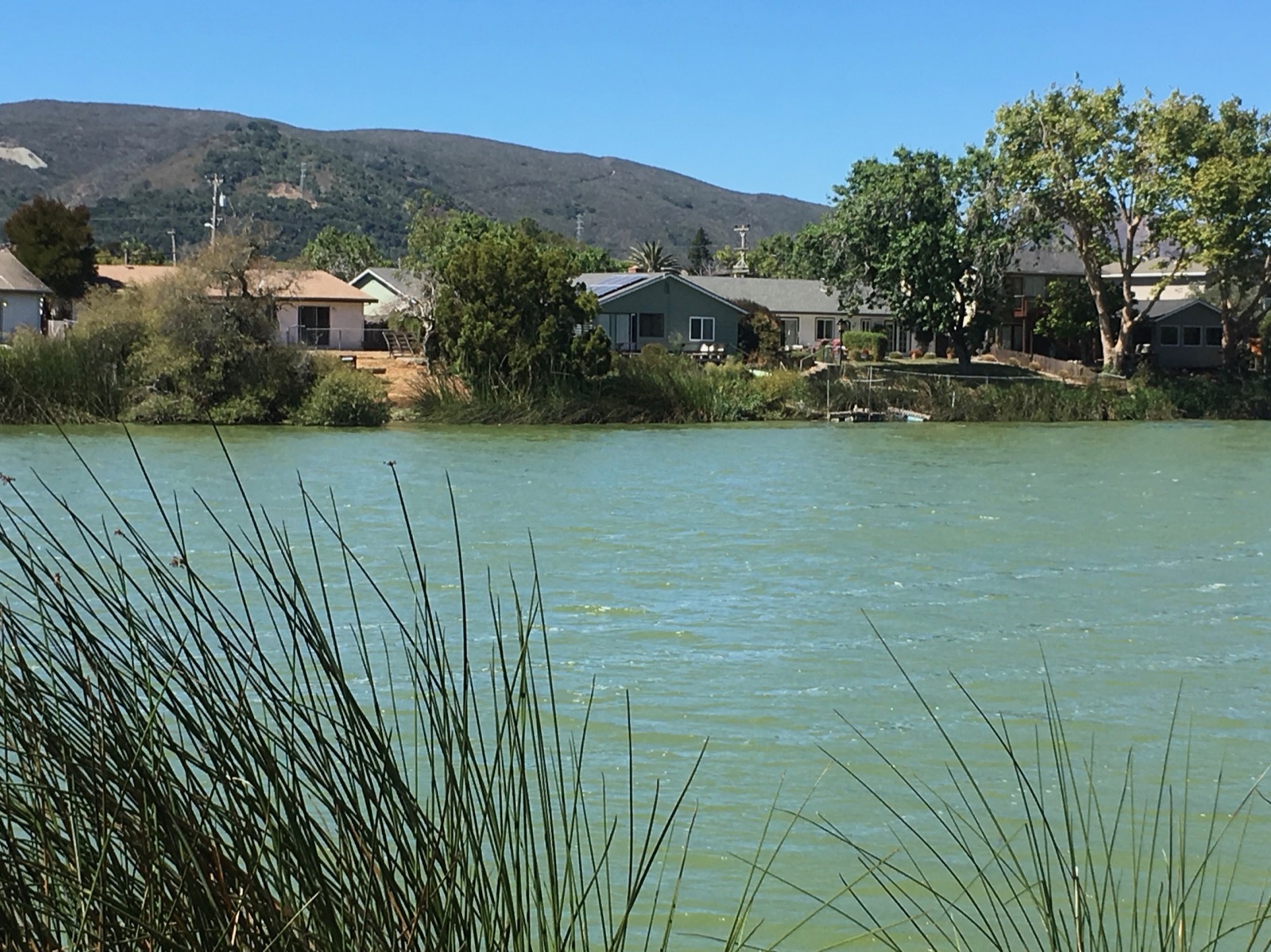
Blue-Green Algae in Minnesota Lakes
Minnesota runs a blue-green algae program, and the decision to post a particular beach is made locally rather than from one statewide list. Enter your ZIP below to see which county you are in and what that means here, or read on for what Minnesota monitors, what concentration it takes to get a waterbody posted, and where today's status is published.
Minnesota's lowest published action level for microcystins is 6 micrograms per litre, which the state calls its single tier recreational valueWhich Minnesota county are you in?
Minnesota advisory listings are indexed by countyThis returns the agency, the toxin level it acts at and the page where it posts today’s advisories.
Minnesota publishes something genuinely useful that almost no other state does: two simple no cost field tests a person can do at the shoreline to tell blue-green algae from ordinary green algae, written up as a numbered agency publication. It does not publish a statewide current advisory list, because in Minnesota the beach decision belongs to the city, county or park that owns the beach.
Where Minnesota publishes today's advisories
Program, advisories issued locally Minnesota is one of 8 states that publish the programme, the guidance and the reporting route while the decision to post a particular beach is made locally, usually by a county or city health department or the body that manages the water.
Minnesota Pollution Control Agency describes the local situation in its own words:
Minnesota Pollution Control Agency“Blue-green algae blooms are harmful when they produce toxins that can make humans and animals sick. Most blooms are not harmful. You can’t tell by looking at a bloom if it is harmful or not.”
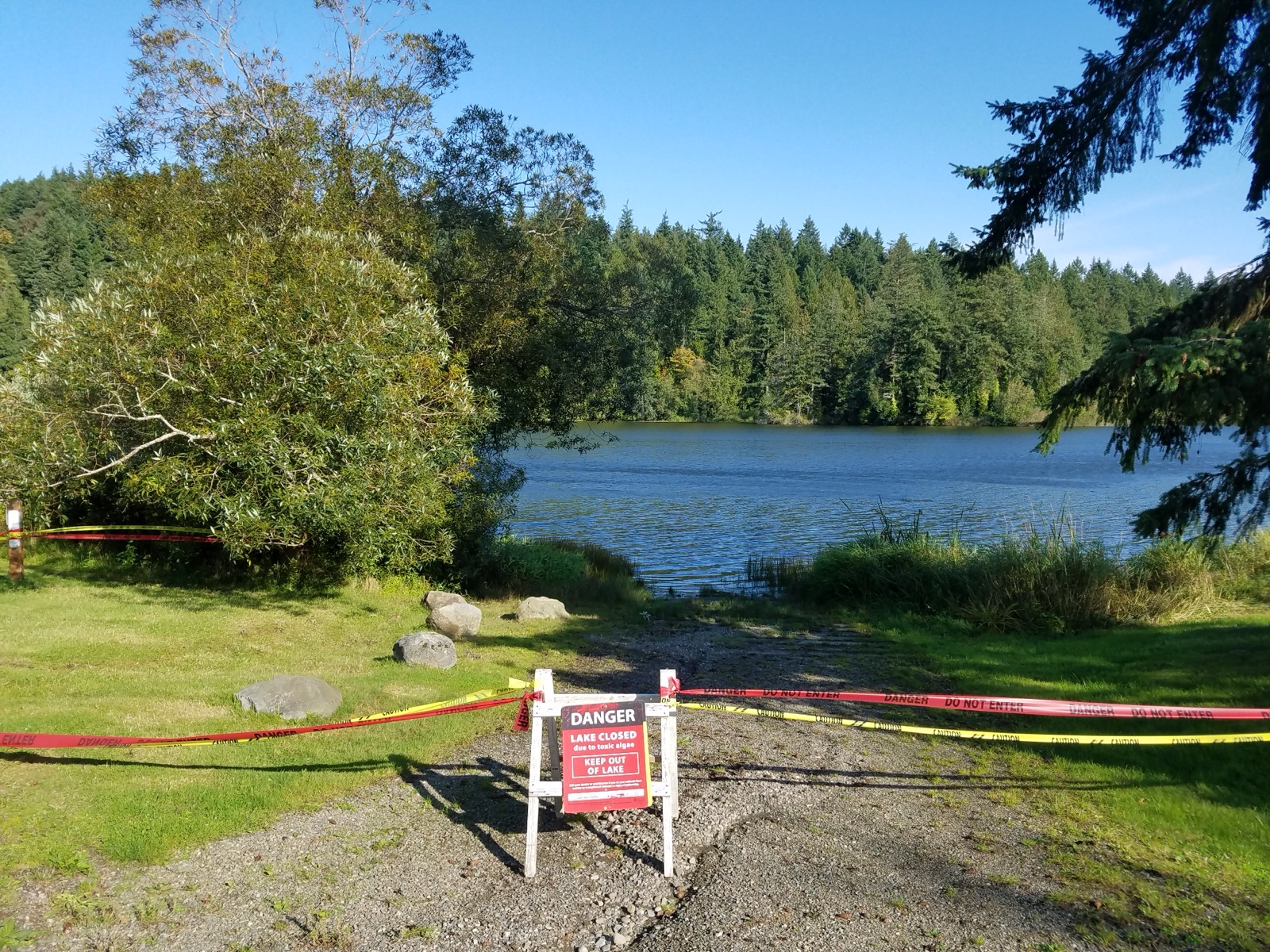
The number Minnesota acts on
Minnesota’s lowest published action level for microcystins is 6 micrograms per litre, which the state calls its single tier recreational value.
- Single Tier Recreational Value6
EPA’s State and Tribal Toxin Thresholds compilation, as it stood on 2026-09-03 after its July 13, 2026 update. EPA’s numbers and Minnesota’s decisions. A threshold is what it takes to get a waterbody posted; it is not a status and it does not describe any lake today.
EPA compiles every state's advisory numbers in one table, and Minnesota appears in it with 1 recreational entry. EPA's own recommendation for recreational water is 8 micrograms per litre of microcystins, and adopting it is optional, which is why the numbers vary so much between neighbouring states. 32 of the 45 states here publish one and 13 publish none at all.
US EPA, State and Tribal Toxin Thresholds“This page offers a compilation of the cyanotoxins thresholds used by state and Tribal programs to make advisory decisions for drinking water and recreational uses.”
A threshold is not a status. It is the concentration at which the state acts, and it says nothing at all about whether any Minnesota waterbody is posted today. Here is where Minnesota sits against every other state:
- ColoradoDetect to 8Caution Value
- FloridaDetectHealth Notification Alert
- Pennsylvaniadetect to 8Recreation Advisory Value
- New Mexico>0.1HAB Watch
- California0.8Caution Value
- New Jersey2Advisory Value
- Kansas>4 to <8Watch Level Value
- Montana<4Tier 1 Caution Value
- Nevada4-8Watch
- New York4 - 20Confirmed Bloom Value
- Rhode Island4Single Tier Recreational Value
- Minnesota6Single Tier Recreational Value
- Vermont6Single Tier Recreational Value
- West Virginia>6Watch Value
- ArkansasEPA's 8Single Tier Recreational Value
- IdahoEPA's 8Single Tier Recreational Value
- IllinoisEPA's 8Single Tier Recreational Value
- Indiana8Advisory Value
- IowaEPA's 8Advisory Value
- Massachusetts8Single Tier Recreational Value
- NebraskaEPA's 8Health Alert
- North DakotaEPA's 8Criteria
- Ohio8Single Tier Recreational Value
- OregonEPA's 8Single Tier Recreational Value
- South CarolinaEPA's 8Criteria
- South DakotaEPA's 8Criteria
- Utah>8Warning Advisory Value
- VirginiaEPA's 8Single Tier Recreational Value
- WashingtonEPA's 8Warning (Advisory) Value (Guidance)
- WisconsinEPA's 8Single Tier Recreational Value
- WyomingEPA's 8Toxin Advisory Value
- Maryland10Single Tier Recreational Value
13 states that post on assessment rather than a published threshold
In these states the decision to post a waterbody rests on visual assessment, cell counts or professional judgement rather than on a published concentration, so there is no number to line up beside the others.
Every value is EPA’s, from its State and Tribal Toxin Thresholds compilation (146 rows, updated July 13, 2026), read on 2026-09-03. Where a state publishes several levels this shows the lowest one it acts on, skipping the bands that describe a waterbody with nothing posted and the separate, far lower values Indiana and Oregon publish for dogs. States are ordered by that number and the order is not a ranking: a low threshold means the state posts sooner, not that its lakes are worse or better than anyone else’s.
What to look for on a Minnesota shoreline
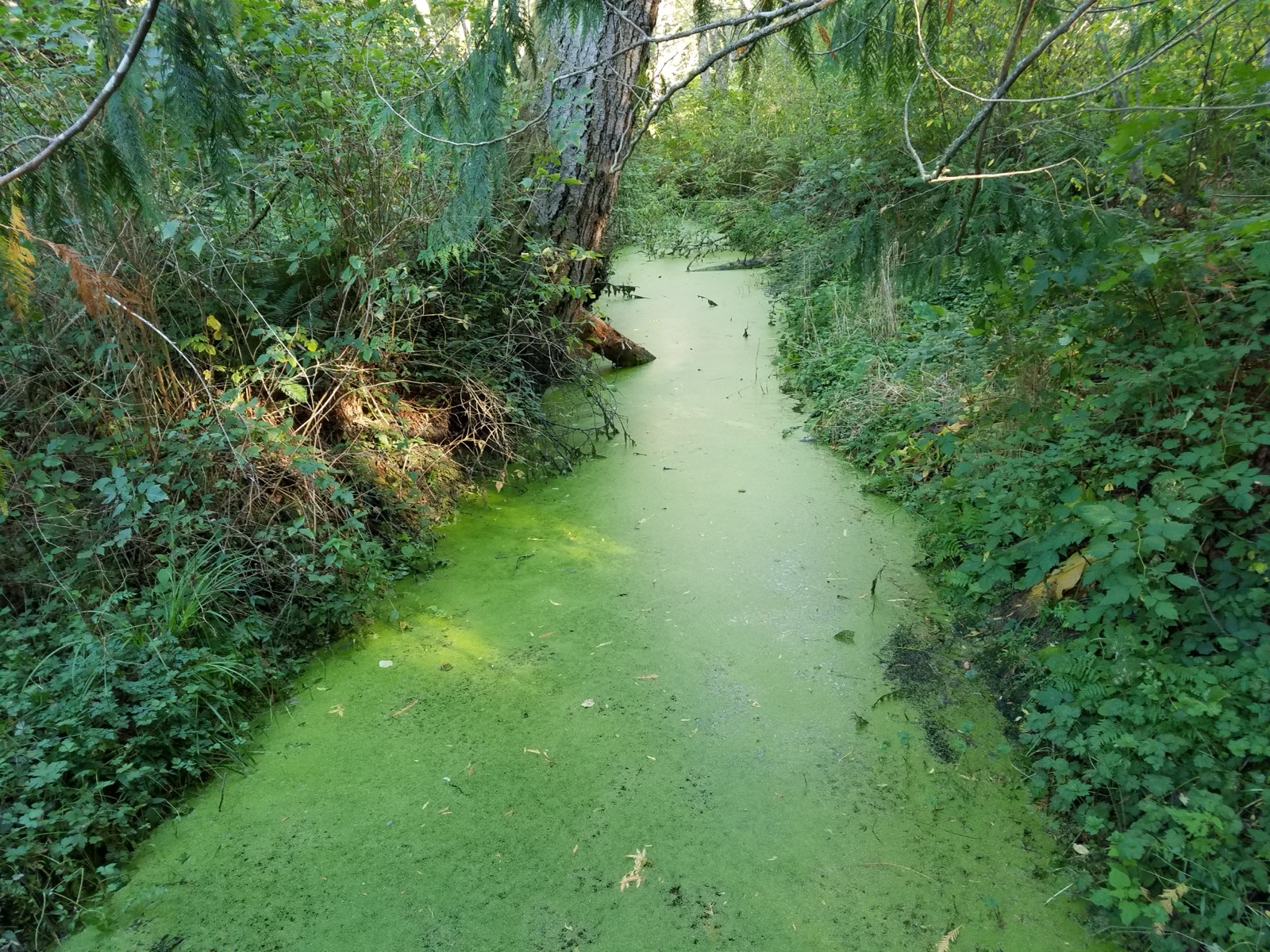
What it looks like, in the agencies’ words
- CDC“Harmful algal blooms can look like foam, scum, mats, or paint on the surface of the water. They can also grow underneath the water, making some harmful algal blooms hard to see.”
- EPA“Microcystis is the most common bloom-forming genus. Its blooms resemble a greenish, thick, paint-like (sometimes granular) material that accumulates along shores. Scums that dry on the shores of lakes may contain high concentrations of microcystin for several months, allowing toxins to dissolve in the water even when the cells are no longer alive or after a recently collapsed bloom.”
- CDC“Stay out of discolored, scummy, or smelly water and keep pets away.” “If you or your animal go in water with an algal bloom, rinse off with tap water right after.”
Nothing on that list distinguishes a toxic bloom from a harmless one, because nothing visible does. Toxin production turns on and off within the same bloom, so the same lake can be dangerous on Tuesday and not on Thursday with no change you could photograph. What the list is genuinely for is telling a bloom from ordinary green algae or pollen, which is a decision you can make from the bank, and after that the rule is the one every state programme in the country prints in some form: when in doubt, stay out.
US EPA, Learn about Harmful Algae, Cyanobacteria and Cyanotoxins“Once these toxins are released, they can cause numerous health effects ranging from minimal (i.e., diarrhea, headaches, and skin irritation) to life threatening (i.e., death).”
US CDC, Harmful Algal Blooms and Your Health“If you or your animal go in water with an algal bloom, rinse off with tap water right after.”
Dogs in Minnesota water
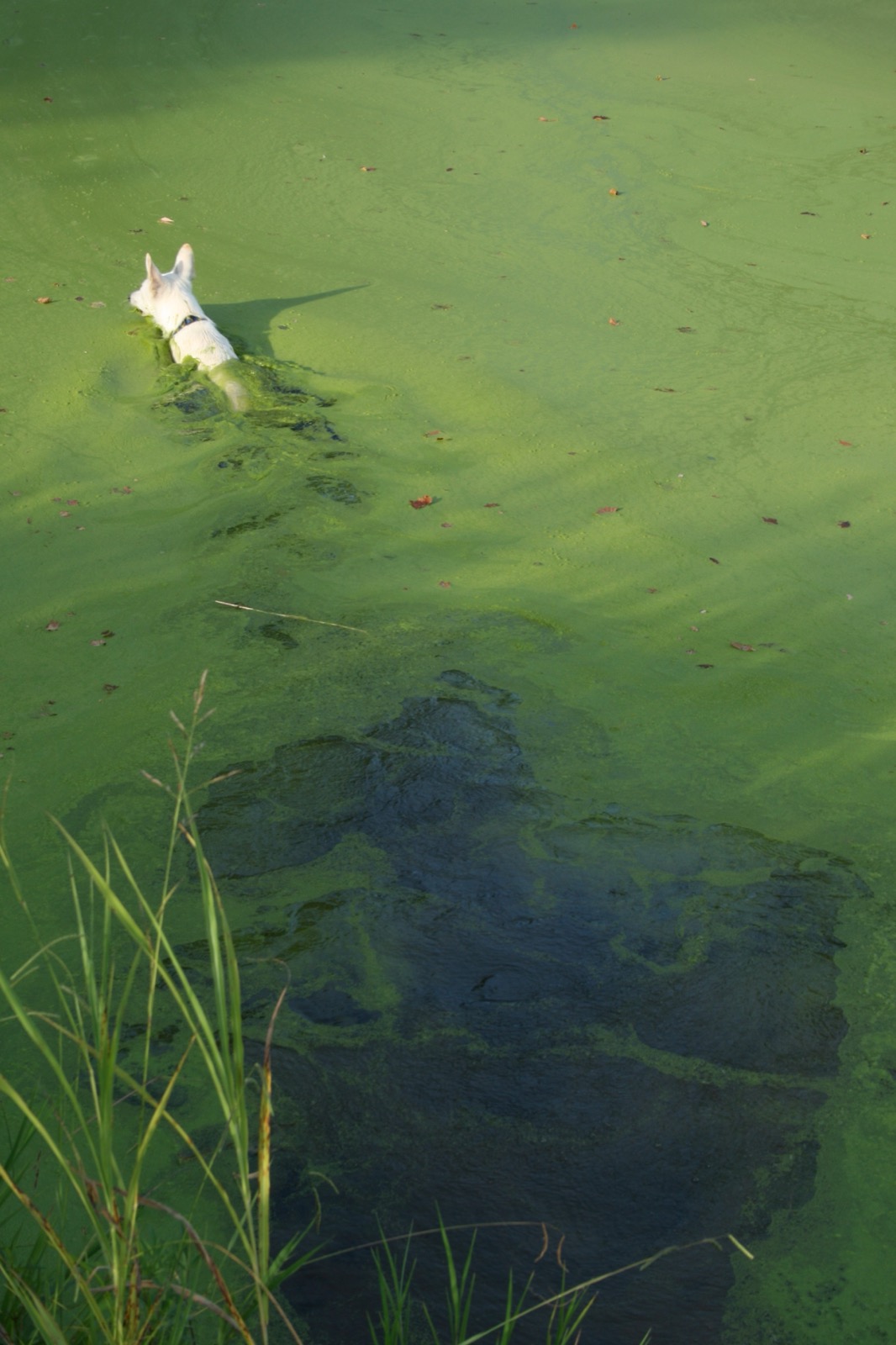
US CDC, Harmful Algal Blooms and Your Health“Contact a veterinarian immediately if your pets or livestock seem sick after going in or near water. Animals can get very sick or even die within hours of coming into contact with harmful algae or cyanobacteria.”
Minnesota does not publish separate cyanotoxin values for dogs. Only two states in EPA's compilation do, Indiana and Oregon, so anywhere else the published number is a human number applied to an animal that weighs a tenth as much and drinks the water on purpose. That is a gap in the numbers rather than an all clear. If an animal is unwell after being in or near water, CDC's instruction is a veterinarian, immediately, and there is no waiting to see.
US CDC, Harmful Algal Blooms and Your Health“If you think you have symptoms caused by a harmful algal bloom, contact a healthcare provider or the Poison Control hotline at 1-800-222-1222.”
Three different water programs in Minnesota
A clean result in one of these says nothing whatever about the other two. EPA separates the organisms and federal law separates the agencies:
US EPA, Learn about Harmful Algae, Cyanobacteria and Cyanotoxins“Several different types of algae can produce toxic HABs. The most common algae associated with marine toxic HABs include the dinoflagellates (e.g., Florida red tide Karenia brevis) and diatoms (Pseudo-nitzschia) while those most associated with freshwaters are dominated by cyanobacteria (e.g., Microcystis).”
Freshwater cyanobacteria
Blue-green algae in lakes, ponds and reservoirs. Toxins, not bacteria. EPA and the states.
You are hereMarine red tide
Karenia brevis and shellfish biotoxins on the coast, plus the NOAA western Lake Erie bloom forecast.
OpenBeach bacteria
Fecal indicator bacteria at BEACH Act coastal and Great Lakes beaches. A different lab test entirely.
OpenMinnesota blue-green algae FAQ
The rest of Minnesota's water picture
Blue-green algae in nearby states
Every state program
Threshold values are EPA's, from its State and Tribal Toxin Thresholds compilation (146 rows, last updated July 13, 2026), read on 2026-09-03; a US Government work in the public domain. The Minnesota programme link above was loaded in a browser on 2026-09-03. ZIP to county resolution uses the Census Bureau's ZCTA relationship file. In EPA's words: "State, Tribal and local governments may issue advisories for water bodies with HABs." National picture: blue-green algae programs in every state