
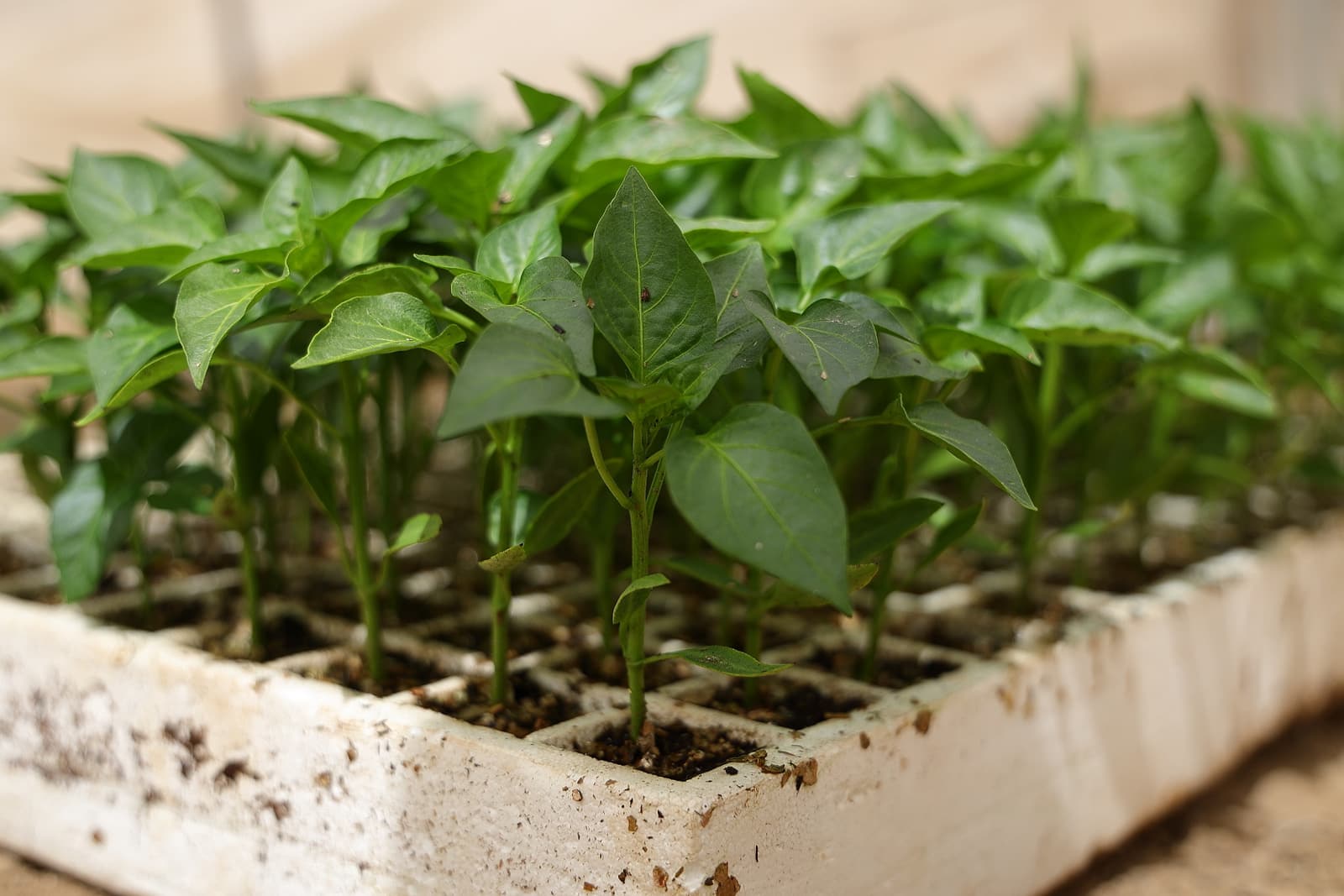
Seed Starting Calendar for Idaho
Median last frost from Apr 20 to Jun 13 across Idaho
Last spring frost dates in Idaho
Lowell in the Clearwater country and Coeur d'Alene reach a median last frost in mid to late April, Boise around Apr 24, and Idaho Falls on the Snake River Plain about a month later, around May 23.
Three dates per station from the NOAA 1991 to 2020 normals. The median is the date half of springs run past. The last column is the date the last 32°F night has passed by in 9 years out of 10, the one to hold tender transplants for.
| Station | Elevation | Early (1 in 10 years later than this) | Median last frost | Passed in 9 of 10 years | Median first fall frost |
|---|---|---|---|---|---|
| Lowell Three RiversLowell Three Rivers, USW00004109 | 1,480 ft | Mar 26 | Apr 16 | May 4 | Oct 25 |
| Coeur d'AleneCoeur D'Alene, USC00101956 | 2,133 ft | Apr 4 | Apr 22 | May 6 | Oct 18 |
| BoiseBoise Air Terminal, USW00024131 | 2,814 ft | Apr 4 | Apr 24 | May 9 | Oct 21 |
| Challis AirportChallis Airport, USW00004114 | 5,033 ft | May 2 | May 14 | Jun 2 | Sep 25 |
| Idaho FallsIdaho Falls Fanning Field, USW00024145 | 4,729 ft | May 7 | May 23 | Jun 13 | Sep 20 |
When to start seeds in Idaho, spring 2027
Counted back from the median last frost at Boise, April 24. Pick another station to redraw the chart for it.
| Crop | Start indoors | Set out | Sow outdoors | Frost class |
|---|---|---|---|---|
| Tomato | Mar 6 to Mar 20 | May 1 to May 8 | Tender, very tender | |
| Pepper | Feb 27 to Mar 13 | May 8 to May 15 | Tender, very tender | |
| Eggplant | Feb 27 to Mar 13 | May 8 to May 15 | Tender, very tender | |
| Basil | Mar 13 to Mar 27 | May 8 to May 15 | Tender | |
| Celery | Jan 30 to Feb 13 | Apr 24 to May 1 | Tender | |
| Cucumber | Apr 3 to Apr 10 | May 1 to May 8 | Apr 24 to May 1 | Tender |
| Summer squash | Apr 10 to Apr 17 | May 8 to May 15 | Apr 24 to May 1 | Tender |
| Winter squash | Apr 10 to Apr 17 | May 8 to May 15 | May 8 to May 15 | Tender, very tender |
| Pumpkin | Apr 10 to Apr 17 | May 8 to May 15 | May 8 to May 15 | Tender, very tender |
| Melon (cantaloupe) | Apr 10 to Apr 17 | May 8 to May 15 | Tender, very tender | |
| Watermelon | Apr 3 to Apr 17 | May 8 to May 15 | Tender, very tender | |
| Onion (from seed) | Jan 16 to Jan 30 | Mar 27 to Apr 3 | Hardy | |
| Leek | Jan 16 to Jan 30 | Mar 27 to Apr 3 | Hardy | |
| Parsley | Jan 23 to Jan 30 | Apr 3 to Apr 10 | Half-hardy | |
| Broccoli | Feb 13 to Feb 27 | Mar 27 to Apr 10 | Hardy | |
| Brussels sprouts | Feb 13 to Feb 27 | Mar 27 to Apr 10 | Hardy | |
| Cabbage | Feb 13 to Feb 27 | Mar 27 to Apr 3 | Hardy | |
| Cauliflower | Feb 27 to Mar 13 | Apr 10 to Apr 17 | Half-hardy | |
| Kale | Feb 13 to Feb 27 | Mar 27 to Apr 3 | Hardy | |
| Lettuce | Feb 20 to Feb 27 | Mar 27 to Apr 3 | Hardy | |
| Swiss chard | Feb 27 to Mar 13 | Apr 10 to Apr 17 | Mar 27 to Apr 3 | Half-hardy |
| Spinach | Jan 30 to Feb 13 | Mar 13 to Apr 3 | Mar 27 to Apr 10 | Hardy |
| Peas | Mar 27 to Apr 10 | Hardy | ||
| Radish | Mar 27 to Apr 10 | Hardy | ||
| Carrot | Apr 10 to Apr 24 | Half-hardy | ||
| Beet | Apr 10 to Apr 24 | Half-hardy | ||
| Beans | Apr 24 to May 1 | Tender | ||
| Sweet corn | Apr 24 to May 1 | Tender |
What University of Idaho Extension advises
University of Idaho Extension publishes the planting guide Idaho gardeners work from, Idaho Master Gardener Handbook, Chapter 20: Principles of Vegetable Culture.
“Figure 10. Planting and transplanting guide for vegetable crops based on the date of the last spring frost. On the bar, zero (0) is the date of the last spring frost, as determined for your locale. Each number to the right or left is the number of weeks before (-) or after (+) the average last frost.”University of Idaho Extension, Idaho Master Gardener Handbook, Chapter 20: Principles of Vegetable Culture, quoted exactly.
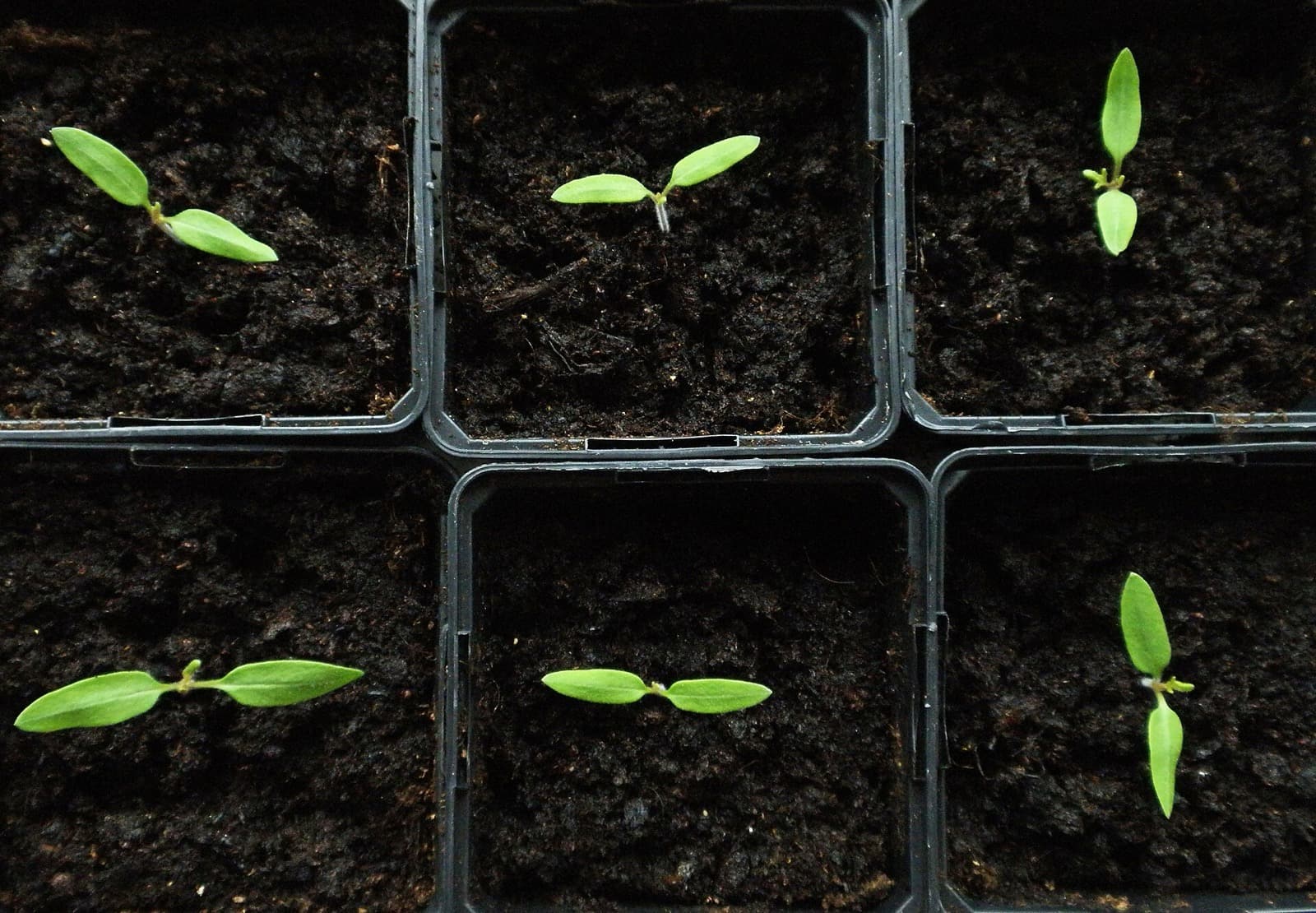
“Once you know the anticipated date of transplanting, see Table 6 to find the number of weeks needed to produce transplants of your chosen crops. Then count backward from the transplanting date”University of Idaho Extension, Idaho Master Gardener Handbook, Chapter 20: Producing and Establishing Transplants, quoted exactly.
“Cole crops (cabbage, broccoli, cauliflower, kale, brussels sprouts, etc.) and onions: Transplant 2–3 weeks before the average last frost.”University of Idaho Extension, on broccoli, quoted exactly.
“Three to four weeks before the average last spring frost: Plant cold-hardy crops, including onions, peas, kale, cabbage, broccoli, and cauliflower. (The last three can be transplanted within the same time frame.)”University of Idaho Extension, on cabbage, quoted exactly.
“Cole crops (cabbage, broccoli, cauliflower, kale, brussels sprouts, etc.) and onions: Transplant 2–3 weeks before the average last frost.”University of Idaho Extension, on onion, quoted exactly.
“Most salad crops (lettuce, Swiss chard, spinach, etc.): Transplant a week or so before the average last frost.”University of Idaho Extension, on lettuce, quoted exactly.
Seed starting questions for Idaho
Frost dates from NOAA NCEI U.S. Climate Normals 1991-2020, annual/seasonal, by station (v1.0.1). Planting guidance from University of Idaho Extension, quoted exactly. Seed starting weeks from UNH Cooperative Extension. Compiled 2026-09-21.