
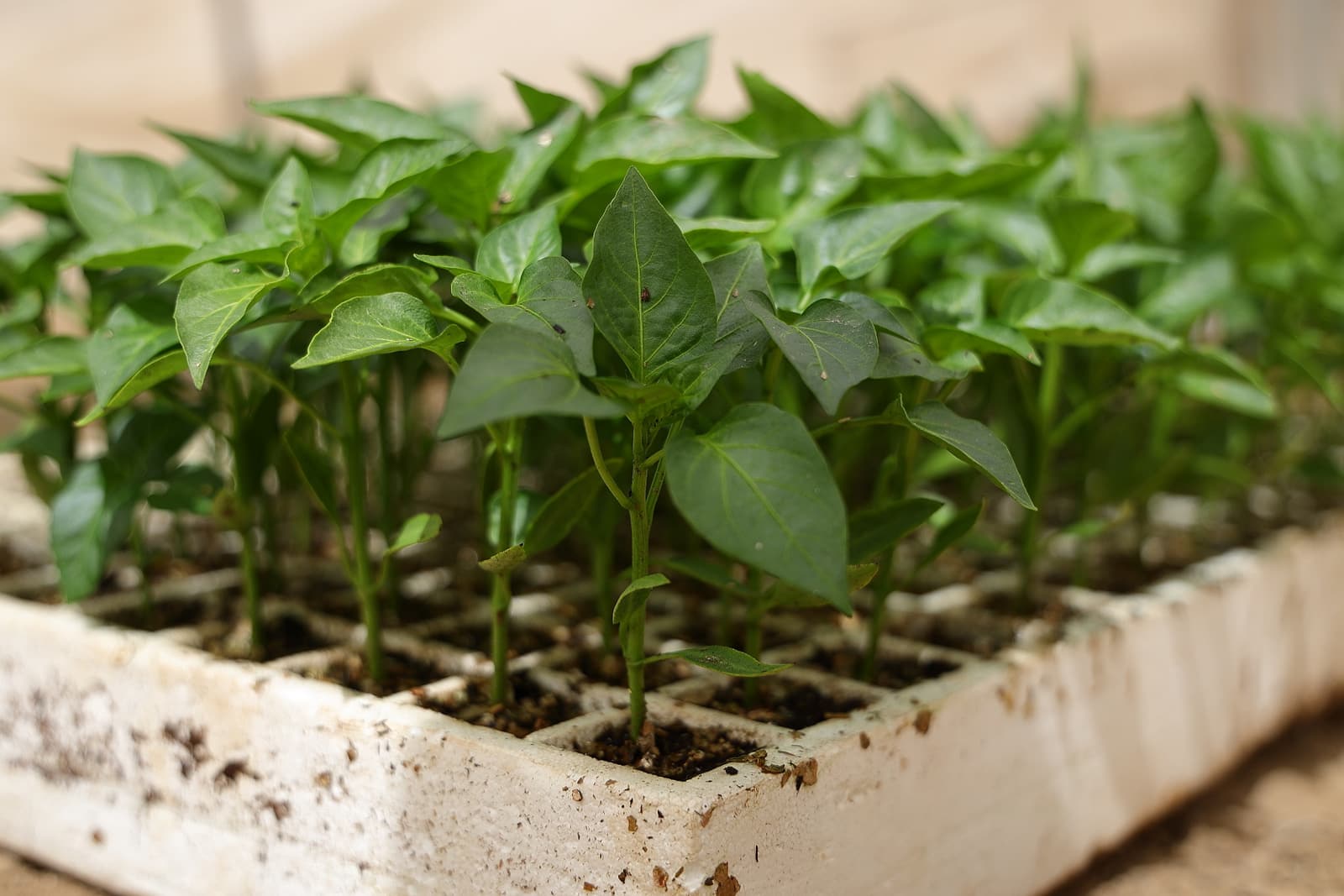
Seed Starting Calendar for Minnesota
Median last frost from Apr 23 to May 27 across Minnesota
Last spring frost dates in Minnesota
Minneapolis reaches its median last frost around Apr 23, Duluth on Lake Superior around May 13, and International Falls on the Canadian border around May 29, five weeks behind the Twin Cities.
Three dates per station from the NOAA 1991 to 2020 normals. The median is the date half of springs run past. The last column is the date the last 32°F night has passed by in 9 years out of 10, the one to hold tender transplants for.
| Station | Elevation | Early (1 in 10 years later than this) | Median last frost | Passed in 9 of 10 years | Median first fall frost |
|---|---|---|---|---|---|
| MinneapolisLower St Anthony Falls, USC00214884 | 754 ft | Apr 10 | Apr 23 | May 7 | Oct 16 |
| DuluthDuluth, USW00014913 | 1,428 ft | Apr 29 | May 13 | May 29 | Oct 1 |
| Park Rapids Municipal AirportPark Rapids Municipal Airport, USW00094967 | 1,434 ft | May 1 | May 14 | May 27 | Sep 25 |
| Grand MaraisGrand Marais, USW00094992 | 610 ft | May 3 | May 22 | Jun 18 | Oct 9 |
| International FallsIntl Falls Intl Airport, USW00014918 | 1,183 ft | May 13 | May 29 | Jun 16 | Sep 13 |
When to start seeds in Minnesota, spring 2027
Counted back from the median last frost at Duluth, May 13. Pick another station to redraw the chart for it.
| Crop | Start indoors | Set out | Sow outdoors | Frost class |
|---|---|---|---|---|
| Tomato | Mar 25 to Apr 8 | May 20 to May 27 | Tender, very tender | |
| Pepper | Mar 18 to Apr 1 | May 27 to Jun 3 | Tender, very tender | |
| Eggplant | Mar 18 to Apr 1 | May 27 to Jun 3 | Tender, very tender | |
| Basil | Apr 1 to Apr 15 | May 27 to Jun 3 | Tender | |
| Celery | Feb 18 to Mar 4 | May 13 to May 20 | Tender | |
| Cucumber | Apr 22 to Apr 29 | May 20 to May 27 | May 13 to May 20 | Tender |
| Summer squash | Apr 29 to May 6 | May 27 to Jun 3 | May 13 to May 20 | Tender |
| Winter squash | Apr 29 to May 6 | May 27 to Jun 3 | May 27 to Jun 3 | Tender, very tender |
| Pumpkin | Apr 29 to May 6 | May 27 to Jun 3 | May 27 to Jun 3 | Tender, very tender |
| Melon (cantaloupe) | Apr 29 to May 6 | May 27 to Jun 3 | Tender, very tender | |
| Watermelon | Apr 22 to May 6 | May 27 to Jun 3 | Tender, very tender | |
| Onion (from seed) | Feb 4 to Feb 18 | Apr 15 to Apr 22 | Hardy | |
| Leek | Feb 4 to Feb 18 | Apr 15 to Apr 22 | Hardy | |
| Parsley | Feb 11 to Feb 18 | Apr 22 to Apr 29 | Half-hardy | |
| Broccoli | Mar 4 to Mar 18 | Apr 15 to Apr 29 | Hardy | |
| Brussels sprouts | Mar 4 to Mar 18 | Apr 15 to Apr 29 | Hardy | |
| Cabbage | Mar 4 to Mar 18 | Apr 15 to Apr 22 | Hardy | |
| Cauliflower | Mar 18 to Apr 1 | Apr 29 to May 6 | Half-hardy | |
| Kale | Mar 4 to Mar 18 | Apr 15 to Apr 22 | Hardy | |
| Lettuce | Mar 11 to Mar 18 | Apr 15 to Apr 22 | Hardy | |
| Swiss chard | Mar 18 to Apr 1 | Apr 29 to May 6 | Apr 15 to Apr 22 | Half-hardy |
| Spinach | Feb 18 to Mar 4 | Apr 1 to Apr 22 | Apr 15 to Apr 29 | Hardy |
| Peas | Apr 15 to Apr 29 | Hardy | ||
| Radish | Apr 15 to Apr 29 | Hardy | ||
| Carrot | Apr 29 to May 13 | Half-hardy | ||
| Beet | Apr 29 to May 13 | Half-hardy | ||
| Beans | May 13 to May 20 | Tender | ||
| Sweet corn | May 13 to May 20 | Tender |
What University of Minnesota Extension advises
University of Minnesota Extension publishes the planting guide Minnesota gardeners work from, Planting the vegetable garden.
“Wait until after the last frost (mid-to-late May) before transplanting tomatoes, eggplants, peppers, summer squash, basil and similar warm-season crops.”University of Minnesota Extension, Planting the vegetable garden, quoted exactly.
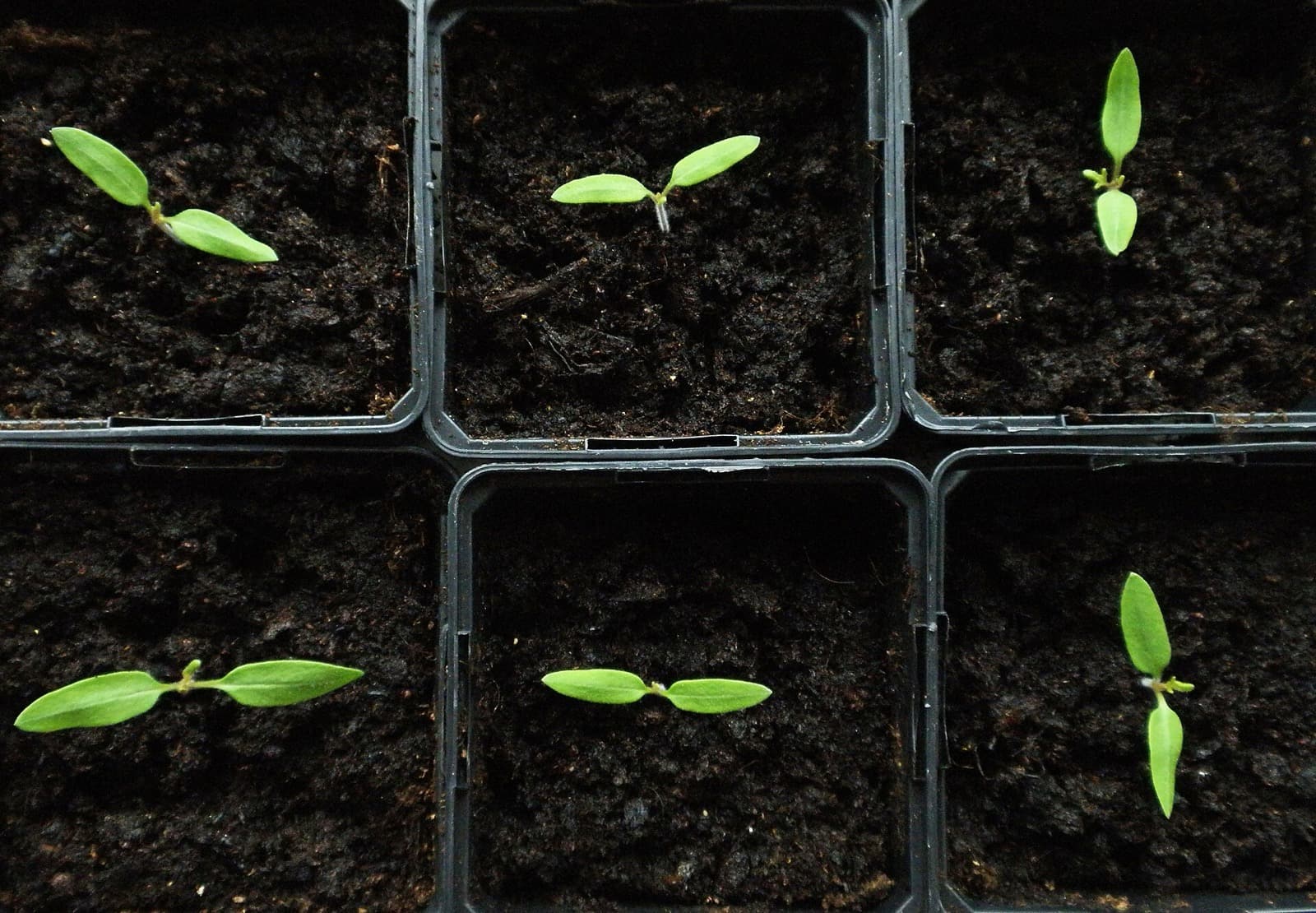
“In Minnesota, annual flowers and heat-loving vegetables such as tomato, pepper and eggplant are usually started in early spring.”University of Minnesota Extension, Starting seeds indoors, quoted exactly.
“Early April | 5-6 weeks | Flowers: amaranthus, aster, baby's breath, bachelor buttons, balsam, calendula, celosia, cornflower, four o'clock, marigold (French and gem), morning glory, nasturtium, ornamental basil, ornamental kale, portulaca, strawflower Vegetables: tomatoes”University of Minnesota Extension, on tomato, quoted exactly.
“Cabbage and broccoli intended for fall crops may be started indoors in June or July.”University of Minnesota Extension, on cabbage, quoted exactly.
“You can seed cucumbers, pumpkins and watermelons earlier by placing hot caps over the soil one week before planting.”University of Minnesota Extension, on cucumber, quoted exactly.
“If soil temperatures are between 40 and 50 degrees F, you can direct-seed peas, spinach, lettuce, and radish.”University of Minnesota Extension, on peas, quoted exactly.
University of Minnesota Extension planting months for Minnesota
The extension also publishes planting months by region. Each filled cell is a month the guide gives for planting that crop.
Minnesota
| Crop | Jan | Feb | Mar | Apr | May | Jun | Jul | Aug | Sep | Oct | Nov | Dec |
|---|---|---|---|---|---|---|---|---|---|---|---|---|
| cabbage | Apr | Jun | ||||||||||
| broccoli | Apr | Jun | ||||||||||
| brussels sprouts | Apr | Jun | ||||||||||
| cauliflower | Apr | Jun | ||||||||||
| onion | Apr | |||||||||||
| parsley | Apr | |||||||||||
| spinach | Apr | Aug | ||||||||||
| peas | Apr | May | ||||||||||
| radish | Apr | May | Aug | |||||||||
| carrots | Apr | May | Jun | |||||||||
| beets | Apr | May | Jun | |||||||||
| kale | Apr | May | Jun | Jul | ||||||||
| swiss chard | May | |||||||||||
| cucumbers | May | Jun | ||||||||||
| celery | May | |||||||||||
| muskmelon | May | |||||||||||
| pumpkin | May | |||||||||||
| tomatoes | May | |||||||||||
| watermelon | May | |||||||||||
| sweet corn | May | Jun | ||||||||||
| snap beans | May | Jun | Jul | |||||||||
| eggplant | Jun | |||||||||||
| pepper | Jun |
Planting months from University of Minnesota Extension, Planting the vegetable garden, read 2026-09-21. Tomatoes in Minnesota: May.
Seed starting questions for Minnesota
Frost dates from NOAA NCEI U.S. Climate Normals 1991-2020, annual/seasonal, by station (v1.0.1). Planting guidance from University of Minnesota Extension, quoted exactly. Seed starting weeks from UNH Cooperative Extension. Compiled 2026-09-21.