
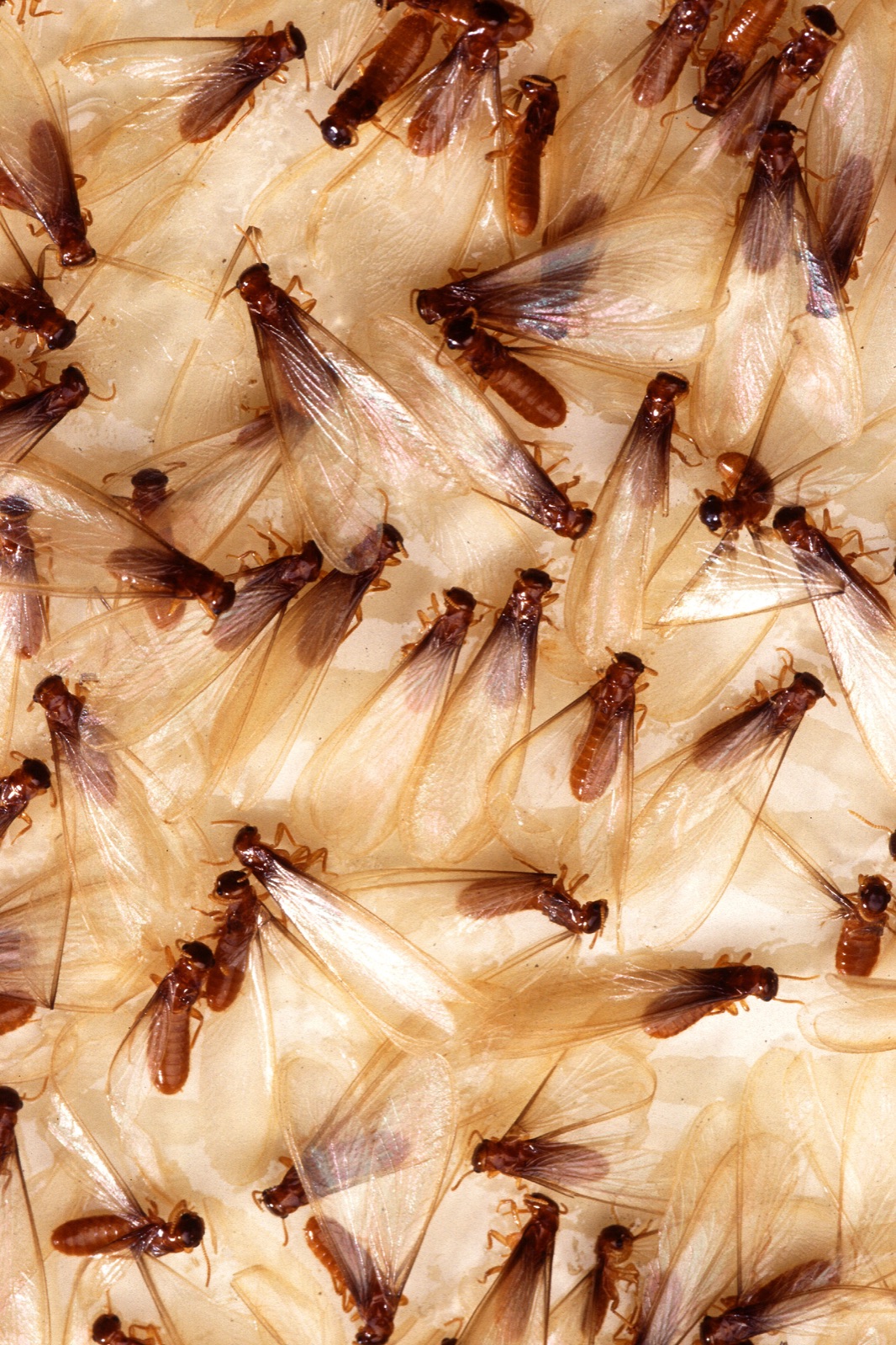
Termite Swarm Season in North Carolina: 2026 Timing & Risk
3 species, peak swarms March 15 – April 30, infestation probability zone I (very heavy) — plus whether today is swarm weather in Charlotte, Asheville, Wilmington.
Next swarm window opens February 20 (Eastern subterranean) · 134 daysThe North Carolina termite year at a glance
Typical window, checked against today's dateNC State entomologists treat the Wilmington Formosan pocket as the species' northern Atlantic beachhead — it arrived in railroad ties and has been contained but not eliminated.
Is today swarm weather in North Carolina?
Subterranean termites launch on the first warm (70°F+), humid, calm days after a soaking rain inside their window; drywood and dampwood species fly on warm, still late-summer evenings. The rows below read today's high, humidity, the last 48 hours of rain, and wind for North Carolina's three reference cities and score them against the species windows that are open right now (none open today, so the score is capped).
| City | High today | Humidity | Rain, last 48 h | Wind | Swarm conditions |
|---|---|---|---|---|---|
| Charlotte | … | … | … | … | Loading |
| Asheville | … | … | … | … | Loading |
| Wilmington | … | … | … | … | Loading |
Score 0–10: Unlikely 0–2.9 · Possible 3–5.4 · Likely 5.5–7.4 · Swarm conditions 7.5+. Weather from api.open-meteo.com, read in your browser when the page loads. A high score means conditions favor a flight somewhere nearby — not that your house is infested.
Which termites swarm in North Carolina, and when
Eastern subterranean termite
Reticulitermes flavipes- Swarms in North Carolina
- February 20 – May 20, daytime after rain
- Local notes
- The Coastal Plain swarms in March, the Piedmont in late March–April, the mountains in late April–May — always after a warm rain.
- Damage pattern
- Slow but relentless; colonies of 60,000–1,000,000 enter through foundation cracks and mud tubes.
Formosan subterranean termite
Coptotermes formosanus- Swarms in North Carolina
- May 1 – June 30, evening
- Local notes
- Established in isolated pockets around Wilmington and New Hanover County; flies at dusk toward porch lights in May–June.
- Damage pattern
- Colonies of several million that can hollow a joist in months; builds above-ground carton nests in walls.
Drywood termite
Incisitermes and Cryptotermes species- Swarms in North Carolina
- May 15 – July 31, night
- Local notes
- Southeastern drywood termites occur along the coast from Wilmington south; minor compared to subterraneans.
- Damage pattern
- Lives entirely inside dry wood — attics, furniture, trim — no soil contact; leaves six-sided fecal pellets.
North Carolina is in termite infestation probability zone I
The International Residential Code's Termite Infestation Probability Map (built on US Forest Service survey data) divides the country into four bands. Local jurisdictions use it as the basis for the termite-protection requirements they write into the code; homeowners can use it to set expectations. The figure names those bands rather than numbering them — the zone I–IV shorthand here is ours, not the code's, and the figure warns its lines are approximate. North Carolina: zone I, very heavy. The Gulf and Deep South — Louisiana, Mississippi, Alabama, Georgia, Florida, South Carolina, and eastern and coastal Texas — plus nearly all of California. The band's northern edge runs near the North Carolina line, and we place North Carolina here on the strength of its coastal plain. (We place Hawaii here too; the code figure maps only the lower 48.) Termites reach most structures eventually, and in this band the code also bars below-grade foam plastic on foundation walls and slabs.
Very heavy
The Gulf and Deep South — Louisiana, Mississippi, Alabama, Georgia, Florida, South Carolina, and eastern and coastal Texas — plus nearly all of California. The band's northern edge runs near the North Carolina line, and we place North Carolina here on the strength of its coastal plain. (We place Hawaii here too; the code figure maps only the lower 48.) Termites reach most structures eventually, and in this band the code also bars below-grade foam plastic on foundation walls and slabs.
Moderate to heavy
The mid-South, the Mid-Atlantic, the lower Midwest, and the interior and desert Southwest — Arizona, Nevada, and New Mexico included. Infestations are common; routine inspection is the norm in home sales. In the low-desert metros the local pressure runs well above what this band suggests.
Slight to moderate
The northern tier, the Rockies, and the Pacific Northwest. Colonies are localized; carpenter ants cause more wood damage than termites do.
Bands are assigned to each state's populated core; several states straddle a boundary (the state note above says which parts). No public-domain copy of the IRC map is available, so the zones are listed rather than drawn.
North Carolina termite hotspots
Wilmington and the Cape Fear coast
Sandy soils and a humid subtropical climate — plus North Carolina's only confirmed Formosan populations.
Charlotte
Red clay that holds water against slab foundations in fast-built subdivisions.
Raleigh–Durham
Heavily wooded lots, mulch beds, and crawlspace construction across the Triangle.
Signs of termites in North Carolina homes
Swarmers vs. flying ants
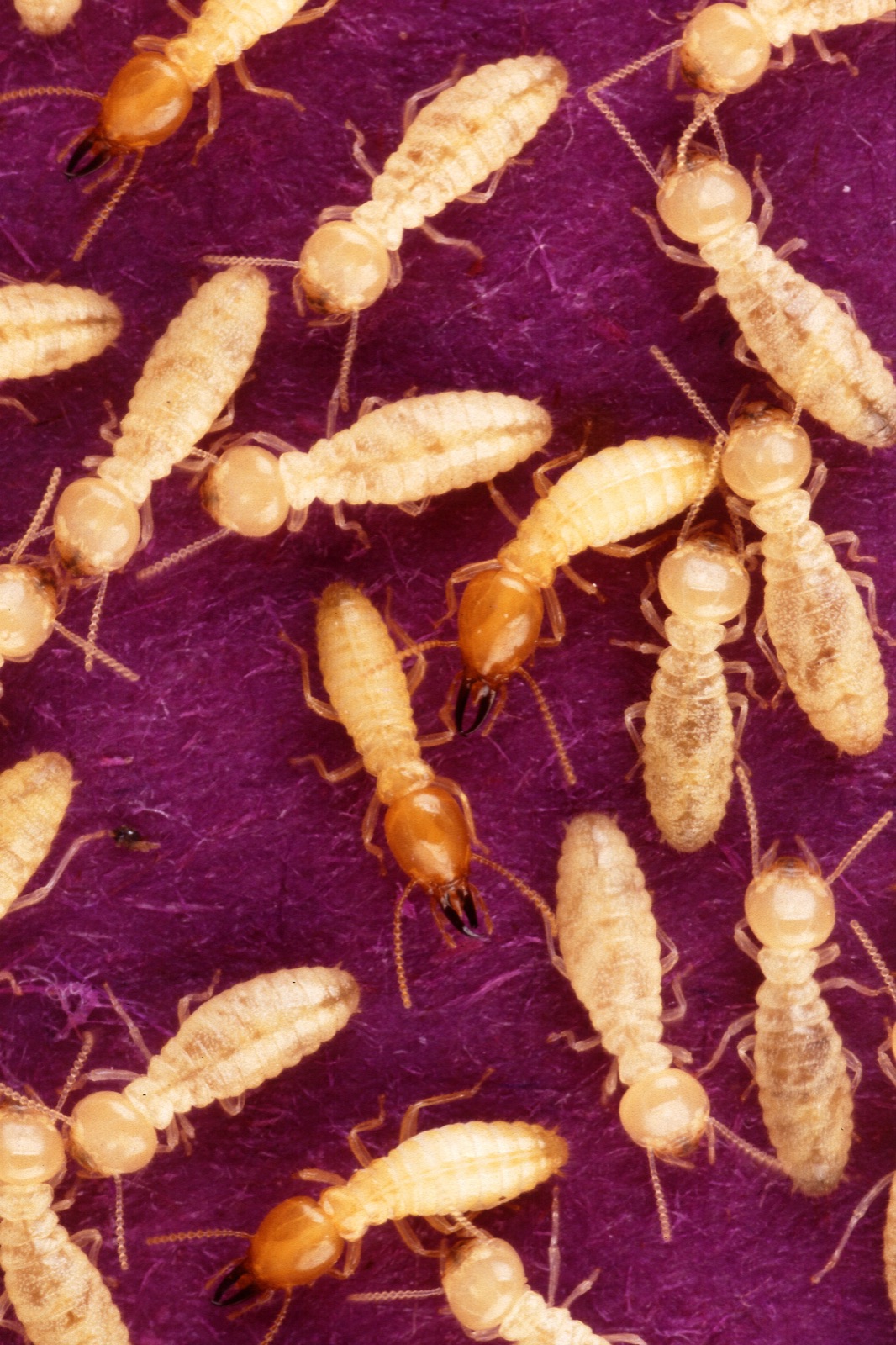
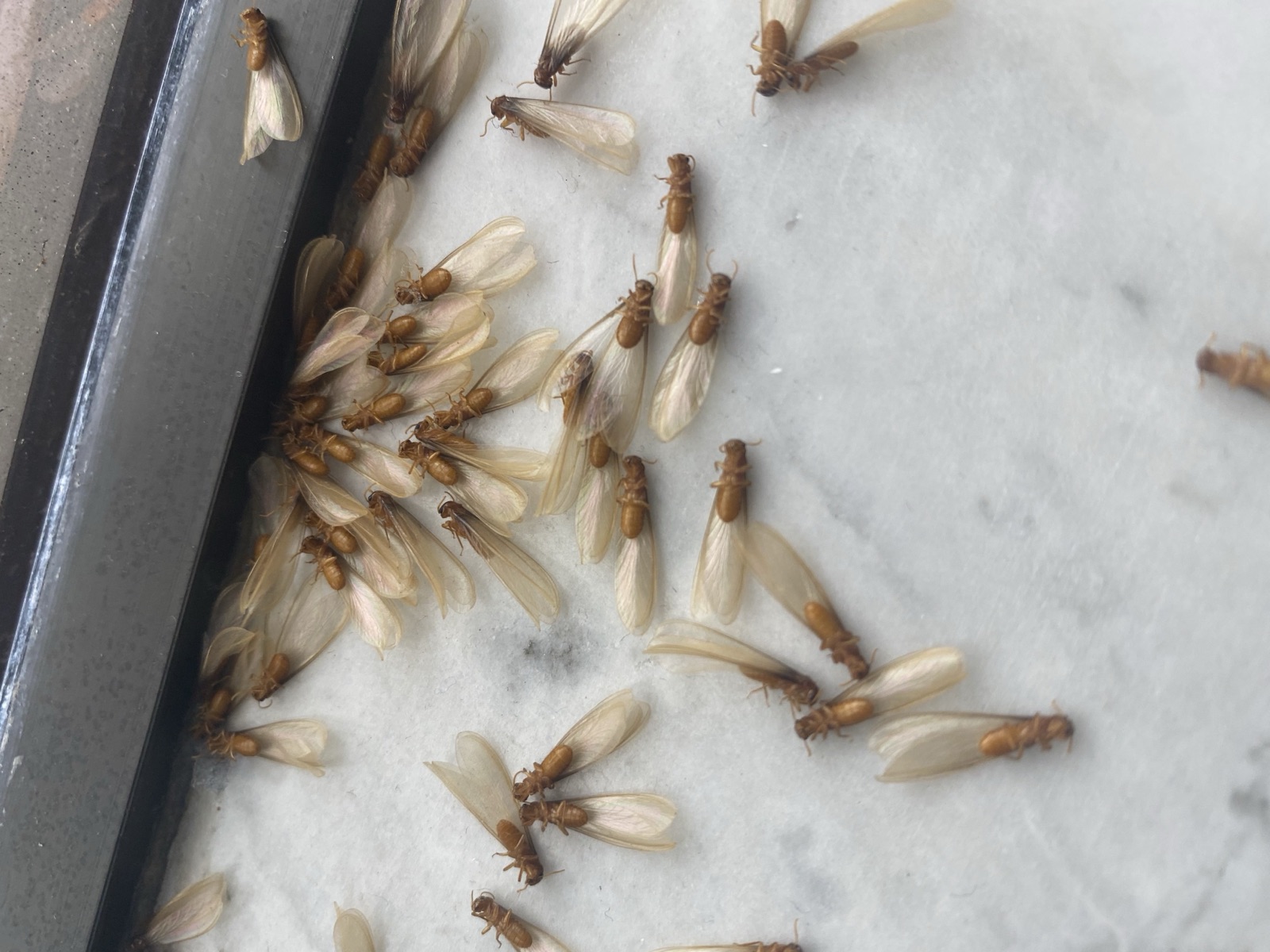
Termites: straight antennae, thick waist, four equal wings twice the body length. Ants: elbowed antennae, pinched waist, front wings longer than hind. Save a few in a bag — identification decides everything that follows.
Discarded wings
Swarmers shed their wings minutes after landing. Piles of identical translucent wings on a windowsill, in a spider web, or on a tub floor are the most common first sign — often with no insects left in sight.
Mud tubes
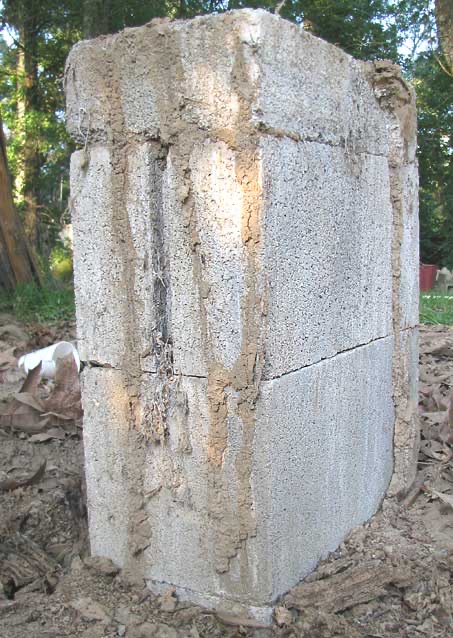
Pencil-width earthen tunnels climbing a foundation wall, pier, or plumbing penetration. Subterranean termites build them to stay moist between soil and wood. Break one open — live workers inside mean an active colony.
Frass (drywood pellets)
Drywood termites push six-sided, sand-like pellets out of kick-out holes — tiny piles under a window frame, rafter, or furniture. Drywood termites are established in North Carolina, so this is a sign to take seriously here.
Hollow or blistered wood
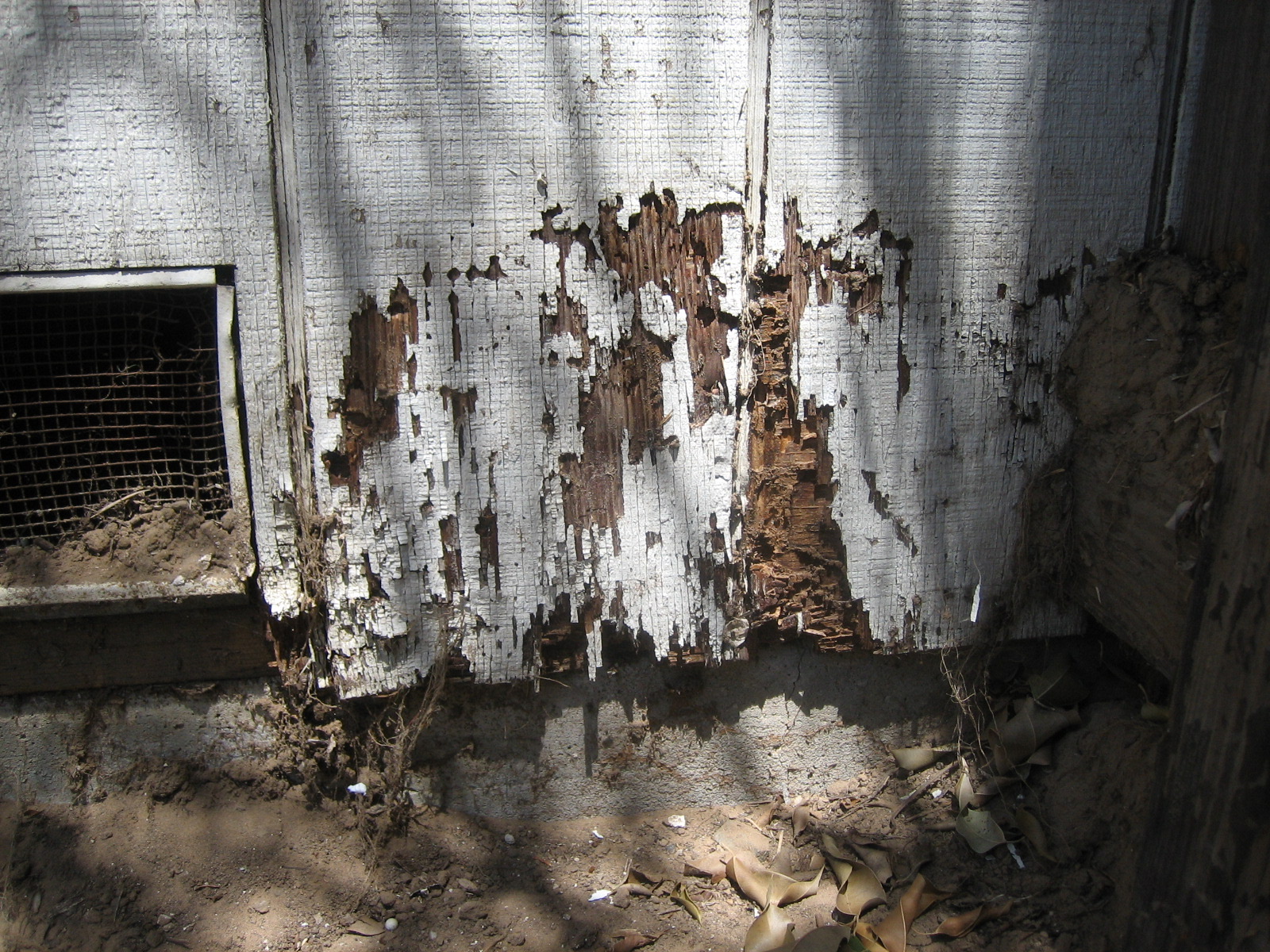
Baseboards that sound papery when tapped, paint that bubbles like water damage, doors that suddenly stick. Subterranean galleries run with the grain and are packed with mud; drywood galleries are clean and cross the grain.
Moisture clues
Termites follow water. A leaking hose bib, a downspout dumping at the foundation, mulch piled against siding, or a damp crawlspace is where inspectors look first.
What to do when you see a swarm in North Carolina
Preventing termites in North Carolina
Prevention is mostly moisture and wood-to-soil management, and most of it costs a weekend rather than a contract. In a zone I state, these are the habits that keep a home off the treatment list:
- Keep 6 inches of visible foundation between soil or mulch and any siding, trim, or sill plate. Mulch piled to the siding is the most common entry invitation inspectors find.
- Move water away. Downspout extensions, grading that slopes away from the house, and a crawlspace vapor barrier remove the moisture subterranean colonies need.
- Break wood-to-soil contact. Deck posts on metal standoffs, no firewood or lumber stacked against the house, stumps removed, and fence posts that don't touch the foundation.
- Seal slab and foundation penetrations where plumbing and conduit enter — termites need a crack the width of a business card.
- Fix leaks fast. A dripping hose bib or AC condensate line against the foundation creates a permanent wet spot that colonies home in on.
- Screen attic and crawlspace vents with fine mesh and seal cracks in exposed rafter tails and fascia — drywood swarmers enter through the smallest openings in exposed wood.
- Watch the trees. Formosan colonies nest in live oaks, pecans, and other yard trees and reach the house from above ground — a carton nest in a tree within 100 feet of the home is a treat-now signal.
- Inspect annually — a $75–$150 professional inspection (or a thorough flashlight walk of the crawlspace and foundation each spring) catches mud tubes years before structural damage.
North Carolina termite swarm FAQ
More North Carolina pest timing
More Southeast termite swarm seasons
Swarm windows are climatological typicals compiled from land-grant extension guidance (UF/IFAS, LSU AgCenter, Texas A&M, UC IPM, and state extension services) and from the IRC Termite Infestation Probability map; any single year runs 1–3 weeks either side. Cost ranges are general industry figures, not quotes. Live conditions from Open-Meteo. North Carolina extension guidance: content.ces.ncsu.edu/. National picture: where termites are swarming right now →
Hero image: “Formosan termite alates” — USDA Agricultural Research Service (Scott Bauer) — Public domain