Is It Too Cold for Your Dog Today? Louisiana Walk Check by ZIP
New Orleans has 4 freezing nights in a typical winter, and its normal mid January low is 46°F.
Reading the National Weather Service hourly forecast for New Orleans.
Your own town in Louisiana:
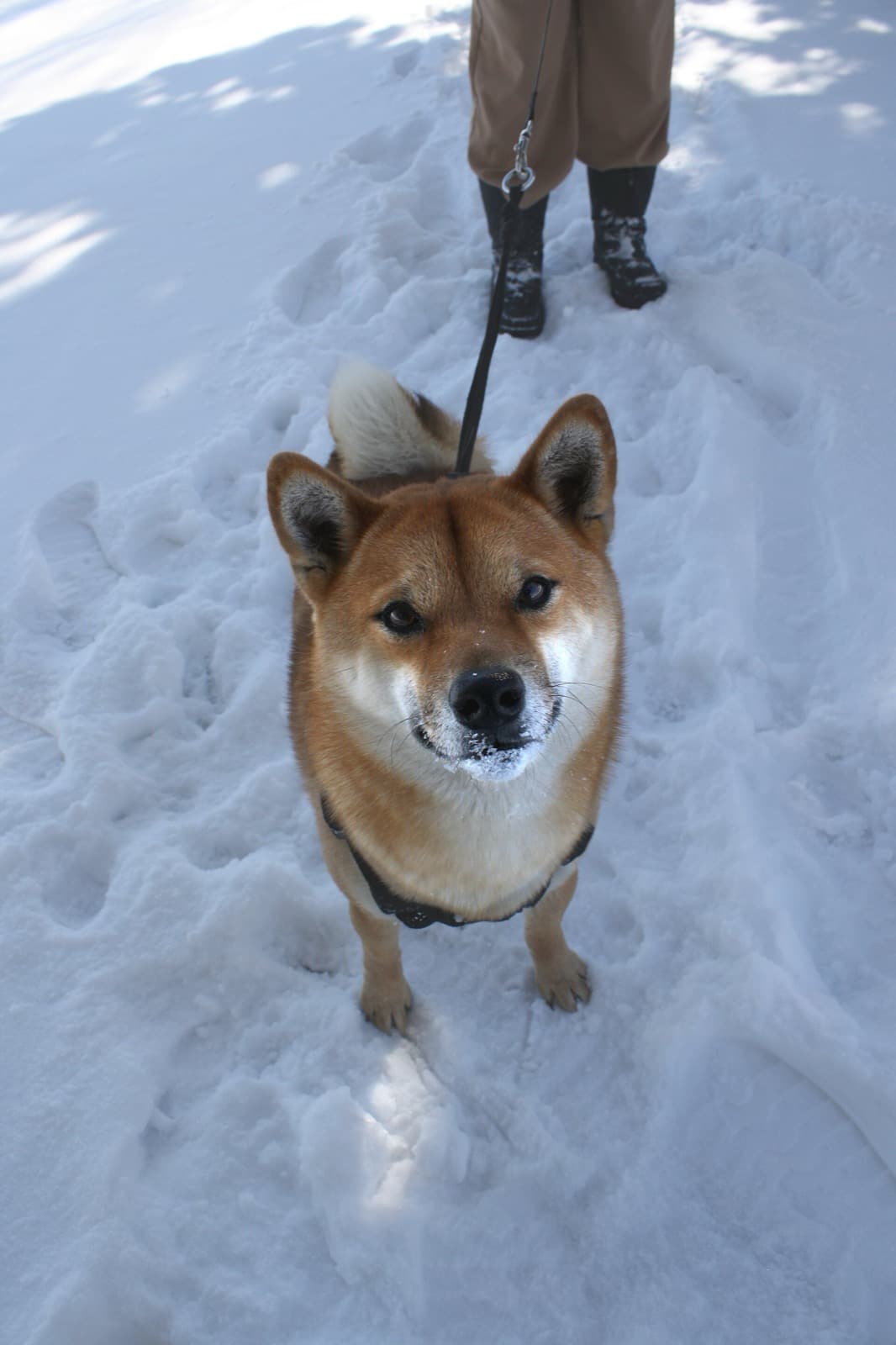
Photo: “Shih tzu walking in the snow” by JurgenNL, CC BY-SA 3.0
Louisiana at a glance
New Orleans, from the station’s own recordsHow cold Louisiana gets for a dog
The normal low in mid January is 46°F in New Orleans, 41°F in Baton Rouge and 43°F in Lafayette. At 46°F with no wind the walk scale reads short walks for toy dogs, OK for a walk for small and medium dogs and good for a walk for large dogs; the afternoon is usually a step or two milder, and wind makes any hour colder.
Here is how often the night gets down to each line on the scale in a typical New Orleans winter, from the last 10 winters of lows. Baton Rouge runs colder, with 1 nights at 20°F or colder.
- 4nights at 32°F or colder in a typical New Orleans winter. With no wind, 32°F rates quick trips only for toy dogs and short walks for small, medium and large dogs.
Louisiana towns compared
| Station | Mid January low | Nights at 32°F or colder | At 20°F or colder | At 0°F or colder | Coldest night, last 10 winters |
|---|---|---|---|---|---|
| New OrleansNew Orleans International Airport, USW00012916 | 46°F | 4 | 0 | 0 | 20°FJanuary 17, 2018 |
| Baton RougeBaton Rouge Ryan Airport, USW00013970 | 41°F | 14 | 1 | 0 | 7°FJanuary 22, 2025 |
| LafayetteLafayette Regional Airport, USW00013976 | 43°F | 10 | 1 | 0 | 4°FJanuary 22, 2025 |
Normal lows from NOAA NCEI (1991 to 2020); nightly lows from GHCN Daily, the winters of 2016 to 2017 through 2025 to 2026. Counts are the median winter.
What Louisiana law asks of a dog owner in the cold
Louisiana asks for proper shelter
Louisiana's cruelty law covers failing to give an animal proper food, drink, shelter or veterinary care.
“proper food, proper drink, proper shelter, or proper veterinary care”
Statute: La. Rev. Stat. § 14:102.1(A)(1)(c) on the Animal Legal & Historical Center.
A plain summary of the statute, not legal advice. Statutes read November 18, 2026. Cities and counties can add their own rules, so check with your local animal control too.
How cold is too cold, by dog size
Find the feels like temperature in your dog’s column and read the rating on the left. The ratings are based on the Tufts Animal Care and Condition scale, read on the National Weather Service wind chill, so a cold, windy morning rates colder than the thermometer says.
| Rating | Smallunder 25 lb | Medium25 to 60 lb | Largeover 60 lb |
|---|---|---|---|
| Good for a walk | 54°F and up | 48°F and up | 44°F and up |
| OK for a walk | 44°F to 53°F | 44°F to 47°F | 40°F to 43°F |
| Short walks | 28°F to 43°F | 28°F to 43°F | 18°F to 39°F |
| Quick trips only | 22°F to 27°F | 15°F to 27°F | 15°F to 17°F |
| Potty breaks only | below 22°F | below 15°F | below 15°F |
- Good for a walkNo cold concern for a healthy dog. Walk as usual.
- OK for a walkCold is unlikely to be a problem on a normal walk. Watch for shivering.
- Short walksCold starts to matter. Keep walks shorter, keep moving, and come in if your dog shivers or lifts its paws.
- Quick trips onlyReal risk for a dog left out in it. Go out for what the dog needs, then come back in.
- Potty breaks onlyDangerous for a dog that stays out. Potty breaks only, with a coat or booties if your dog will wear them.
What moves the rating
- One step colder for a toy breed under 10 lb, a thin or short coat, or a puppy, a senior or a dog with a health condition.
- One step milder for a thick double coat, or a dog that is outside every day all winter and used to it.
- Wet weather when rain or snow is likely: freezing rain, or rain at a feels like 40°F or colder, two steps colder; rain from 41 to 50°F, or snow, one step.
- Limits. The dog’s own adjustments move a rating two steps at most, and they only make it colder once the weather alone is past good for a walk.
Keeping a dog safe through a Louisiana winter
Know the signs of hypothermia and frostbite
A dog that is getting too cold shivers, seems weak or confused, and its gums can look pale. Frostbitten skin feels cold and painful and looks gray or blue, then turns red and blisters as it warms, and black if the tissue dies; it can also get infected. Wind and water make the cold hit harder. If you see these signs, call your vet as soon as you can.
Source: UConn Extension, cold weather safety for dogs and cats
Some dogs feel it sooner
Senior dogs, small dogs and dogs with a medical condition are hit harder by low temperatures, and puppies and diabetic dogs are more prone to frostbite. A longer coat keeps a dog warmer, so trim it rather than shaving it down to the skin in winter.
Sources: UConn Extension, cold weather safety for dogs and cats; ASPCA, cold weather safety tips
Look after paws on salted sidewalks
Before a walk, rub petroleum jelly or a paw balm your vet approves into the pads; booties cover them better still. Afterward, wipe the paws, clear any snowballs packed between the pads and towel your dog dry. Ice melt is dangerous if a dog licks it up, so use a pet friendly one at home.
Sources: ASPCA, cold weather safety tips; UConn Extension, cold weather safety for dogs and cats
Antifreeze kills
Antifreeze is lethal to dogs. Clean up any spill from the car right away, and choose a product made with propylene glycol rather than ethylene glycol. If your dog may have swallowed some, call your vet or the ASPCA Animal Poison Control Center at (888) 426-4435 at once.
Source: ASPCA, cold weather safety tips
A parked car is a refrigerator
A car holds in the cold like a refrigerator, and a dog left in one in winter can freeze to death. Take your dog with you or leave it home.
Source: ASPCA, cold weather safety tips
Your vet knows your dog
This scale is a guide for a healthy dog. Your vet knows your dog's age, weight, coat and health, so ask how long a winter walk should be, above all for a puppy, a senior or a dog with a medical condition.
Source: UConn Extension, cold weather safety for dogs and cats