
When to Prune in Maine
Much of Maine is zone 5a, where the last spring frost comes around May 8. The pruning season opens with shade trees on Feb 24. Every date below moves with your own frost, so a ZIP times them for your yard.
What to prune in Maine now
Pick your zone, or type a ZIP code for dates timed from the frost at your own address.
Reading today’s date to sort the list.
Maine pruning calendar for zone 5a
The median last frost here is May 8, but buds swell before then, so the dates below are timed to May 5, when growth begins. Sweet cherries are the exception: they are pruned in summer, after the harvest, in every zone.
Fruit
Apples and pears
Mar 3 to Apr 14
Late winter, while dormant. Thin crowded and crossing branches first, then shorten. The coldest weeks are past by the time the window opens, so cuts heal with spring growth.
“Fruit trees should be pruned on an annual basis in late winter, preferably after the coldest weather is past and before buds break and growth begins.”
Peaches, nectarines and plums
Apr 14 to May 19
Just before bloom to two weeks after petal fall. The last fruit trees to prune. Waiting until the buds swell lets you see winter damage and cut it out.
“The best time to prune is from just before bloom to 2 weeks after petal fall.”
Sweet cherries
Jul 1 to Aug 31
After harvest, in dry summer weather. Cherries are pruned in summer, not winter: fewer cuts are open while the wet weather that spreads bacterial canker is around.
“The exception is sweet cherries, which are best pruned after they have fruited or in early July.”
Grapes
Mar 24 to Apr 28
Early spring, before buds swell. Cut back to the canes or spurs you keep for this year. Grapes drip sap from spring cuts; it does them no harm.
“Early spring is also the best time to prune most small fruits with woody stems, such as grapes, raspberries, blueberries, gooseberries, and currants.”
Blueberries
Mar 24 to Apr 28
Early spring, before growth starts. Take out the oldest, weakest canes at the base. Light pruning every year beats a hard cut every few.
“After the first year, prune the bushes annually in the early spring before growth starts.”
Raspberries and blackberries
Mar 24 to Apr 28, then Jul 19 to Aug 23
Early spring, and again after the summer harvest. Summer bearers: cut the canes that fruited to the ground after the last pick. Fall bearers grown for one crop: cut every cane to the ground before spring growth.
“After the last harvest, cut all canes that have produced fruit to ground level and remove them.”
Flowers
Roses
Apr 7 to May 2
As new growth emerges in early spring. Cut dead canes back to green wood when the buds start to swell. Roses that bloom once a year, such as many climbers and old garden roses, are pruned after they flower instead.
“Roses that experience winter die-back are best pruned by removing dead wood just as new growth emerges in early spring.”
Panicle and smooth hydrangeas
Mar 17 to Apr 21
Late winter or early spring. These bloom on this year's growth, so a spring cut costs no flowers. The white snowball and cone shaped kinds are usually these.
“Prune in late winter or early spring.”
Bigleaf and oakleaf hydrangeas
Jul 14 to Aug 15
Just after the flowers fade. These set next year's buds on this year's stems. A fall, winter or spring cut removes the flowers. Reblooming kinds can take a light spring cleanup as well.
“Prune just after the flowers fade.”
Shrubs
Spring flowering shrubs
Apr 28 to Jun 16
Lilac, forsythia, azalea, rhododendron, spirea, viburnum
Right after they flower. They bloom on last year's wood. Pruning before they flower cuts off this spring's show.
“They generally bloom before the end of June and should be pruned immediately after flowering.”
Summer flowering shrubs
Mar 3 to Apr 14
Rose of Sharon, butterfly bush, potentilla, summer spirea
Late winter or early spring. They bloom on new wood, so cut them before growth starts.
“Prune summer-flowering shrubs in late winter or early spring.”
Trees
Shade trees
Feb 24 to Apr 7
Late winter, while dormant. With the leaves off you can see the branch structure, and the cuts start to close as soon as growth begins. Take out dead, broken and crossing limbs first.
Except oaks, which are not pruned from April through September. See the oak rule below.
“Most trees should be pruned during the late dormant season (February through March).”
Maples, birches and elms
Feb 24 to Apr 7, then May 30 to Jun 24
Late winter, or early summer once leafed out. These drip sap from late winter cuts. It looks alarming and does the tree no harm. If the dripping bothers you, prune in early summer instead, once the leaves are full size.
“Some trees have free-flowing sap that "bleeds" after late winter or early spring pruning. Though this bleeding causes little harm, it may still be a source of concern.”
Junipers, yews and arborvitae
Apr 7 to Apr 28
Late winter, just before new growth. Shear lightly. Junipers and arborvitae do not regrow from bare wood inside the green, so never cut them back past the foliage. Yews do, which is why they take hard shaping.
“Prune evergreen shrubs, such as juniper and yew, in late March or early April before new growth begins.”
Pines
May 26 to Jun 19
Early summer, at the candle stage. Pinch or cut the new shoots (candles) by up to half while they are still soft. Spruce and fir have side buds and can be pruned when dormant.
“Pine branches should be pruned or pinched in early summer when the new branch (candle) has begun to elongate but before the needle bundles open.”
When to hold off
Flowering shrubs and hedges
Aug 7 to Oct 1
Hold off from late summer until the leaves drop. A cut now pushes new shoots that will not harden off before the first frost.
“DO NOT prune spring- or summer-flowering shrubs in late summer or early fall (after mid-August through leaf fall).”
Oaks
Apr 1 to Sep 30
No pruning from April through September. Fresh cuts draw the beetles that carry oak wilt. If an oak is wounded in these months, by a storm or a mower, cover the wound with latex paint at once.
“This is why MFS recommends not pruning oaks from April to September, and if pruning must be done during this time, to seal wounds with latex paint or tree wound sealing products.”
Frost dates: the median of 21 NOAA stations in Maine's zone 5a, 1991 to 2020.
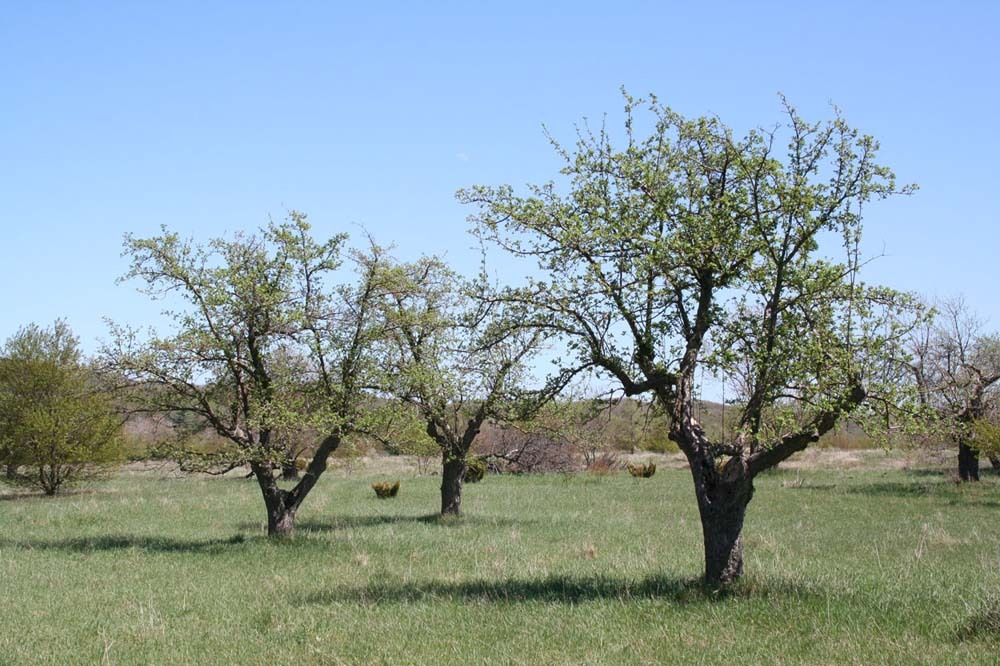
The Maine pruning year
Zone 5aZones from the 2023 USDA map; frost dates from NOAA’s 1991 to 2020 normals; timing rules from the extension guides quoted under each plant.
Maine extension pruning guides
“The best time to prune fruit trees is late winter into early spring when it will least affect winter hardiness and tree health.”
- Fruit treesPruning Tree Fruits University of Maine Cooperative Extension
- Trees and shrubsBulletin #2169, Pruning Woody Landscape Plants University of Maine Cooperative Extension
- Fruit treesBulletin #2409, Renovating Old Apple Trees University of Maine Cooperative Extension
Every link checked Nov 18, 2026.
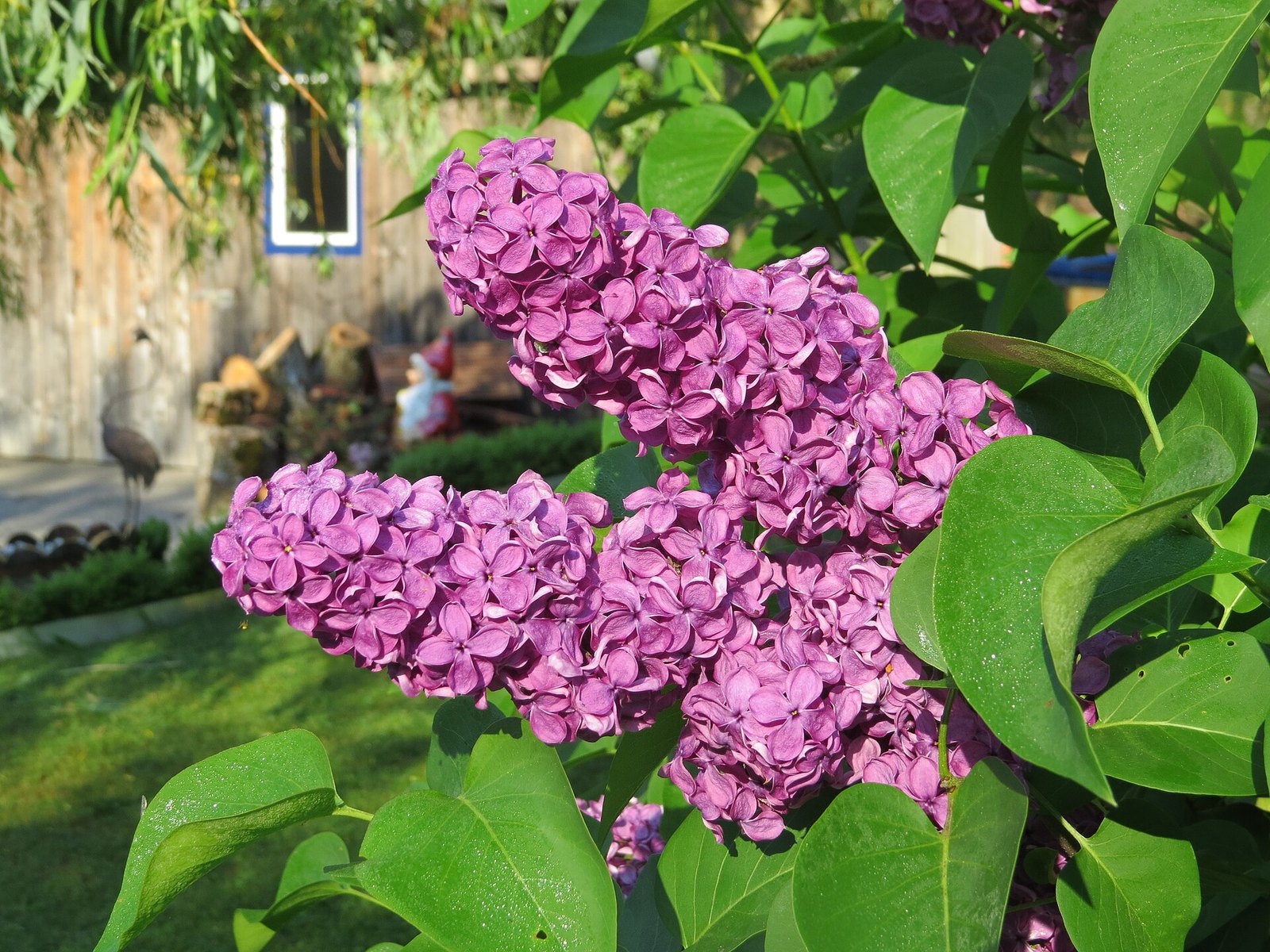
When to prune oaks in Maine
No pruning oaks from April through September
Sap beetles carry the fungus from tree to tree and are drawn to fresh cuts, so the cuts wait for the cold months. If a storm or a mower wounds an oak in these months, cover the wound with latex paint at once.
“This is why MFS recommends not pruning oaks from April to September, and if pruning must be done during this time, to seal wounds with latex paint or tree wound sealing products.”