
Michigan Ski Season 2026-27: When to Go
Typical season December 15 to March 25, snowiest in Jan. Season timing from 30 years of NOAA normals; today's base depth and lifts open are on each area's own site.
Snowiest months here: Jan, Dec, FebThe Michigan ski season at a glance
Climatology, 2026-27Marquette in the Upper Peninsula averages nearly 200 inches of snow a season from lake effect off Lake Superior, more than four times what most of the Lower Peninsula resort belt records.
When should I go skiing in Michigan?
Two ski states in one: a lake-effect Upper Peninsula with genuine snowfall, and a Lower Peninsula resort belt built on snowmaking and northern Michigan tourism. Midwest hills run almost entirely on snowmaking and open on the first sustained cold snap, usually well before the natural snowpack arrives. Seasons are short and the shoulder weeks are genuinely marginal.
Michigan, month by month
Normal monthly snowfall at MARQUETTE, 1,411 ft, about 6 miles from the nearest of the listed Michigan areas. NOAA NCEI 1991 to 2020 climate normals. This is the shape of a normal season near the ski terrain, not a reading on any mountain and not a forecast.
January and February. The Upper Peninsula holds its snow into late March, while the Lower Peninsula turns soft earlier.
Milder and drier is the least snowy combination CPC can give — seasonal snowfall in comparable winters has usually finished below normal, though a single cold storm can still produce a big week.
Earliest openings around November 20, last closings around April 10. These are regional patterns, not opening days; individual areas publish their own dates.
Chicago and Detroit weekend traffic fills the Lower Peninsula resorts. The Upper Peninsula, five hours further, is quiet even in February.
Ski areas in Michigan
OpenStreetMap maps 30 operating lift-served downhill ski areas in Michigan above the size floor used here. Below are the largest by vertical drop. Every number in this table is computed from OpenStreetMap run and lift geometry by OpenSkiMap, not taken from a resort’s own marketing, so figures can differ from what a resort publishes. Elevations and vertical are the useful timing signal: a base at 9,000 feet holds snow weeks longer than a base at 1,500 feet in the same storm.
| Area | Base | Summit | Vertical | Runs | Lifts |
|---|---|---|---|---|---|
| Porcupine Mountains Winter Sports Complex | 736 ft | 1,363 ft | 627 ft | 23 | 3 |
| Jackson Creek Summit (Big Snow Resort) | 1,207 ft | 1,740 ft | 533 ft | 32 | 6 |
| The Highlands (Boyne Highlands) | 788 ft | 1,314 ft | 526 ft | 48 | 7 |
| Marquette Mountain | 779 ft | 1,301 ft | 522 ft | 29 | 4 |
| Boyne Mountain | 713 ft | 1,154 ft | 441 ft | 58 | 10 |
| Mont Ripley Ski Area | 650 ft | 1,080 ft | 430 ft | 25 | 4 |
Ski area data from OpenSkiMap, derived from OpenStreetMap and used under the Open Database License (ODbL 1.0). Data © OpenStreetMap contributors. Listed areas are those OpenStreetMap records as operating; current operating status is on each area’s own site.
Where the Michigan snow numbers come from
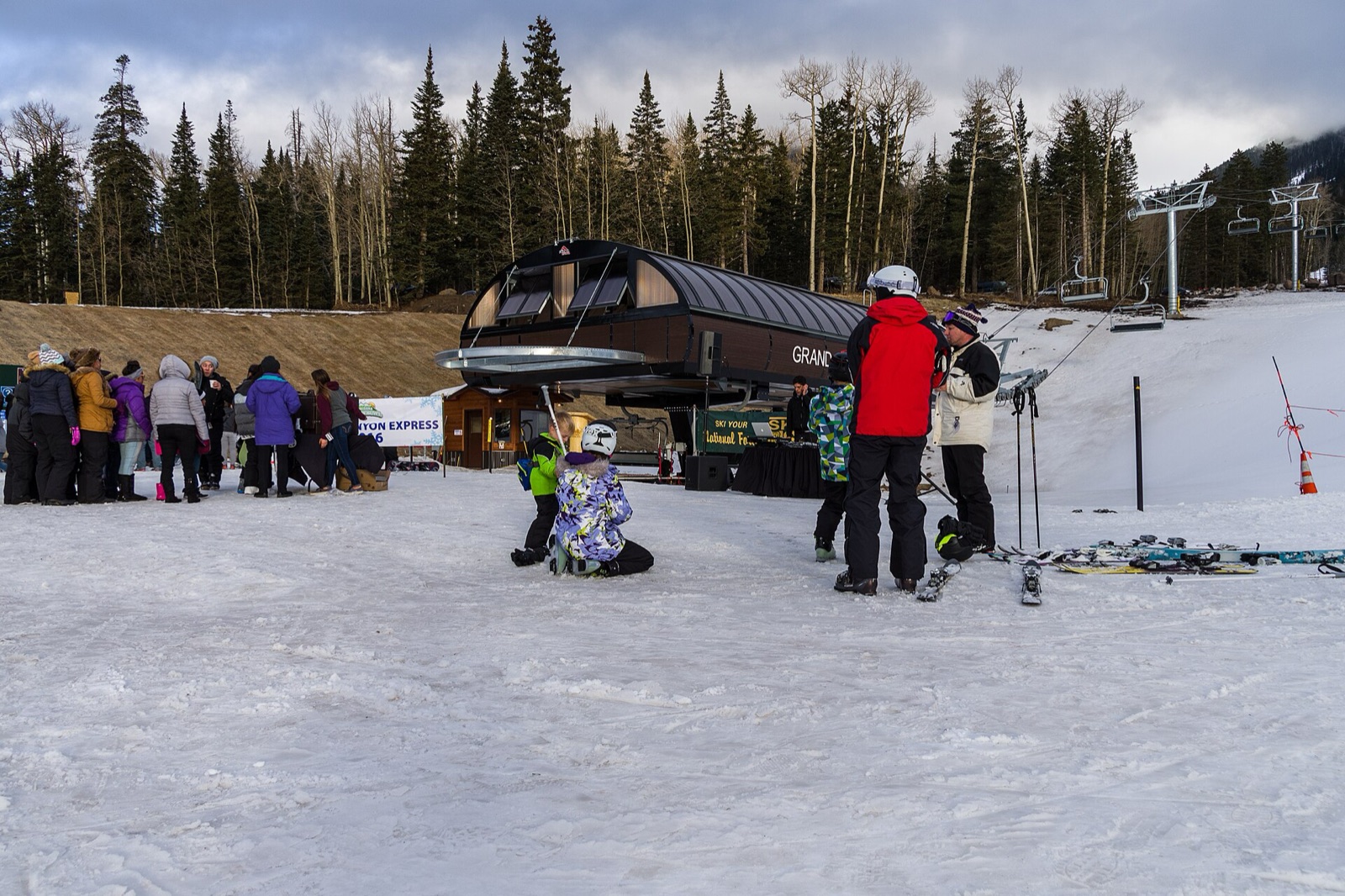
SNOTEL, the USDA automated snowpack network, covers the 11 western states and Alaska, and has no station near Michigan’s ski areas, so the snow numbers on this page come from NOAA’s climate record rather than a live gauge.
The Northeast and Midwest together accounted for roughly 18.7 million of about 52.6 million US skier visits in a recent season, and neither region has a measured snowpack network of this kind. What Michigan has is a long, high quality NOAA climate record, which is what the climatology on this page is built from, plus NOAA forecast snowfall through the snow depth map.
How the Michigan ski season unfolds
Season opens · around December 15 early season
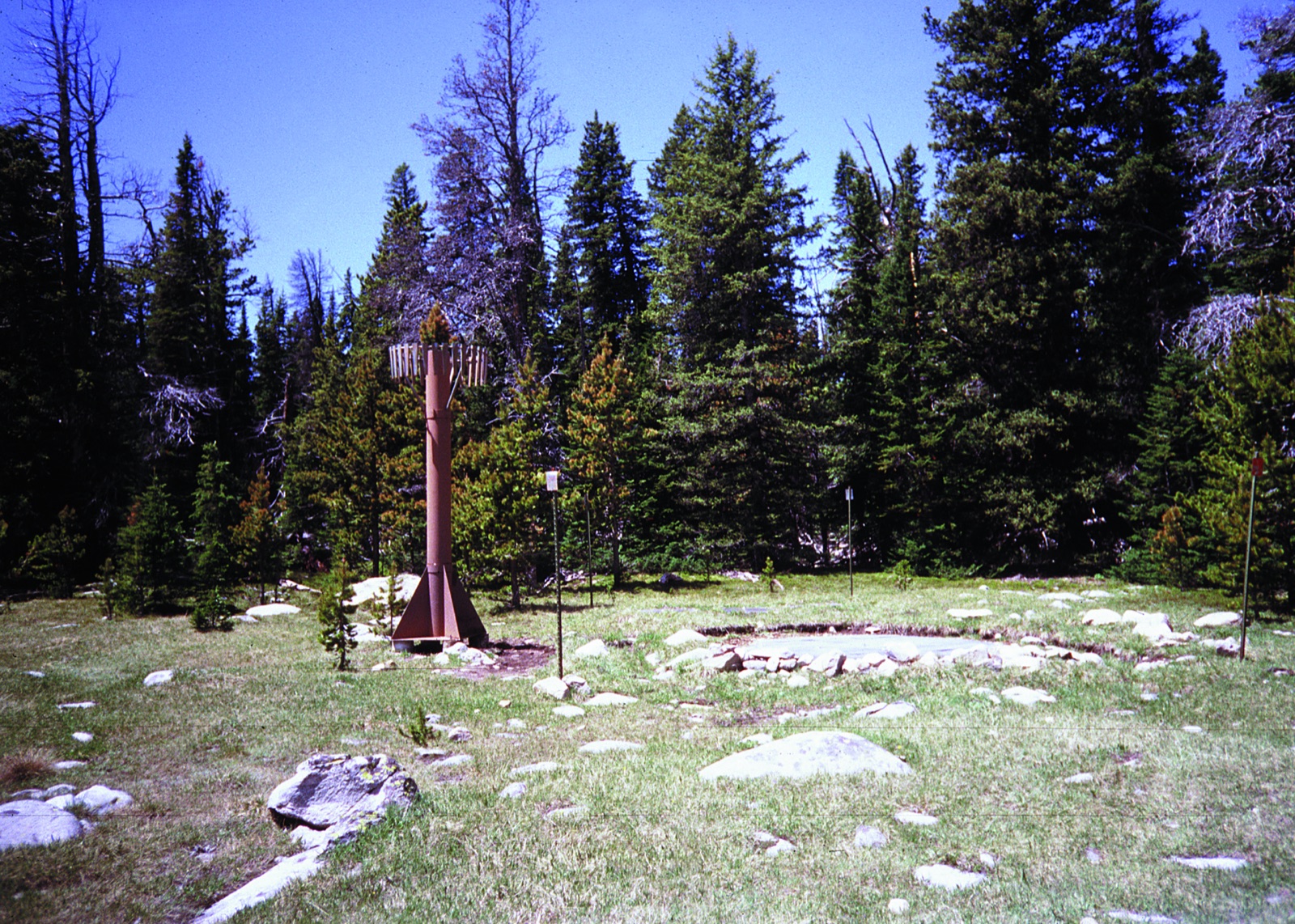
The Upper Peninsula opens on natural lake-effect snow, often weeks before the Lower Peninsula areas can make enough. Cover is thinnest and terrain most limited in this stretch, whatever the price of the lift ticket says. The reference station's normal overnight low first drops to 28°F or below in Nov, which is roughly when snowmaking becomes dependable here.
Deep winter snowiest: Jan, Dec, Feb
Jan is the snowiest month in the 1991 to 2020 normals at Marquette, 1,411 ft. This is when the base is deepest and the most terrain is usually open, and it is also when the holiday crowd windows land. January and February. The Upper Peninsula holds its snow into late March, while the Lower Peninsula turns soft earlier.
Spring transition · from Apr corn cycle
Apr is the first month at the reference station where the normal daytime high reaches 38°F while nights still average at or below freezing. That freeze-thaw pair is what makes corn snow: the surface refreezes overnight, softens through the morning, and turns to slush by mid afternoon. Ski east-facing slopes first, then work around to south and west.
Season closes · around March 25 late season
Most Michigan areas usually wrap up around March 25, with the last holdout closer to April 10. Late-season closing dates are a business decision as much as a snow decision: areas close when the visitors stop coming, which is often well before the snow runs out.
When Michigan is busiest
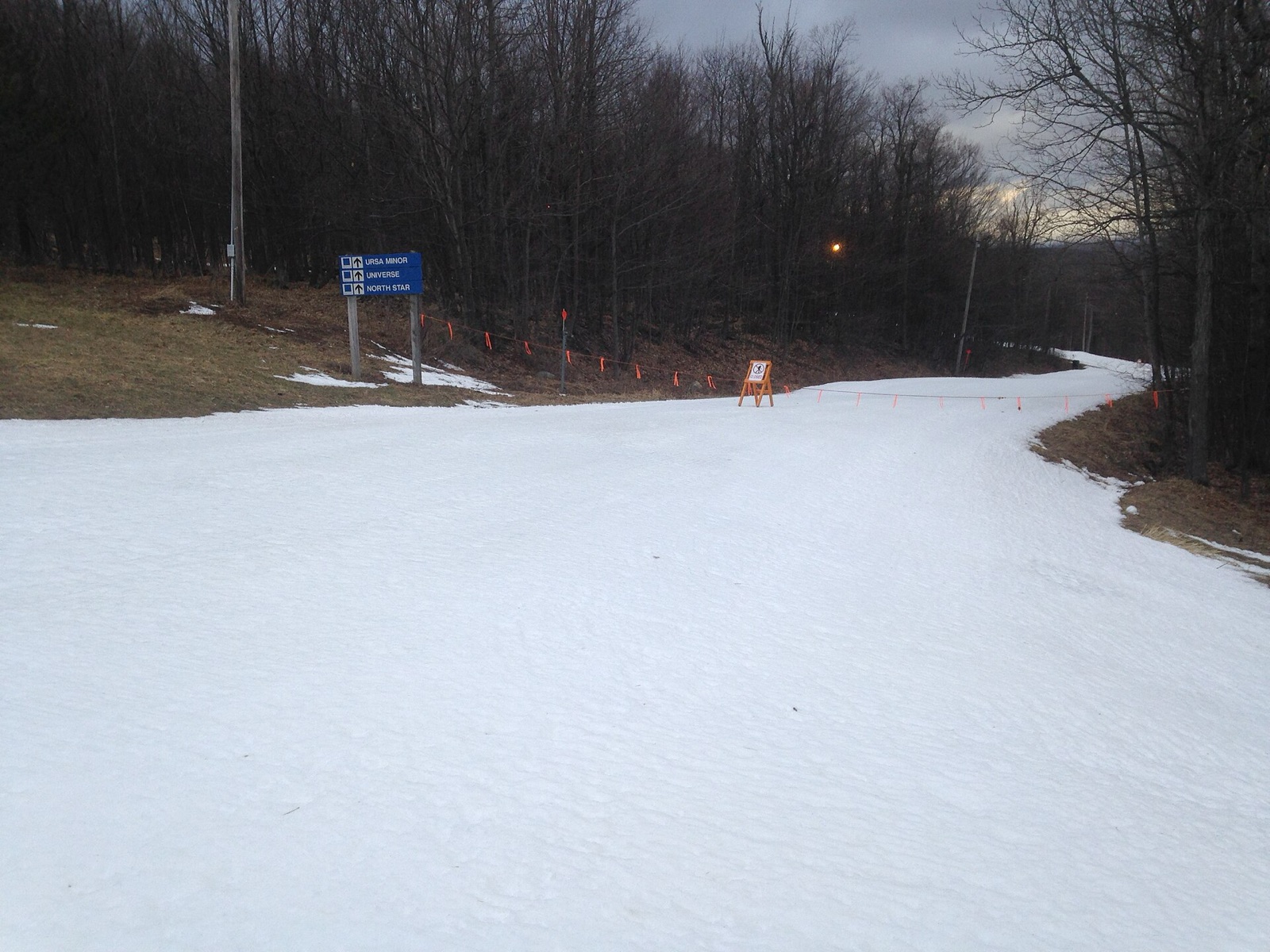
Chicago and Detroit weekend traffic fills the Lower Peninsula resorts. The Upper Peninsula, five hours further, is quiet even in February.
Spring in Michigan
Corn snow needs two things on the same day: a hard overnight refreeze and enough afternoon sun to soften the surface again. At Michigan’s reference station that pairing first shows up in the normals in Apr. Practically, that means starting on east-facing terrain in the morning and following the sun around to south and then west through the day, and being done before the surface turns to mashed potatoes.
Michigan ski season FAQ
More Michigan winter timing
Make a trip of it
Staying near Porcupine Mountains Winter Sports Complex?
Tours & activities near Porcupine Mountains Winter Sports Complex
Guided trips and experiences from local operators.
Browse on Viator Places to stay
Stays near Porcupine Mountains Winter Sports Complex
Vacation rentals and cabins close to the water.
Browse on VrboWe may earn a commission on bookings made through these links.
Other Midwest ski states
Season windows on this page are regional patterns compiled by MyWild, not opening or closing dates for any individual area, and any single year runs weeks either side. Monthly snowfall and temperature are NOAA NCEI 1991 to 2020 climate normals at Marquette (1,411 ft, about 6 miles from the nearest listed area). The winter tilt is a point read of NOAA CPC’s official Dec to Feb probability map issued August 20, 2026; CPC forecasts by region rather than by state. Ski area geometry is from OpenSkiMap and OpenStreetMap under ODbL 1.0. National picture: when to ski, state by state →
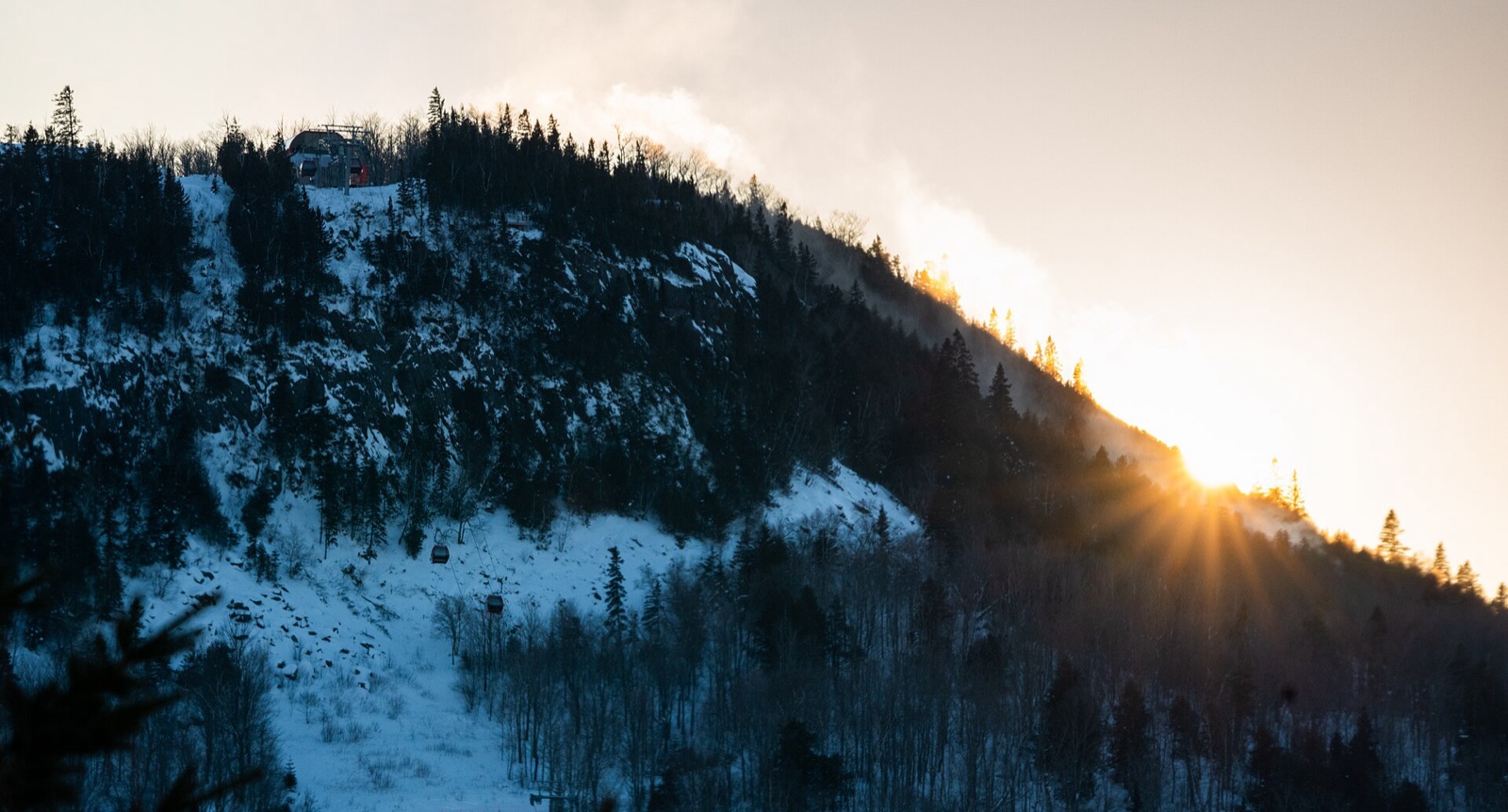
Hero image: “Lutsen Mountains Ski Hill, Minnesota in Winter” by Tony Webster, CC BY 2.0