
New Mexico Ski Season 2026-27: When to Go
Typical season December 15 to April 1, snowiest in Mar. Season timing from 30 years of NOAA normals; today's base depth and lifts open are on each area's own site.
Snowiest months here: Mar, Apr, FebThe New Mexico ski season at a glance
Climatology, 2026-27New Mexico is one of the few states whose snowiest months by the 1991 to 2020 normals are March and April rather than midwinter, a late-season pattern that a strong El Niño usually reinforces.
When should I go skiing in New Mexico?
High, dry and sunny. Bases above 9,000 feet everywhere, dry powder when it snows, and long stretches of bluebird in between. Everything here depends on a few big storms rather than a steady drip. Southwestern areas have opened before Thanksgiving in a good year and sat closed into January in a bad one, which is why the season windows on this page carry the widest spread in the country.
New Mexico, month by month
Normal monthly snowfall at RED RIVER, 8,667 ft, about 9 miles from the nearest of the listed New Mexico areas. NOAA NCEI 1991 to 2020 climate normals. This is the shape of a normal season near the ski terrain, not a reading on any mountain and not a forecast.
Late February into March. The reference station here records its snowiest months in March and April, later than most of the country.
Wetter than normal with no temperature lean: more precipitation events, and whether they snow depends on each storm's cold supply. Ice and mixed events become more likely in the transition zones.
Earliest openings around November 22, last closings around April 12. These are regional patterns, not opening days; individual areas publish their own dates.
Texas school holidays drive the crowd calendar more than local ones do. Christmas week and the Texas spring break weeks in March are the pinch points.
Ski areas in New Mexico
OpenStreetMap maps 8 operating lift-served downhill ski areas in New Mexico above the size floor used here. Below are the largest by vertical drop. Every number in this table is computed from OpenStreetMap run and lift geometry by OpenSkiMap, not taken from a resort’s own marketing, so figures can differ from what a resort publishes. Elevations and vertical are the useful timing signal: a base at 9,000 feet holds snow weeks longer than a base at 1,500 feet in the same storm.
| Area | Base | Summit | Vertical | Runs | Lifts |
|---|---|---|---|---|---|
| Taos Ski Valley | 9,351 ft | 11,819 ft | 2,468 ft | 103 | 14 |
| Angel Fire Resort | 8,589 ft | 10,683 ft | 2,094 ft | 101 | 8 |
| Ski Apache | 9,656 ft | 11,451 ft | 1,795 ft | 46 | 9 |
| Ski Santa Fe | 10,338 ft | 12,092 ft | 1,753 ft | 88 | 7 |
| Red River Ski Area | 8,645 ft | 10,275 ft | 1,629 ft | 85 | 7 |
| Sandia Peak Ski Area | 8,680 ft | 10,279 ft | 1,599 ft | 66 | 6 |
Ski area data from OpenSkiMap, derived from OpenStreetMap and used under the Open Database License (ODbL 1.0). Data © OpenStreetMap contributors. Listed areas are those OpenStreetMap records as operating; current operating status is on each area’s own site.
Measured snowpack near New Mexico ski areas
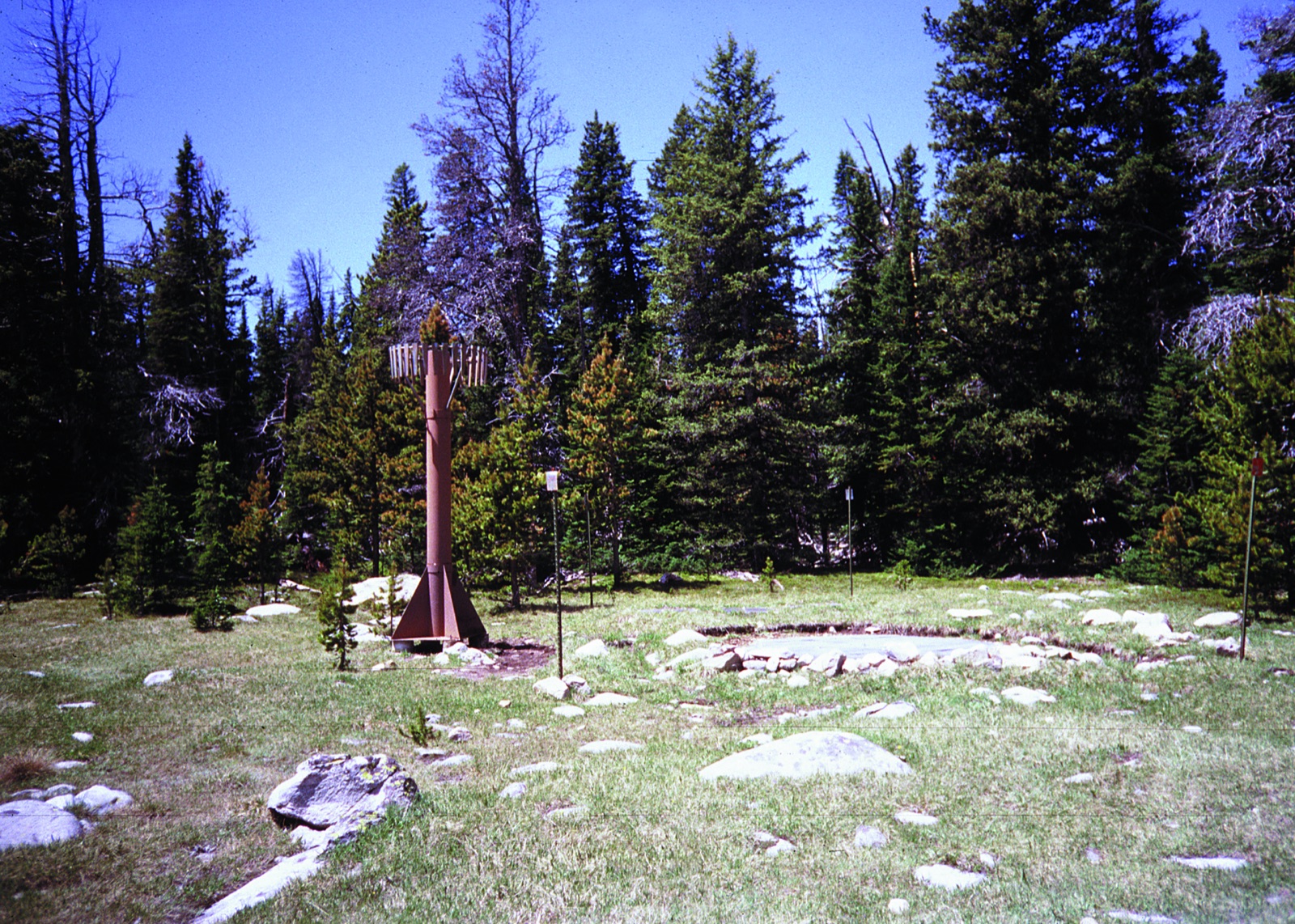
Everything else on this page is climatology or a seasonal probability. This is not: USDA NRCS runs SNOTEL, an automated network of roughly 900 sites that physically measure the snow on the ground and the water held inside it. The readings below come straight from the NRCS Air and Water Database, read in your browser. Neither of the big commercial ski sites leans on this data, which is why “the model says one thing, the gauge four miles away says another” is a view you cannot get elsewhere.
| SNOTEL station | Elevation | Near | Snow depth | Water in the pack | Change, 14 days |
|---|---|---|---|---|---|
| Taos Powderhorn0.4 mi away, reporting since 2010 | 11,020 ft | Taos Ski Valley | … | … | … |
| Palo5.1 mi away, reporting since 2010 | 9,330 ft | Angel Fire Resort | … | … | … |
| Sierra Blanca1 mi away, reporting since 2002 | 10,250 ft | Ski Apache | … | … | … |
| Santa Fe1.4 mi away, reporting since 1996 | 11,480 ft | Ski Santa Fe | … | … | … |
| Red River Pass #23.7 mi away, reporting since 1978 | 9,840 ft | Red River Ski Area | … | … | … |
Reading the USDA NRCS Air and Water Database…
What this is not. A SNOTEL site is an automated instrument in a forest clearing, not a ski run. It is not groomed, it is usually at a different elevation and aspect than the terrain you would ski, and it says nothing at all about whether an area is open or how much of it is open. For that, check the area’s own website. What it does give you, honestly, is a physically measured number to hold a forecast against.
How the New Mexico ski season unfolds
Season opens · around December 15 early season
Very wide. New Mexico areas have opened before Thanksgiving in a strong year and after New Year in a weak one. Cover is thinnest and terrain most limited in this stretch, whatever the price of the lift ticket says. The reference station's normal overnight low first drops to 28°F or below in Oct, which is roughly when snowmaking becomes dependable here.
Deep winter snowiest: Mar, Apr, Feb
Mar is the snowiest month in the 1991 to 2020 normals at Red River, 8,667 ft. This is when the base is deepest and the most terrain is usually open, and it is also when the holiday crowd windows land. Late February into March. The reference station here records its snowiest months in March and April, later than most of the country.
Spring transition · from Mar corn cycle
Mar is the first month at the reference station where the normal daytime high reaches 38°F while nights still average at or below freezing. That freeze-thaw pair is what makes corn snow: the surface refreezes overnight, softens through the morning, and turns to slush by mid afternoon. Ski east-facing slopes first, then work around to south and west.
Season closes · around April 1 late season
Most New Mexico areas usually wrap up around April 1, with the last holdout closer to April 12. Late-season closing dates are a business decision as much as a snow decision: areas close when the visitors stop coming, which is often well before the snow runs out.
When New Mexico is busiest
Texas school holidays drive the crowd calendar more than local ones do. Christmas week and the Texas spring break weeks in March are the pinch points.
Spring in New Mexico
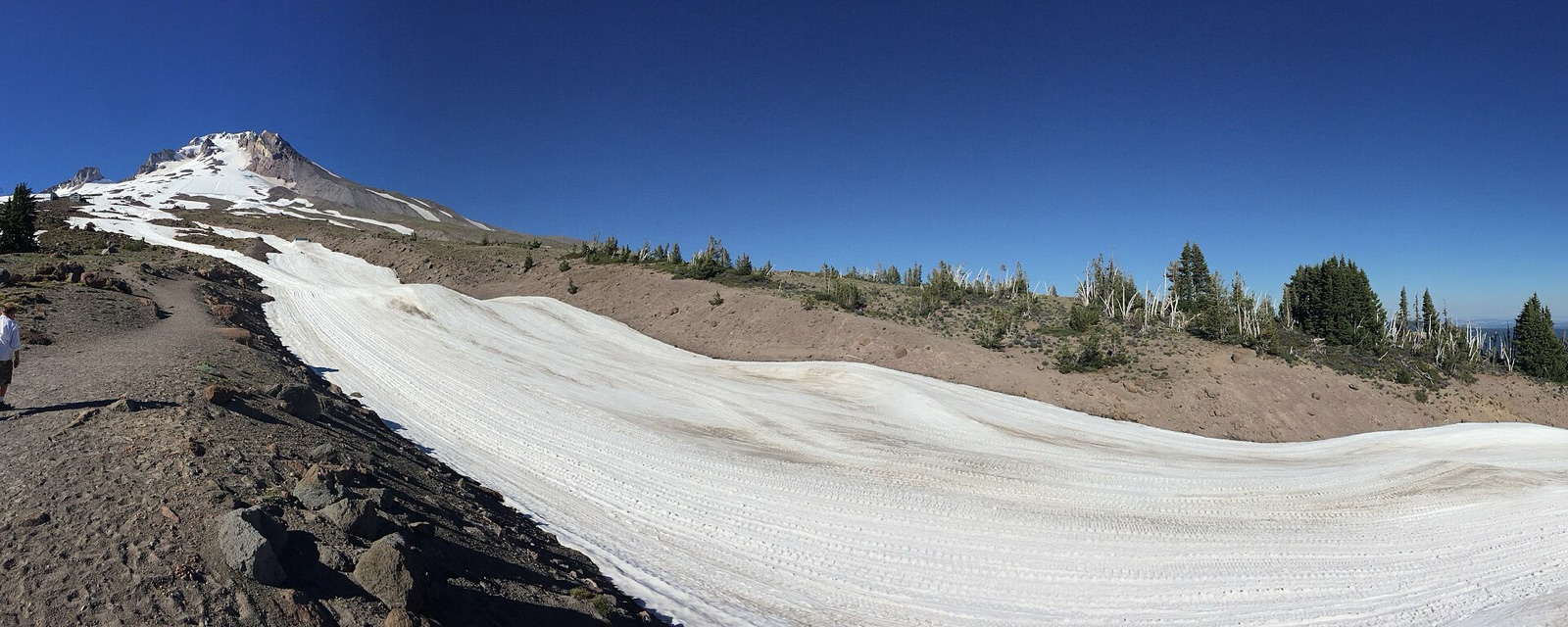
Corn snow needs two things on the same day: a hard overnight refreeze and enough afternoon sun to soften the surface again. At New Mexico’s reference station that pairing first shows up in the normals in Mar. Practically, that means starting on east-facing terrain in the morning and following the sun around to south and then west through the day, and being done before the surface turns to mashed potatoes.
New Mexico ski season FAQ
More New Mexico winter timing
Make a trip of it
Staying near Taos Ski Valley?
Tours & activities near Taos Ski Valley
Guided trips and experiences from local operators.
Browse on Viator Places to stay
Stays near Taos Ski Valley
Vacation rentals and cabins close to the water.
Browse on VrboWe may earn a commission on bookings made through these links.
Other Southwest ski states
Season windows on this page are regional patterns compiled by MyWild, not opening or closing dates for any individual area, and any single year runs weeks either side. Monthly snowfall and temperature are NOAA NCEI 1991 to 2020 climate normals at Red River (8,667 ft, about 9 miles from the nearest listed area). The winter tilt is a point read of NOAA CPC’s official Dec to Feb probability map issued August 20, 2026; CPC forecasts by region rather than by state. Ski area geometry is from OpenSkiMap and OpenStreetMap under ODbL 1.0. Snowpack readings are measured values from USDA NRCS SNOTEL, read live in your browser. National picture: when to ski, state by state →
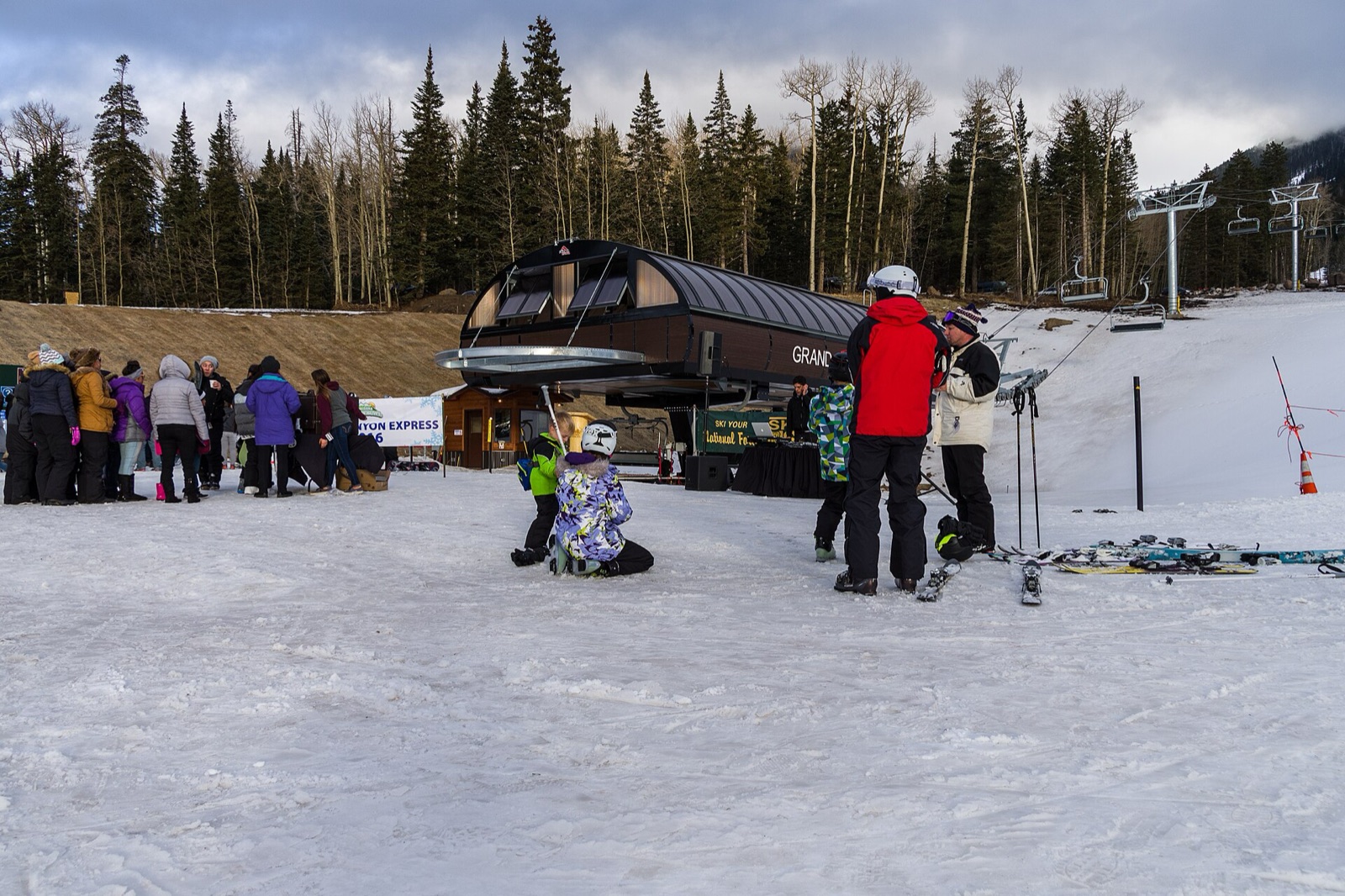
Hero image: “Arizona Snowbowl Grand Canyon Express Ski Lift Opening Celebration” — Coconino National Forest — CC0