Brandywine Falls
Rain fedCuyahoga Valley's 60 foot bridal veil, which the Park Service candidly notes now runs HIGHER than history thanks to upstream pavement shedding storm water.

A seasonal ribbon pouring 90 feet over the rim of Ohio's grandest recess cave, at its best after winter rain and often reduced to drips by September.
Trail status, closures and safety rules belong to each falls' managing agency, named and linked on every page.
Ash Cave's waterfall is a true ephemeral: a small tributary pours over the huge recess cave rim in the wet months and dwindles to mist by late summer. ODNR describes the neighboring Whispering Cave falls as seasonal in exactly this sense. The cave itself, named for the ash piles settlers found, needs no water to justify the walk, and its gorge trail is wheelchair accessible.
Typical best flow: December through May
Ash Cave Gorge - 1/4-mile - Easy - Wheelchair Accessible Ash Cave Rim - 1/4-mile - Moderate
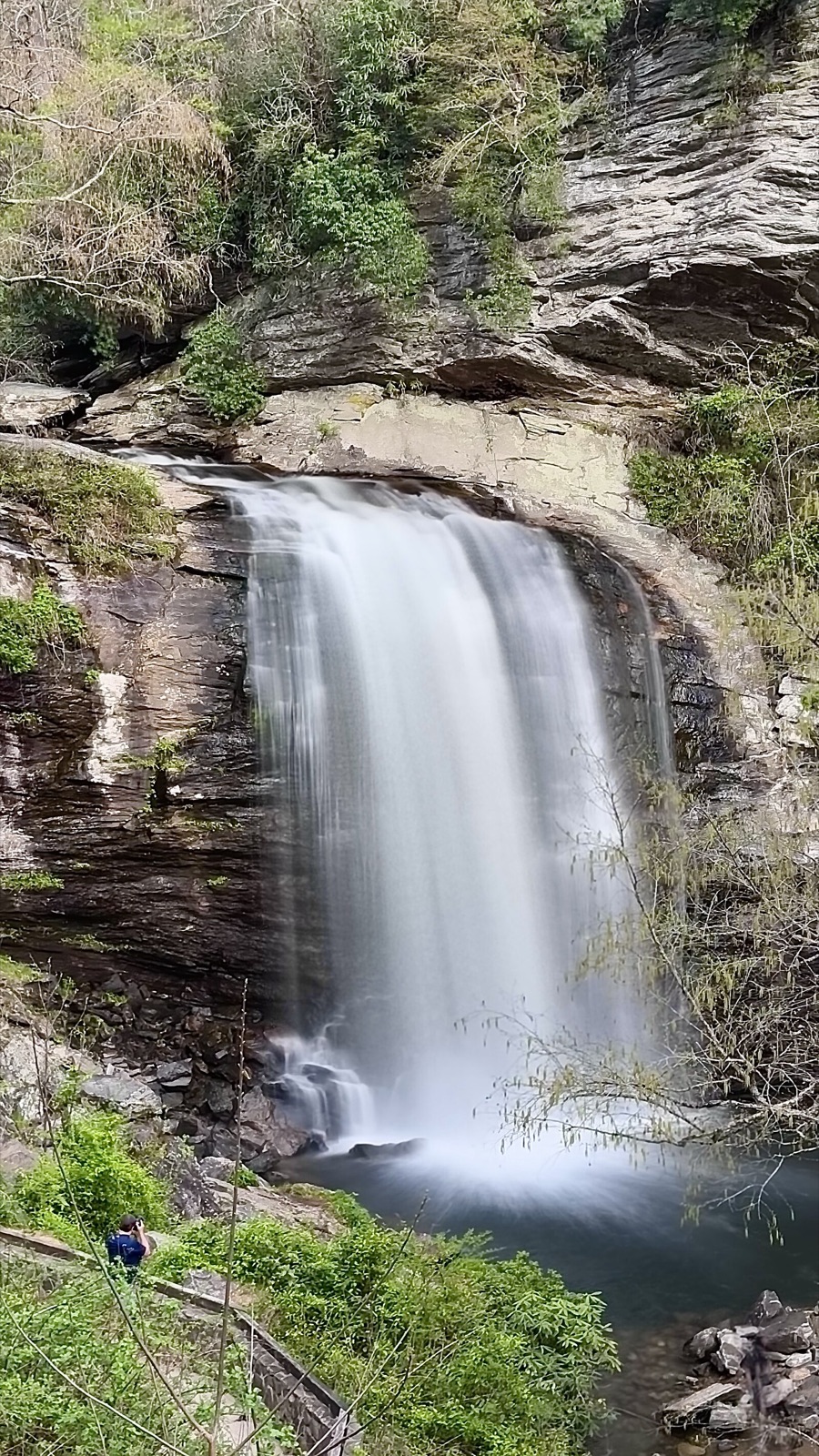
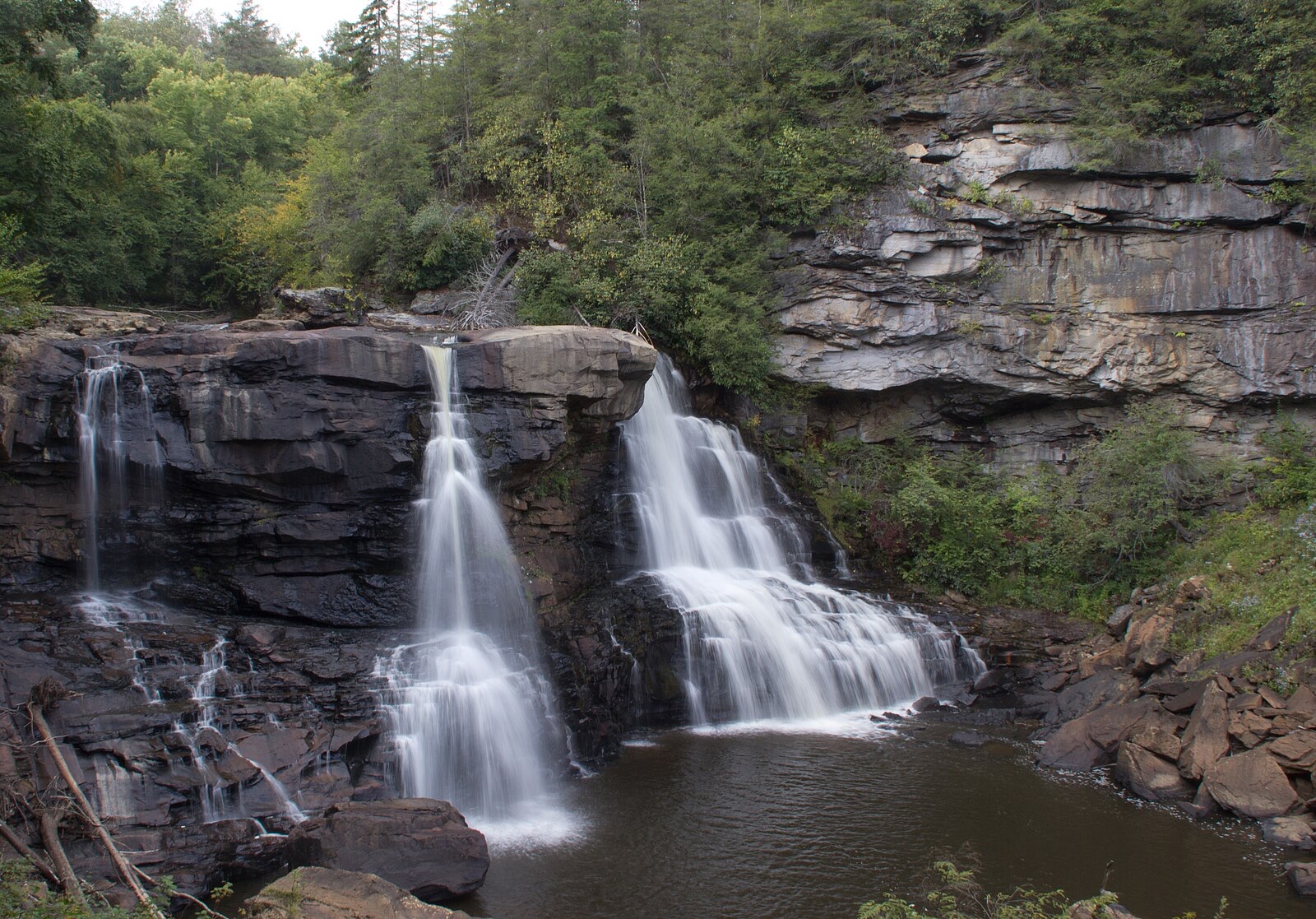
The quarter mile Ash Cave Gorge trail is wheelchair accessible, per ODNR's trail list, with a rim trail above; winter ice on the trails calls for cleats, as the agency warns park-wide.
Current access and closures: Hocking Hills State Park (Ohio DNR).
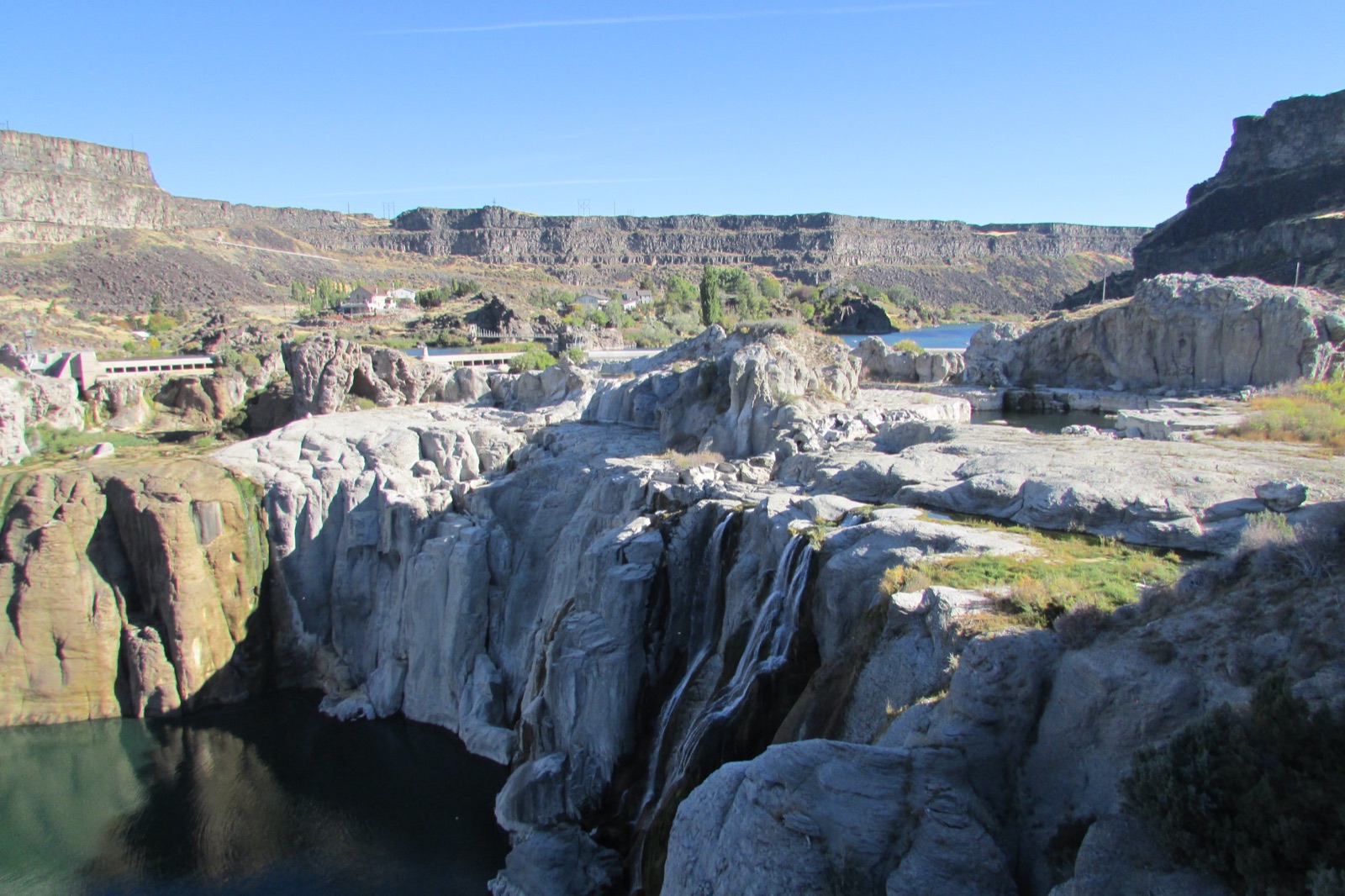
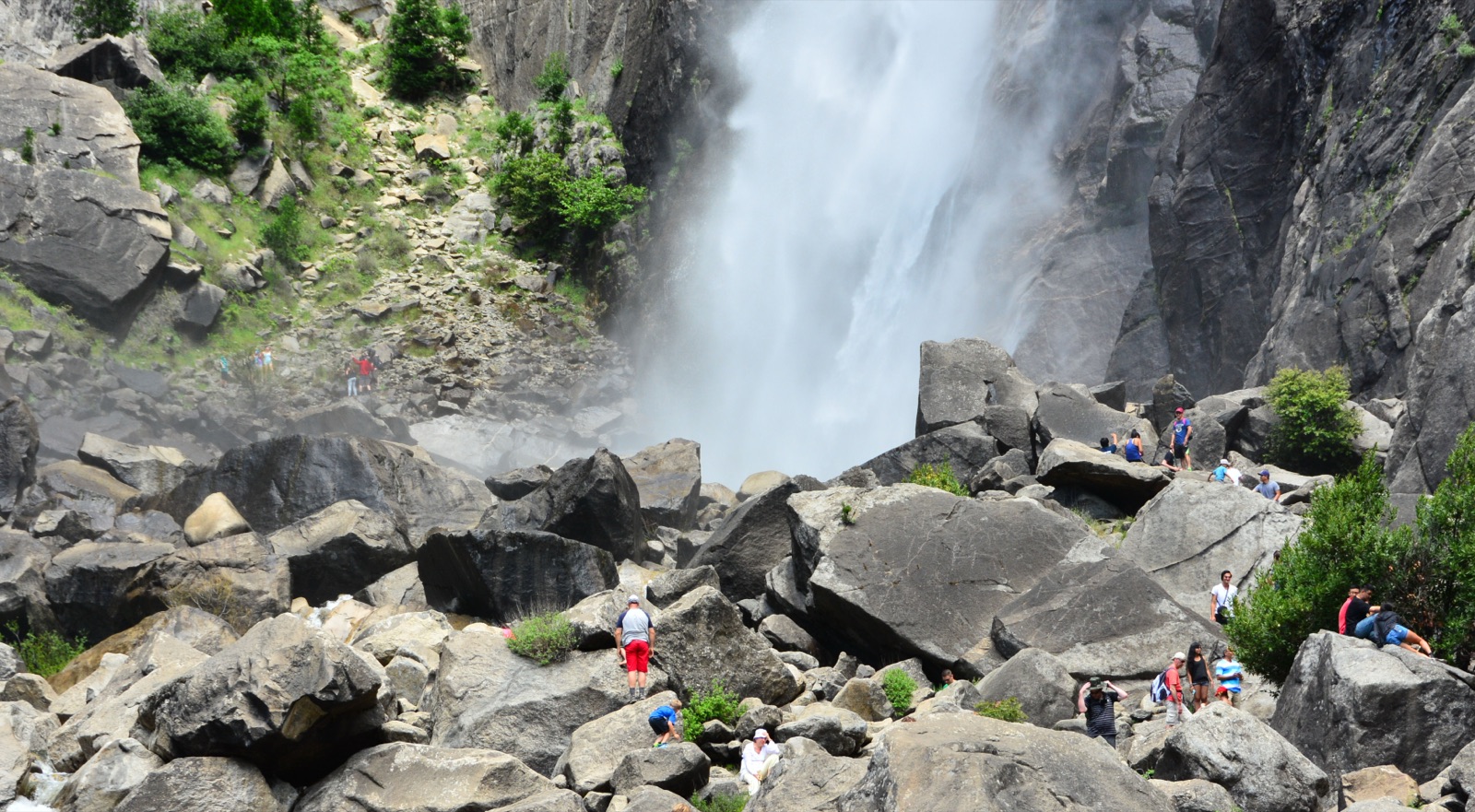
Cuyahoga Valley's 60 foot bridal veil, which the Park Service candidly notes now runs HIGHER than history thanks to upstream pavement shedding storm water.
Hocking Hills' steadiest waterfall, pouring through a notch in the Black Hand sandstone at the head of a hemlock gorge, best in the cold wet half of the year.
Make a trip of it
Things to doGuided trips and experiences from local operators.
Browse on Viator Places to stay
Vacation rentals and cabins close to the water.
Browse on VrboWe may earn a commission on bookings made through these links.
Flow windows are typical-year climatology drawn from the driver and the agency language quoted above, not forecasts. Live readings and per-date percentiles are U.S. Geological Survey data, public domain; the above-or-below-typical line is our comparison and is labelled as such. Access, trail and safety information belongs to Hocking Hills State Park (Ohio DNR). National picture: waterfall season across the US →
Hero image: “Dry Falls 2016-09-28 358” by Chris Light, CC BY-SA 4.0