Yosemite Falls
SnowmeltThe tallest waterfall in North America by the Park Service's measure, and the most famous seasonal one: 2,425 feet of snowmelt that thunders in May and is often gone by August.

The 101 foot drop of the Middle Fork San Joaquin near Devils Postpile, named for the rainbows that stand in its mist on sunny summer days.
Trail status, closures and safety rules belong to each falls' managing agency, named and linked on every page.
Rainbow Falls carries a high Sierra snowmelt river, so its big water arrives when the Middle Fork peaks in early summer and tapers through August. The season here is bounded by access as much as by water: the Reds Meadow road and shuttle operate in the snow-free months, which conveniently overlap the best flow.
Typical best flow: June and July
Just a 2.5 mile walk from the Devils Postpile Ranger Station, Rainbow Falls is the highest waterfall on the Middle Fork of the San Joaquin river. Plunging 101-feet, the falls are aptly named for the many rainbows that appear in its mist on sunny summer days.
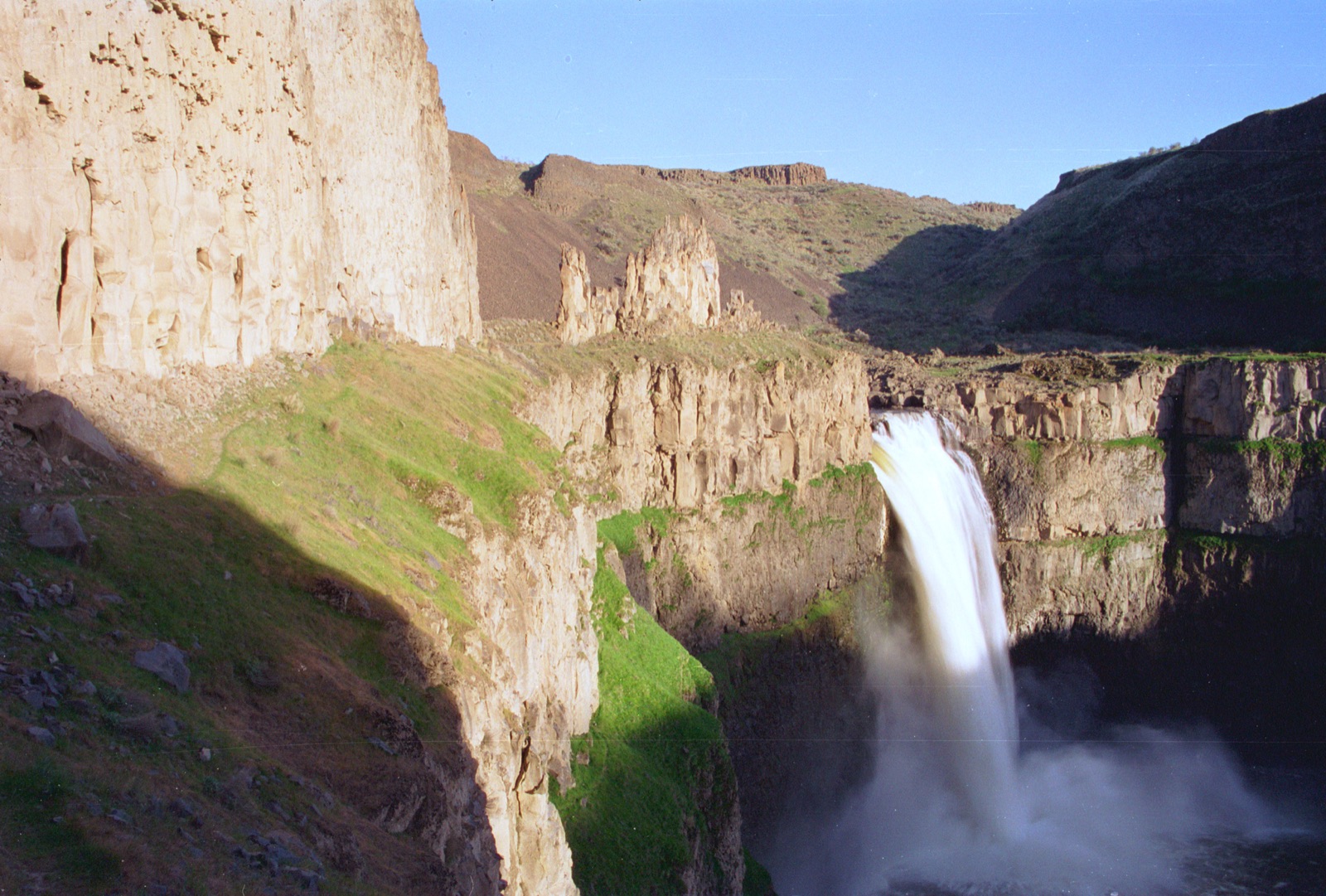
Gauge: USGS 11224000 MF San Joaquin R nr Mammoth Lakes CA, upstream of the falls on the same river. The gauge reads the river, not the brink of the falls, so treat it as the trend line rather than a turnstile.
Source: USGS Water Services (National Water Information System). Instantaneous values and daily statistics services. U.S. Geological Survey data are works of the United States Government and are in the public domain. Gauge verified 2026-08-27.
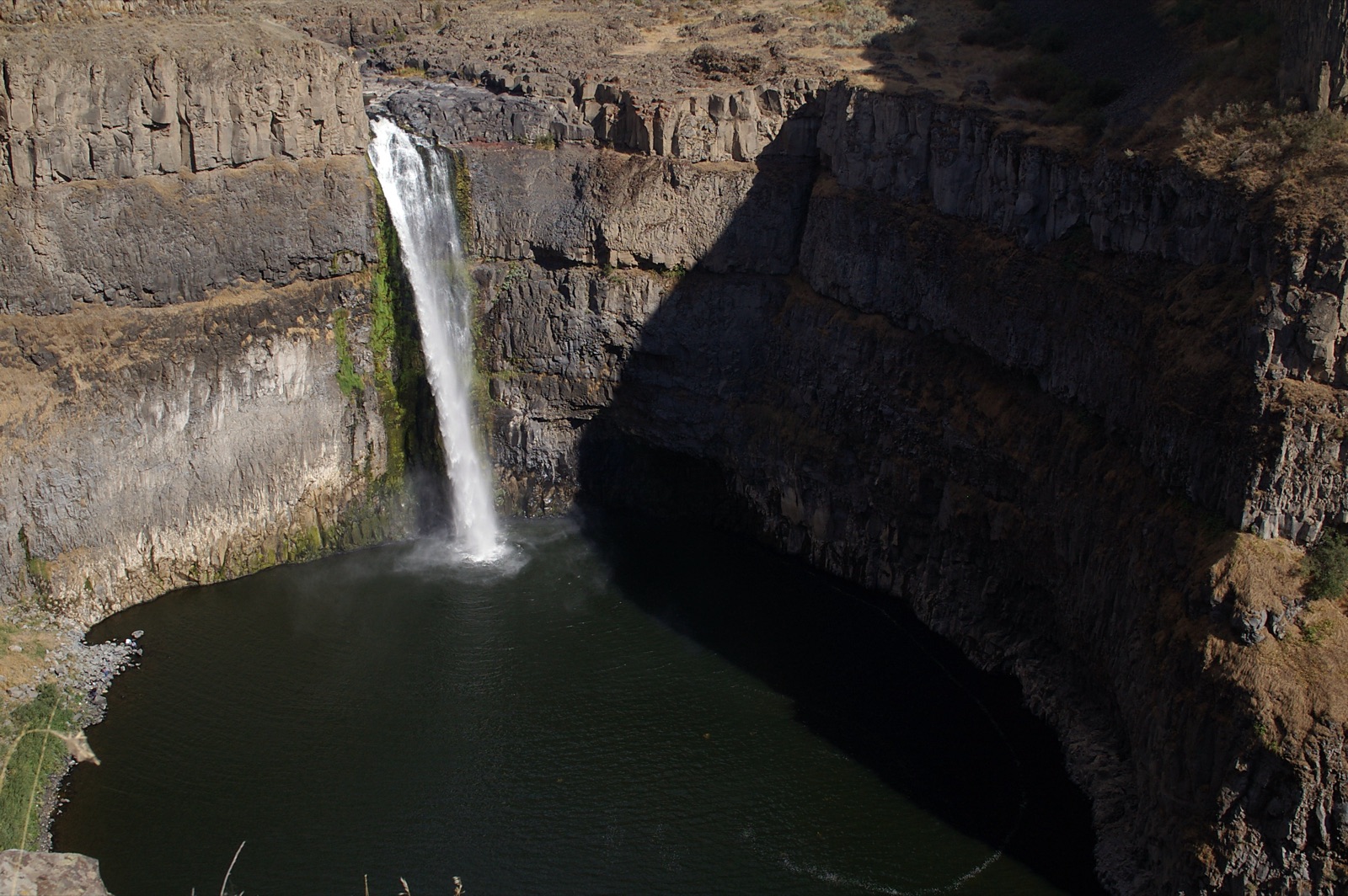
A 2.5 mile walk from the Devils Postpile Ranger Station, per the Park Service, or shorter from the Rainbow Falls trailhead shuttle stops. The monument road is seasonal and mostly shuttle-served in summer.
Current access and closures: Devils Postpile National Monument (National Park Service).
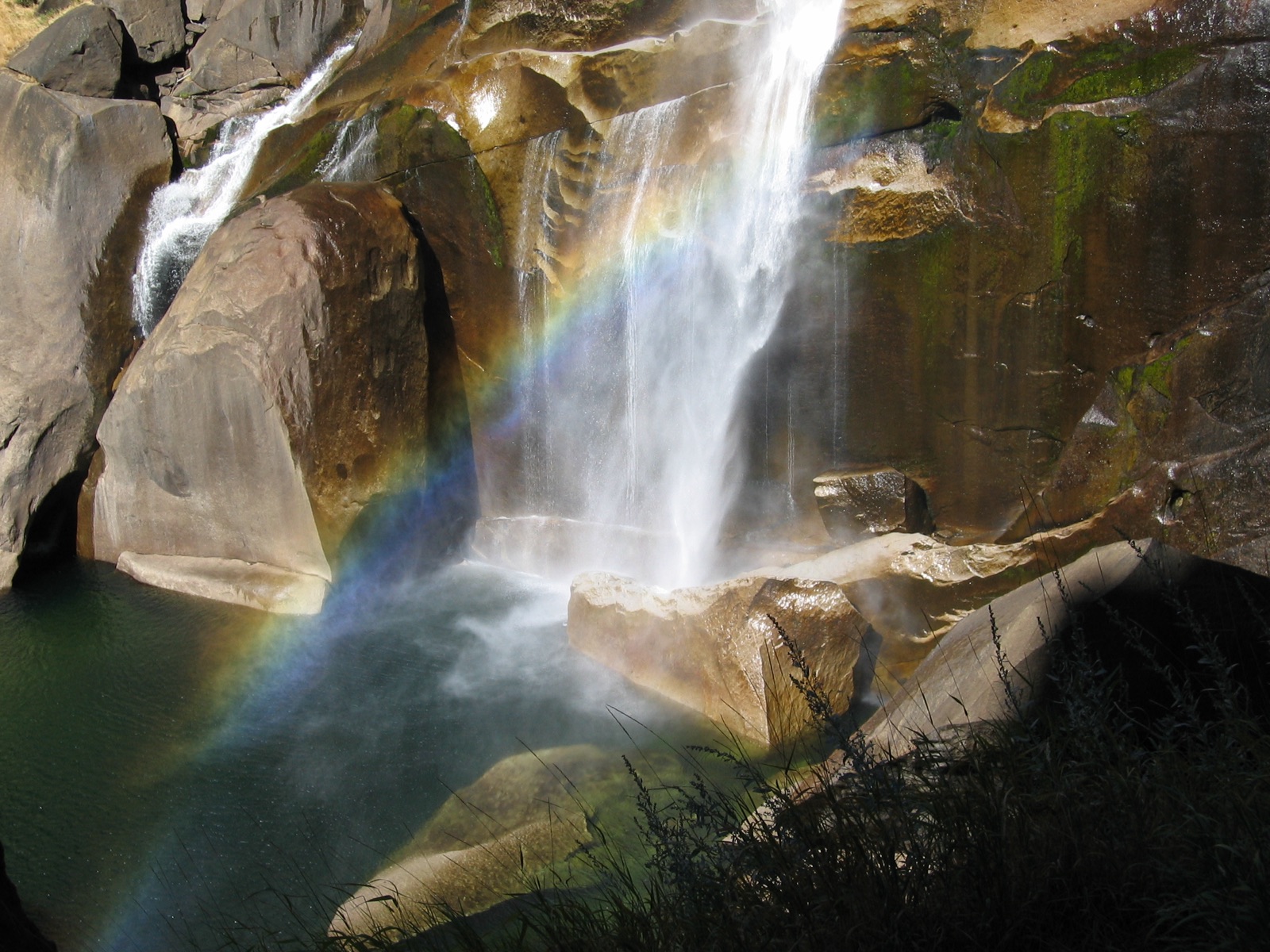
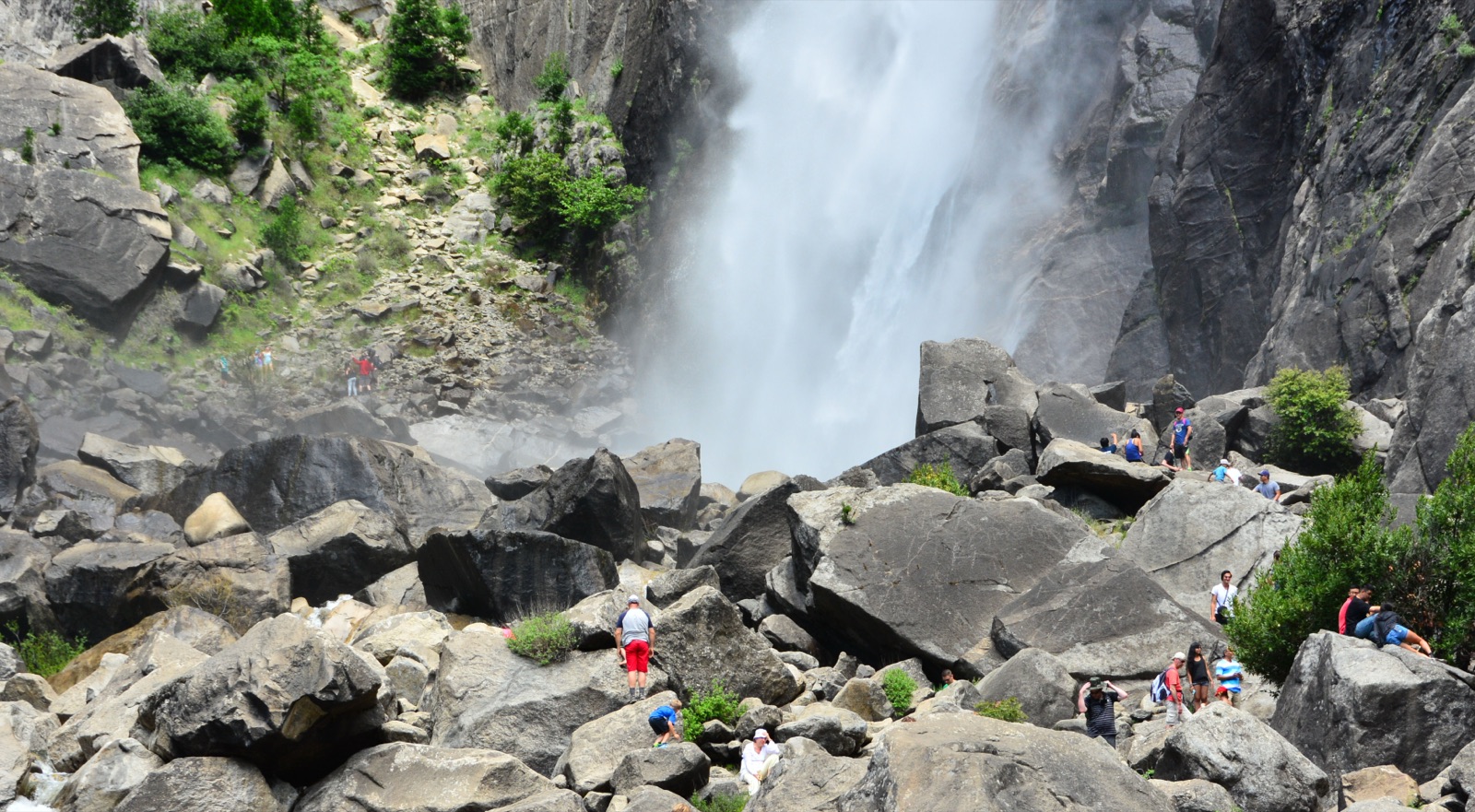
The tallest waterfall in North America by the Park Service's measure, and the most famous seasonal one: 2,425 feet of snowmelt that thunders in May and is often gone by August.
The 620 foot fall at the gateway of Yosemite Valley: a thundering column in spring, a light swaying veil the rest of the year, and one of the few Yosemite falls that never quite quits.
The 317 foot Merced River step on the Mist Trail, wide as a curtain in June and narrowed to ribbons by late summer; the mist that names the trail is a spring-only drenching.
The 594 foot upper step of the Merced staircase above Vernal Fall, at its loudest in late May and June and visible from Glacier Point when the road is open.
Make a trip of it
Things to doGuided trips and experiences from local operators.
Browse on Viator Places to stay
Vacation rentals and cabins close to the water.
Browse on VrboWe may earn a commission on bookings made through these links.
Flow windows are typical-year climatology drawn from the driver and the agency language quoted above, not forecasts. Live readings and per-date percentiles are U.S. Geological Survey data, public domain; the above-or-below-typical line is our comparison and is labelled as such. Access, trail and safety information belongs to Devils Postpile National Monument (National Park Service). National picture: waterfall season across the US →
Hero image: “Rainbow in the mist of Vernal Falls in Yosemite National Park. NPS-Madelyn Carpenter (18497149938)” — NPS Natural Resources — Public domain